mobile clinics

Here are all the keywords related to this blog post: migration health, Zimbabwean migrants, South Africa healthcare, food security, remittances, WhatsApp groups, digital remittances, Mukuru, food insecurity, National Health Insurance, NHI Act 2024, undocumented migrants, asylum seekers, refugees, healthcare access, xenophobia, documentation barriers, nutrition, malnutrition, mental health, chronic diseases, urban agriculture, diaspora, cross-border remittances, informal settlements, Alexandra township, Khayelitsha, Delft, Hillbrow, Johannesburg, Cape Town, Durban, Zimbabwe economic crisis, COVID-19, pandemic impact, female migrants, gender vulnerability, policy reform, primary healthcare, mobile clinics, social protection, food vouchers, transaction costs, financial inclusion, urban food security, spaza shops, food deserts, remittance corridors, health policy, migration policy, Border Management Authority Act, public health, communicable diseases, tuberculosis, HIV/AIDS, maternal health, antenatal care, vaccine coverage, food remittances, grocery delivery, Malaicha, fintech, mobile money, employment precarity, domestic workers, informal economy, health disparities, health equity, vulnerable populations, integrated services, Scalabrini Centre, NGOs, civil society, community gardens, nutritional deficiencies, iron deficiency, anemia, obesity, ultra-processed foods, mental health crisis, anxiety, depression, chronic stress, remittance pressure, health outcomes, healthcare utilization, documentation status, legal status, asylum hearings, expired permits, healthcare gatekeeping, emergency services, late-stage disease, disease transmission, maternal mortality, antiretroviral treatment, immunization, food prices, hyperinflation, currency instability, El Niño drought, agricultural failure, economic hardship, income collapse, food price inflation, supply chain disruptions, lockdown restrictions, border closures, urban planning, food retail, township economies, mobile technology, digital platforms, WhatsApp Business, SMS notifications, bulk ordering, price comparisons, exchange rates, financial literacy, predatory lending, sustainable development, diaspora investment, economic stabilization, political instability, one-stop centers, legal assistance, nutrition counseling, employment assistance, community support groups, government-NGO partnerships, private sector collaboration, health monitoring, anti-xenophobia campaigns, medical education, cultural competence, patient advocacy, community health workers, policy evaluation, research gaps, longitudinal studies, health trajectories, participatory research, epidemiological data, health information systems, migration status, anonymity protection, intersectional vulnerabilities, age discrimination, language barriers, cultural beliefs, regional cooperation, Southern Africa, SADC, humanitarian response, crisis preparedness, pandemic preparedness, food relief programs, emergency assistance, constitutional rights, human rights, social cohesion, integration models, return migration

The WhatsApp Groups Feeding Harare: How the Diaspora Is Bankrolling Zimbabwe’s Urban Organic Food Movement

WhatsApp Remittances and Health: The Cost of Feeding Families Across Borders Money From Abroad, Vegetables at Home, and the Economics of Eating Clean A 32-year-old electrician from Harare never thought he would leave Zimbabwe. Nevertheless, economic collapse forced him out. Today, he lives in Cape Town’s informal settlements, working casual jobs. However, his WhatsApp notifications […]

The WhatsApp Groups Feeding Harare: How the Diaspora Is Bankrolling Zimbabwe’s Urban Organic Food Movement Read More »

labor migration, Southern Africa, kapenta, dried fish trade, Lake Kariba, informal food systems, food security, nutrition security, migrant health, public health, urban health, cross-border trade, informal economy, migrant diets, affordable protein, food systems, migration and health, migration policy, health policy, National Health Insurance South Africa, primary health care access, undocumented migrants, healthcare access barriers, xenophobia, gender and migration, women traders, intersectionality, occupational health risks, food safety, environmental health, informal markets, spaza shops, street vendors, Johannesburg inner city, Cape Town townships, eThekwini informal trade, Gqeberha markets, urban poverty, social networks, remittances and food, circular migration, Southern African Development Community (SADC), regional food systems, NGO interventions, community-led health programs, mobile clinics, policy gaps, governance silos, migrant-inclusive policies, nutrition policy, urban food governance, livelihoods, resilience, public health equity

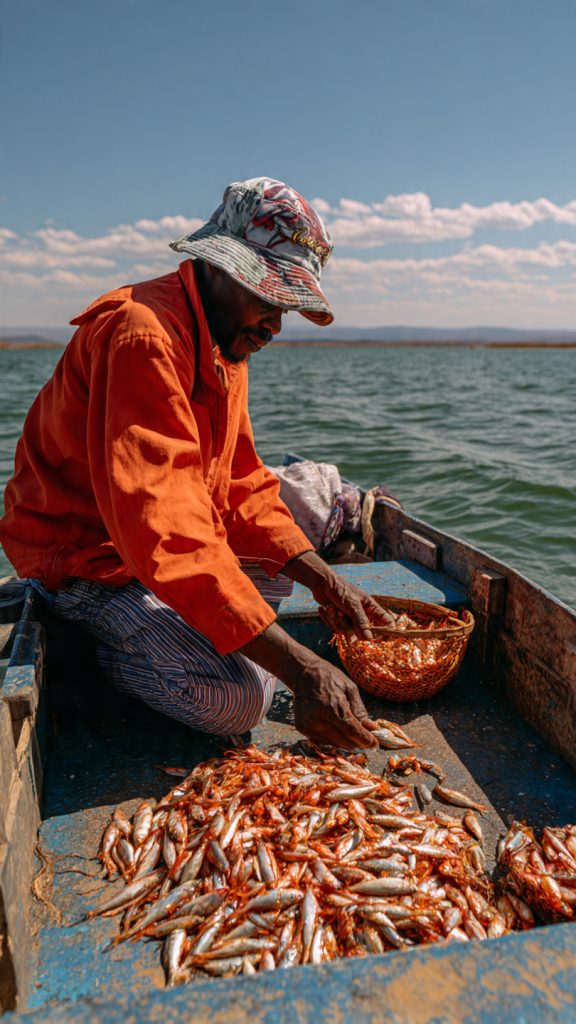
The Kapenta Trail: How Labor Migration Created Southern Africa’s Most Unlikely Food Network

Migration on the Menu: Kapenta, Food, and Health Following fish, families, and farming knowledge from Lake Kariba to the Cape Opening: A Fish That Travels Further Than People In 2023, dried kapenta from Lake Kariba appeared in informal markets across Johannesburg, Cape Town, and Gqeberha. Alongside mielie meal and tomatoes, traders sold it to low-income

The Kapenta Trail: How Labor Migration Created Southern Africa’s Most Unlikely Food Network Read More »

HIV, TB, HIV/TB co-infection, migrants, migrant health, migration health, mobile populations, undocumented migrants, cross-border health, South Africa, Limpopo, Gauteng, Zimbabwean migrants, Mozambican migrants, Malawian migrants, refugee health, asylum seekers, ART, antiretroviral therapy, TB treatment, treatment continuity, healthcare access, medical xenophobia, xenophobia, health disparities, circular migration, seasonal migration, border health, SADC health coordination, Musina Model of Care, peer educators, community health workers, differentiated service delivery, multi-month dispensing, patient-held health records, mobile clinics, outreach services, cross-border referral, health policy, National Health Strategic Plan, NSP 2023-2028, maternal health, gender-based violence, sexual violence, mental health, social determinants of health, economic precarity, housing conditions, informal settlements, healthcare barriers, health system gaps, regional coordination, migration-aware programming, culturally competent care, anti-discrimination training, healthcare legal rights, mobile population interventions, public health policy, health outcomes, UNAIDS targets, chronic disease management, rural healthcare, urban healthcare, clinic access, healthcare inclusion, patient support programs, health advocacy, civil society interventions, healthcare research, implementation science, health information systems, cross-border patient tracking, differentiated care models, health equity, patient retention, viral suppression, ART adherence, TB prevention, healthcare infrastructure, peer-led programs, healthcare scalability, migrant-led initiatives, occupational health, farm worker health, HIV testing, TB testing, health literacy, health education, psychosocial support, migration-related vulnerabilities, cultural competency, healthcare quality improvement, NGO healthcare support, regional health policy, cross-border treatment protocols, mobile health interventions.

How Can South Africa’s Healthcare System Better Support Migrants with HIV/AIDS and TB Co-Infections?

Bridging the Treatment Gap: Supporting Migrants with HIV/AIDS-TB Co-Infections in South Africa When Borders Become Barriers: The Silent Crisis Thirty-five-year-old Grace* travels between Zimbabwe and South Africa’s Limpopo province every three months. She works on commercial farms near Musina during harvesting seasons. Grace lives with both HIV and tuberculosis (TB), requiring consistent medication for both

How Can South Africa’s Healthcare System Better Support Migrants with HIV/AIDS and TB Co-Infections? Read More »

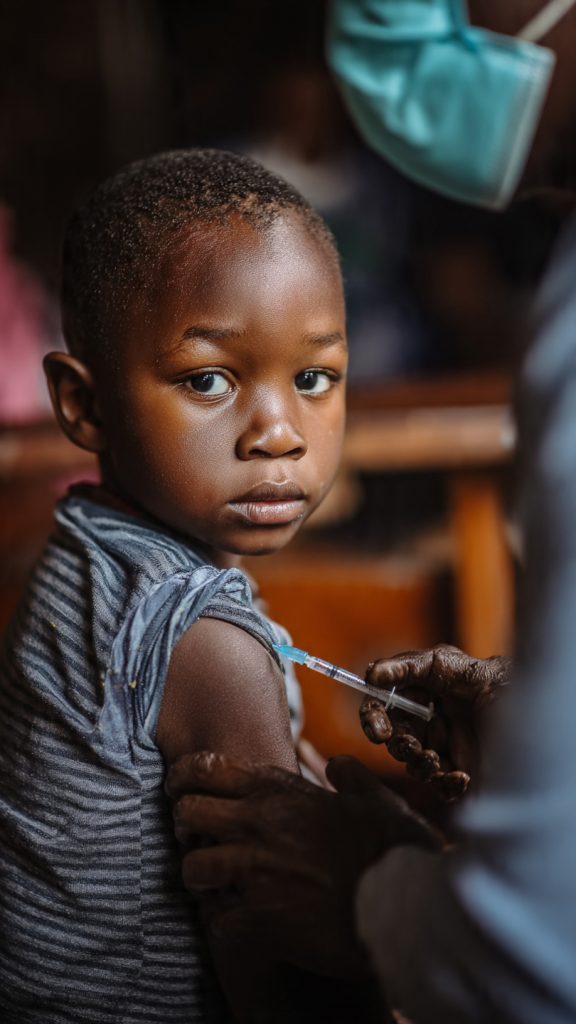
migrant health South Africa, cross-border migration, vaccination coverage, immunization gaps, measles outbreaks, polio resurgence, tuberculosis transmission, urban settlements, informal settlements, public health risk, herd immunity, undocumented migrants, child immunization, adult vaccination, migration health policy, National Department of Health South Africa, Expanded Programme on Immunisation (EPI), catch-up vaccination, migrant-sensitive healthcare, disease surveillance, environmental surveillance, vaccine-preventable diseases, health equity, healthcare access barriers, mobile clinics, NGO health programs, community-based vaccination, TB treatment continuity, immunization data gaps, high-density housing, infectious disease outbreaks, migrant children, health system strengthening, WHO South Africa, NICD reports, public health interventions, policy recommendations, cross-municipality migration, socio-economic vulnerability, ethical health provision, measles vaccination campaign, polio monitoring, migrant-inclusive health policy.

How Does Incomplete Vaccination Coverage Among Cross-Border Migrants Threaten Disease Outbreaks in South African Communities?

Incomplete Vaccination Among Migrants and Disease Risks in South Africa Opening — a warning from 2025 In 2025, National Institute for Communicable Diseases (NICD) data reported over 1,900 confirmed measles cases in South Africa by November, with the majority concentrated in urban provinces such as Gauteng. NICD+2IOL+2 Meanwhile, ongoing cross‑border migration — both regional and

How Does Incomplete Vaccination Coverage Among Cross-Border Migrants Threaten Disease Outbreaks in South African Communities? Read More »

Malawian migrants, Limpopo, South Africa, health-seeking behavior, traditional medicine, biomedical healthcare, dual healthcare utilization, migrant health, access to healthcare, cultural beliefs, traditional healers, public clinics, maternal health, chronic illness, infectious disease, TB, HIV, malaria, community health workers, mobile health units, healthcare policy, National Health Act, Traditional Health Practitioners Act, undocumented migrants, language barriers, xenophobia, health disparities, integration of traditional medicine, culturally sensitive care, NGO interventions, healthcare outreach, migrant communities, healthcare access barriers, intersectional factors, gender and health, age and health, healthcare programs, evidence-based interventions, migrant health outcomes, South African health policy, health education, mobile clinics, referral systems, digital health solutions, sustainable healthcare models, community-based care, ethical healthcare, patient-centered care, dual treatment approaches, health policy gaps, migrant-focused programs.

Traditional Medicine Practices vs. Biomedical Healthcare: Health-Seeking Patterns of Malawian Migrants in Limpopo

Traditional Medicine vs. Biomedical Healthcare: Health-Seeking Patterns of Malawian Migrants in Limpopo Understanding the Health-Seeking Landscape Malawian migrants in Limpopo navigate complex healthcare options. For instance, a 2023 survey found that over 60% rely on traditional healers annually, while 45% access public clinics. Consequently, migrants often alternate between systems depending on illness severity and accessibility.

Traditional Medicine Practices vs. Biomedical Healthcare: Health-Seeking Patterns of Malawian Migrants in Limpopo Read More »

Mental health, East African migrants, Durban, migrant health, help-seeking behavior, mental health challenges, refugees, asylum seekers, trauma, anxiety, depression, psychosocial support, community health workers, migrant-friendly services, cultural competency, language barriers, xenophobia, gender-based violence, documentation status, South Africa health policy, National Mental Health Policy, public health, NGO programs, faith-based support, trauma-informed care, migrant rights, social support networks, mental health access, mental health services, migrant women, youth migrants, undocumented migrants, COVID-19 impact, mobile clinics, tele-mental health, inter-sectoral collaboration, migrant community initiatives

Mental Health Challenges and Help-Seeking Behaviors Among East African Migrants in Durban

Durban East African Migrants: Mental Health and Support Access Introduction: A Crisis Hidden in Everyday Life Every morning, the Durban Inner City Clinic sees long queues of migrant workers seeking help. Many come from Somalia, Ethiopia, Eritrea, and South Sudan. Most wait quietly, but behind the calm lie stories of trauma, displacement, economic stress, and

Mental Health Challenges and Help-Seeking Behaviors Among East African Migrants in Durban Read More »

Mozambican migrants, HIV treatment, HIV care, South Africa, migrant health, antiretroviral therapy, ART adherence, cross-border health, migration health policy, undocumented migrants, asylum seekers, xenophobia in healthcare, Gauteng HIV services, Johannesburg migrants, Tshwane health access, migrant women, male mineworkers, occupational health, language barriers, cultural barriers, health system overload, community health workers, mobile clinics, peer navigators, cross-border ART, public health justice, NHI Act, HIV policy gaps, circular migration, HIV knowledge, ART continuity, migrant discrimination, healthcare access barriers, HIV co-morbidities, TB and HIV, Mozambican workforce, health system equity

What Barriers Do Mozambican Migrants Face When Accessing HIV/AIDS Treatment in South African Clinics?

Between Borders and Barriers: What Mozambican Migrants Face in Accessing HIV Treatment in South Africa Opening: When Borders Block Lifesaving Care In a cramped hostel on the edge of Johannesburg, a 34-year-old Mozambican miner — Pedro — skipped his monthly clinic appointment. His employer refused him time off, and his identity document lacked updated work

What Barriers Do Mozambican Migrants Face When Accessing HIV/AIDS Treatment in South African Clinics? Read More »

Okavango Delta, Botswana, Namibia, Angola, South Africa, climate migration, environmental stress, drought, water scarcity, livelihood loss, transboundary migration, migration health, cross-border movement, public health, health systems, migrant vulnerability, undocumented migrants, women migrants, children migrants, older adults, TB, HIV, maternal health, mental health, informal settlements, xenophobia, policy gaps, SADC, OKACOM, community-based adaptation, mobile clinics, climate-smart agriculture, migration monitoring, health access, primary healthcare, livelihood diversification, intersectional vulnerabilities, climate change, floodplain agriculture, tourism, migration policy, transnational health, public health preparedness, migration research, health equity, emergency medical services, migrant-inclusive clinics.

How might the drying of the Okavango Delta affect migration patterns across Botswana, Namibia, and Angola—and what does this mean for South Africa?

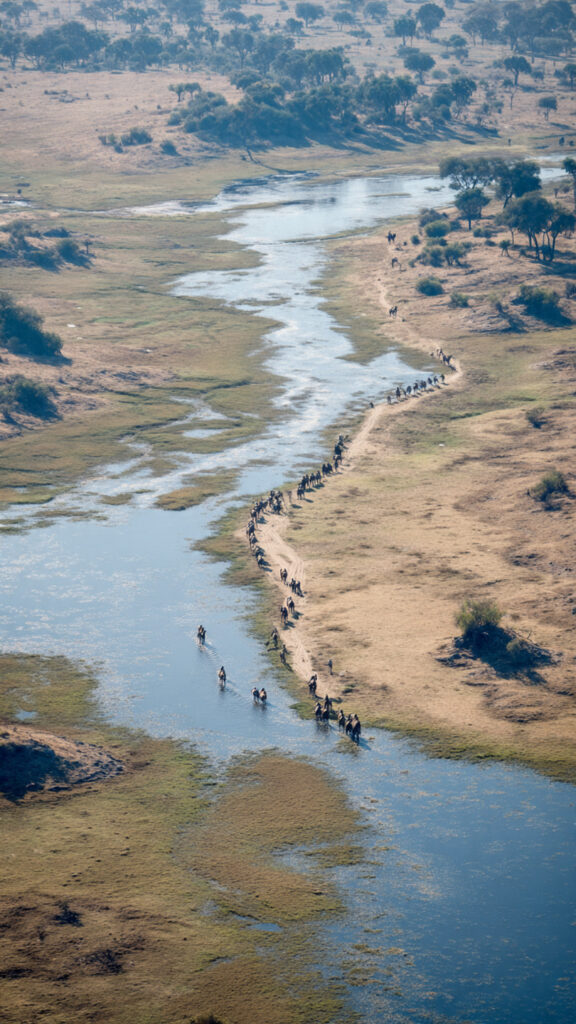
Drying of the Okavango Delta: Migration Health Implications for Botswana, Namibia, Angola and South Africa The Okavango Delta, one of Botswana’s iconic ecosystems, is facing severe environmental stress. Rainfall in the Delta catchment—the Angolan highlands and Namibia—has dropped to the lowest levels since 1981. (neweralive.na) Six villages in the Boro/Xharaxao area were abandoned due to

How might the drying of the Okavango Delta affect migration patterns across Botswana, Namibia, and Angola—and what does this mean for South Africa? Read More »

Karoo, drought, pastoral communities, livestock, rangeland, migration, internal migration, rural-urban migration, Northern Cape, Western Cape, Eastern Cape, South Africa, migration health, drought response, livelihood adaptation, pastoralist relocation, climate stress, destocking, transhumance, circular migration, youth migration, gendered mobility, health access, social protection, informal settlements, mobile clinics, rural development, policy gaps, livelihood diversification, migration policy, drought monitoring, food security, water scarcity, mental health, zoonotic risk, municipal planning, skills training, non-livestock income, remittances, early warning systems, drought-induced migration

How do recurring droughts in the Karoo region affect pastoral communities’ decisions to relocate, and where are they going?

When the Pasture Runs Thin: Drought & Mobility in the Karoo Region Opening: A pastoral crisis in motion In South Africa’s arid heartland, the Karoo stands out. The Central Karoo alone recorded a mere 53 mm rainfall in 2019 and 66 mm in 2020, marking one of its driest stretches in memory. agriorbit.com Over the same period livestock

How do recurring droughts in the Karoo region affect pastoral communities’ decisions to relocate, and where are they going? Read More »

undocumented migrant workers, South Africa, agriculture sector, mining sector, human rights violations, migrant labour, labour exploitation, unsafe working conditions, occupational health, gender-based violence, sexual harassment, migrant health, TB prevalence, silicosis, pesticide exposure, wage theft, child labour, labour inspections, legal protections, Constitutional rights, National Health Act, Basic Conditions of Employment Act, Employment Equity Act, Immigration Act, xenophobia, healthcare access, maternal health, mental health, psychosocial stress, informal mining, artisanal miners, zama-zamas, NGO interventions, MSF migrant clinics, Scalabrini Centre, Legal Resources Centre, worker cooperatives, FairPlay Movement, policy recommendations, labour policy gaps, intersectoral coordination, regional migration, SADC health protocols, migrant women, migrant children, foreign nationals, Mozambican workers, Zimbabwean workers, Lesotho workers, Limpopo, Mpumalanga, North West Province, Gauteng, Western Cape, Stilfontein mine tragedy, South African Human Rights Commission, International Labour Organization, occupational diseases, health outreach programs, migrant advocacy, labour rights enforcement, mobile clinics, rural migrant communities, intersectional vulnerability, social protection, public health risks, ethical sensitivity, evidence-based solutions, research gaps, migration health policy, human dignity, worker safety.

Undocumented Migrants in Agriculture & Mining: Human Rights at Risk in South Africa

 Undocumented Migrant Workers in South Africa Introduction: The Invisible Backbone of South Africa’s Economy South Africa’s agriculture and mining industries rely heavily on migrant labour. Yet, behind this economic contribution lies a hidden crisis. Undocumented migrant workers—primarily from Zimbabwe, Mozambique, Malawi, and Lesotho—face severe human rights violations that threaten their health, safety, and dignity. In

Undocumented Migrants in Agriculture & Mining: Human Rights at Risk in South Africa Read More »