
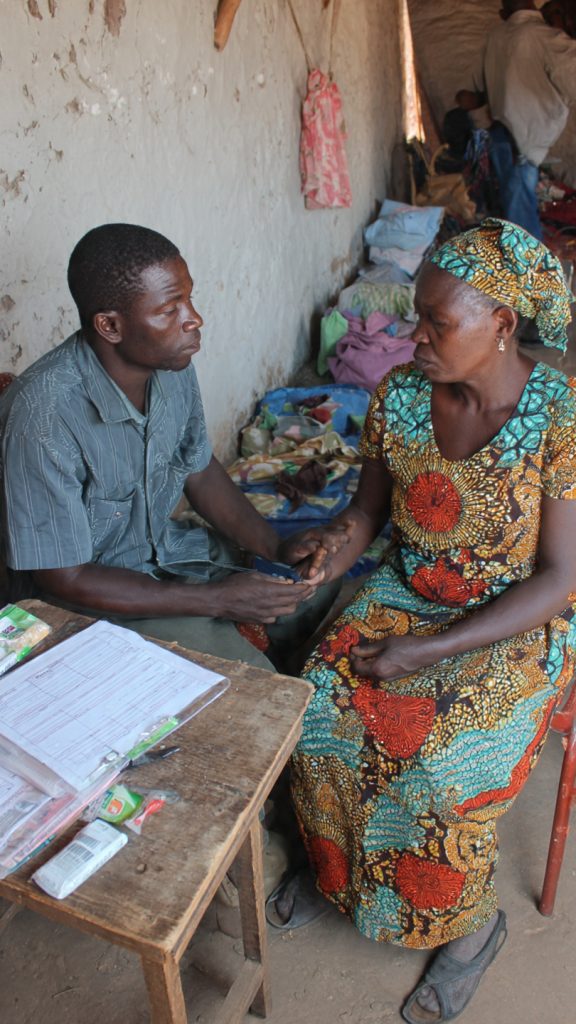
Traditional Medicine vs. Biomedical Healthcare: Health-Seeking Patterns of Malawian Migrants in Limpopo
Understanding the Health-Seeking Landscape
Malawian migrants in Limpopo navigate complex healthcare options. For instance, a 2023 survey found that over 60% rely on traditional healers annually, while 45% access public clinics. Consequently, migrants often alternate between systems depending on illness severity and accessibility.
Case in point: James, a 37-year-old farmworker, initially sought herbal remedies for back pain. However, when his condition worsened, he visited a clinic. This story illustrates the cultural and practical factors shaping health choices.
Policy Landscape and Gaps
Access to Healthcare
South Africa guarantees public healthcare for all residents, including migrants. Nevertheless, policy implementation often falters due to documentation requirements, language barriers, and xenophobia. Therefore, many migrants delay seeking biomedical care until illnesses become severe.
Integration of Traditional Medicine
The Traditional Health Practitioners Act (2007) recognizes traditional healers. Yet, integration with clinics remains minimal. Referral systems are absent, and collaboration is inconsistent. As a result, migrants navigate parallel systems with limited guidance.
Empirical Evidence from Limpopo and Other Cities
Health-Seeking Trends
Recent studies (2020–2025) show clear patterns:
-
Polokwane and Tzaneen: Traditional remedies are preferred for musculoskeletal issues and minor infections. Clinics are used for HIV, TB, and childbirth.
-
Mopani and Vhembe Districts: Cultural beliefs influence early-stage care. In contrast, migrants in Johannesburg and Pretoria rely more on public clinics, though traditional practices remain influential.
Health Outcomes
Dual healthcare utilization can delay diagnosis. For example, TB symptoms initially treated with herbs often result in advanced disease stages upon clinic presentation. Conversely, traditional remedies sometimes support adherence to biomedical treatment.
Intersectional Factors Influencing Health-Seeking
-
Gender: Women prioritize maternal health but face mobility constraints. Men often delay care until severe illness.
-
Age: Older migrants rely more on traditional medicine due to mobility limitations.
-
Documentation Status: Undocumented migrants fear arrest and avoid clinics.
-
Cultural Familiarity: Shared language with healers fosters trust.
-
Economic Status: Limited income drives reliance on cheaper remedies.
Case Studies
Maternal Health in Tzaneen
Fatima, 29, initially consulted a traditional birth attendant for complications. However, severe issues required referral to a district hospital. Postpartum, she continued using herbal remedies, illustrating dual system reliance.
Chronic Illness in Polokwane
Joseph, 45, combined clinic medication with herbal infusions. Yet, lack of coordination risked drug interactions. This highlights the need for integrated care pathways.
Infectious Disease in Vhembe
During a malaria outbreak, migrants initially used herbal treatments. Consequently, severe cases required hospitalization. NGOs intervened with mobile clinics and education, demonstrating effective community-based responses.
Innovative Programs and Best Practices
Community Health Worker Programs
CHWs bridge gaps between clinics and migrant communities. In addition, they provide culturally sensitive guidance and accompany patients to clinics, improving adherence.
Collaboration with Traditional Healers
Pilots in KwaZulu-Natal and Gauteng trained healers to identify TB and HIV symptoms. Thus, early diagnosis improved while fostering mutual respect between systems.
Mobile Health Units
Mobile clinics bring services to farms and informal settlements. Meanwhile, they provide education and immunizations, reaching migrants who rely solely on traditional remedies.
Digital Health Solutions
Apps and SMS campaigns in Chichewa and English enhance awareness. As a result, migrants increasingly seek timely biomedical care.
Recommendations
Short-Term (0–12 months)
-
Train traditional healers to recognize red-flag symptoms.
-
Provide translation services in Chichewa and Tumbuka.
-
Launch awareness campaigns about migrants’ healthcare rights.
-
Deploy mobile units to high-density settlements.
Medium-Term (12–36 months)
-
Establish referral systems between healers and clinics.
-
Expand CHWs in migrant-dense areas.
-
Monitor dual healthcare utilization.
-
Review policies reducing documentation barriers.
Long-Term (36–60 months)
-
Integrate traditional medicine into national migrant health strategies.
-
Secure funding for collaborative programs.
-
Collect longitudinal data on health outcomes.
-
Build cross-sector partnerships for sustainable care.
Ethical Considerations
Programs must respect cultural practices. Furthermore, data collection should prioritize confidentiality and informed consent. Avoid stigmatizing traditional medicine, recognizing its cultural importance.
Conclusion: A Call to Action
Malawian migrants navigate dual healthcare systems shaped by culture, access, and policy gaps. Policymakers must reform documentation rules, integrate traditional medicine, and fund migrant programs. Healthcare providers should build cultural competence and collaborate with traditional healers. NGOs must expand outreach and mobile services. Researchers need to generate data on migrant health outcomes to inform evidence-based interventions.
Updated References with Links
-
Gumede L., Nkosi P.B., Sibiya M.N. (2023). Allopathic Medicine Practitioners’ perspectives on facilitating disclosure of traditional medicine use in Gauteng, South Africa: a qualitative study. BMC Complementary Medicine and Therapies, 23, 451. DOI: https://doi.org/10.1186/s12906-023-04270-8 SpringerLink
-
Masemola F.J., Thobakgale E.M., Govender I. (2023). Integration of traditional medicine into the mental healthcare system in Tshwane, South Africa. South African Family Practice, 65(1). https://doi.org/10.4102/safp.v65i1.5636 safpj.co.za
-
“TB in South Africa: delays in seeking care and the role of traditional healers.” (2024). Health‑e News. https://health-e.org.za/2024/10/04/tb-in-south-africa-delays-in-seeking-care-and-the-role-of-traditional-healers/ Health-e News
-
“Traditional and modern medicine: An integrated path to health and healing.” (2024). TB Accountability Consortium. https://tbac.org.za/2024/08/tradition-african-tb/ tbac.org.za
-
“Traditional healers in rural Mpumalanga help diagnose HIV.” (2023, 7 August). Wits University News. https://www.wits.ac.za/news/latest-news/research-news/2023/2023-08/traditional-healers-in-rural-mpumalanga-help-diagnose-hiv.html Wits University
-
MRC/Wits Agincourt Research Unit (2023). “Ntirhisano: Traditional Healers Project.” — see Wits University News page above. Wits University
-
“Internal migration and health in South Africa: determinants of healthcare utilisation in a young adult cohort.” (2021). Journal of Migration and Health, cohort study of Agincourt sub-district migrants. PubMed: https://pubmed.ncbi.nlm.nih.gov/33743663/ PubMed
-
Thembelihle Zuma, Daniel Wight, Tamsen Rochat & Mosa Moshabela. (2017). Traditional health practitioners’ management of HIV/AIDS in rural South Africa in the era of widespread antiretroviral therapy. Global Health Action, 10:1, 1352210. DOI: https://doi.org/10.1080/16549716.2017.1352210 Johns Hopkins School of Nursing
Recent Posts:
- Mental Health Challenges and Help-Seeking Behaviors Among East African Migrants in Durban
- The Role of Informal Food Markets in Sustaining Migrant Communities Across South African Cities
- Food Security and Coping Strategies Among Congolese Refugee Households in Cape Town
- Healthcare Access Barriers for Undocumented African Migrants in Gauteng Province: A Public Health Analysis
- Nutritional Transitions Among Zimbabwean Migrants in Johannesburg: From Traditional Diets to Urban Food Systems