Covid19 and Migration

vaccination rights South Africa, migrant vaccination barriers, undocumented migrants healthcare, immunisation policy South Africa, constitutional right to healthcare, Section 27 health rights, access to vaccines migrants, public health migration, migrant children immunisation, COVID-19 vaccination migrants, EPI-SA vaccination program, healthcare discrimination South Africa, xenophobia in healthcare, cross-border migrants South Africa, migrant public health risks, vaccination coverage gaps, migrant health rights, health system barriers migrants, legal entitlement to healthcare SA, migrant inclusion in public health, vaccination programme equity, healthcare access Constitution SA, migrant exclusion impact, migrant immunisation statistics, vulnerable populations vaccination, vaccination outreach strategies, rights-based public health, policy reform migrant healthcare, national immunisation challenges, SA Health Department migrant access, emergency healthcare undocumented, community health organisations migrants, migrant health surveillance, migrant disease prevention, immunisation legal framework South Africa

What Are the Legal and Ethical Obligations for Vaccinating Undocumented Migrants in South Africa?

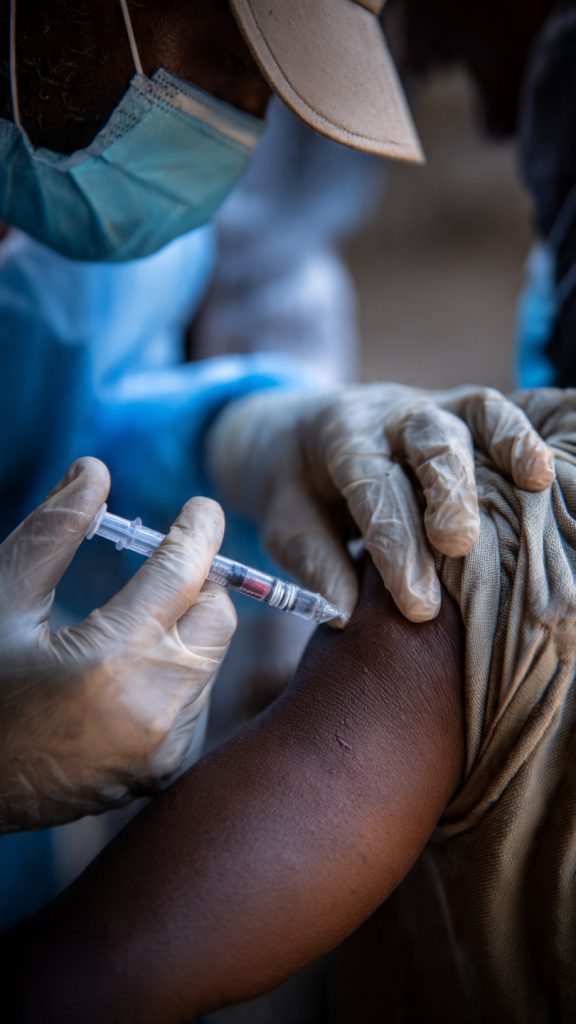
Legal and Ethical Obligations for Vaccinating Undocumented Migrants in South Africa: Human Rights Frameworks, Public Health Priorities, and Policy Gaps A 32-year-old Zimbabwean woman, eight months pregnant, stands outside Hillbrow Clinic in Johannesburg. She carries her expired asylum seeker permit—rendered useless by bureaucratic delays at the Department of Home Affairs. Inside, a nurse turns her […]

What Are the Legal and Ethical Obligations for Vaccinating Undocumented Migrants in South Africa? Read More »

COVID-19, border closures, South Africa, Zimbabwe, informal cross-border traders, ICBT, migration health, women traders, livelihood impact, economic vulnerability, informal trade, Musina, Beitbridge, gender-based violence, undocumented migrants, public health policy, COVID-19 pandemic, trade disruption, cross-border trade, food security, health risks, transport brokers, informal routes, pandemic response, social protection, policy gaps, digital adaptation, peer support networks, HIV, TB, pandemic preparedness, migration policy, small-trader corridor, health outreach, migrant communities, economic resilience, human rights, informal economy, COVID-19 lockdown, cross-border mobility, livelihood precarity, intersectional vulnerabilities, South African policy, Zimbabwean traders, border management, public health surveillance, economic loss, NGO advocacy, civil society support, pandemic mitigation.

How Did COVID-19 Border Closures Between South Africa and Zimbabwe Impact Informal Cross-Border Traders?

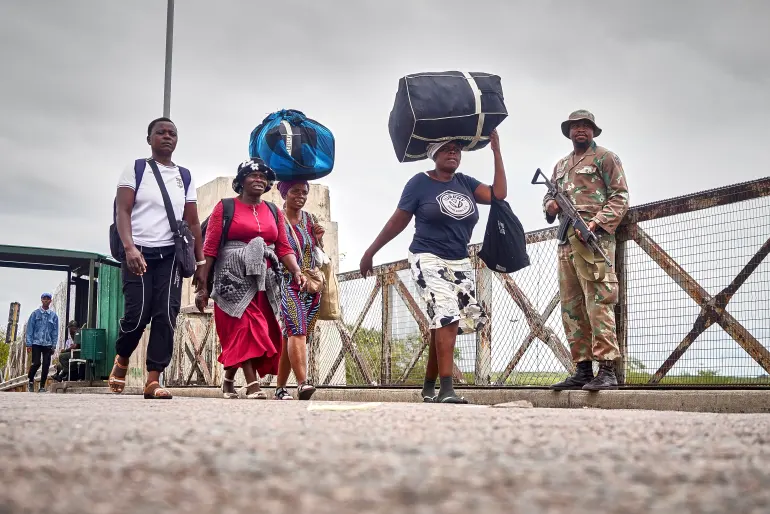
How COVID‑19 Border Closures Affected Zimbabwean Traders Opening: Lives Interrupted On 15 March 2020, Beitbridge Border Post — the key land‐border crossing between South Africa and Zimbabwe — effectively sealed for non‑essential human traffic when 35 of South Africa’s 53 land borders were closed to limit the spread of COVID‑19. ACCORD+2News24+2This seemingly technical public‐health decision rippled into the lives

How Did COVID-19 Border Closures Between South Africa and Zimbabwe Impact Informal Cross-Border Traders? Read More »

remittance costs, South Africa remittances, African migrants, SADC remittance corridors, migrant money transfers, high remittance fees, cross-border transfers, informal remittance channels, digital remittance solutions, mobile money, financial inclusion, migration health, migrant well-being, remittance policy, health equity, household resilience, Mozambique remittance, Zimbabwe remittance, Gauteng migrant transfers, Cape Town migrant women, migrant financial education, remittance regulation, remittance transparency, corridor-specific fees, fintech remittance solutions, low-cost remittances, international money transfer, remittance-linked health programs, migrant documentation status, migrant gender disparities, remittance research gaps, policy recommendations remittances

How Do Remittance Costs from South Africa Compare to Other African Host Countries?

South Africa’s Remittance Costs vs. Other African Countries Introduction Nomsa, a 29-year-old domestic worker from Malawi in Pretoria, sends ZAR 700 (~US$37) monthly to support her children. She pays ZAR 70 (~10%) in fees, reducing the funds available for essential needs. Across Southern Africa, millions of migrants face similar costs. Q1 2025 data show sending USD 200 from South

How Do Remittance Costs from South Africa Compare to Other African Host Countries? Read More »

spaza shops, street vendors, municipal by-laws, xenophobia, migrant traders, informal trade, economic exclusion, licensing requirements, South Africa, township economies, refugee entrepreneurs, selective enforcement, informal trading policy, community engagement, inclusive policies, digital platforms, A2Pay, South African Informal Traders Alliance, SAITA, food security, public health, economic inclusion, social cohesion, Durban street vendors, Atteridgeville, informal sector regulation, migrant rights, policy reform, small business support, township markets, informal business resilience, NGO support, civil society advocacy, equitable enforcement, municipal regulation, trading permits, economic marginalization, migration health, vulnerable populations, grassroots initiatives, ethical governance, policy gaps, stakeholder collaboration, informal trader empowerment, local government accountability, township entrepreneurship, digital innovation, regulatory barriers, urban informal economy, socio-economic integration, asylum seekers, refugee status, bureaucratic challenges, gender and age factors, nationality discrimination, documentation status, informal business sustainability, case studies South Africa, South African cities, public policy analysis, intersectional factors.

From Spaza Shops to Street Vendors: Municipal By-Law Enforcement as Xenophobic Tool

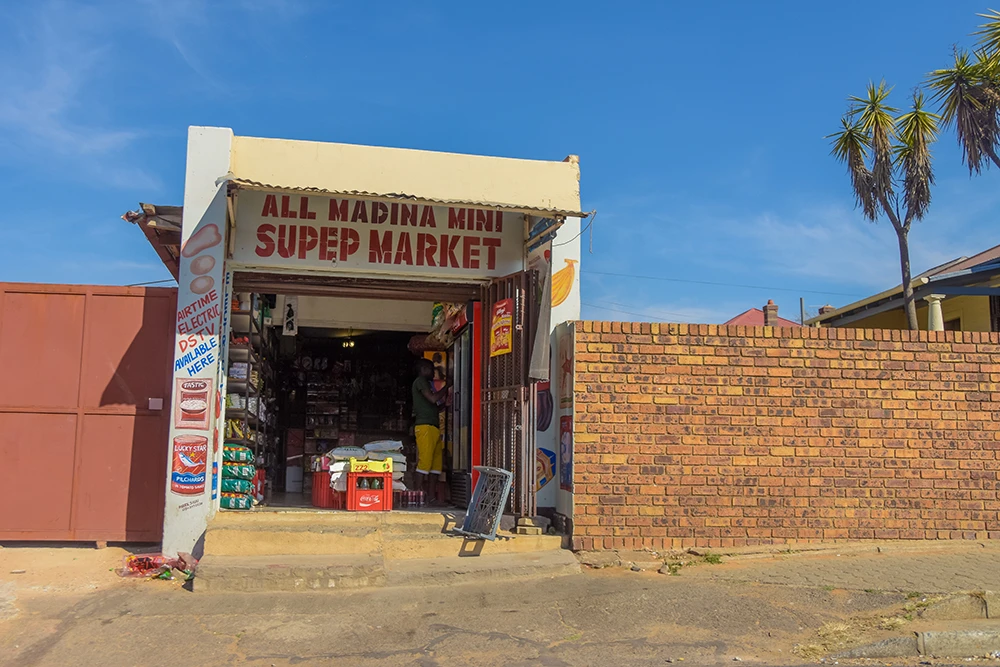
 Municipal By-Law Enforcement as a Xenophobic Tool Introduction: The Silent Crisis of Informal Traders In South Africa, informal traders—especially migrant-run spaza shops and street vendors—play a crucial role in township economies. These small enterprises provide affordable goods and services to underserved communities. However, municipal by-laws intended to regulate informal trade often become instruments of exclusion,

From Spaza Shops to Street Vendors: Municipal By-Law Enforcement as Xenophobic Tool Read More »

healthcare access South Africa, undocumented migrants, Section 27 Constitution, right to health, migrant health policy, healthcare denial, clinic staff training, xenophobia in healthcare, National Health Insurance Act, NHI Act 2023, Gauteng Department of Health, public health system South Africa, migrant maternal health, health rights advocacy, NGO interventions South Africa, Médecins Sans Frontières MSF, Scalabrini Centre, Sonke Gender Justice, migrant patient liaison, safe space clinics, mobile health clinics, legal framework for migrants, health policy reform, South African Health Department, emergency medical treatment, National Health Act, Refugees Act, Immigration Act, medical xenophobia, health equity, access to primary healthcare, migrant women and children, healthcare discrimination, migrant rights South Africa, human rights in healthcare, policy implementation gaps, healthcare exclusion, healthcare ethics, frontline health workers, healthcare governance, civil society health advocacy, border health Musina, Johannesburg clinics, Cape Town clinics, Limpopo health services, intersectionality migration health, refugee healthcare, SADC migrants, healthcare funding South Africa, healthcare accountability, migrant health research, public health recommendations South Africa, healthcare system reform, training gaps in healthcare, health ombuds reporting, right to emergency care, inclusion in NHI, constitutional health obligations, health system barriers, NGO healthcare partnerships, community health outreach, healthcare law South Africa, migrant patient experiences, medical ethics training, healthcare policy analysis, vulnerable populations in healthcare

Healthcare Denied: How Clinic Staff Turn Away Undocumented Migrants Despite Constitutional Rights

Healthcare of Undocumented Migrants  Constitutional Rights Opening: a real case and a stark statistic In 2023, a young Zimbabwean mother in a peri-urban township in Gauteng arrived at a public clinic in labour. She carried no documents, fearing arrest. Clinic staff told her she would need to pay upfront or produce a permit before being

Healthcare Denied: How Clinic Staff Turn Away Undocumented Migrants Despite Constitutional Rights Read More »

South African migration to UK, South African emigrants, South Africa-UK migration history, recent arrival myth, historical migration patterns, South African diaspora, Johannesburg emigration, Pretoria migrants, South African nurses in UK, skilled migration, NHS foreign workers, migration policy South Africa, UK immigration policy, professional accreditation, migrant health outcomes, migration case studies, diaspora support networks, bilateral agreements South Africa UK, migration integration, economic migration, political migration, post-apartheid emigration, colonial migration ties, intersectional migration factors, migrant mental health, migration workforce shortages, migrant rights, migration policy gaps, international cooperation in migration, South African expatriates, migration trends 2020-2025

The ‘Recent Arrival’ Myth: Historical Continuities in South African Migration to Britain

South African Migration to Britain Introduction: A Legacy of Migration The United Kingdom has long been a prominent destination for South African emigrants. According to the 2021 UK Census, 211,447 South African-born individuals resided in England, 15,253 in Scotland, 5,733 in Wales, and 2,627 in Northern Ireland. Wikipedia This enduring trend challenges the notion that

The ‘Recent Arrival’ Myth: Historical Continuities in South African Migration to Britain Read More »

gender and migration, Zimbabwean women migrants, UK migration from Zimbabwe, African female migration, patriarchal norms, gender roles in migration, feminist migration theory, transnational families, remittances and gender, Zimbabwe diaspora, migration health, intersectionality and migration, migrant women empowerment, migration policy analysis, African migration patterns, women and economic mobility, migrant care work, healthcare access for migrants, UK immigration policy, South African migration research, migration and social change, diaspora engagement, gendered labour migration, migration and identity, migrant women resilience, migration studies Africa, women’s rights and mobility, migration statistics 2020–2025, feminist policy analysis, global south migration, African diaspora women

Gender and Migration Myths: How Zimbabwean Women’s UK Migration Challenges Patriarchal Assumptions

Gender and Migration Myths Introduction: Feminising Migration Beyond the Stereotypes Between June 2023 and June 2024, 35,938 Zimbabwean nationals—mostly healthcare professionals—received UK work visas (The Observer Zimbabwe, 2024). Almost half of these migrants were women, many of them nurses and allied health workers. This surge marks a significant shift in Zimbabwe’s migration trends and challenges

Gender and Migration Myths: How Zimbabwean Women’s UK Migration Challenges Patriarchal Assumptions Read More »

second-generation Nigerian-Britons, Nigerian migrants UK, migrant integration, cultural identity, hybrid identity, assimilation, belonging, multicultural society, racial stereotyping, educational experiences, socialization, media representation, public perception, integration policies, inclusive education, community engagement, media literacy, culturally sensitive policies, youth empowerment, intersectionality, gender, age, nationality, documentation status, policy gaps, migrant support programs, peer mentorship, civic participation, multicultural pedagogy, diversity inclusion, migrant identity negotiation, social inclusion, migrant challenges, systemic barriers, hybrid cultural identity, migrant experiences UK, migrant youth programs, Nigerian diaspora, identity formation, policy recommendations, community-led initiatives, integration outcomes, migration health, ethnic minority youth, social cohesion, UK Nigerian community, migrant policy analysis

The ‘Failed Integration’ Narrative: Second-Generation Nigerian-Britons and Belonging

The ‘Failed Integration’ Narrative Introduction: Challenging the ‘Failed Integration’ Narrative In the UK, the children of Nigerian migrants—second-generation Nigerians—are often portrayed through a singular lens: as emblematic of integration failures. However, this narrative overlooks the multifaceted realities of their experiences. Recent studies indicate that second-generation Nigerian-Britons navigate a complex interplay of cultural identities, balancing their

The ‘Failed Integration’ Narrative: Second-Generation Nigerian-Britons and Belonging Read More »

Kenya diaspora, remittances, diaspora remittances, economic development, financial inclusion, dependency myth, Kenyan migrants, diaspora investment, real estate investment Kenya, education funding Kenya, healthcare funding Kenya, Nairobi remittances, Mombasa remittances, Eldoret remittances, diaspora case studies, financial literacy, diaspora engagement, public-private partnerships, Kenya development policy, migration economics, digital money transfers, mobile money Kenya, diaspora impact, sustainable development Kenya, Kenya economy, investment patterns, poverty alleviation, household income Kenya, diaspora-led projects, Kenyan migrant families, infrastructure development Kenya, Kenya financial sector, diaspora remittance programs, Kenyan urban development, cross-border finance, development financing, diaspora empowerment, Kenya rural development

Remittances and ‘Dependency’: Rethinking How Kenyan Diaspora Economics Actually Work

Remittances and ‘Dependency’ In 2024, Kenyans living abroad sent home an estimated USD 4.4 billion in remittances, marking an 18% increase from the previous year and surpassing revenues from traditional exports like coffee and tourism paymentology.com. This surge underscores the growing significance of diaspora remittances in Kenya’s economy. However, a prevailing narrative suggests that such

Remittances and ‘Dependency’: Rethinking How Kenyan Diaspora Economics Actually Work Read More »

Zimbabwean migration, South Africa migration, temporary migration, permanent migration, fluid migration patterns, migration intentions, political instability Zimbabwe, economic uncertainty Zimbabwe, migrant health, healthcare access migrants, undocumented migrants, mental health migrants, migration policy South Africa, migrant integration, migrant support programs, migrant case studies, migration health research, migration health policy, cross-border migration, Southern Africa migration, migrant resilience, migration cycles, migration social determinants, migrant inclusion, migrant legal status, migration epidemiology, public health migrants, migrant rights South Africa, migration challenges, Zimbabwean diaspora South Africa, migrant advocacy, migration policy reform, migrant services, health disparities migrants, migrant vulnerability, migration health interventions, migrant mental health services, evidence-based migration policy, intersectional migration analysis, gender and migration, age and migration, nationality and migration, documentation status migrants, ethical migration research, migration health gaps, migration health recommendations, migration health programs, community-led migrant support.

Temporary or Permanent? Debunking Settlement Myths About Zimbabwean Migration Patterns

 Zimbabwean Migration Patterns Introduction: The Fluidity of Zimbabwean Migration Zimbabwean migration to South Africa has long been characterized by a fluid interplay of temporary and permanent intentions. This complexity challenges simplistic categorizations and underscores the need for nuanced policy responses. In 2025, an estimated 911,981 Zimbabweans reside in Southern Africa, with a significant portion in

Temporary or Permanent? Debunking Settlement Myths About Zimbabwean Migration Patterns Read More »