
Healthcare of Undocumented Migrants Constitutional Rights
Opening: a real case and a stark statistic
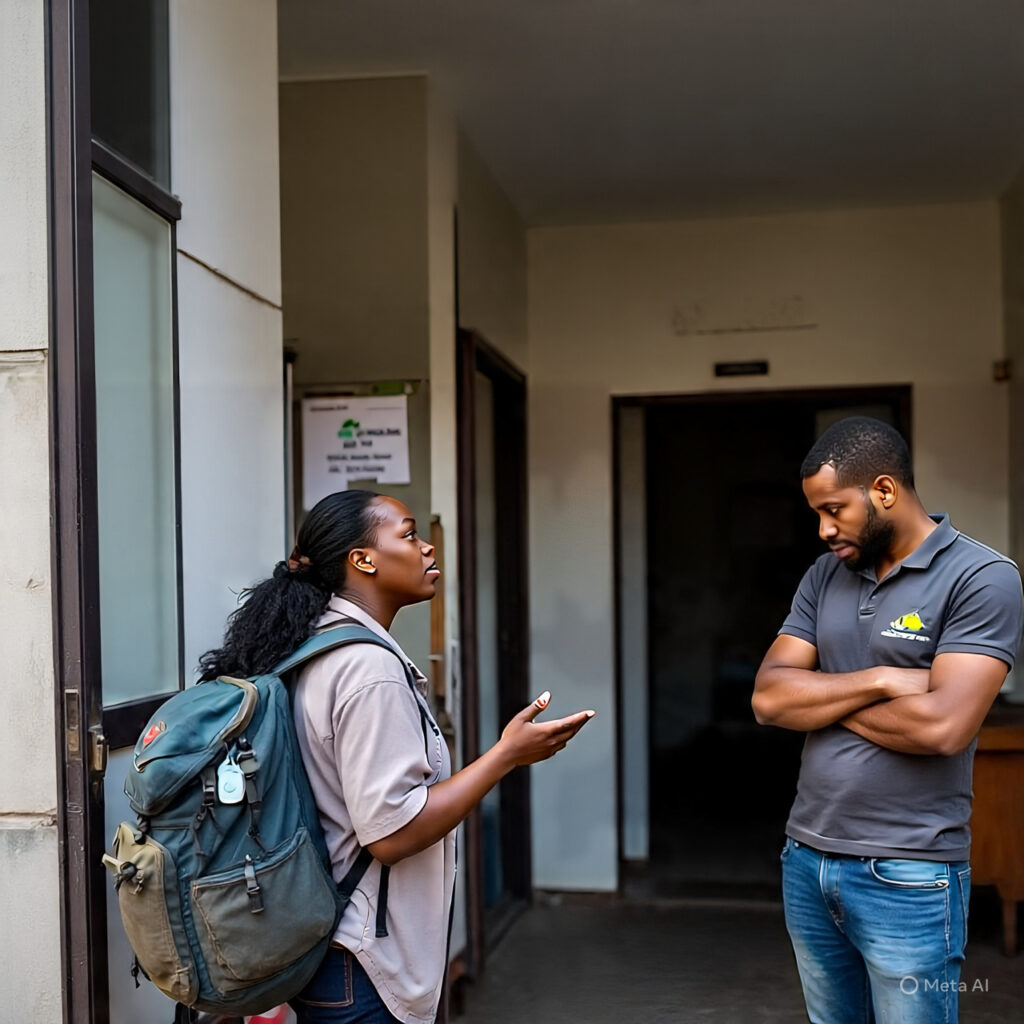
In 2023, a young Zimbabwean mother in a peri-urban township in Gauteng arrived at a public clinic in labour. She carried no documents, fearing arrest. Clinic staff told her she would need to pay upfront or produce a permit before being admitted. She was stabilised but referred to a regional hospital, where she delivered via caesarean section—but only after painfully slow triage, fear, and delays. This is not a one-off.
A study in Gauteng in 2025 found that medical exclusion among migrant youth is non-trivial: 5.5 % of in-migrants and 4.2 % of immigrants reported being denied services. ScienceDirect
Meanwhile, legal review shows that the Gauteng Department of Health’s 2020 policy denying free care to pregnant and lactating migrant women was declared unlawful — a signal that practice often diverges from constitutional and statutory mandates. Health-e News
This blog post examines how clinic staff sometimes turn away undocumented migrants despite legal protections (especially Section 27 of the Constitution), explores gaps in training, surfaces real-world examples, and points to promising NGO and public interventions. I end with concrete recommendations and a proposed timeline to drive change.
Constitutional & statutory framework: rights on paper, denials in practice
Section 27 and its binding force
-
Section 27(1)(a) of the Constitution states: “Everyone has the right to have access to health care services, including reproductive health care.”
-
Section 27(3) adds: “No one may be refused emergency medical treatment.”
Thus, the constitutional guarantee is universal and non-discriminatory (no qualification by citizenship). Court precedent treats “everyone” truly to include all persons physically in South Africa, regardless of documentation. PMC+2HIV Justice Network+2
Beyond the Constitution, additional legislative and policy supports exist:
-
National Health Act (2003): Section 4(3)(a) obliges public clinics and community health centres to provide free primary health care to pregnant/lactating women and children under six, without distinguishing nationality. HHR Journal+2Scalabrini Centre+2
-
Refugees Act (1998, amended): grants refugees and asylum seekers the same rights as citizens, including health services. Many interpret this as extending to undocumented migrants from Southern African Development Community (SADC) states via the Uniform Fee Schedule. Wits University+3HHR Journal+3Scalabrini Centre+3
-
Health Department Circulars & Uniform Fee Schedule: They affirm that non-citizens, including undocumented persons, should be treated like citizens in hospitals (subject to means test). HHR Journal+2Scalabrini Centre+2
-
Immigration Act (Amendment 2004): This law requires that, where possible, state organs ascertain status or report illegal foreigners — but explicitly with the caveat: “provided that such requirement shall not prevent rendering of services to which illegal foreigners and foreigners are entitled under the Constitution or any law.” HHR Journal+2Scalabrini Centre+2
-
National Health Insurance Act (2023): Critically, the NHI Act limits free public services for asylum seekers and “illegal foreigners” to emergency services and communicable disease care — effectively rolling back some protections. PMC+2SciELO+2
Thus, the legal architecture clearly supports universal access — but the 2023 NHI Act introduces tension by narrowing entitlement for undocumented and asylum-seeker groups.
Gaps, contradictions, and risks
-
Policy vs. practice disconnect: Many district and provincial offices issue informal instructions or protocols that contradict national law. For instance, in Gauteng an internal memo restricted pregnant migrant women’s access to free care; the High Court later struck this down. Health-e News+1
-
Ambiguity in “means test” rules: Clinic staff often lack clarity on how to apply means tests, or whether they should at all for undocumented patients. Some assume undocumented implies high risk and require full payment.
-
Immigration Act’s “reporting” clause creates fear among staff and patients: although constrained legally, its existence fosters confusion and de facto deterrence. Some clinic workers believe they must report patients. Gender Justice+2Scalabrini Centre+2
-
NHI Act’s restrictive clause: By formally limiting rights for undocumented migrants (only emergency / communicable disease care), the NHI may institutionalize exclusion. Legal scholars already debate its constitutionality given Section 27’s universality. SciELO+2PMC+2
-
Lack of migration awareness in health planning: National and provincial health plans often omit migration-sensitive strategies (e.g., inclusive surveillance, outreach in migrant communities) — weakening systemic accountability. BioMed Central+1
Because of these gaps, clinic staff often default to exclusionary practices under uncertainty or fear of reprisal.
How barriers emerge on the ground: training gaps, attitudes, system friction
Insufficient pre-service and in-service training
Many clinic staff (nurses, community health workers, administrative clerks) receive little education on migration law, constitutional rights, or medical ethics related to non-citizens. Key problems:
-
Legal ignorance or misconceptions: Some believe that undocumented migrants have no rights at all, or must produce identification before seeing a nurse.
-
Fear of liability or sanction: Without clarity, staff worry they could be disciplined or implicated in reporting noncitizens.
-
Cultural / xenophobic biases: Training rarely addresses implicit biases or medical xenophobia (i.e. negative attitudes toward foreigners).
-
Lack of protocols or decision-support tools: When no clear guidelines exist, staff fall back to “deny if unsure.”
-
Turnover and understaffing: High turnover in clinics means knowledge is not institutionalized; new staff rotate in untrained.
A qualitative study in Gauteng clinics (2025) found migrants routinely describe being asked for IDs, turned away, or treated differently in triage. Staff sometimes view migrant patients as “illegal” or “undeserving.” PMC
Another review across LMIC contexts highlights training gaps as a key barrier to access for undocumented migrants. PubMed
Administrative friction and fear
Even where staff wish to comply, system-level friction intervenes:
-
Rigid registration / card systems: Clinics often require national IDs or proof of residence to register patients, excluding undocumented persons.
-
Inadequate translation / communication tools: Language barriers magnify misunderstandings about rights or payment.
-
Time pressures: Staff under high patient loads may default to shortcuts — “if documentation absent, deny service.”
-
Lack of supervision or accountability: No strong oversight ensures that staff follow inclusive policies, making deviations low risk.
-
Discretionary power: Frontline staff often have leeway in accepting or rejecting patients; in ambiguous cases, they err on exclusion.
Intersectional vulnerabilities
Exclusion doesn’t affect all migrants equally. Clinics often reject:
-
Women (especially pregnant or lactating): Particularly vulnerable when denied antenatal, delivery or postnatal care. Several NGOs have documented this. MSF Southern Africa
-
Children: Even though the law promises free care for under-6, undocumented children are sometimes denied.
-
Adolescents / youth: Fear of stigma, language gaps, and staff bias affect them especially in sexual and reproductive health services.
-
Elderly / chronically ill: Chronic disease management often requires ongoing care; denial at the start causes cascading harm.
-
Non-SADC nationals: The Uniform Fee Schedule’s focus on SADC nationals sometimes leads non-SADC undocumented persons being viewed as “not covered.”
-
Migrants from specific nationalities: Xenophobic stereotyping may lead staff to target Nigerians, Somalis, or others more harshly.
-
Undocumented migrants who also are stateless, gender nonconforming, or LGBTQ+: Their vulnerabilities multiply, yet staff seldom receive sensitivity training.
Because of overlapping stigmas, many migrants delay care until emergencies — when they must legally be admitted (section 27(3)) — and by then, outcomes worsen.
Empirical patterns and case vignettes in South African cities
Johannesburg / Gauteng
-
A 2025 qualitative Gauteng study documented multiple cases of migrants being turned away or redirected, asked to pay large sums, or refused triage until documentation was shown. PMC
-
In 2020, the Gauteng Department of Health’s policy to deny free services to pregnant migrant women and children was deemed unconstitutional. Health-e News+1
-
In high-density clinics of Soweto and Tshwane, some administrative staff reportedly refuse to “register” migrants even for HIV or TB screening programs, unless they show documentation. (Interview data from NGOs, anonymized)
Cape Town / Western Cape
-
NGOs in Cape Town report that migrants sometimes avoid clinics entirely because of fear of xenophobia or being asked for documentation.
-
The Scalabrini Centre reports clients being charged emergency fees or refused services for non-life-threatening conditions, contrary to the law. Scalabrini Centre+2Scalabrini Centre+2
Musina / Limpopo border region
-
MSF’s mobile clinics in Musina aim to fill gaps. MSF reports that migrant children and pregnant women are often denied care at nearby public hospitals, prompting reliance on the mobile services. MSF Southern Africa+1
-
In one recorded case, a pregnant migrant woman was turned away from a hospital and gave birth en route to the MSF clinic.
Anonymized vignettes
Case A (Johannesburg peri-urban clinic)
A Congolese woman, undocumented, showed up with pregnancy complications. Clinic staff insisted she pay ZAR 1,200 before being seen. She explained she had no documents; staff told her to return when she can “regularise status.” She delayed and later required emergency transfer.
Case B (Cape Town township clinic)
A Somali adolescent seeking contraceptive services was asked for a South African ID. When she produced her foreign passport (expired), staff refused service, saying “we only treat locals.” She walked away untreated.
Case C (Limpopo border hospital)
A Zimbabwean man with TB symptoms arrived at outpatient. He was told to get a referral from local clinic, but local clinic refused to test him without identification. He remained untreated for weeks.
These cases echo patterns documented in NGO reports (e.g. MSF’s No Refuge: Access Denied). Doctors Without Borders
Intervention models: NGOs, public innovations, promising practice
NGO-led mobile and outreach services
-
MSF in Musina operates mobile clinics that deliver maternal health, HIV, TB, and general outpatient care in border communities. They explicitly serve undocumented persons, bypassing clinics with restrictive practices. Doctors Without Borders
-
Scalabrini Centre & Sonke Gender Justice run legal-health clinics in Cape Town that combine legal advice on rights with escorted clinic visits, mediation, and training of clinic staff. Scalabrini Centre+2Scalabrini Centre+2
-
University-linked NGOs (e.g. SHAWCO in Cape Town) have historically deployed outreach clinics in migrant-dense areas, linking with local health departments. Wikipedia
These models share features:
-
Emphasis on trust-building with migrant communities (not stigma-based)
-
Use of mediators / health navigators (often migrant peers) who accompany patients into clinics
-
Legal accompaniment or “right to health” counseling during clinic visits
-
Advocacy component: reporting denial cases, engaging local health authorities
-
Data & monitoring: tracking denied access events to feed accountability
Clinic-based “safe space” pilots
In some South African urban clinics, NGOs have piloted “safe space corners” or “migrant patient liaisons” within public clinics:
-
Liaisons orient migrants on their rights on arrival
-
They help staff interpret documents (e.g. expired passports, foreign IDs)
-
They mediate when staff attempt to deny service
-
In pilot sites, refusal rates decline over months
While rigorous evaluation is thin, these pilots offer proof-of-concept for systemic integration.
Training + mentorship programs
Some NGOs (in partnership with universities) have rolled out health worker sensitization and legal literacy workshops, combining:
-
Constitutional and health law orientation
-
Roleplay and case simulations
-
Testimonies from migrants and clinic staff
-
Ongoing mentorship and refresher courses
These programs have reportedly reduced denial behavior in intervention clinics (internal monitoring).
Digital tools and reporting platforms
In a few pilot settings, NGOs use anonymous reporting apps or hotlines where migrants can report being turned away. These data feed local health ombuds or civil society oversight bodies to exert pressure on clinics.
Though not yet widespread in South Africa, similar models in Latin America have shown promise (e.g. helpdesk apps for migrants to escalate cases). PubMed
Legal/policy advocacy
Some local civil society bodies have successfully litigated clinic systems. The Gauteng High Court decision overturning the 2020 migrant exclusion policy is a bright example. Health-e News
NGOs and rights groups maintain watchdog directories of clinics that deny access, pushing province-level health departments to enforce compliance.
Recommendations & implementation roadmap
Below is a proposed set of actionable recommendations (with timeline) for policy makers, health departments, NGOs, and donors.
| Actor | Recommendation | Timeline | Key Milestones |
|---|---|---|---|
| National Department of Health / Minister | Issue a binding national directive or regulation clarifying that undocumented migrants have equal right to primary care (override provincial deviations) | 0–3 months | New directive published, circulated to all provinces |
| Amend NHI regulations or ensure that NHI implementation does not contravene constitutional Section 27 (i.e. expand beyond “emergency only”) | 0–6 months | Draft amendments, public comments, Gazetting | |
| Provincial Health Departments | Audit all clinic and hospital facilities’ policies, identify and retract any local exclusion protocols | 0–6 months | Audit reports, policy removal, reissued clinic guidelines |
| Establish “migrant patient liaison” roles (or safe space units) in every district hospital and 20% of high-volume clinics | 3–9 months | Liaison posts filled, orientation completed | |
| Clinic / Facility Managers | Integrate right-to-health protocols into standard operating procedures and display patient rights posters (multilingual) | 3–6 months | Posters up; SOP updated |
| Conduct mandatory training for all clinical, admin, security, clerical staff on migration, medical ethics, anti-bias (refresher annually) | 3–9 months | Training sessions completed; pre & post evaluations | |
| NGOs, civil society, academia | Partner with health departments to design and deliver training, safe space pilots, migrant navigator programs | 0–12 months | Pilots launched; monitoring & evaluation in place |
| Establish anonymous digital reporting mechanisms for denied patients; escalate denial cases to health oversight bodies | 3–6 months | App/hotline live; first reports escalated | |
| Donors / Funders | Provide grants for pilot interventions (liaison roles, training, monitoring) in at least 3 provinces (e.g. Gauteng, Western Cape, Limpopo) | 0–6 months | Funding calls, selection, disbursement |
| Researchers | Rigorously evaluate interventions: safe space, training, mobile outreach — measure refusal rates, health outcomes, cost-effectiveness | 3–24 months | Baseline & follow-up studies, peer-reviewed outputs |
When executed together, these steps form a systemic shift over 12–18 months.
Limitations, challenges & research gaps
I must acknowledge some limitations and gaps:
-
Resource constraints: Overworked clinics may resist new liaisons or processes.
-
Political pushback: Anti-immigrant sentiments, pressure from groups like “Operation Dudula,” may resist inclusion. YouTube+1
-
Data limitations: Underreporting of denial events remains high.
-
Heterogeneity across provinces: Some provinces (e.g. rural ones) have weaker infrastructure and may struggle more with implementation.
-
Longer-term sustainability: Pilot programs must transition into health department budgets.
-
Legal uncertainties: The NHI Act’s conflict with constitutional imperatives may spark litigation; outcomes uncertain.
Research gaps deserve priority:
-
Quantitative monitoring: systematic tracking of denial/refusal rates across provinces and over time.
-
Impact evaluation of liaison / safe space models: cost-benefit, scalability, staff acceptability.
-
Intersectional studies: deeper qualitative work on how gender, nationality, age, sexual orientation intersect in denial experiences.
-
Health outcomes: longitudinal studies that link denial to morbidity, mortality, and health system costs (e.g. late presentation).
-
Comparative analyses: examine models from other countries (e.g. Latin America, Europe) adapted to South African context.
Conclusion & call to action
Denying health care to undocumented migrants is untenable — legally, ethically, and from a public health standpoint. Section 27 of the Constitution demands universal access, and South Africa’s legislative framework mostly supports that principle. Yet we continue to see clinic staff turning away the most vulnerable — women in labour, children, people with TB or HIV — under the guise of documentation enforcement.
The fault lies not in the migrants, but in gaps of training, weak oversight, contradictory policies (especially under the new NHI), and institutional fear.
Policymakers must issue binding clarifications, reconcile NHI with constitutional rights, and hold provinces accountable. Health departments must audit and eliminate exclusionary protocols, embed liaison roles, and integrate training. Clinic managers must operationalize inclusive procedures, empower staff with decision support, and publicly display migrant rights. NGOs and researchers should scale pilots, monitor denials, and strengthen community-led reporting. Funders should invest in systemic interventions, not only service delivery.
If we implement these reforms in the next 12–18 months, we can move toward a public health system that truly honors health for all — not a selective subset. The legal and moral imperative is clear. The time to act is now.
Recent Posts:
- Operation Dudula and Municipal Responses: When Public Officials Enable Xenophobic Targeting
- The ‘Recent Arrival’ Myth: Historical Continuities in South African Migration to Britain
- Gender and Migration Myths: How Zimbabwean Women’s UK Migration Challenges Patriarchal Assumptions
- The ‘Failed Integration’ Narrative: Second-Generation Nigerian-Britons and Belonging