Securitisation of Migration Governance

HIV, TB, HIV/TB co-infection, migrants, migrant health, migration health, mobile populations, undocumented migrants, cross-border health, South Africa, Limpopo, Gauteng, Zimbabwean migrants, Mozambican migrants, Malawian migrants, refugee health, asylum seekers, ART, antiretroviral therapy, TB treatment, treatment continuity, healthcare access, medical xenophobia, xenophobia, health disparities, circular migration, seasonal migration, border health, SADC health coordination, Musina Model of Care, peer educators, community health workers, differentiated service delivery, multi-month dispensing, patient-held health records, mobile clinics, outreach services, cross-border referral, health policy, National Health Strategic Plan, NSP 2023-2028, maternal health, gender-based violence, sexual violence, mental health, social determinants of health, economic precarity, housing conditions, informal settlements, healthcare barriers, health system gaps, regional coordination, migration-aware programming, culturally competent care, anti-discrimination training, healthcare legal rights, mobile population interventions, public health policy, health outcomes, UNAIDS targets, chronic disease management, rural healthcare, urban healthcare, clinic access, healthcare inclusion, patient support programs, health advocacy, civil society interventions, healthcare research, implementation science, health information systems, cross-border patient tracking, differentiated care models, health equity, patient retention, viral suppression, ART adherence, TB prevention, healthcare infrastructure, peer-led programs, healthcare scalability, migrant-led initiatives, occupational health, farm worker health, HIV testing, TB testing, health literacy, health education, psychosocial support, migration-related vulnerabilities, cultural competency, healthcare quality improvement, NGO healthcare support, regional health policy, cross-border treatment protocols, mobile health interventions.

How Can South Africa’s Healthcare System Better Support Migrants with HIV/AIDS and TB Co-Infections?

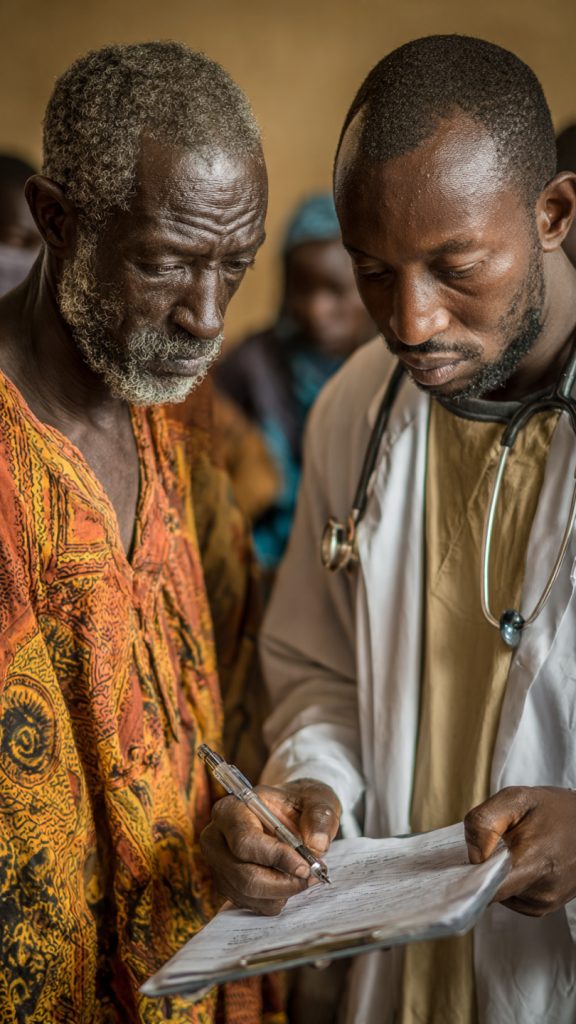
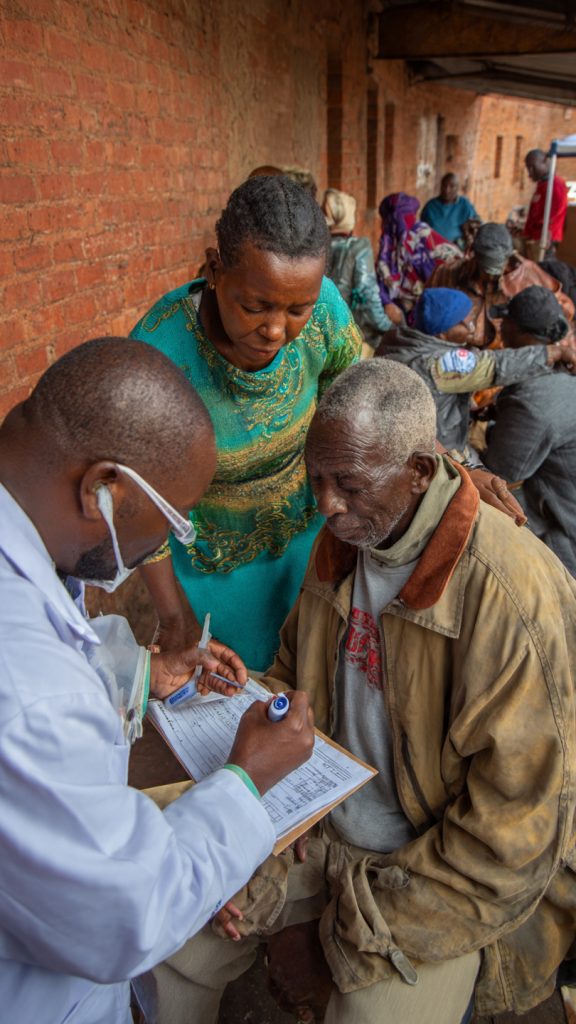
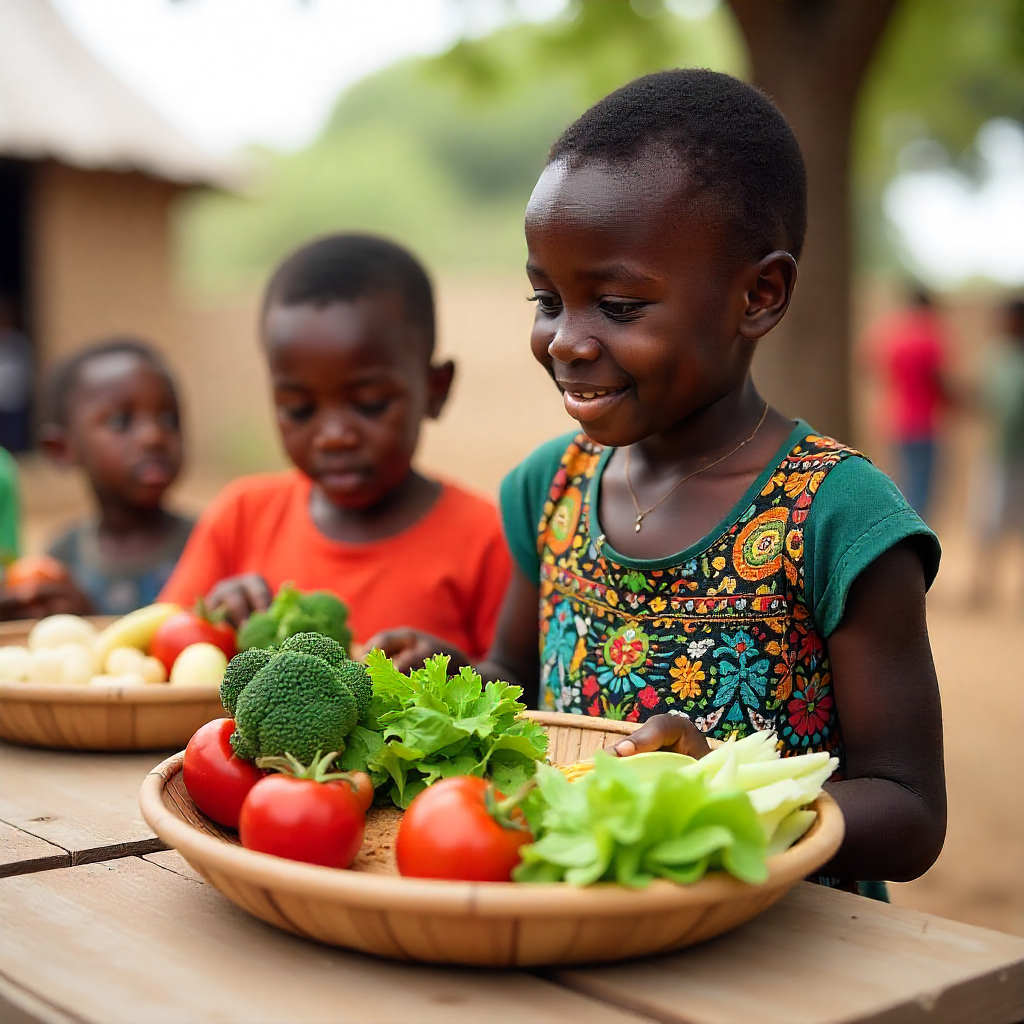
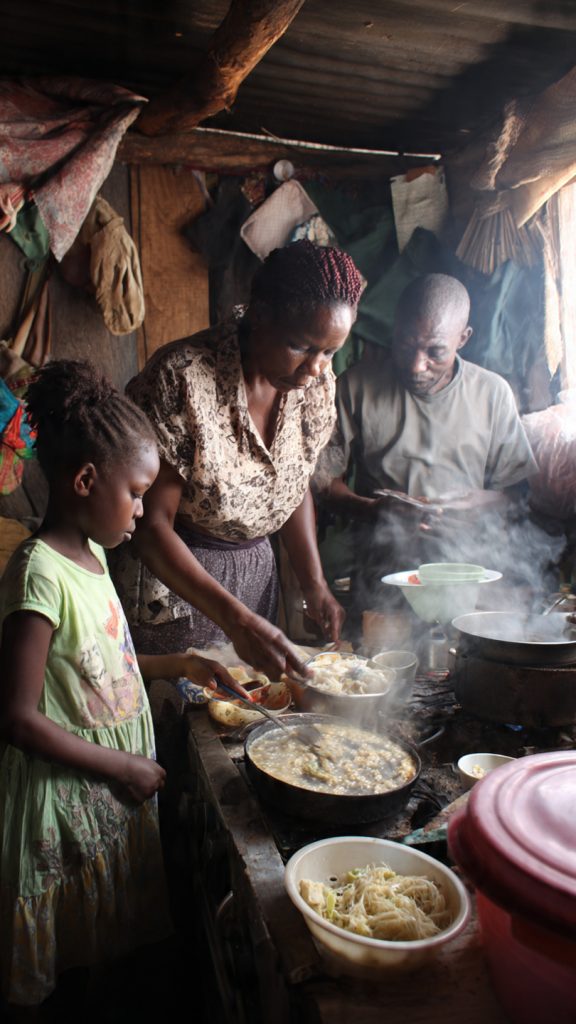
Bridging the Treatment Gap: Supporting Migrants with HIV/AIDS-TB Co-Infections in South Africa When Borders Become Barriers: The Silent Crisis Thirty-five-year-old Grace* travels between Zimbabwe and South Africa’s Limpopo province every three months. She works on commercial farms near Musina during harvesting seasons. Grace lives with both HIV and tuberculosis (TB), requiring consistent medication for both […]
How Can South Africa’s Healthcare System Better Support Migrants with HIV/AIDS and TB Co-Infections? Read More »

dietary acculturation, second-generation African migrants, South Africa, nutrition transition, obesity, type 2 diabetes, cardiovascular disease, non-communicable diseases, NCDs, metabolic risk, rural-to-urban migration, urbanization, gut microbiome, intergenerational health, child nutrition, adolescent diet, food insecurity, traditional diets, processed foods, fast food, sugary drinks, refined carbohydrates, health disparities, gender disparities, socioeconomic status, migration health, urban food environment, community-based nutrition programs, culturally sensitive interventions, public health policy, nutrition surveillance, migrant-sensitive policy, chronic disease prevention, metabolic syndrome, hypertension, abdominal obesity, health equity, school-feeding programs, social determinants of health, urban planning, community gardens, fresh produce access, food subsidies, health promotion, epigenetic effects, longitudinal cohort studies, intergenerational dietary patterns, nutrition education, health interventions, South African health policy, urban migrant health, adolescent metabolic risk, culturally tailored counseling, preventive health strategies, structural determinants of health, metabolic syndrome risk, migrant communities, health outcomes, diet-related chronic disease, nutrition policy gaps, intervention programs, migration-sensitive research, food deserts, low-income urban households.

What Are the Long-Term Health Implications of Dietary Acculturation for Second-Generation African Migrants in South Africa?

Long-Term Health Implications of Dietary Acculturation for Second-Generation African Migrants in South Africa Introduction: Migration and Metabolic Risk Consider a hypothetical child, born in Johannesburg to parents who migrated from rural Limpopo. At home, the family still eats traditional meals such as maize porridge (pap), leafy greens, and pulses. Outside the home, at school and

What Are the Long-Term Health Implications of Dietary Acculturation for Second-Generation African Migrants in South Africa? Read More »

African migrants South Africa, food security, gender dynamics, household nutrition, intra-household food distribution, migrant women, migrant men, nutrition outcomes, food access, food preparation, dietary quality, gender roles, migration health, Johannesburg migrants, Cape Town migrants, Pretoria migrants, informal settlements, community kitchens, nutrition workshops, policy gaps, National Food and Nutrition Security Policy, social grants access, malnutrition risk, child nutrition, food inequality, migrant households, empowerment programs, inclusive food programs, peer-support networks, migrant inclusion, nutrition education, equitable food distribution

How Do Gender Dynamics Shape Food Access, Preparation, and Nutrition Outcomes Within African Migrant Households in South Africa?

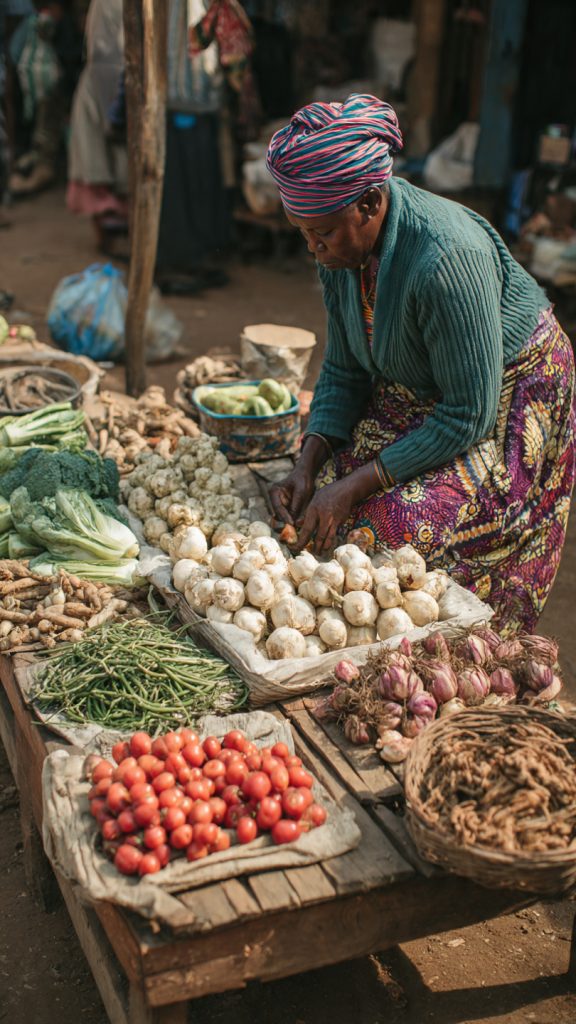
Gender and Food Security in African Migrant Households in South Africa Introduction Food insecurity among African migrant households in South Africa is a pressing concern. Over 30% of migrant-headed households have limited access to nutritious food (Statistics SA, 2023). Gender roles shape food access, preparation, and nutrition. Women often manage meals, while men control finances,

How Do Gender Dynamics Shape Food Access, Preparation, and Nutrition Outcomes Within African Migrant Households in South Africa? Read More »

undocumented African migrants, South Africa, diet-related non-communicable diseases, NCDs, healthcare access barriers, structural determinants of health, legal barriers, social determinants, health inequality, migration health, hypertension, diabetes, cardiovascular disease, urban migrants, food insecurity, dietary transition, acculturation, processed foods, chronic disease management, primary healthcare, medical xenophobia, discrimination, health policy, public health, NGO interventions, community health programs, migrant-inclusive healthcare, health literacy, culturally sensitive care, language barriers, social exclusion, informal settlements, low-income migrants, preventive care, NCD screening, health system adaptation, data collection, migrant health fund, intersectoral action, policy recommendations, South African health policy, WHO guidelines, MSF programs, urban nutrition, health equity, chronic disease treatment, migrant-led organizations, access to care, healthcare utilization, ethical sensitivity, human rights, inclusive NCD strategies, public health outcomes, evidence-based solutions, empirical data, research gaps.

What Are the Barriers to Healthcare Access for Diet-Related Non-Communicable Diseases Among Undocumented African Migrants?

Barriers to Healthcare Access for Diet‑Related Non‑Communicable Diseases (NCDs) Among Undocumented African Migrants in South Africa   Introduction: A Hidden Burden in Plain Sight “ I worry when my chest feels tight and I cannot eat; but I dare not go to the clinic. I might be turned away.” — interview with an undocumented migrant in

What Are the Barriers to Healthcare Access for Diet-Related Non-Communicable Diseases Among Undocumented African Migrants? Read More »

African migrants South Africa, transnational food networks, food sovereignty, cultural identity, migrant nutrition, urban food security, Johannesburg migrants, Cape Town migrants, informal food markets, migrant food enterprises, traditional foods, indigenous crops, remittances and food, dietary changes, migrant women food practices, urban foodscapes, cross-border migration, migrant community initiatives, food policy South Africa, culturally appropriate diets, migrant households, migrant food remittances, food access inequities, urban agriculture South Africa, migrant food resilience, migrant social cohesion, migrant-led food programs, intersectional migration health, food security policy, informal food economy, migrant cultural preservation, migrant culinary knowledge, xenophobia and food vendors, migrant community kitchens, nutrition and migration, South African food systems, migrant livelihoods, urban nutrition disparities, migrant youth dietary practices, migration health research, NGO food programs, government food policy, migrant food interventions

How Do Transnational Food Networks Shape Food Sovereignty and Cultural Identity for African Migrant Communities?

Migrant Food Networks, Cultural Identity, and Food Sovereignty in South Africa Migration is more than moving across borders. It involves carrying homes, memories, and survival strategies. For many African migrants living in South Africa—especially in major urban hubs like Johannesburg, Cape Town, and other cities—food becomes a lifeline. Through transnational food networks, migrants maintain ties

How Do Transnational Food Networks Shape Food Sovereignty and Cultural Identity for African Migrant Communities? Read More »

chronic disease management, migrant health, Pretoria migrants, diabetes care, hypertension care, non-communicable diseases, NCDs in migrants, migrant healthcare access, undocumented migrants South Africa, migrant health policy, Gauteng migrant health, public health equity, chronic disease barriers, migrant inclusion, healthcare discrimination, xenophobia healthcare, migrant-focused NCD programs, Tshwane migrant health, integrated chronic care, health system challenges, migrant case studies, health disparities, migrant health research, community-based healthcare, migrant-friendly clinics, migrant health interventions, healthcare access inequality, South Africa NCD burden, migrant socio-economic factors, migrant health advocacy

Chronic Disease Management Among Migrant Populations: Diabetes and Hypertension Care Access in Pretoria’s Migrant Communities

Chronic Disease Care for Migrants in Pretoria: Diabetes and Hypertension Access Opening: Why This Matters — A Case Study In a small flat in Pretoria North, “Amina” (not her real name), a 49‑year-old woman from Zimbabwe, checks her blood pressure. She has lived in Tshwane for over 8 years, working informal jobs and supporting two

Chronic Disease Management Among Migrant Populations: Diabetes and Hypertension Care Access in Pretoria’s Migrant Communities Read More »

Somali migrants, food remittances, transnational food networks, South Africa, migrant health, diaspora food support, cultural dietary practices, informal trade, Johannesburg, Cape Town, Durban, Somali spaza shops, migrant livelihoods, refugee nutrition, remittance networks, cross-border food transfer, gender and migration, undocumented migrants, community warehouses, migrant entrepreneurship, nutrition security, chronic disease management, maternal and child health, diaspora logistics, migrant-inclusive policies, African migration, social cohesion, food security, informal supply chains, transnational households, migrant-led initiatives, diaspora support programs, Somali diaspora South Africa, public health, migration policy, cultural identity, dietary remittances, migrant economic inclusion

Food Remittance Systems: How Somali Migrants Navigate Transnational Food Networks in South Africa

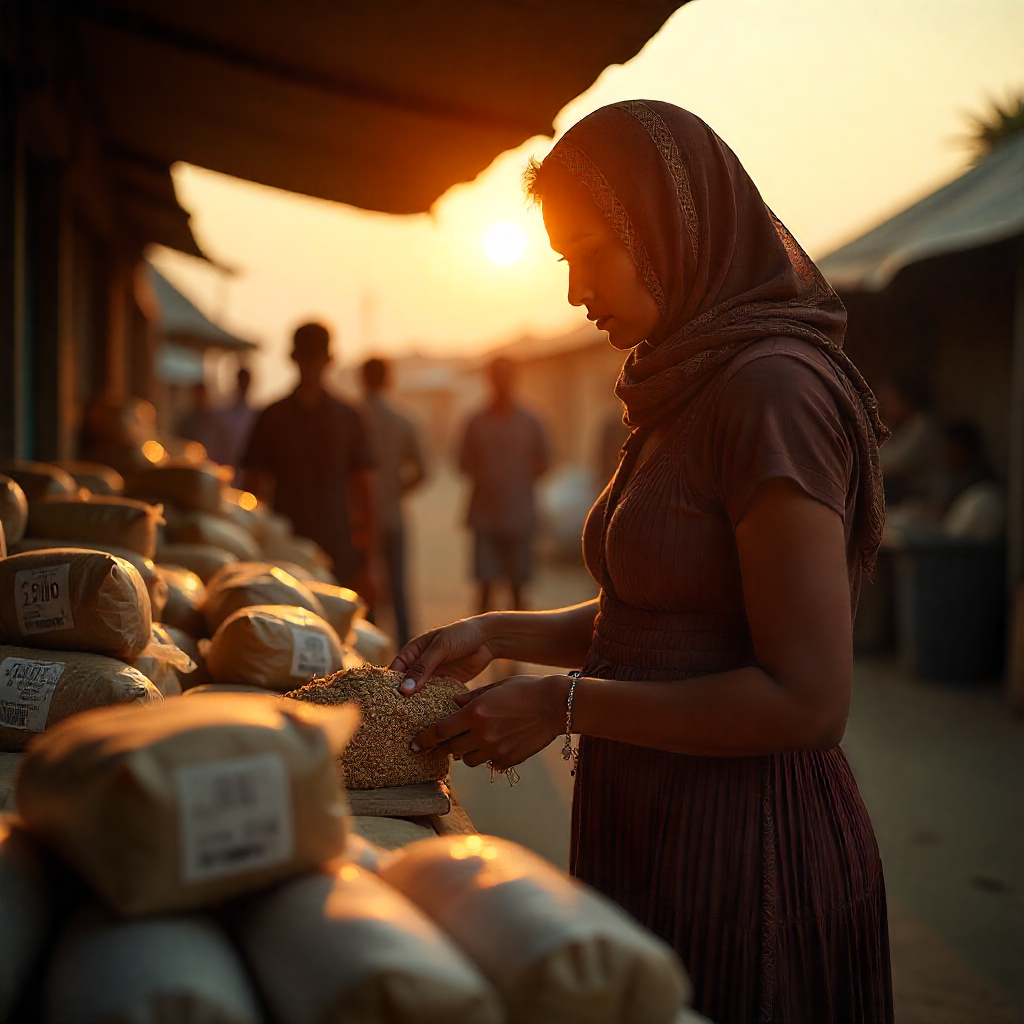
Transnational Food Networks Among Somali Migrants in South Africa Opening: Food, Distance, and Survival In a small grocery shop in Mayfair, Johannesburg, 28-year-old Hawa carefully packs a crate of basmati rice, powdered milk, dates, and infant formula. These items are not meant for her household—they are intended for her mother and younger siblings in Hargeisa.

Food Remittance Systems: How Somali Migrants Navigate Transnational Food Networks in South Africa Read More »

South Africa-Mozambique migration, cross-border migration, real-time migration tracking, migration data sources, alternative migration data, IOM flow monitoring, DTM, mobile phone data migration, call-detail records, CDR migration, mixed migration survey, 4Mi survey, migrant health, cross-border health, TB screening migrants, HIV care continuity, occupational health screening, Mozambican miners, migrant vulnerabilities, undocumented migrants, irregular migration, migration health policy, Maputo Corridor, trade logistics migration, cargo volume migration, migrant protection, migration surveillance, health system planning migrants, cross-border referral systems, mobile health clinics, ethical migration data, migration data privacy, migrant demographics, gender and age migration, migrant children, migrant women, migrant pregnancy, migration flow monitoring, early-warning migration, migrant service delivery, public health response migrants, migration research gaps, SA-Mozambique corridor, health sector migration planning, migration policy recommendations, cross-border health collaboration, IOM TEBA program, migrant screening programs, migration health interventions, migration flow analytics, migration data dashboards, health NGO migration programs.

What Alternative Data Sources Can Track Real-Time Migration Movements Across the South Africa-Mozambique Corridor?

Tracking Real-Time Migration on the South Africa–Mozambique Corridor: Alternative Data Sources for Health and Policy Response Introduction: Understanding the Corridor Between November and December 2024, the International Organization for Migration (IOM) tracked over 2,100 movements at Ressano Garcia (Mozambique) toward South Africa. This figure likely underestimates actual flows, as many migrants use informal routes. Official

What Alternative Data Sources Can Track Real-Time Migration Movements Across the South Africa-Mozambique Corridor? Read More »

South Africa healthcare, TB outbreak, Lesotho migrants, Malawian migrants, migrant health, cross-border health, TB treatment, public health policy, migration and disease, healthcare system capacity, TB surveillance, migrant access to healthcare, health equity, xenophobia in healthcare, informal settlements, migrant workers, TB prevention, HIV co-infection, community health programs, NDoH TB policy, National Strategic Plan TB HIV, cross-border TB care, mobile populations, TB continuity of care, migrant screening, Gauteng TB, KwaZulu-Natal TB, Limpopo TB, SADC migration, healthcare for refugees, migrant-friendly clinics, TB monitoring, TB case management, public health resilience, social determinants of health, migrant inclusion, TB dashboards, treatment adherence programs, peer support migrants, migrant vulnerabilities, healthcare policy gaps, TB epidemiology, migrant health interventions

Can South Africa’s Healthcare System Sustain the Influx of Lesotho and Malawian Migrants During TB Outbreaks?

TB and Migration: Is South Africa’s Health System Ready Opening: Snapshot & Case Study In 2023, South Africa recorded roughly 270,000 new tuberculosis (TB) cases and an estimated 56,000 deaths. (tbac.org.za) Although the country reduced TB incidence by 51% since 2015, the burden remains high. South Africa also hosts a large migrant population. The 2022

Can South Africa’s Healthcare System Sustain the Influx of Lesotho and Malawian Migrants During TB Outbreaks? Read More »

SADC, climate migration, climate change, Southern Africa, migration health, public health, health policy, internal migration, cross-border migration, South Africa, drought, floods, cyclones, informal settlements, urban migration, migrant vulnerabilities, HIV, TB, NCDs, undocumented migrants, gender, age, intersectionality, health systems, national adaptation plans, regional coordination, SADC policy, migration governance, migrant-friendly services, community health programs, NGOs, early-warning systems, data collection, climate resilience, livelihood loss, rural-urban migration, disaster risk reduction, mobility governance, health access, cross-border health, climate-induced displacement, policy gaps, adaptation planning, migrant outreach, health equity, vulnerable populations, migration policy framework, labour migration, free movement, empirical evidence, research gaps, health interventions, actionable recommendations.

Are SADC countries developing coordinated responses to climate migration, or is each nation navigating the crisis alone?

Coordinated or Fragmented? Climate‑Migration Governance in the SADC Region Opening: Climate migration in focus In March 2024, heavy flooding in Mozambique’s Zambezia Province displaced more than 120 000 people. Many migrants came from Malawi and Zimbabwe after prolonged droughts destroyed livelihoods. Urban informal settlements quickly became overcrowded. Southern Africa faces rising heat, stronger storms, floods, and droughts,

Are SADC countries developing coordinated responses to climate migration, or is each nation navigating the crisis alone? Read More »