
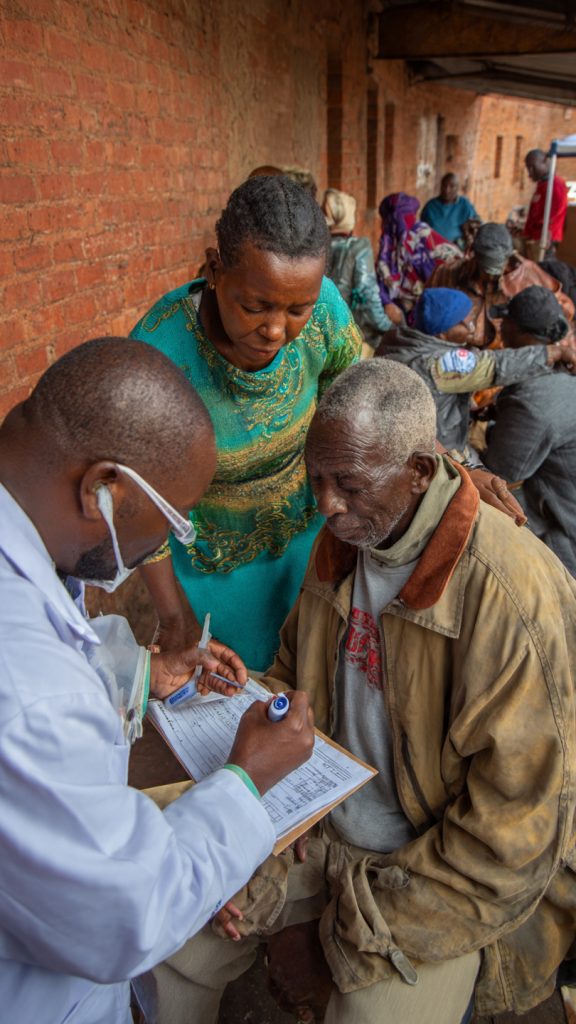
Chronic Disease Care for Migrants in Pretoria: Diabetes and Hypertension Access
Opening: Why This Matters — A Case Study
In a small flat in Pretoria North, “Amina” (not her real name), a 49‑year-old woman from Zimbabwe, checks her blood pressure. She has lived in Tshwane for over 8 years, working informal jobs and supporting two children. She was diagnosed with hypertension three years ago — but she has not returned to the clinic in over a year. Fear of being asked for identity documents keeps her away.
As a result, her blood pressure remains uncontrolled. She experiences frequent headaches, dizziness, and swelling in her legs.
Amina’s story reflects a hidden crisis: chronic disease care access among migrant populations in urban South Africa. Public health discourse often focuses on communicable diseases like HIV and TB. Yet non-communicable diseases (NCDs) such as diabetes and hypertension are quietly increasing among migrants.
Recent data show that in Gauteng, self-reported diabetes prevalence is around 11.1% among households (MDPI, 2025). Among migrants, studies report lower odds of hypertension and diabetes than non-migrants (PubMed, 2019). However, lower self-reported prevalence does not mean adequate diagnosis or treatment.
Access to care is hindered by xenophobia, documentation barriers, and systemic challenges. As NCD burdens rise, neglecting migrant populations threatens health equity and system sustainability.
Policy and Legal Context: Rights on Paper
South Africa’s legal framework theoretically ensures inclusive healthcare. The South African Human Rights Commission (SAHRC) states that everyone in the country — citizens, refugees, asylum seekers, documented and undocumented migrants, children, and older adults — has a constitutional right to healthcare (SAHRC, 2025).
Section 27 of the Constitution (1996) guarantees access to healthcare, including reproductive services. Emergency treatment is legally non-negotiable (TimesLive, 2025).
However, legal protections often fail in practice. Migrants face clinic entry denials, discrimination, and xenophobic violence (Gov.za, 2025).
These protections are essential: chronic disease management for migrants is a constitutional and ethical imperative, not a charitable option.
Evidence of Chronic Disease Prevalence
Migrant Status and NCD Prevalence
A Gauteng study covering 508 wards found hypertension prevalence of 15.5% and diabetes at 11.2% (PMC, 2019).
Internal and external migrants reported lower rates than non-migrants (PubMed, 2019). Researchers suggest a “healthy migrant effect” — healthier individuals are more likely to migrate.
Still, prevalence varied by age, gender, and socio-economic status. Intersectional inequalities exist within migrant populations.
Chronic Conditions Among Migrants Living With HIV
Among people living with HIV in South Africa, hypertension prevalence was 25.5% and Type 2 diabetes 6.1% (BMC Infectious Diseases, 2023).
Even patients engaged in HIV care are at risk for NCDs, highlighting the need for integrated chronic disease management.
In rural South African areas with high temporary migration, 14% had multimorbidity. Hypertension affected 16.6%, and diabetes 3.9% (Frontiers, 2023). Migration status influenced disease patterns.
Gaps in Data and Under-Diagnosis
Self-reported surveys likely underestimate true prevalence. Screening and diagnosis are limited.
Qualitative studies among undocumented migrants in Tshwane found fear of discrimination and documentation checks deterred clinic visits (PubMed, 2023).
Data rarely capture nationality, documentation, gender, or duration in South Africa. Without this, targeted interventions remain challenging.
Barriers to Chronic Disease Care
Xenophobia and Discrimination
In 2025, anti-migrant activity, including Operation Dudula, blocked migrants from clinics in Gauteng (HIV Justice Network, 2025).
MSF and SAHRC report multiple cases of pregnant women and chronically ill migrants denied care (MSF, 2025).
Documentation Barriers
Undocumented migrants avoid public facilities, fearing requests for ID or reporting to authorities (PubMed, 2023).
Financial and Work Constraints
Informal, insecure employment limits access to private care. Even free public services are hard to reach due to transport costs, irregular hours, or lost wages.
Fragmented Health Services
Vertical programs focus on HIV or TB, leaving NCD care inconsistent. Few clinics systematically integrate chronic disease services for migrants.
Data and Visibility Gaps
Health information systems rarely record migration status, making migrants invisible in planning, monitoring, and resource allocation.
Anonymized Case Illustrations
Scenario 1 — Samuel, 55, internal migrant
Samuel moved from Limpopo to Pretoria. Diagnosed with diabetes three years ago, he missed follow-up visits due to work conflicts and transport costs. He developed neuropathy and a diabetic foot ulcer, eventually requiring emergency care.
Scenario 2 — Grace, 38, external undocumented migrant
Grace, from Zimbabwe, developed hypertension while working in Tshwane. Fear of xenophobic clinic blockades led her to seek medication informally. Irregular access increases risk of complications.
Public Health and Equity Implications
-
Rising NCD burden: Migrants will face increasing chronic disease risks.
-
Intersectional vulnerabilities: Age, gender, informal work, and documentation intersect to magnify barriers.
-
Health system strain: Poorly controlled NCDs increase hospital admissions and emergency costs.
-
Public health risk: Denying care undermines trust in health services and drives unsafe care practices.
-
Ethics and rights: Excluding migrants violates human rights and social cohesion principles.
Promising Approaches
-
MSF Tshwane Migrant Project: Provides psychosocial and medical support, linking migrants to care (MSF, 2025).
-
MSF Eastern Cape NCD Project: Integrates NCD care at community level (MSF-SA, 2023).
-
Legal Advocacy: SAHRC challenges clinic blockades, reinforcing constitutional rights (SAHRC, 2025).
Policy Gaps and Challenges
-
Lack of migrant-specific clinical protocols and staff training.
-
Health information systems exclude migration data.
-
Funding prioritizes communicable diseases over NCDs.
-
Xenophobic violence continues to block care.
-
Informal work and mobility disrupt continuity.
-
Few targeted outreach programs exist for migrants.
Recommendations
| Recommendation | Actors | Timeline |
|---|---|---|
| Develop migrant-inclusive chronic disease policy | NDoH, provincial, SAHRC | 12 months |
| Integrate migration status into health info systems | NDoH, clinics | 6–18 months |
| Scale community-based NCD services | NGOs, migrant groups, clinics | 18–36 months |
| Strengthen legal protection against xenophobic care denial | SAHRC, police, civil society | Immediate & ongoing |
| Socio-economic support for adherence | Municipal social dev, NGOs | 12–24 months |
| Operational research on NCD care for migrants | Universities, NDoH, NGOs | 24–48 months |
Research Gaps
-
Self-reported data underestimates prevalence.
-
Lack of disaggregation by nationality, documentation, gender, duration in SA.
-
Limited data on treatment adherence, morbidity, and mortality among migrants.
-
Few evaluated models of chronic care delivery for migrants exist.
Conclusion and Call to Action
Chronic diseases like hypertension and diabetes are rising among migrants in Pretoria. Many live at the intersection of age, gender, poverty, informal work, and undocumented status.
Action needed:
-
Policymakers: Develop inclusive policies, integrate migration data, allocate resources.
-
Health practitioners: Train staff, ensure non-discriminatory access, partner with NGOs.
-
NGOs & researchers: Scale community-based care, document experiences, advocate for rights.
Without action, migrants like Amina and Grace will continue to suffer silently. Coordinated, inclusive strategies can protect the health and dignity of all residents, regardless of origin or documentation.
Recent Posts:
- Food Remittance Systems: How Somali Migrants Navigate Transnational Food Networks in South Africa
- The Impact of Xenophobia on Healthcare Utilization Among African Migrants in South African Public Clinics
- Maternal and Child Health Outcomes Among Mozambican Migrant Women in Border Communities
- Traditional Medicine Practices vs. Biomedical Healthcare: Health-Seeking Patterns of Malawian Migrants in Limpopo
- Mental Health Challenges and Help-Seeking Behaviors Among East African Migrants in Durban