
Transnational Food Networks Among Somali Migrants in South Africa
Opening: Food, Distance, and Survival
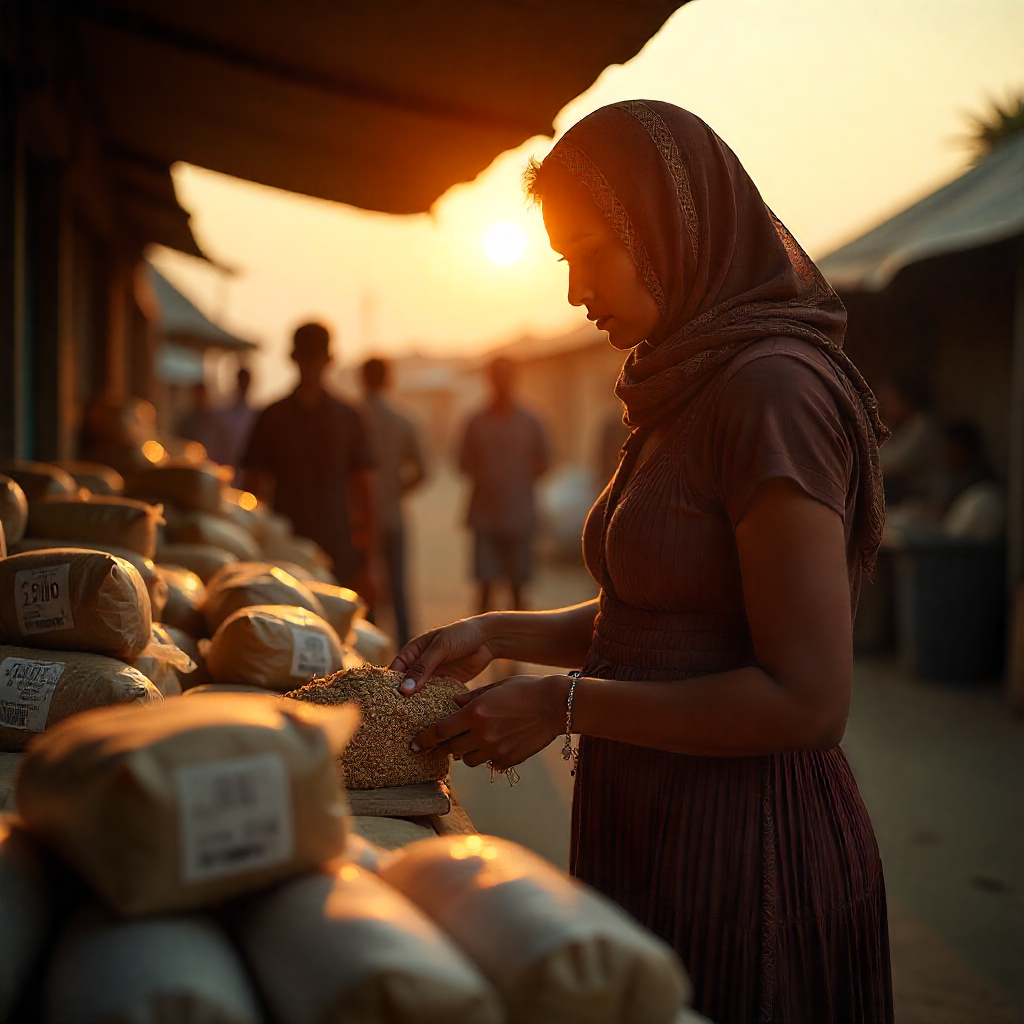
In a small grocery shop in Mayfair, Johannesburg, 28-year-old Hawa carefully packs a crate of basmati rice, powdered milk, dates, and infant formula. These items are not meant for her household—they are intended for her mother and younger siblings in Hargeisa. For many Somalis living in South Africa, this practice represents a food remittance, where culturally familiar staples travel across borders to meet the nutritional needs of families separated by distance and hardship.
Recent reports indicate that the Somali diaspora sends between US$1.3 and $2 billion annually back to Somalia (Sihma.org.za). Food remittances likely constitute a substantial portion of these flows, especially where cash remittances face challenges such as high fees, banking restrictions, or exchange-rate volatility. In urban South Africa, migrants contend with economic precarity, xenophobia, and inconsistent income, making informal food networks vital for survival and cultural continuity.
Recognising these systems is crucial. They influence nutrition, mental health, gender dynamics, and household resilience, yet they are largely invisible in South African migration and public health policies.
Understanding Food Remittances
Definition and Scope
Food remittances involve the cross-border transfer of food items or culturally significant staples. Somali migrants in South Africa often rely on:
-
Clan- or community-based trust networks
-
Diaspora-led supply chains
-
Small retail businesses such as spaza shops and importers
-
Informal logistics, including personal couriers or community agents
Commonly remitted foods include rice, pasta, tea, spices, powdered milk, cooking oil, and infant formula. These shipments may occur monthly, quarterly, or seasonally, depending on demand and family obligations.
Why Food Rather Than Cash?
Several factors explain this preference:
-
Exchange-rate volatility: Cash transfers can lose value rapidly, whereas bulk food purchases retain relative stability.
-
Privacy concerns: Undocumented migrants or refugees may avoid formal financial systems.
-
Cost efficiency: Bulk food sourcing from Somali-owned wholesalers in Johannesburg or Cape Town is affordable.
-
Cultural significance: Sending food conveys care and strengthens social bonds.
-
Income insecurity: Recipients often rely on food parcels to meet basic household needs.
Therefore, food remittances serve as both economic and social lifelines, simultaneously supporting nutrition and cultural identity (Mifood.org).
Policy Context in South Africa
South Africa’s migration and health policies (2020–2025) include:
-
Refugees Act 130 of 1998 (amended 2020)
-
Immigration Act 13 of 2002
-
National Health Act 61 of 2003
-
National Health Insurance Bill (2023)
-
Draft Migrant Health Strategy (2022)
Although these frameworks protect migrant health and rights, they do not explicitly address transnational livelihood practices such as food remittances.
Key Policy Gaps
-
Migrant-led food networks are absent from national and provincial food security strategies.
-
Informal import-export systems lack clear regulation, leaving traders vulnerable to confiscation and exploitation.
-
Health programs rarely integrate cultural dietary practices.
-
Gender-sensitive policies are missing, despite Somali women often managing shipments.
-
Municipal enforcement frequently targets migrant-owned informal businesses, undermining livelihoods.
These gaps increase health and economic vulnerabilities among migrants and limit opportunities to harness diaspora networks for development.
Food Remittance Networks Across South African Cities
Johannesburg: Mayfair, Fordsburg, and Soweto
Johannesburg serves as a hub for Somali-owned wholesale and retail businesses. Many spaza shops source staples in bulk from markets like City Deep or Crown Mines. A GCRO survey showed that migrant entrepreneurs, while a minority in numbers, dominate specific informal market niches (GCRO.ac.za).
Here, monthly and seasonal food shipments are consolidated, reducing costs and risk. These networks facilitate regular support for family members in Somalia and Somaliland, ensuring continuity despite economic and political instability.
Cape Town: Bellville and Mitchells Plain
Cape Town’s Somali diaspora relies on informal warehouses and community mosques to consolidate shipments. During religious events like Ramadan or Eid, parcels of rice, spices, and tea are pooled to optimize cost efficiency. Research by ACMS highlights the economic and social benefits of these networks, which also create employment and strengthen local community cohesion (Migration.org.za).
Durban: Overport and South Beach
Durban’s port and spice markets facilitate niche food remittance flows. Traders ship containers of rice, spices, and tea via the port, while smaller parcels travel through informal couriers. These networks demonstrate that even smaller diaspora hubs can maintain robust transnational food connections.
Intersectional Considerations
Food remittance systems reflect gender, age, documentation status, and class dynamics:
-
Gender: Women often manage packaging, ordering, and logistics. Their labor is critical but often unrecognized.
-
Age: Young adults (18–30) frequently transport and courier goods, facing risks related to policing and border inspections.
-
Documentation Status: Undocumented migrants rely on informal couriers at higher cost and risk, while documented individuals have safer access to formal channels.
-
Class: Wealthier households send larger parcels, while poorer families pool resources, demonstrating socioeconomic disparities even across borders.
These factors shape who benefits and who remains vulnerable in food remittance networks.
Case Studies
1. Abdi, Durban Shopkeeper
Abdi sends low-sugar biscuits, rice, tea, and powdered milk monthly to his diabetic mother in Hargeisa. Cash transfers are unreliable due to exchange-rate fluctuations. This case illustrates how food remittances can support cross-border chronic disease management.
2. Amina, Cape Town Domestic Worker
Amina, a 29-year-old refugee, sends bulk pasta and flour to her siblings. Without documentation, she depends on informal wholesalers who charge higher fees. This highlights the risks undocumented migrants face and the economic burden of informal logistics.
3. Hassan, Johannesburg Wholesaler
Hassan coordinates Ramadan shipments for over 150 families, including dates, rice, and spices. These parcels reinforce cultural identity and social cohesion. Seasonal networks like his show that remittances are not solely about survival but also about maintaining family and cultural ties.
Public Health Implications
Nutrition and Chronic Disease
Food remittances influence dietary patterns, micronutrient intake, and chronic disease management. For example, parcels containing infant formula, powdered milk, and preserved staples support some nutritional needs but may lack diversity, potentially affecting child health. At the same time, culturally appropriate foods increase acceptability and adherence to dietary guidance for NCD patients.
Mental Health
Sending food supports emotional well-being, reduces stress, and sustains family connections. Conversely, disruptions in remittance flows due to job loss, xenophobia, or enforcement can increase anxiety and guilt.
Urban Livelihoods
Migrant food networks contribute to local employment, informal economic activity, and urban food supply. Recognition of these networks in municipal planning could enhance social cohesion and economic inclusion.
Community-Led Innovations
Warehousing and Collective Shipping
Cape Town Somali communities consolidate shipments in informal warehouses, reducing cost and risk. This model could inspire municipal-supported migrant-inclusive food hubs.
NGO Partnerships
Pilot projects link Somali wholesalers with NGOs for nutrition interventions, distributing fortified foods and infant formula to vulnerable households.
Health Facility Integration
Some clinics in Gauteng engage Somali women’s groups to provide culturally appropriate nutrition counseling, improving maternal and child health outcomes.
Digital Platforms
Diaspora-run apps now track shipments from warehouses to final delivery, improving safety, transparency, and accountability.
Policy Recommendations
National Government (0–18 months)
-
Include migrant-led food networks in food security strategies.
-
Establish a regulatory framework for informal logistics.
-
Integrate culturally sensitive nutrition programs into health services.
-
Provide regularization pathways for long-term migrants.
Municipal Governments (6–12 months)
-
Support community warehouses for migrants.
-
Include migrant enterprises in urban economic plans.
-
Facilitate dialogue to reduce harassment and enforcement risks.
NGOs and International Agencies (0–24 months)
-
Fund programs linking remittances with nutrition and health.
-
Develop gender-sensitive livelihood programs.
-
Produce multilingual guidance on safe food handling.
Migrant Communities (6–18 months)
-
Document and standardize collective remittance practices.
-
Explore partnerships with formal logistics providers.
-
Advocate for policy recognition and support.
Research Gaps
-
National data on food remittance volumes and flows is scarce.
-
Limited evidence exists on health impacts, including nutrition and NCD outcomes.
-
Gendered labor dynamics in remittance logistics are underexplored.
-
Legal and regulatory environments for informal cross-border flows remain poorly mapped.
Future studies should use mixed-methods approaches, combining surveys, interviews, supply chain mapping, and nutrition assessments.
Conclusion
Somali food remittances in South Africa are transnational lifelines supporting nutrition, health, cultural identity, and social cohesion. Recognizing and supporting these networks can improve food security, strengthen migrant livelihoods, and enhance social inclusion. Stakeholders at all levels—government, NGOs, and migrant communities—must collaborate to ensure these flows are safe, sustainable, and acknowledged in policy.
References
Recent Posts:
- The Impact of Xenophobia on Healthcare Utilization Among African Migrants in South African Public Clinics
- Maternal and Child Health Outcomes Among Mozambican Migrant Women in Border Communities
- Traditional Medicine Practices vs. Biomedical Healthcare: Health-Seeking Patterns of Malawian Migrants in Limpopo
- Mental Health Challenges and Help-Seeking Behaviors Among East African Migrants in Durban
- The Role of Informal Food Markets in Sustaining Migrant Communities Across South African Cities
Pingback: Chronic Disease Care for Migrants in Pretoria