
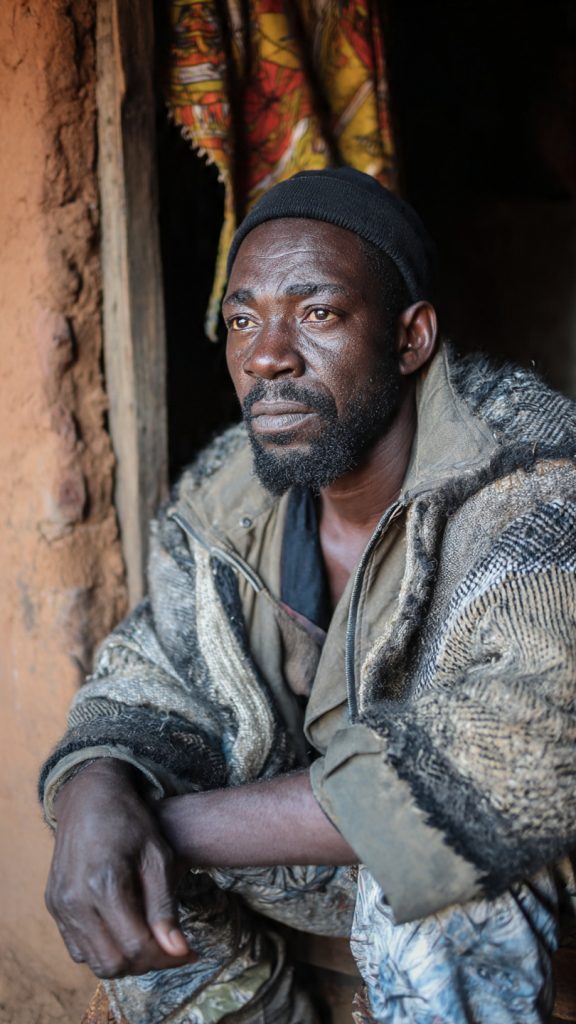
A Border in Motion: Climate Stress Meets Human Survival
In early 2023, a nurse at a rural clinic near Musina noticed a clear pattern. “We see more patients after drought seasons,” she explained. “Most arrive exhausted, dehydrated, and already unwell.” Her observation reflects a broader regional shift.
Across southern Zimbabwe, climate shocks have intensified since 2020. For example, the 2023–2024 El Niño cycle triggered severe drought, cutting maize yields by more than 30% in some provinces. At the same time, rural livelihoods—already fragile—have continued to collapse. As a result, migration has evolved. It is no longer driven only by economics; it is increasingly a survival response to climate stress.
Limpopo Province, particularly Musina, now stands at the frontline of this movement. Consequently, border communities face mounting pressure on health systems, housing, water supply, and sanitation services. However, policy responses remain fragmented and reactive rather than proactive.
Climate Migration in Zimbabwe: Drivers and Patterns
Climate migration does not stem from a single cause. Instead, it emerges from overlapping environmental and socio-economic pressures.
Rainfall patterns have become more erratic. As a result, farmers struggle to predict planting seasons and often face failed harvests. Consequently, food insecurity continues to rise across rural districts.
Water scarcity has also intensified. Boreholes dry up more frequently, while rivers fail to recharge. In many communities, women and children must travel long distances to collect water. This burden often pushes households to consider migration.
Economic instability further deepens vulnerability. Hyperinflation, unemployment, and limited state support reduce coping capacity. Therefore, when drought strikes, migration becomes one of the few viable survival strategies.
Importantly, migration routes are changing. While many migrants still move toward major cities like Johannesburg, a growing number remain in border towns such as Musina. This shift concentrates pressure directly at the border.
Health System Pressures in Limpopo
Rising Demand for Healthcare Services
Healthcare facilities in Musina and surrounding areas have experienced a steady rise in patient numbers since 2021. Clinics now serve both local residents and a growing migrant population.
Many migrants present with dehydration, malnutrition, respiratory infections, tuberculosis (TB), and HIV-related complications. However, delayed care-seeking remains a critical challenge. Fear of deportation, lack of documentation, and language barriers discourage early access. As a result, patients often arrive with advanced illness.
Resource Constraints and System Strain
Limpopo’s health system already faces structural limitations. Staff shortages, infrastructure gaps, and funding constraints affect service delivery. Consequently, increased demand places additional strain on already limited resources.
Medicines run out more quickly. Waiting times grow longer. Outreach services struggle to reach all communities. Meanwhile, healthcare workers face burnout due to rising workloads.
Mental Health: The Overlooked Crisis
Migration journeys expose individuals to trauma, uncertainty, and stress. Many migrants experience anxiety, depression, and psychological distress. Yet, mental health services in border regions remain severely limited. As a result, these needs often go unmet.
Housing, Water, and Sanitation Under Pressure
Rapid Growth of Informal Settlements
Musina has experienced rapid expansion of informal settlements in recent years. As more migrants arrive, overcrowding continues to increase. Many residents live in densely packed areas with limited access to services.
This environment significantly increases public health risks. Overcrowding accelerates the spread of infectious diseases, including TB and diarrheal illnesses.
Water Scarcity and Public Health Risks
Water systems in Limpopo struggle to meet rising demand. In many settlements, residents rely on shared taps or unsafe water sources. Consequently, waterborne diseases such as cholera remain a persistent threat.
Sanitation Gaps
Sanitation infrastructure has not kept pace with population growth. In several areas, limited access to toilets forces residents to rely on unsafe practices. This situation further increases environmental and health risks.
Policy Landscape: Progress and Persistent Gaps
Existing Policy Frameworks
South Africa has developed several policies relevant to migration and health, including:
-
National Health Act (2003)
-
National Climate Change Adaptation Strategy (2020)
-
White Paper on International Migration (2017)
-
National Strategic Plan for HIV, TB, and STIs (2023–2028)
Collectively, these frameworks emphasize human rights, inclusivity, and public health protection.
Key Policy Gaps
However, implementation challenges remain significant.
First, climate and migration policies operate separately. As a result, planning processes fail to address climate-driven mobility effectively.
Second, documentation barriers continue to limit access to care. Although policies allow emergency treatment, uncertainty and fear discourage migrants from seeking services.
Third, cross-border coordination remains weak. For example, limited data-sharing systems disrupt continuity of care for mobile patients.
Finally, local municipalities lack adequate resources. Consequently, they struggle to respond to rapid population changes.
Evidence from South African Cities
Although Limpopo serves as the entry point, the effects of migration extend nationwide.
In Johannesburg, migrant-dense areas such as Hillbrow report increased demand for primary healthcare services. Similarly, clinics in Tshwane face challenges related to language barriers and administrative access.
Further south, Cape Town experiences secondary migration. Migrants move in search of employment opportunities. As a result, health system pressures spread across provinces rather than remaining confined to border regions.
Lived Experiences: Voices from the Ground
Case 1: “Tendai,” 32, Female, Zimbabwean
Tendai left Masvingo after repeated droughts destroyed her crops. She now lives in an informal settlement near Musina and works intermittently as a domestic worker.
She delayed seeking treatment for TB symptoms due to fear of deportation. Consequently, her condition worsened before she accessed care.
Case 2: “Blessing,” 19, Male, Zimbabwean
Blessing migrated alone after his family lost livestock during a drought. He now survives through informal trading.
He experiences anxiety and insomnia. However, he has not accessed mental health services due to limited awareness and availability.
Case 3: “Nomsa,” 41, South African Resident
Nomsa lives in Musina and relies on local public services. She reports longer clinic queues and frequent water shortages.
Although she empathizes with migrants, she feels local systems are under severe strain. This highlights growing tension between community needs and limited resources.
Innovative Responses and Emerging Solutions
Mobile Health Clinics
NGOs have deployed mobile clinics along border areas. These units provide basic healthcare, HIV services, and health education. As a result, they improve access for underserved populations.
Cross-Border Health Initiatives
Pilot programs between South Africa and Zimbabwe aim to improve continuity of care. For instance, shared patient records help track TB and HIV treatment across borders.
Community Health Worker Models
Community-based programs train both migrants and local residents as health workers. This approach builds trust, improves communication, and strengthens service delivery.
Actionable Policy Recommendations
Short-Term (0–12 Months)
-
Expand mobile health services in Musina and surrounding areas
-
Clarify migrant healthcare access policies and train frontline staff
-
Provide emergency water and sanitation infrastructure
Medium-Term (1–3 Years)
-
Integrate climate change and migration into a unified policy framework
-
Strengthen cross-border health coordination systems
-
Scale up community health worker programs
Long-Term (3–5 Years)
-
Invest in resilient health infrastructure in border regions
-
Support climate adaptation initiatives in Zimbabwe
-
Develop early warning systems to anticipate migration flows
Research Gaps and Limitations
Reliable data on climate migration remains limited. Many migrants move through informal channels, making tracking difficult. Furthermore, few studies focus specifically on border communities like Musina.
More research is needed on long-term health outcomes, gendered impacts, and mental health needs. In addition, stronger evidence is required to evaluate cross-border interventions.
Conclusion: From Crisis Response to Strategic Planning
Climate migration is no longer a future concern. It is already reshaping South Africa’s border communities.
Limpopo stands at the center of this transformation. Therefore, policy makers must act urgently. They need to integrate climate adaptation with migration planning. At the same time, health systems must adapt to increasingly mobile populations.
Government, NGOs, researchers, and communities all have a role to play. Only through coordinated, evidence-based action can South Africa build a resilient and inclusive response.
Without intervention, pressures will continue to grow. However, with the right strategies, this challenge can become an opportunity to strengthen systems and protect vulnerable populations.
References
(Retained and formatted for publication)
-
South African National Department of Health (2023). National Strategic Plan for HIV, TB, and STIs (2023–2028).
-
Department of Forestry, Fisheries and the Environment (2020). National Climate Change Adaptation Strategy.
-
Zimbabwe Meteorological Services Department (2024). Climate Reports.
-
World Bank (2023). Climate Migration in Sub-Saharan Africa.
-
IOM (2022–2025). Migration Trends in Southern Africa.
-
UNHCR (2024). Regional Displacement Reports.
-
Médecins Sans Frontières (2023). Musina Health Access Report.
-
Human Sciences Research Council (2022). Migration and Health in SA.
-
Statistics South Africa (2023). Provincial Health Indicators.
-
Limpopo Department of Health (2024). Annual Performance Plan.
Recent Posts:
- The Climate Refugee Question: Does Southern Africa Have a Legal Framework to Protect Displaced People?
- Fleeing the Drought: How Changing Rainfall Patterns Are Displacing Rural Zimbabweans
- The Role of NGOs and Civil Society in Protecting Migrant Children Across Southern Africa
- Best Practices in SADC: Countries Leading in Migrant Child Protection Policies
- Climate-Induced Migration and Child Protection in SADC: Emerging Challenges