
Climate Stress Is Driving Migration
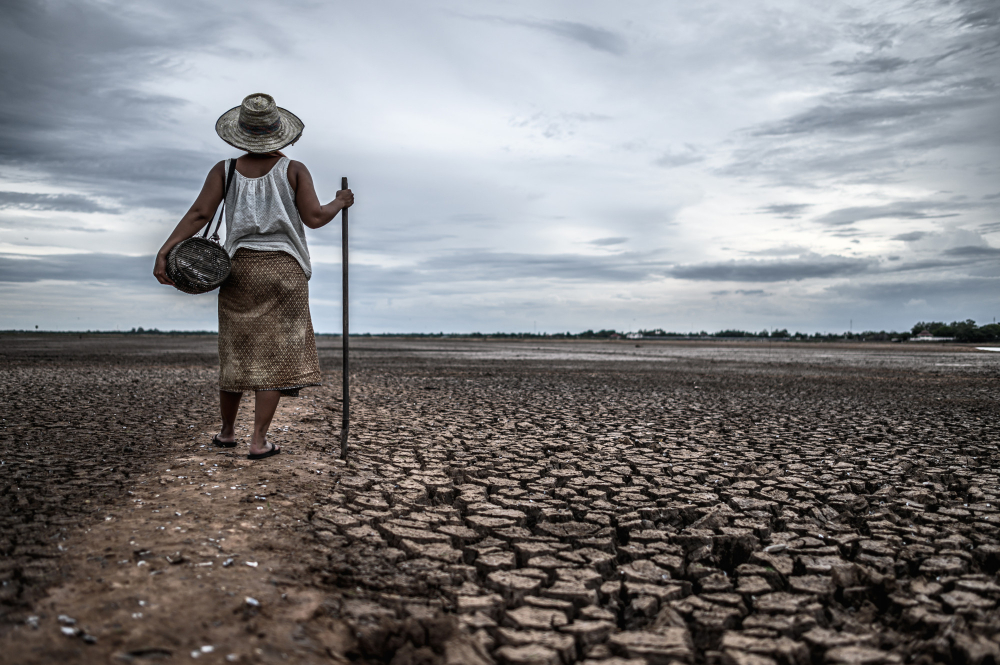
Zimbabwe’s climate is changing fast. Rainfall patterns have become erratic. Droughts occur more often. Crops fail repeatedly. As a result, rural livelihoods collapse. Many households now face food insecurity and economic instability.
Recent data shows the scale of the crisis. Zimbabwe experienced severe drought conditions during the 2023–2024 agricultural season, one of the worst in decades. The government estimated that over 2.7 million rural residents required food assistance in 2024. In addition, agricultural production declined sharply in drought-affected provinces such as Matabeleland South, Masvingo, and Midlands.
Consequently, migration has intensified. Rural Zimbabweans increasingly move to cities or cross borders in search of work, food, and safety. South Africa remains the primary destination. Major cities such as Johannesburg, Pretoria, and Cape Town continue to receive large numbers of Zimbabwean migrants.
However, climate-driven migration creates new public health challenges. Migrants often live in overcrowded settlements. They struggle to access healthcare, documentation, and social services. Therefore, changing rainfall patterns are no longer just an environmental issue. They are now a public health and policy challenge for the Southern African region.
Climate Change and Zimbabwe’s Agricultural Collapse
Zimbabwe’s economy still relies heavily on rain-fed agriculture. Approximately 65–70% of rural households depend on smallholder farming. When rainfall fails, livelihoods disappear.
Climate data shows a clear trend. The country now experiences:
-
Shorter rainy seasons
-
Longer dry spells
-
Increased frequency of drought
-
Rising temperatures
The 2024 El Niño drought intensified these problems. Maize production fell significantly in several provinces. Livestock deaths also increased due to water shortages and poor grazing conditions.
Consequently, rural households adopted survival strategies. Many families sold livestock, reduced meals, or withdrew children from school. Others migrated.
Migration decisions often occur gradually. First, young men leave rural areas for seasonal work. Later, entire households relocate. Increasingly, migration crosses national borders.
Migration Pathways: Zimbabwe to South Africa
South Africa remains the main destination for Zimbabwean migrants. Geographic proximity and established migrant networks drive this pattern.
Several routes dominate cross-border movement:
-
Informal crossings near the Beitbridge border
-
Transport networks connecting rural Zimbabwe to Johannesburg and Pretoria
-
Seasonal agricultural migration to farms in Limpopo and Mpumalanga
However, many migrants travel without documentation. Climate migration rarely qualifies for refugee protection under current laws. Therefore, migrants often enter irregularly.
This legal gap creates serious vulnerabilities. Undocumented migrants fear arrest or deportation. As a result, they often avoid healthcare facilities and public services.
Consequently, migration linked to drought increases social and health risks in both origin and destination communities.
Public Health Impacts in South African Cities
Large South African cities already face pressure on housing, employment, and healthcare systems. Climate-driven migration adds another layer of complexity.
In Johannesburg, many Zimbabwean migrants settle in informal settlements or overcrowded inner-city buildings. Poor sanitation and limited water access increase disease transmission.
Public health practitioners report several key concerns:
-
Higher risk of tuberculosis transmission in crowded housing
-
Rising vulnerability to HIV treatment interruptions among mobile populations
-
Increased mental health stress linked to migration trauma and economic insecurity
-
Maternal healthcare access barriers for undocumented migrant women
In Cape Town, NGOs working with migrants report similar patterns. Migrant workers often live in informal backyard structures. Limited access to sanitation increases the risk of communicable diseases.
Healthcare providers also face operational challenges. Language barriers complicate consultations. Documentation requirements sometimes delay care. Migrants frequently move between provinces, disrupting treatment continuity.
Therefore, climate migration directly affects urban health systems.
Case Examples from Migrant Communities
Example 1: Drought-Induced Household Migration
A 34-year-old farmer from southern Zimbabwe lost three consecutive maize harvests due to drought. His family sold livestock to survive. Eventually, he migrated to Johannesburg to work in construction.
However, unstable income forced him to live in overcrowded accommodation. He later developed respiratory symptoms but delayed seeking medical care because he lacked legal documentation.
This example reflects a common pattern. Economic migration driven by climate stress quickly becomes a health vulnerability.
Example 2: Women Migrants and Maternal Health Risks
A pregnant Zimbabwean migrant living in Cape Town struggled to access antenatal services. She lacked valid immigration documents and feared discrimination.
Local NGOs eventually referred her to a community clinic that provides migrant-friendly services. However, late registration increased risks during pregnancy.
Women migrants often face overlapping barriers. These include gender inequality, financial insecurity, and legal uncertainty.
Example 3: Seasonal Migration and HIV Treatment Interruptions
Healthcare workers in Johannesburg report treatment disruptions among migrant workers who travel frequently between Zimbabwe and South Africa.
A Zimbabwean farm worker receiving antiretroviral therapy returned home during the agricultural season. Unfortunately, medication supplies ran out before he returned to South Africa. This interruption increased the risk of viral rebound and drug resistance.
Such mobility patterns highlight the need for cross-border health coordination.
Policy Frameworks and Gaps
Southern African governments recognize the link between migration and development. However, climate-driven migration remains poorly addressed.
Several policies influence migrant healthcare access in South Africa:
-
National Health Act (2003)
-
National Migration and Health Policy Framework
-
National Strategic Plan for HIV, TB, and STIs (2023–2028)
These policies emphasize universal health access and public health protection. In practice, however, implementation remains uneven.
Key policy gaps include:
1. Lack of Recognition for Climate Migration
International refugee law does not recognize climate displacement. Therefore, Zimbabwean migrants fleeing drought rarely qualify for legal protection.
2. Documentation Barriers
Healthcare access often depends on identification documents. Undocumented migrants may experience administrative delays or denial of services.
3. Limited Cross-Border Health Coordination
Migration between Zimbabwe and South Africa occurs frequently. Yet healthcare systems remain poorly coordinated across borders.
4. Urban Planning Challenges
Cities struggle to accommodate rapidly growing migrant populations. Informal housing increases health risks.
These policy gaps highlight the need for coordinated regional responses.
Innovative Programs and Community Responses
Despite challenges, several initiatives show promising results.
Cross-Border Health Collaboration
Some regional health programs now track HIV treatment across borders. Clinics share patient records to maintain treatment continuity for mobile populations.
This approach reduces treatment interruption among migrant workers.
Community Health Worker Outreach
NGOs in Johannesburg and Cape Town train migrant community members as health navigators. These workers provide health education, referrals, and translation support.
As a result, migrants gain better access to primary healthcare services.
Climate Adaptation Programs in Zimbabwe
Agricultural adaptation programs also help reduce forced migration. NGOs promote drought-resistant crops, water harvesting, and climate-smart agriculture.
Although these programs cannot eliminate migration, they strengthen rural resilience.
Policy Recommendations
Effective responses require coordinated action across sectors. Governments, NGOs, and public health institutions must work together.
Short-Term (1–2 Years)
Improve migrant healthcare access
-
Train healthcare workers on migrant rights and inclusive care
-
Remove administrative barriers for undocumented patients
-
Expand migrant-friendly clinics in major cities
Strengthen disease surveillance
-
Monitor TB, HIV, and maternal health outcomes among migrant populations
-
Integrate migration variables into health data systems
Medium-Term (3–5 Years)
Develop climate migration policy frameworks
-
Recognize environmental drivers of migration
-
Expand temporary protection mechanisms for climate-affected migrants
Improve cross-border health systems
-
Harmonize HIV and TB treatment programs across SADC countries
-
Introduce portable digital health records for migrants
Long-Term (5–10 Years)
Address root causes of migration
-
Invest in climate-resilient agriculture in Zimbabwe
-
Expand rural water infrastructure and drought mitigation programs
Strengthen urban health systems
-
Integrate migrant populations into municipal health planning
-
Improve housing and sanitation in informal settlements
Research Gaps and Future Priorities
Despite growing evidence, climate migration remains under-researched in Southern Africa.
Several gaps require urgent attention:
-
Limited data on climate-driven migration flows
-
Insufficient research on migrant mental health outcomes
-
Poor monitoring of healthcare access among undocumented migrants
Researchers should also examine gendered migration experiences and child health outcomes.
Improved data will help policymakers design more effective interventions.
Conclusion: Climate Migration Requires Urgent Policy Action
Changing rainfall patterns are reshaping migration across Southern Africa. Rural Zimbabweans increasingly move in response to drought, crop failure, and livelihood loss.
These movements carry significant public health implications. Urban health systems must adapt to mobile populations. At the same time, regional cooperation must improve.
Climate migration cannot be addressed through border control alone. Instead, governments must strengthen climate resilience, expand migrant health services, and improve cross-border health coordination.
Policymakers must act now. Climate change will intensify in coming decades. Without proactive strategies, migration pressures and health vulnerabilities will grow.
Effective solutions require collaboration between governments, NGOs, researchers, and migrant communities. By addressing both environmental and health drivers of migration, Southern Africa can build more resilient and inclusive health systems.
References
-
World Bank (2024). Climate Change and Migration in Southern Africa.
-
FAO (2023). Zimbabwe Food Security Update.
-
Zimbabwe Ministry of Agriculture (2024). Seasonal Crop Assessment Report.
-
IOM (2023). Migration Trends in Southern Africa.
-
UNHCR (2022). Mixed Migration in the Southern African Region.
-
South African Department of Health (2023). National Strategic Plan for HIV, TB and STIs 2023–2028.
-
Southern African Development Community (SADC) (2023). Migration and Health Strategy.
-
Médecins Sans Frontières (2022). Healthcare Access for Migrants in South Africa.
-
Human Sciences Research Council (2024). Migration and Urban Health in South Africa.
-
Statistics South Africa (2023). Urban Informal Settlement Report.
Recent Posts:
- The Role of NGOs and Civil Society in Protecting Migrant Children Across Southern Africa
- Best Practices in SADC: Countries Leading in Migrant Child Protection Policies
- Climate-Induced Migration and Child Protection in SADC: Emerging Challenges
- Migrant Children in Detention: SADC Practices and Alternatives to Immigration Detention
- Family Separation and Reunification: Protecting Migrant Children’s Right to Family Unity