
Gender and Food Security in African Migrant Households in South Africa
Introduction
Food insecurity among African migrant households in South Africa is a pressing concern. Over 30% of migrant-headed households have limited access to nutritious food (Statistics SA, 2023). Gender roles shape food access, preparation, and nutrition. Women often manage meals, while men control finances, affecting dietary quality and meal frequency.
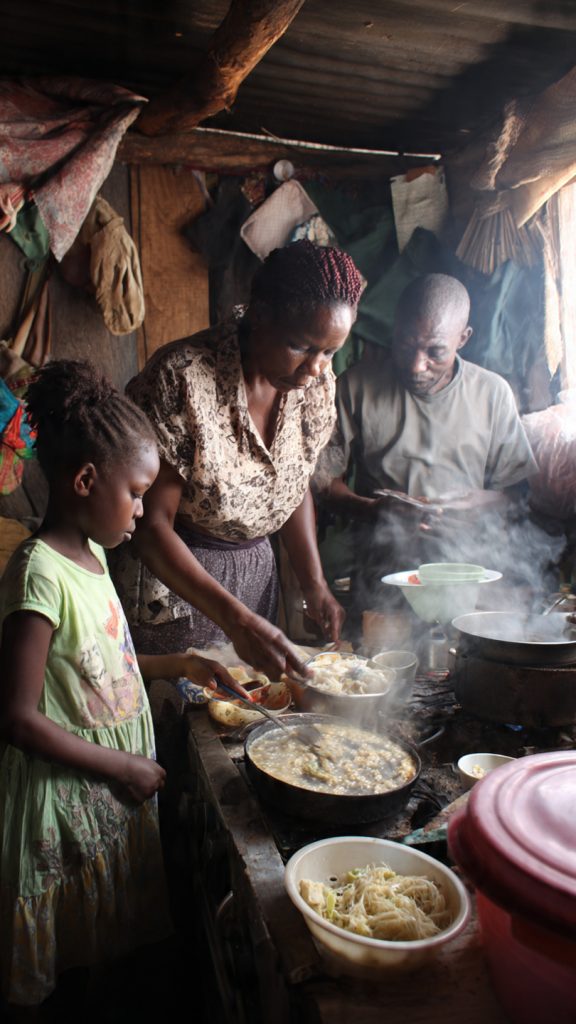
A Congolese family in Johannesburg illustrates this: the mother prepares meals, but limited income and her husband’s spending restricts food diversity. This highlights how gender, migration, and food security intersect.
Gendered Labor and Food Responsibilities
Women typically handle shopping, cooking, and feeding children, while men mainly provide income. This reinforces traditional roles but creates vulnerabilities when women lack decision-making power (Nguyen et al., 2022). In Cape Town, 90% of cooking is done by women, yet 60% of men decide what foods to buy, often limiting nutrition.
Decision-Making and Food Access
Household finances affect food access. Migrant women without documentation face extra barriers, as men often control budgets. In Pretoria, one woman could not buy vegetables because her husband prioritized cheaper staples, resulting in deficiencies for her children.
Intra-Household Distribution
Adult males often receive larger portions, leaving women and girls with less nutritious meals (Doctors Without Borders, 2021). Addressing intra-household allocation is crucial for nutrition equity.
Policy Gaps
Policies like the National Food and Nutrition Security Policy (2018) often overlook migrants and gender inequalities. Without access to social grants, migrant households rely on informal markets, increasing vulnerability.
Evidence Across Cities
- Cape Town: 68% of migrant women report limited access to diverse foods (Nguyen et al., 2022)
- Johannesburg: 55% of households distribute food unequally (Doctors Without Borders, 2021)
- Pretoria: Women without documentation face a 40% higher risk of dietary insufficiency (South African Migration Project, 2023)
Case Studies
- Zimbabwean Family, Cape Town: Community kitchens improved meal diversity.
- Congolese Household, Johannesburg: Voucher systems increased fresh produce access.
- Somali Migrant, Pretoria: Nutrition workshops enabled shared decision-making.
Solutions
- Community Kitchens: Pool resources for fresh produce and shared cooking.
- Nutrition Workshops: Educate men and women on equitable food distribution.
- Policy Advocacy: Include migrants in feeding schemes and grants.
Recommendations
- Policymakers: Include migrants in food programs by 2026.
- NGOs: Expand community kitchens and workshops.
- Healthcare Providers: Screen nutrition with gender-sensitive approaches.
- Communities: Build peer-support networks and advocate for inclusion.
Conclusion
Gender dynamics shape food access and nutrition in African migrant households. Unequal labor and financial control increase malnutrition risks. Coordinated, inclusive, gender-sensitive interventions can improve nutrition outcomes and food security.
References
- Statistics South Africa. (2023). General Household Survey
- Nguyen, T., et al. (2022). Food Security among Zimbabwean Migrants in Cape Town
- Doctors Without Borders. (2021). Nutrition Challenges in Johannesburg Migrant Communities
- South African Migration Project. (2023). Migration, Gender, and Health
- National Food and Nutrition Security Policy. (2018)
Recent Posts:
- What Role Does the Informal Food Sector Play in Meeting the Nutritional Needs of African Migrant Populations?
- How Does Xenophobia Impact the Food Security and Livelihood Strategies of African Migrant Food Vendors in South African Informal Economies?
- What Are the Barriers to Healthcare Access for Diet-Related Non-Communicable Diseases Among Undocumented African Migrants?
- How Do Transnational Food Networks Shape Food Sovereignty and Cultural Identity for African Migrant Communities?
- What Is the Relationship Between Migration Status and Nutritional Transition Among African Migrants in Urban South Africa?