
Long-Term Health Implications of Dietary Acculturation for Second-Generation African Migrants in South Africa
Introduction: Migration and Metabolic Risk
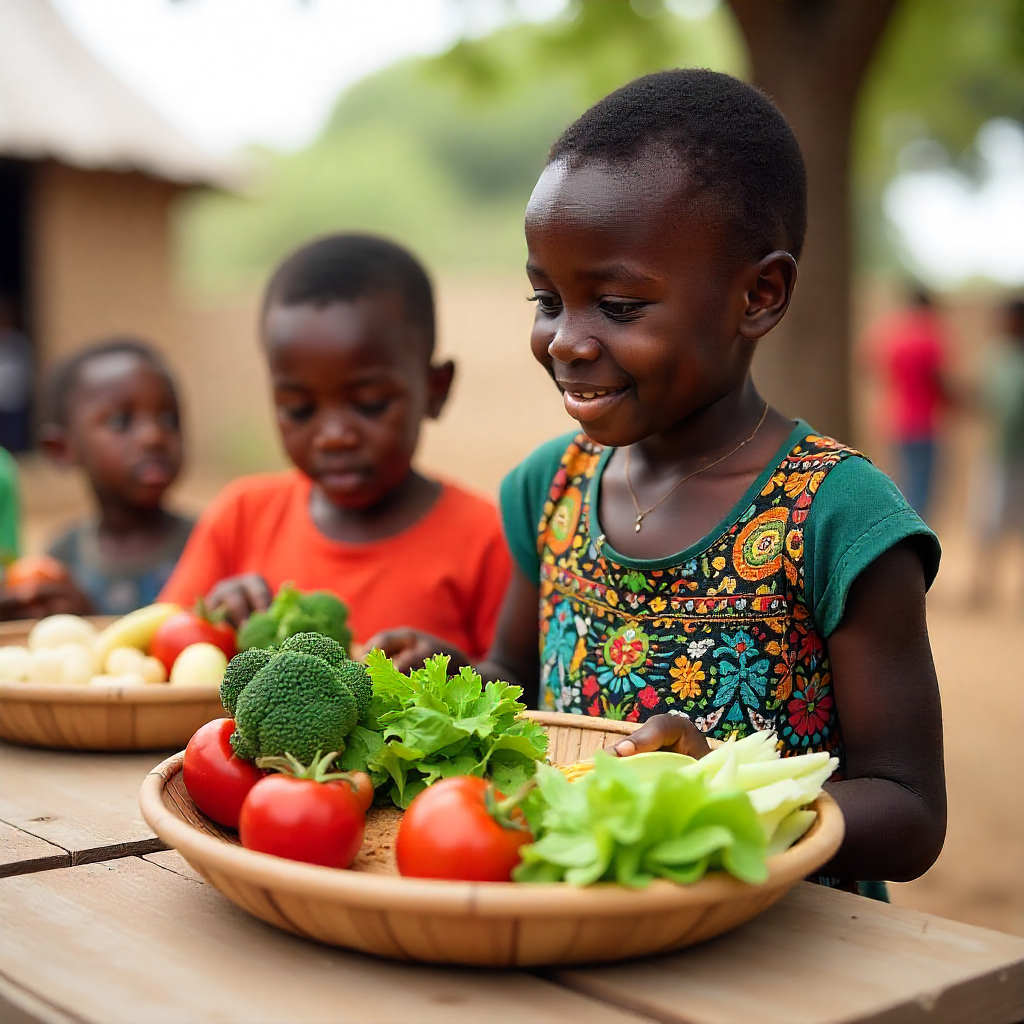
Consider a hypothetical child, born in Johannesburg to parents who migrated from rural Limpopo. At home, the family still eats traditional meals such as maize porridge (pap), leafy greens, and pulses. Outside the home, at school and in urban environments, the child consumes fast food, sugary drinks, and refined snacks. Over time, these dietary changes can increase long-term health risks.
This scenario illustrates dietary acculturation, a shift from traditional diets to more “Westernized” patterns. Globally and in South Africa, such transitions are linked to obesity, type 2 diabetes (T2D), cardiovascular disease (CVD), and other non-communicable diseases (NCDs). According to a 2024 Human Sciences Research Council (HSRC) survey, nearly 50% of South African adults are overweight or obese. Migrant families and their descendants are particularly affected, highlighting the importance of understanding these dietary shifts for public health policy and intervention.
Nutrition Transition in Urban and Migrant Populations
Migration and urbanization significantly influence diet. The Migrant Health Follow-Up Study (MHFUS) tracked rural-to-urban internal migrants and non-migrants between 2018 and 2022. The study identified five distinct dietary patterns, including high consumption of processed foods, red meat, and sugary snacks. Migrants showed greater adherence to these patterns than non-migrants.
Local food environments also play a role. Migrants to cities such as Gauteng often adopt urban dietary patterns more rapidly than those moving to smaller towns. Similarly, a 2024 study among Xhosa populations found that urban residents consume more energy, fat, and animal protein compared to rural peers. This shift reduces gut microbiota diversity and increases bile acid markers associated with colorectal cancer. Moreover, South Africa’s broader nutrition transition toward refined, energy-dense diets is well documented.
Health Impacts of Dietary Acculturation
Obesity and Abdominal Fat
Longitudinal data from MHFUS reveal that rural-to-urban migrants develop higher abdominal obesity than non-migrants. Men who migrated to Gauteng had increased waist-to-height ratios. Women had 1.8 times the odds of being overweight or obese compared to rural-origin peers.
Central obesity raises the risk of metabolic syndrome, T2D, hypertension, and CVD. National surveys confirm that over half of adults, particularly women, live in households that rely on cheap, energy-dense foods. This combination of food insecurity and obesity exemplifies a nutrition paradox affecting urban poor and migrant families.
Dietary Shifts and Gut Microbiome
Urban diets, often low in fiber, alter gut microbiota. Studies show reduced bacterial diversity in urban Xhosa populations compared to rural peers. These changes increase markers linked to colorectal cancer and systemic inflammation, contributing to obesity, diabetes, and cardiovascular risk. Given that over 60% of South Africans now live in urban areas, these dietary shifts pose a growing national health challenge.
Multimorbidity: NCDs alongside HIV
Migrants show rising prevalence of multimorbidity, combining obesity, hypertension, and HIV. Women, older youth, and those with lower education levels face higher risk. Second-generation migrants inherit compounded vulnerabilities: metabolic risk from diet alongside persistent infectious disease exposure.
Children, Adolescents, and Intergenerational Risk
Early exposure to urban, energy-dense diets affects long-term health. Surveys in economically active provinces show children consuming processed foods with minimal whole grains, fruits, or quality protein. This early dietary acculturation sets the stage for intergenerational NCD risk.
Policy Gaps and Challenges
Limited Migration-Sensitive Frameworks
Current national nutrition and NCD policies rarely acknowledge migration status or second-generation migrants. Universal interventions often ignore unique vulnerabilities such as disrupted traditional diets, urban food deserts, and social marginalization.
Inadequate Food Environment Support
Urban migrants often rely on cheap, processed foods. Policies rarely ensure access to affordable fresh produce or community gardens. Urban planning seldom integrates nutrition-sensitive strategies, leaving migrant populations at risk.
Gender and Socioeconomic Inequities
Evidence indicates women face higher obesity and hypertension risk due to caregiving, work, and food preparation roles. Children in migrant households are also underserved by school-feeding programs that ignore cultural dietary needs.
Surveillance Gaps
National surveys often aggregate data by race, province, and age, neglecting migration status. This oversight masks heterogeneity and impedes targeted intervention.
Illustrative Examples
-
Mary from Alexandra township shifts from traditional meals to fast food and sugary drinks. By her 20s, she develops hypertension, reflecting urban migrant obesity trends.
-
Jacob, born in Polokwane, consumes cheap bread, processed meats, and instant noodles due to food insecurity. By his mid-20s, he develops pre-diabetes, illustrating the double burden of food insecurity and NCD risk.
-
Fatima, a 35-year-old mother in Cape Town, balances traditional stews with processed snacks. Both she and her children show low dietary diversity and signs of metabolic syndrome.
These examples mirror patterns documented in South African studies.
Intersectional Risk Factors
Second-generation migrants face unique vulnerabilities:
-
Cultural stress: Balancing traditional diets with peer-influenced urban eating.
-
Socioeconomic constraints: Low income and food insecurity favor energy-dense, nutrient-poor foods.
-
Gender and generational divide: Women and children bear disproportionate risk.
-
Healthcare access gaps: Limited surveillance and culturally tailored counseling.
Innovative Solutions
-
Community-Based Nutrition Programs
Co-design interventions that preserve beneficial traditional foods while promoting healthy urban adaptations. Evidence shows co-designed programs increase engagement and sustainability. -
Improved Food Environments
Subsidize fresh produce in migrant-dense areas. Develop urban planning strategies that promote access to markets, recreational spaces, and physical activity. -
Targeted Health Screening
Include migration status in cohort studies and surveillance. Train community health workers to provide culturally sensitive nutrition counseling. -
Integrated Social Policies
Address structural determinants: poverty, urbanization, food insecurity, and marginalization. Policies should combine welfare, urban planning, and public health strategies. -
Research and Microbiome Studies
Explore how early-life dietary acculturation affects gut health, metabolism, and epigenetic changes across generations.
Policy Recommendations and Timeline
| Stakeholder | Recommendation | Timeline |
|---|---|---|
| National Government | Include migration status in NCD surveillance; fund migrant-sensitive nutrition interventions | 3-year NCD strategic plan (2026–2029) |
| Launch subsidized fresh-produce voucher program | Pilot 12 months; scale 3 years | |
| Municipal Planners | Improve food environments and recreational spaces | Pilot zones 18 months; integrate into 5–10 year planning |
| Public Health Providers | Culturally sensitive counseling via community health workers | Guidelines 6 months; roll-out 12–18 months |
| Researchers/NGOs | Longitudinal studies of second-generation migrants | Launch 24 months; initial findings 5 years |
| Civil Society | Community-based nutrition programs combining traditional and healthy urban diets | Begin engagement 6 months; implement pilot 1 year |
Ethical Considerations
-
Avoid stigmatizing migrants; frame dietary changes as structural, not personal failings.
-
Respect diversity of traditional diets; Africa is not monolithic.
-
Recognize data gaps and resource constraints.
Conclusion and Call to Action
Dietary acculturation among second-generation African migrants drives obesity, diabetes, hypertension, CVD, and gut health changes. Urbanization and food insecurity amplify these risks.
Stakeholders must act:
-
Recognize migrant populations in NCD and nutrition strategies.
-
Improve access to healthy, affordable foods.
-
Fund interdisciplinary research on dietary acculturation and long-term health.
-
Develop culturally sensitive, community-based nutrition programs.
Addressing these issues will reduce long-term NCD burden and improve health equity for South Africa’s migrant communities.
Recent Posts:
- How Do Gender Dynamics Shape Food Access, Preparation, and Nutrition Outcomes Within African Migrant Households in South Africa?
- What Role Does the Informal Food Sector Play in Meeting the Nutritional Needs of African Migrant Populations?
- How Does Xenophobia Impact the Food Security and Livelihood Strategies of African Migrant Food Vendors in South African Informal Economies?
- What Are the Barriers to Healthcare Access for Diet-Related Non-Communicable Diseases Among Undocumented African Migrants?
- How Do Transnational Food Networks Shape Food Sovereignty and Cultural Identity for African Migrant Communities?