
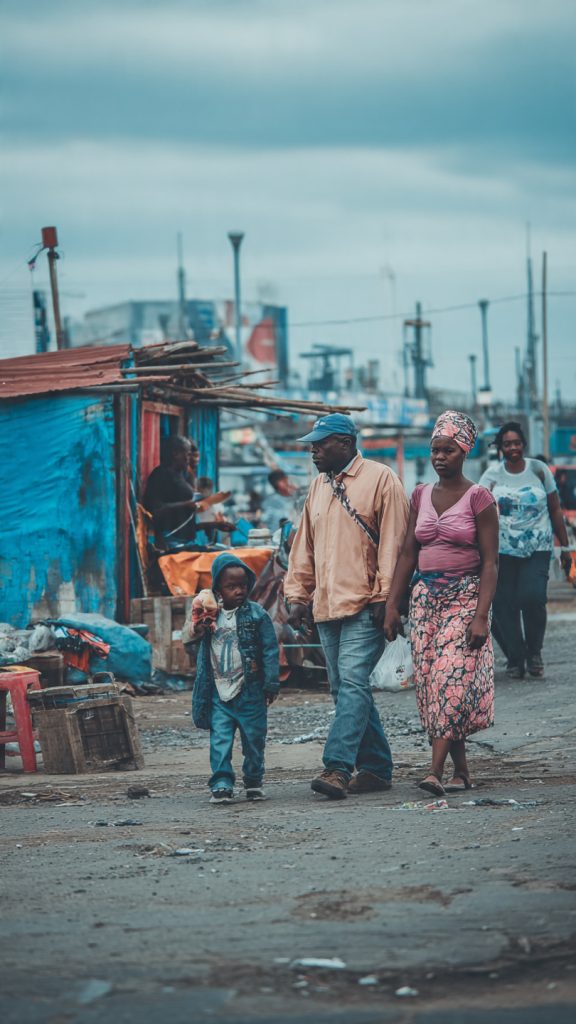
Migration Status and Nutritional Transition Among African Migrants in Urban South Africa
From Rural Roots to Urban Plates
When 28‑year-old “Maria” (pseudonym) moved from a rural Limpopo village to Johannesburg in 2019, she sought better economic opportunities. Instead, she encountered a food environment dominated by convenience and cost pressures. Fresh leafy greens and staples she grew up with were scarce. A 2025 HSRC study reports that many urban migrants desire traditional fruits and vegetables, yet supply-chain issues and high prices prevent regular consumption.
Maria’s experience reflects a broader trend: migration often triggers a shift from traditional diets to processed, energy-dense foods. This “nutrition transition” carries serious health implications. Nearly half of South African adults are overweight or obese, despite widespread food insecurity. Migrants face a double burden of malnutrition: limited access to nutritious foods alongside rising obesity rates.
What Is Nutritional Transition and Why It Matters
Nutritional transition occurs when diets shift from fibre-rich, minimally processed foods to high-calorie, low-nutrient foods. Urbanization, economic change, and globalized food systems accelerate this process. Rural-to-urban migration in South Africa is a key driver. Migrants leave behind agricultural production and culturally rooted dietary habits. In urban centres, they rely on markets and convenience stores where processed foods dominate.
Migration affects both what people eat and how they access food. Economic constraints, cultural adaptation, and availability interact to reshape diets. The result often includes reduced dietary diversity and increased reliance on nutrient-poor foods.
Evidence from Urban Migrants
Key Findings from Recent Studies
Research shows that internal and cross-border migrants experience dietary shifts differently:
-
The Migrant Health Follow-Up Study (MHFUS) of 3,087 adults found migrants consumed more processed foods than non-migrants but had lower overall dietary diversity.
-
Migrants relocating to urban Gauteng ate less red meat than rural peers, whereas migrants to other provinces consumed more red meat and sugary foods.
-
Urban Xhosa populations showed higher energy intake and animal protein consumption compared with rural peers. Researchers also observed changes in gut microbiota, linked to colorectal cancer risk.
-
Nationally, about 50% of adults are overweight or obese, highlighting the growing public health challenge.
-
In Cape Town, adults with low dietary diversity had elevated triglycerides, signaling cardiometabolic risk.
Data from Johannesburg Migrants
The 2025 HSRC “Hidden Superfoods” study revealed that many migrants still desire traditional leafy vegetables such as amaranth, cassava leaves, and African kale. However, availability is limited, prices are high, and younger migrants often lack cooking knowledge.
Younger migrants, especially single men, are less likely to prepare traditional dishes. Older women often retain culinary knowledge and preserve cultural eating habits. As traditional produce becomes scarce, migrants substitute with imported or nontraditional options like spinach or cabbage, which may be less nutritious or culturally familiar.
Structural challenges also matter. Over 300 urban farms exist in Johannesburg, yet only a fraction grows traditional vegetables demanded by migrant communities. Limited resources, infertile soil, and small-scale operations hinder production and affordability.
A 2025 cross-sectional study in Gauteng found that part-time employment, informal work, and lack of medical aid increased the likelihood of food insecurity and skipped meals among migrant households.
Intersectional Realities
Migrants’ dietary experiences vary according to several factors:
-
Gender & Cooking Knowledge: Older women retain traditional cooking skills. Younger men may lack these skills and prefer convenience foods.
-
Age & Adaptation: Younger migrants gravitate toward fast food and processed options due to time, cost, and social influences.
-
Socioeconomic Status: Stable income allows greater access to diverse foods, but limited urban food environments still constrain choices.
-
Household Structure & Remittances: Migrants sending remittances often reduce their own food expenditure, increasing vulnerability.
-
Documentation Status: Undocumented migrants face higher economic constraints, limiting access to healthier and traditional foods.
These factors shape the extent to which migration influences nutritional transition and associated health risks.
Health Outcomes: Double and Triple Burdens
Migration-driven dietary shifts create complex health challenges:
-
Overweight and Obesity: National rates suggest nearly half of adults face excess weight, a trend mirrored among migrants.
-
Cardiometabolic Risk: In Cape Town, low dietary diversity correlated with elevated triglycerides, a marker of early cardiometabolic dysfunction.
-
Gut Microbiome Changes: Urban Xhosa diets correlated with reduced bacterial diversity, a pattern associated with colorectal cancer risk.
-
Micronutrient Deficiencies: Declining consumption of traditional vegetables and fruits increases the risk of hidden hunger, even with sufficient calories.
Migrants are thus vulnerable to a “triple burden” of malnutrition: undernutrition, overnutrition, and micronutrient deficiencies.
Policy Analysis: Gaps and Challenges
National Strategies
The 2023–2028 Strategy for the Prevention and Management of Obesity recognizes ultra-processed foods and sedentary lifestyles. However, it does not address migration-related food environments. Migrant-specific vulnerabilities — like access to traditional foods, cultural knowledge, and economic constraints — remain largely invisible in policy frameworks.
Food Systems and Urban Planning
Urban food systems policies highlight access to affordable, nutritious foods. Yet implementation lags. Few urban farms grow traditional vegetables, and those that do struggle with scale, land, and water access. Migrant households often skip meals or consume nutrient-poor diets, but social protection programs rarely target them.
Research Gaps
-
Cross-border migrants remain under-studied compared to internal migrants.
-
Limited data exist on micronutrient intake, traditional food consumption frequency, and cooking knowledge.
-
Long-term health outcomes linked to dietary shifts are poorly documented.
-
The impact of legal status, remittances, and social networks on diet is not well understood.
Voices from the Ground
Case 1: Amina, Cross-Border Migrant from Zimbabwe
Amina moved to Johannesburg in 2021. In Zimbabwe, she regularly ate wild okra and pumpkin leaves. In Johannesburg, traditional vegetables are costly or unavailable. She now relies on maize meal, bread, polony, cooking oil, and frozen chicken. She also struggles to teach her children to cook traditional meals.
Case 2: Thabo, Internal Migrant from Limpopo
Thabo works part-time and often skips meals. He primarily consumes mealie-meal porridge, bread, fried foods, and cheap processed meat. Local spaza shops rarely stock fresh vegetables. He fears for his children’s nutrition and his own health.
Practitioner Perspective: Urban Farmer
A farmer growing traditional leafy greens notes strong demand among migrant customers. However, poor soil quality, small-scale operations, and limited municipal support constrain supply. She calls for land allocation, training, and market linkages to increase production and affordability.
Innovative Responses
-
Urban Agriculture Targeting Migrants: Some urban farms now produce traditional vegetables for migrant communities. Scaling these farms could improve access and affordability.
-
Community Market Linkages: Linking urban farms to informal shops increases distribution of culturally appropriate foods.
-
Intergenerational Cooking Programs: Workshops for young migrants preserve traditional culinary knowledge.
-
Policy Integration: National strategies should recognize migrant-specific food needs and link food security with chronic disease prevention.
-
Social Protection: Stable employment, housing, and medical aid reduce food insecurity among migrant households.
Recommendations
-
Policy Integration: Update the Obesity Strategy to include migrants and commission a national Urban Migrant Nutrition Assessment (2026–27).
-
Urban Agriculture Support: Allocate municipal land, provide training and water access, and link farms to traders.
-
Community-Based Nutrition Education: Promote culturally appropriate cooking workshops and nutrition materials.
-
Social Protection Expansion: Ensure migrants in informal work access medical aid, housing support, and stable income programs.
-
Research & Monitoring: Fund longitudinal studies, include cross-border migrants, and use mixed methods to assess diet and health outcomes.
Suggested Timeline: Short-term (1–2 years): pilot urban-farm and cooking programs; Medium-term (3–5 years): integrate migrants into policy; Long-term (5–10 years): scale successful interventions.
Limitations
-
Most data focus on internal migrants; cross-border migrant experiences are under-documented.
-
Many studies rely on dietary frequency rather than detailed nutrient intake or biomarkers.
-
Longitudinal data on health outcomes from migration-driven dietary changes remain limited.
-
Impacts of legal status, remittances, and social networks on diet require further study.
Conclusion
Urban migration offers economic opportunity but comes with hidden nutritional risks. Diet shifts among migrants increase vulnerability to obesity, micronutrient deficiencies, and chronic diseases. Addressing these challenges requires systemic, structural interventions.
Policymakers: Recognize migrants as a nutrition-vulnerable group and embed their needs into policy.
NGOs & Community Organizations: Invest in urban farming, cooking programs, and market linkages.
Researchers: Conduct longitudinal, mixed-methods studies including cross-border migrants.
By preserving and adapting healthy traditional diets, South Africa can improve migrant nutrition, reduce malnutrition burdens, and promote equitable food access.
Recent Posts:
- How Does Food Insecurity Among African Migrants in South Africa Compare to Host Population Vulnerabilities?
- Chronic Disease Management Among Migrant Populations: Diabetes and Hypertension Care Access in Pretoria’s Migrant Communities
- Food Remittance Systems: How Somali Migrants Navigate Transnational Food Networks in South Africa
- The Impact of Xenophobia on Healthcare Utilization Among African Migrants in South African Public Clinics
- Maternal and Child Health Outcomes Among Mozambican Migrant Women in Border Communities