
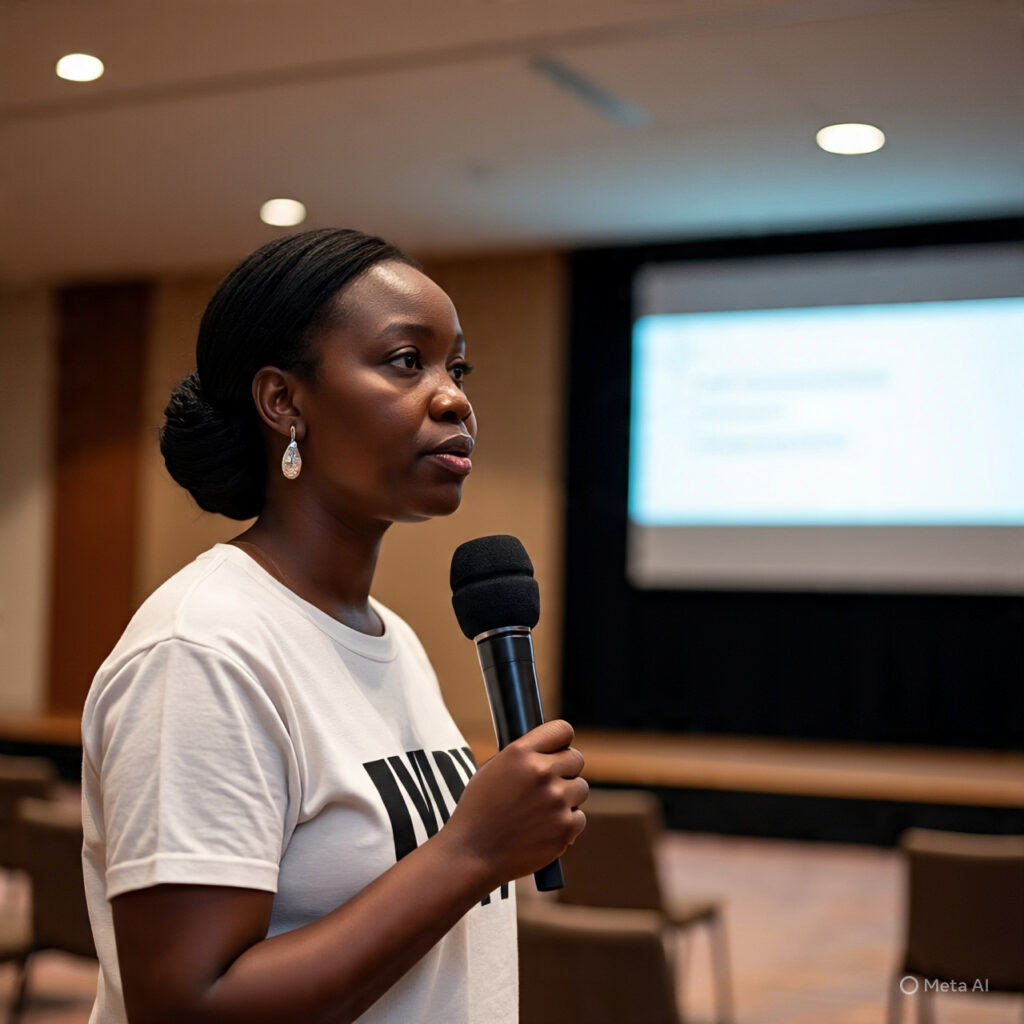
Gender and Migration Myths
Introduction: Feminising Migration Beyond the Stereotypes
Between June 2023 and June 2024, 35,938 Zimbabwean nationals—mostly healthcare professionals—received UK work visas (The Observer Zimbabwe, 2024). Almost half of these migrants were women, many of them nurses and allied health workers. This surge marks a significant shift in Zimbabwe’s migration trends and challenges traditional gender assumptions.
For decades, migration studies portrayed men as economic actors and women as dependents. Yet, Zimbabwean women now migrate independently, seeking better work conditions, safety, and autonomy. This “feminisation of migration” unsettles patriarchal views that confine women to domestic spaces and subordinate roles.
According to the UK Office for National Statistics (2024), women constituted 48% of Zimbabwean migrants entering the UK that year. Similarly, the International Organization for Migration (IOM, 2024) recorded that 45% of outbound migrants from Zimbabwe were women—many pregnant or traveling alone. These figures reveal an undeniable truth: migration is no longer a male-only phenomenon. Women are transforming it from within.
Gendered Assumptions and the Limits of Traditional Migration Theories
Conventional migration theories, from neoclassical economics to push-pull models, long viewed migration as a male domain. Women appeared in the background—as wives, daughters, or dependents following men. Feminist migration scholars have dismantled this bias, arguing that migration decisions often stem from women’s own aspirations, constraints, and social negotiations.
Still, patriarchal assumptions persist in policy design. Health and immigration systems in both Zimbabwe and South Africa often treat migrant women as appendages to male migrants. Services rarely consider them as independent economic actors or as individuals managing chronic illness, reproductive health, and family responsibilities across borders.
By migrating independently, Zimbabwean women not only challenge gendered dependency but also reshape the moral economy of migration—taking on roles as breadwinners, caregivers, and remitters across multiple households and nations.
Policy Frameworks and Gaps: The South African Context
Legal Commitments to Universal Health Access
South Africa’s Constitution (Section 27) guarantees everyone the right to health care, regardless of nationality. The National Health Act (2003) reinforces this right, while the Refugees Act (1998) provides refugees and asylum seekers equal access to services. The National Health Insurance (NHI) Act (2023) further promises universal coverage—though its clause limiting benefits to “certain categories of foreigners” remains ambiguous (NHI Act, 2023).
Persistent Implementation Gaps
Despite strong laws, migrant women still face structural and social barriers:
-
Documentation Status: Undocumented women are frequently denied care or charged fees contrary to policy (PHCFM, 2024).
-
Medical Xenophobia: Health workers sometimes discriminate based on nationality or perceived “deservingness” (SIHMA, 2023).
-
Maternal and Reproductive Health: Pregnant migrants encounter barriers despite legal entitlements to free care.
-
Labour Exploitation: Many women work in informal sectors without contracts or health benefits (University of Pretoria, 2023).
-
Mental Health Neglect: Fear, displacement, and xenophobia produce unaddressed psychological distress (Citizen, 2024).
These challenges expose a gap between policy intent and on-the-ground experience—a space where gender, migration status, and inequality intersect.
Empirical Evidence from Major South African Cities
Pretoria: The Burden of Documentation
A 2024 study in Pretoria’s Nellmapius area revealed how undocumented Zimbabwean women struggle to access affordable care. Many reported denial of treatment or demands for full payment, despite constitutional guarantees. The majority were single mothers aged 20–45, balancing caregiving with precarious informal work.
Johannesburg: Medical Xenophobia and Exclusion
In Johannesburg, Médecins Sans Frontières (MSF) found that many Zimbabwean migrants with chronic diseases such as HIV or tuberculosis were refused treatment or asked for unaffordable fees (MSF, 2024). Pregnant women faced stigma and confusion over eligibility, reflecting ongoing discrimination in urban public hospitals.
Musina-Beitbridge Border: Cross-Border Care Deficits
At the Musina border, clinics on both sides struggle to meet the needs of mobile populations. Mobile clinics, often run by NGOs, fill vital gaps—offering reproductive, maternal, and mental health services. Yet barriers like distance, sanitation, and fear of deportation persist (Citizen, 2024).
Personal Narratives: Agency in Motion
Mary, a 28-year-old nurse in the UK, supports her siblings in Zimbabwe. Her migration grants financial autonomy but isolates her from family. Despite personal sacrifice, she embodies female agency and defies patriarchal expectations of dependency.
Patience, 35, lives undocumented in Pretoria. Turned away from public hospitals, she self-medicates using over-the-counter drugs. Her story reflects how immigration status compounds gender inequality in health access.
Fiona, a pregnant farmworker in Limpopo, faces long commutes and documentation hurdles at local clinics. Her resilience underscores the health risks migrant women face when systems fail them.
These vignettes expose how women’s migration reconfigures power, care, and belonging.
Disrupting Patriarchal Assumptions: Redefining Agency
Zimbabwean women migrants defy traditional binaries—caregiver versus breadwinner, dependent versus provider. Their migration produces new gender economies:
-
Autonomous Decision-Making: Women now migrate for skill, safety, and financial goals, not merely to reunite with family.
-
Economic Leadership: Many become sole providers through remittances.
-
Reconfigured Care: Women provide cross-border care via financial and emotional support, often while working in foreign caregiving sectors.
-
Identity Negotiation: Female migrants continuously renegotiate roles around motherhood, religion, and community, forging hybrid identities (Sage Journal, 2023).
Their mobility highlights agency within constraint, not dependence within protection.
Intersectionality: When Gender Meets Documentation and Class
The experience of Zimbabwean women migrants depends on intersecting factors:
-
Legal Status: Undocumented migrants face exclusion and fear of arrest.
-
Age and Reproductive Stage: Younger women often face risks related to pregnancy and sexual health.
-
Socioeconomic Class: Lower-income women are more exposed to exploitation.
-
Nationality and Ethnicity: Being a foreign African woman in South Africa or the UK adds layers of discrimination.
Intersectionality helps reveal how structural inequalities and gendered expectations overlap to produce distinct vulnerabilities.
Innovative Interventions and Promising Practices
Despite persistent barriers, several initiatives offer hope:
1. Musina Model of Care
MSF’s border-based program provides integrated care for mobile populations—HIV, TB, maternal health, and chronic disease management—bridging continuity across Zimbabwe and South Africa.
2. Gauteng High Court Ruling (2023)
A landmark decision affirmed free public health care for all pregnant and lactating women and children under six, regardless of nationality or documentation (SIHMA, 2023).
3. Civil Society Advocacy
NGOs document cases of medical exclusion, advocate for accountability, and train health workers to combat xenophobia. Legal aid clinics assist women in regularising their status and navigating healthcare systems.
These examples demonstrate that inclusive and gender-sensitive policies are both possible and effective.
Policy Recommendations: Turning Data into Action
| Stakeholder | Action | Timeline |
|---|---|---|
| National Department of Health (SA) | Clarify migrant women’s health rights in official circulars; include them in NHI coverage. | 6–12 months |
| Provincial Health Departments | Train staff to reduce discrimination; monitor migrant patient feedback. | 3–6 months |
| NGOs and Civil Society | Expand mobile clinics; provide mental health and legal support. | Ongoing |
| UK Government and NHS | Review visa and healthcare policies to recognise gendered impacts. | 12–18 months |
| Academia and Researchers | Conduct gender-disaggregated health studies and evaluate interventions. | 6–24 months |
Effective implementation requires collaboration across borders—health ministries, civil society, and diaspora networks working in sync.
Research Gaps and Limitations
Current evidence on Zimbabwean women’s migration remains fragmented. Most studies focus on South Africa, with limited quantitative research on UK outcomes. Few analyses integrate mental health, disability, and long-term reproductive health. Moreover, many surveys fail to disaggregate by gender and documentation status—masking women’s specific vulnerabilities.
Filling these data gaps is crucial to designing responsive health systems and inclusive migration policy.
Conclusion: Redefining Migration Through Women’s Eyes
Zimbabwean women migrants are rewriting the migration story. They are not dependents but active agents shaping economies, remittance flows, and social structures across continents. Their stories challenge patriarchal narratives and reveal both the power and precarity of mobility.
Health and migration policies must catch up with this reality. Inclusive access, gender-responsive care, and intersectional research are not optional—they are essential for equity and system resilience.
Call to Action:
Governments must enforce inclusive health access. Practitioners should deliver non-discriminatory care. NGOs must keep migrant voices central. Researchers must close the evidence gaps. Only then can policy truly reflect the lived experiences of Zimbabwean women who move, care, and lead across borders.
Selected References (15 Sources)
-
The Observer Zimbabwe (2024). Brain Drain Continues to Haunt Zimbabwe.
-
UK Office for National Statistics (2024). Long-Term International Migration Report.
-
IOM Zimbabwe (2024). Flow Monitoring Report – September 2024.
-
Médecins Sans Frontières (2024). Zimbabwean Nightmare: Neglect Continues in South Africa.
-
SIHMA (2023). Maternal Health of Migrants in South Africa.
-
PHCFM (2024). Access to Healthcare by Undocumented Zimbabwean Migrants in Pretoria.
-
University of Pretoria (2023). Gender, Migration and Labour Exploitation in South Africa.
-
NHI Act No. 20 of 2023. Republic of South Africa.
-
South African Constitution (1996). Section 27.
-
National Health Act No. 61 of 2003.
-
Refugees Act No. 130 of 1998.
-
The Citizen (2024). How Migrants Access Healthcare in Border Towns.
-
Sage Journal (2023). Negotiating Identity in Zimbabwean Women’s Transnational Lives.
-
MSF (2024). Mobile Clinics for Border Health Care.
-
The Conversation (2023). Migrants’ Healthcare Rights and Implementation Challenges in South Africa.
Recent Posts:
- The ‘Failed Integration’ Narrative: Second-Generation Nigerian-Britons and Belonging
- Remittances and ‘Dependency’: Rethinking How Kenyan Diaspora Economics Actually Work
- Student or Economic Migrant? The False Binary in South African Educational Migration
- The ‘Burden on Services’ Myth: Examining African Migrants’ Actual Contributions to UK Public Systems
- Temporary or Permanent? Debunking Settlement Myths About Zimbabwean Migration Patterns