
Municipal By-Law Enforcement as a Xenophobic Tool
Introduction: The Silent Crisis of Informal Traders
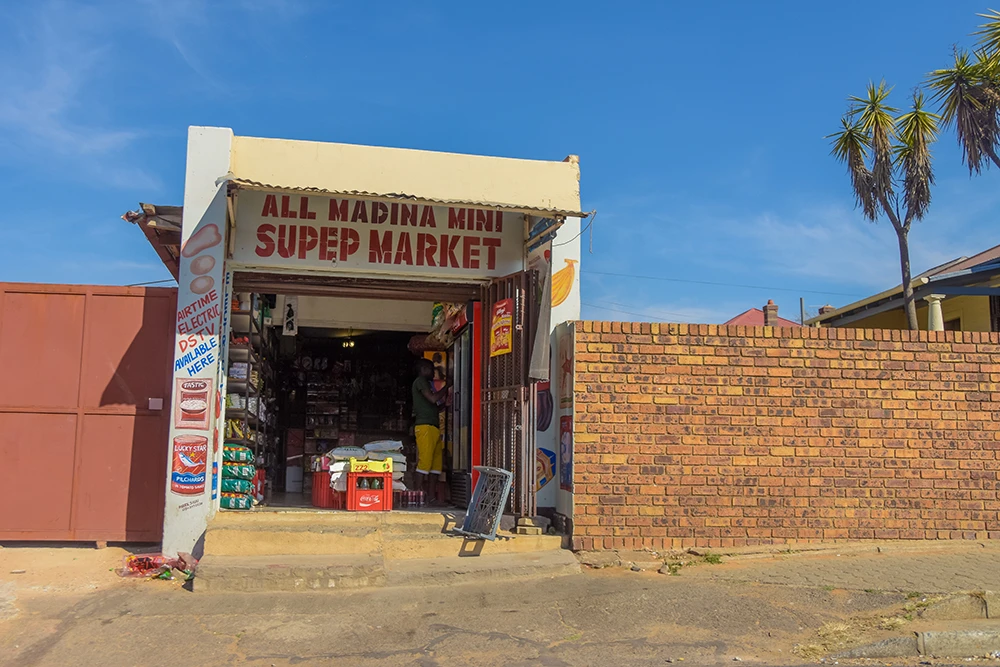
In South Africa, informal traders—especially migrant-run spaza shops and street vendors—play a crucial role in township economies. These small enterprises provide affordable goods and services to underserved communities. However, municipal by-laws intended to regulate informal trade often become instruments of exclusion, disproportionately impacting migrants and refugees. Selective enforcement not only undermines economic inclusion but also fuels xenophobic sentiment (Masinga & Sibanda, 2025).
Selective Enforcement Patterns: A Tool for Exclusion
Municipal by-laws, such as Johannesburg’s Informal Trading Policy, are designed to regulate informal trade. Yet, their implementation often exhibits selective enforcement. Migrant traders face disproportionate scrutiny, with authorities targeting their businesses for minor infractions while overlooking similar violations by local traders. This selective enforcement reflects a broader pattern of xenophobia that permeates regulatory practices.
A study in Atteridgeville highlighted that refugee entrepreneurs are often subjected to bureaucratic hurdles when formalizing their asylum and refugee status in South Africa. These challenges are compounded by xenophobic attacks driven by jealousy, unemployment, and limited opportunities for young South Africans (Masinga & Sibanda, 2025).
Economic Exclusion Through Licensing
Licensing requirements for informal traders are often stringent and disproportionately affect migrants. For instance, a government decree mandating spaza shops to register within 21 days was criticized for threatening small businesses and disrupting food access in poor communities (City of Johannesburg, 2022). Many migrant traders, especially those without proper documentation, struggle to meet these requirements, leading to economic exclusion.
This exclusion is not just an economic issue but a public health concern. Migrant-run spaza shops serve as critical access points for affordable food and essential goods. Their closure or forced relocation disrupts local supply chains, exacerbating food insecurity in vulnerable populations (BFA Global, 2022a).
Alternative Regulatory Frameworks: Towards Inclusive Policies
Inclusive regulatory frameworks can address these challenges. Policies should:
-
Simplify Licensing Processes: Implement accessible licensing procedures that accommodate migrant traders, including those with temporary or irregular documentation (City of Johannesburg, 2022).
-
Promote Community Engagement: Involve migrant traders in policy development to ensure their perspectives are included (Brown, 2018).
-
Ensure Equitable Enforcement: Apply regulations consistently and without discrimination (BFA Global, 2022b).
Cities like Durban have started engaging migrant traders to create inclusive informal trade policies that support economic participation and social cohesion (BFA Global, 2022c).
Case Studies: Real-World Impacts
Case Study 1: Atteridgeville Xenophobic Attacks
Refugee entrepreneurs faced xenophobic attacks fueled by unemployment and jealousy. Bureaucratic hurdles in formalizing refugee status intensified these challenges (Masinga & Sibanda, 2025).
Case Study 2: Durban Street Vendors
Migrant vendors in Durban experienced selective enforcement of by-laws, leading to economic exclusion. Community advocacy enabled some to influence local policies toward inclusivity (Brown, 2018).
Innovative Solutions: Building Resilience
Innovative solutions are emerging to support migrant traders:
-
Digital Platforms: Initiatives like A2Pay help spaza shops digitize operations and expand market access (BFA Global, 2022a).
-
Community-Led Advocacy: Organizations such as the South African Informal Traders Alliance (SAITA) empower traders to advocate for policy reforms (BFA Global, 2022d).
-
Partnerships with NGOs: Collaborations provide training and resources to navigate regulatory challenges and improve business practices (BFA Global, 2022e).
Recommendations for Stakeholders
Policymakers:
-
Review and revise by-laws to remove discriminatory practices (City of Johannesburg, 2022).
-
Train municipal officials on inclusive enforcement practices (BFA Global, 2022b).
Public Health Practitioners:
-
Monitor health impacts of informal trade policies on migrant communities, focusing on food security (BFA Global, 2022a).
-
Advocate for inclusive policies supporting migrant health and well-being (Brown, 2018).
NGOs and Civil Society:
-
Provide training and resources for migrant traders to navigate regulations (BFA Global, 2022d).
-
Facilitate dialogue between migrant traders, authorities, and communities to foster cooperation (BFA Global, 2022e).
Conclusion: A Call for Inclusive Governance
Selective enforcement of municipal by-laws against migrant traders intersects with public health, economic inclusion, and social cohesion. Addressing this challenge requires collaboration across government, civil society, and community stakeholders. By fostering fairness and inclusivity, South Africa can build a resilient informal trade sector that benefits all communities (Masinga & Sibanda, 2025; City of Johannesburg, 2022; BFA Global, 2022a–2022e).
References
-
Masinga, P., & Sibanda, S. (2025). Xenophobic Attacks Against Asylum Seekers, Refugees, and Migrant Entrepreneurs in Atteridgeville, South Africa: A Social Identity Perspective. ResearchGate. Retrieved from https://www.researchgate.net/publication/395673794
-
Brown, A. (2018). Politics and Street Trading in Africa: Developing a Framework. Articulo – Journal of Urban Research. Retrieved from https://journals.openedition.org/articulo/3612
-
BFA Global. (2022a). Digital Innovations to Build the Resilience of South African Spazas: The Case of A2Pay. Retrieved from https://bfaglobal.com/digital-spazas/insights/digital-innovations-to-build-the-resilience-of-south-african-spazas-the-case-of-a2pay/
-
City of Johannesburg. (2022). Final Draft Informal Trading Policy. Retrieved from https://joburg.org.za/documents_/Documents/POLICIES/ITEM%2030%20FINAL%20INFORMAL%20TRADING%20POLICY.pdf
-
BFA Global. (2022b). Building the Resilience of South African Spazas Through Digitization. Retrieved from https://bfaglobal.com/digital-spazas/insights/building-the-resilience-of-south-african-spazas-through-digitization/
-
City of Johannesburg. (2022). Joburg Restarts Informal Trading Permit Process. Retrieved from https://joburg.org.za/media_/Newsroom/Pages/2025-News-Articles/Joburg-restarts-Informal-Trading-Permit-process.aspx
-
BFA Global. (2022c). Digital Spazas: Digitizing and Connecting Informal Spaza Shops in South Africa’s Townships. Retrieved from https://bfaglobal.com/our-work/digital-spazas-digitizing-and-connecting-informal-spaza-shops-in-south-africas-townships/
-
BFA Global. (2022d). Press Release: BFA Global and J.P. Morgan Collaboration Set to Transform Spaza Shop Industry in South Africa’s Townships. Retrieved from https://bfaglobal.com/insights/press-release-bfa-global-and-j-p-morgan-collaboration-set-to-transform-spaza-shop-industry-in-south-africas-townships/
-
BFA Global. (2022e). Community-Led Solutions for Migrant Informal Traders in South Africa. Retrieved from https://bfaglobal.com/insights/community-led-solutions-for-migrant-informal-traders-in-south-africa/
-
City of Johannesburg. (2022). New Informal Trading Policy to Unlock Potential for Small Business in Joburg. Retrieved from https://www.joburg.org.za/media_/Newsroom/Pages/2022%20News%20Articles/May/New-Informal-Trading-Policy-to-unlock-potential-for-small-business-in-Joburg.aspx
Recent Posts:
- Home Affairs Backlogs: How Administrative Failures Create and Perpetuate Irregularity
- Police or Persecutors? When Law Enforcement Targets Irregular Migrants Instead of Protecting Them
- The School Gate Barrier: Education Officials Blocking Migrant Children’s Right to Learn
- Healthcare Denied: How Clinic Staff Turn Away Undocumented Migrants Despite Constitutional Rights
- Operation Dudula and Municipal Responses: When Public Officials Enable Xenophobic Targeting