
Cape Town’s Refugee Integration Model
A City of Opportunity and Tension
Cape Town, one of South Africa’s most diverse cities, represents both promise and conflict. According to the City of Cape Town’s 2023 Social Cohesion Report, over 250,000 refugees and asylum seekers live in the metro area. Most come from the DRC, Somalia, Ethiopia, and Zimbabwe.
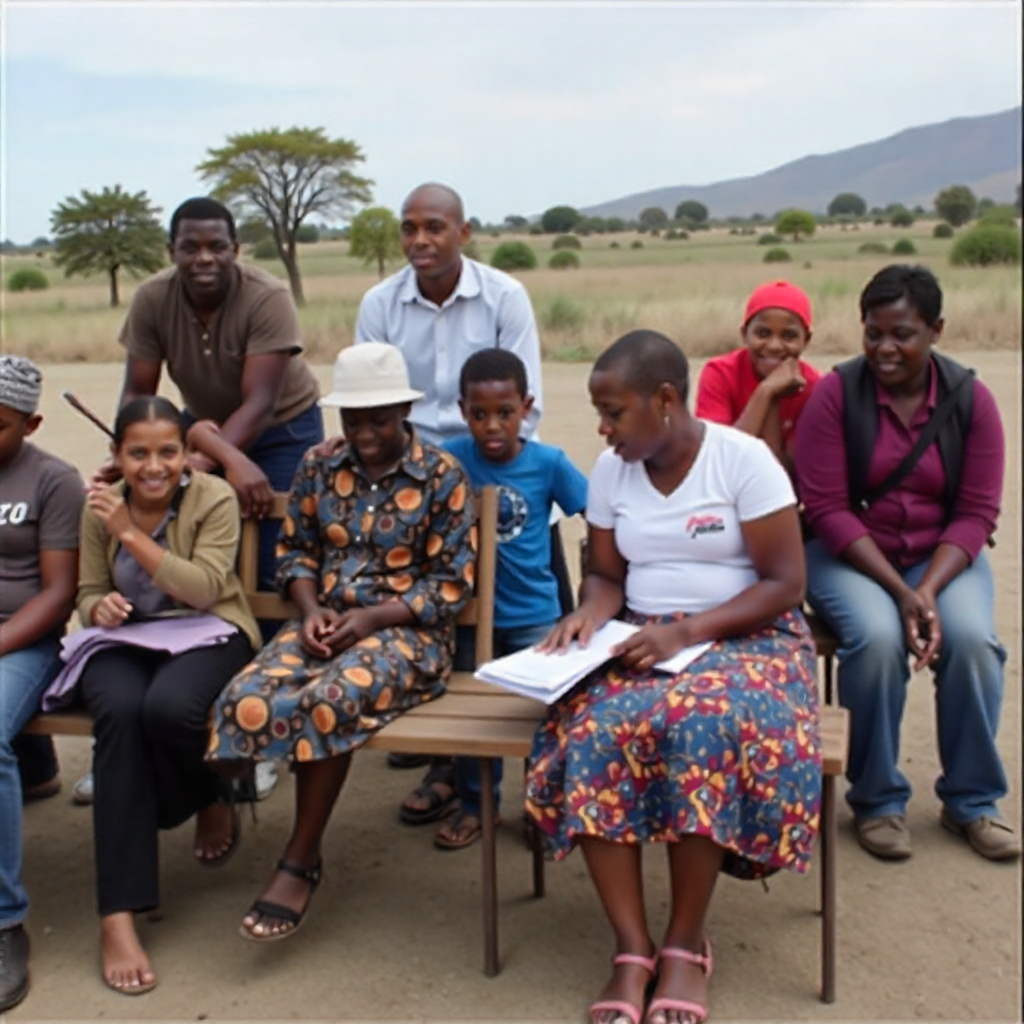
Yet, periodic xenophobic attacks and evictions have strained relationships between migrants and host communities. After violent events in Bellville and Mowbray in 2019, local religious groups, NGOs, and municipal officials collaborated to introduce community dialogue programs. These initiatives focus on trust, empathy, and shared problem-solving.
“Dialogue doesn’t just prevent conflict—it builds shared futures.”
Today, Cape Town’s model is considered a blueprint for inclusive integration, showing how conversation can prevent violence and foster collaboration.
Why Structured Dialogue Matters
Migrants face challenges such as limited access to jobs, healthcare, and housing. At the same time, locals often struggle with unemployment, poor services, and inequality. Together, these pressures create fertile ground for tension.
Traditional responses, like police crackdowns or awareness campaigns, have largely failed. According to the Western Cape Social Inclusion Framework (2022), sustainable peace requires structured dialogue among residents and migrants.
When communities meet to discuss safety, healthcare, or informal trading spaces, they humanize one another. As a result, fear gives way to understanding.
🔗 Learn more about systemic policy gaps in: Municipal By-Laws and Xenophobia.
Cape Town’s Refugee Integration Model
The city’s approach combines mediation, economic collaboration, and civil society leadership through three connected pillars. Each pillar reinforces the others, creating a holistic integration strategy.
1. Mediation and Community Dialogue
Since 2020, NGOs such as the Scalabrini Centre of Cape Town (SCCT) and Centre for Justice and Crime Prevention (CJCP) have facilitated dialogue circles in Bellville, Philippi, and Delft.
Instead of formal hearings, these sessions emphasize storytelling and joint problem mapping. For example, in Philippi, Somali traders and local youth mapped crime hotspots and agreed on joint patrols. Consequently, participants started seeing each other as collaborators rather than competitors.
A 2023 CJCP evaluation found that over 70% of participants reported improved trust toward migrants within three months. This aligns with the UNHCR’s 2021 Community-Based Protection Strategy, which highlights participatory conflict resolution as a best practice.
“When communities talk, conflict loses its grip.”
2. Economic Integration Reduces Tensions
Dialogue often reveals shared economic interests. In Bellville South, unemployed locals expressed interest in learning business skills from migrant traders. This led to the Bellville Business Exchange Program (2021–2024).
Through the program, South African youth paired with migrant entrepreneurs for six-month apprenticeships. By mid-2024, over 180 South Africans had completed training, and 45 joint ventures were registered with the CIPC. The initiative reframed migrants as collaborators, fostering mutual prosperity.
This aligns with the National Development Plan 2030 and the National Labour Migration Policy (2022), which emphasize inclusive local economies that leverage migrant skills.
🔗 See related: Home Affairs Backlogs: How Administrative Failures Create and Perpetuate Irregularity.
3. Faith-Based and Civil Society Leadership
Religious organizations are central to Cape Town’s peacebuilding. The South African Council of Churches, Muslim Judicial Council, and Jesuit Refugee Service host interfaith dialogues that combine moral guidance with conflict resolution.
In 2023, one Mowbray initiative created a community center offering counselling, food support, and shared worship services. Migrant and local women co-led the center, promoting solidarity in tackling gender-based violence.
Civil society provides neutral spaces for dialogue, especially where trust in government is limited.
Policy Alignment: What Sets Cape Town Apart
Many municipalities struggle to turn integration policies into action. Cape Town succeeds by aligning local programs with national and provincial frameworks:
-
White Paper on International Migration (2017)
-
National Migration and Urban Policy (2021 Draft)
-
Western Cape Human Settlements Framework (2022)
-
City of Cape Town Resilience Strategy (2020)
However, challenges persist. A 2024 HSRC review found that only 40% of integration projects continue beyond initial funding, highlighting the need for long-term investment.
“Policy coherence is not enough—programs must be funded, measured, and sustained.”
Intersectional Considerations: Gender, Age, and Legal Status
Integration affects people differently based on identity and documentation.
Women: Migrant women face double discrimination. Programs like Women’s Circle Dialogues (2021–2024) reached over 300 women, providing counselling, legal aid, and healthcare referrals.
Youth: The ACMS Youth Cohesion Study (2023) found that shared sports and arts activities significantly reduce xenophobia among young participants.
Legal Status: Undocumented migrants often avoid public spaces. Partnering with Home Affairs mobile units, the City allowed confidential registration, increasing participation by 45%.
Lessons From Other Cities
Cape Town’s model contrasts with other metros:
-
Durban: Dialogues are sporadic; mistrust persists (KZN Refugee Rights Coalition, 2023).
-
Johannesburg: Mayfair Peace Forums reduced violence temporarily but lacked city support.
-
Pretoria: Tshwane Migrant Forum shows promise but struggles politically.
Institutional ownership makes Cape Town’s approach sustainable and replicable.
Case Studies: Dialogue in Action
Philippi Peace Circles: Gangs and migrant shopkeepers co-developed safety charters. Within 18 months, attacks on migrant shops dropped by 35%.
Bellville Business Exchange: Joint training increased participant income by 27% and improved trust in 82% of participants.
Mowbray Interfaith Hub: Facilitated over 1,200 counselling sessions in 2023, fostering community healing.
Challenges That Remain
Despite successes:
-
Programs cover only a fraction of communities.
-
Reliance on short-term funding threatens sustainability.
-
Monitoring systems are weak; few cities measure outcomes.
-
National policy reforms often fail to reach local implementation.
Without systemic integration, successes risk fading.
Best Practices and Innovations
Cape Town’s experience highlights strategies that can scale:
-
Institutionalize dialogue in municipal IDPs.
-
Link peacebuilding to economic development and youth employment.
-
Engage universities and private sector for program design and evaluation.
-
Deploy mobile mediation units for hotspots.
-
Use digital storytelling to showcase coexistence successes.
“Social cohesion and economic inclusion reinforce each other.”
Actionable Recommendations
Policy Makers (0–12 months):
-
Include migration indicators in city performance frameworks.
-
Establish permanent funding for dialogue programs.
NGOs & Civil Society (6–18 months):
-
Develop shared monitoring tools.
-
Expand mentorship programs linking local and migrant entrepreneurs.
Researchers (6–24 months):
-
Conduct longitudinal studies on health and social outcomes.
-
Study how dialogue improves healthcare access.
Communities (Immediate):
-
Form neighborhood peace committees.
-
Use WhatsApp groups and local radio for updates.
🔗 Related: Community-Led Solutions: African Migrant Organizations Addressing Healthcare Gaps
Conclusion: Building Shared Futures
Cape Town’s refugee integration programs show that dialogue transforms conflict into collaboration. Mediation, economic inclusion, and faith-based leadership are key.
Scaling these efforts requires policy coherence, stable funding, and evaluation. Integration must be a core urban governance priority.
“Peace begins not in policies, but in conversations between neighbours.”
Recent posts:
- From Spaza Shops to Street Vendors: Municipal By-Law Enforcement as Xenophobic Tool
- Home Affairs Backlogs: How Administrative Failures Create and Perpetuate Irregularity
- Police or Persecutors? When Law Enforcement Targets Irregular Migrants Instead of Protecting Them
- The School Gate Barrier: Education Officials Blocking Migrant Children’s Right to Learn
- Healthcare Denied: How Clinic Staff Turn Away Undocumented Migrants Despite Constitutional Rights