
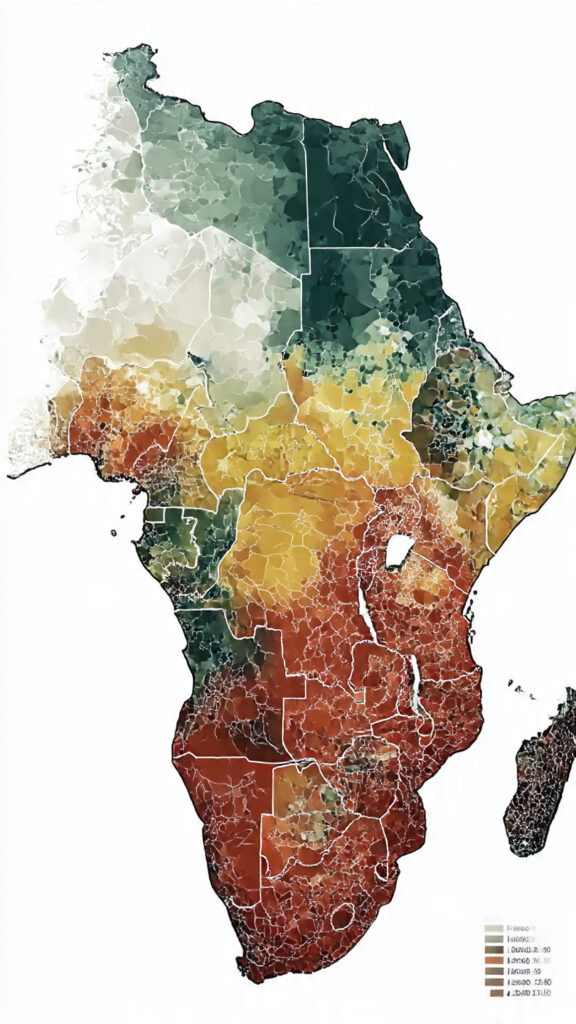
South Africa’s Remittance Costs vs. Other African Countries
Introduction
Nomsa, a 29-year-old domestic worker from Malawi in Pretoria, sends ZAR 700 (~US$37) monthly to support her children. She pays ZAR 70 (~10%) in fees, reducing the funds available for essential needs. Across Southern Africa, millions of migrants face similar costs. Q1 2025 data show sending USD 200 from South Africa to Southern Africa costs 8.9 %, above the global average of 6.5 %. High fees push many migrants toward informal, riskier channels.
Why Costs Remain High
Several factors contribute:
-
Small transfers & fixed fees make costs proportionally high.
-
Limited competition in certain corridors reduces incentives to lower fees.
-
Regulatory compliance adds operational costs.
-
Informal networks are costly but necessary for undocumented migrants.
Reducing fees requires policy reform, financial inclusion, and digital innovation.
Evidence from South African Cities
-
Johannesburg & Pretoria: Grace, undocumented from Zimbabwe, pays ZAR 70 monthly on a ZAR 700 transfer. Pedro, documented Mozambican, uses informal networks due to bank fees >15 %.
-
Cape Town – Women Migrants: Maria, Malawian, pays ZAR 50 for ZAR 500 monthly due to lack of ID. Women often remit small amounts frequently, increasing relative costs.
-
Corridor Snapshot: SA→Mozambique: USD 100 costs 15%; SA→Zimbabwe: USD 55 costs 13.6%. Digital alternatives elsewhere reduce fees to 3–4%.
Innovative Solutions
-
Fintech & Mobile Money: Platforms like Mama Money lower fees and bypass cash agents.
-
Financial Inclusion Programs: NGOs like MiFOOD link remittance choices to health and nutrition.
-
Digital Channels: Mobile money reduces costs to ~3.6%, improving transparency and inclusion.
Recommendations
Policymakers:
-
Improve data transparency (12 months).
-
Simplify licensing & create fintech sandboxes (18–24 months).
-
Target high-cost corridors (24–36 months).
-
Integrate remittance-cost reduction into health and migration policy (18 months).
NGOs & Migrant Groups:
-
Provide multilingual financial education (12 months).
-
Test remittance-linked health programs (18–24 months).
-
Advocate for policy reforms (ongoing).
Financial Service Providers:
-
Offer tiered pricing for small transfers (12–18 months).
-
Publish clear fee schedules (6–12 months).
-
Expand agent networks and bundle remittance-health services (18–24 months).
Conclusion
High remittance costs limit funds for health, nutrition, and education. Reducing fees improves household resilience, health equity, and migrant well-being. Coordinated efforts by policymakers, NGOs, and financial providers can maximize the impact of migrants’ contributions.
References
Recent Posts:
- Which African Countries Receive the Most Remittances from South African-Based Migrants?
- What Were the Major Migration Waves into South Africa During the Apartheid Era?
- How Has African Migration Contributed to South Africa’s Economic Growth Over the Past Decade?
- What Are the Main Challenges African Migrants Face When Sending Remittances from South Africa?
- How Much Money Do African Migrants Send Home from South Africa Annually?