
Skills African Migrants Bring to South Africa’s Labour Market
Introduction: A Vital Workforce in a Challenging Context
South Africa hosts one of the largest African migrant populations on the continent. Over 4 million foreign-born residents live here, mainly from Zimbabwe, Mozambique, and the Democratic Republic of Congo. Moreover, migrants face systemic barriers. These include restrictive visa policies, limited rights for asylum seekers, and rising xenophobia.
Despite these challenges, migrants contribute significantly to the labour market. Their skills, resilience, and entrepreneurial spirit are essential in healthcare, agriculture, construction, and small businesses. However, these contributions often go unrecognised. This blog explores the skills migrants bring, identifies policy gaps, and offers evidence-based recommendations to improve labour market integration.
The Skills Migrants Bring: From Healthcare to Entrepreneurship
Healthcare Professionals
African migrants play a key role in South Africa’s health workforce. Moreover, the 2018 Policy Guideline on Medical Professionals allows foreign-trained professionals to practice if they meet certain criteria. For example, they must complete an internship and community service. Consequently, this framework helps integrate skilled healthcare workers into the national health sector.
In Johannesburg hospitals, Congolese nurses have filled critical gaps. They bring specialised skills in infectious disease management. Consequently, patient care improves in areas struggling with staffing shortages.
Skilled Trades and Construction Workers
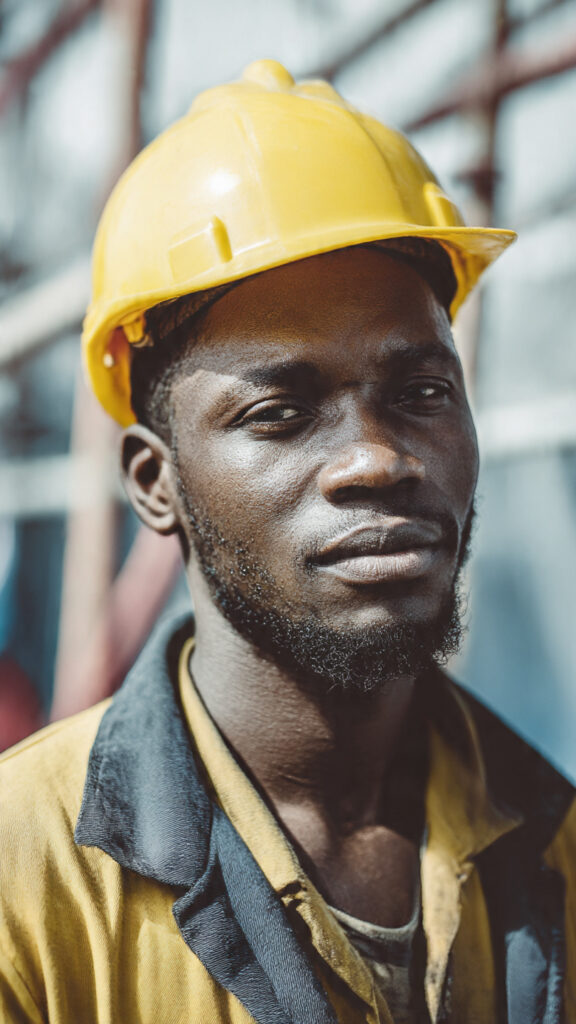
Migrants from Zimbabwe and Malawi have long supported South Africa’s construction industry. They possess skills in bricklaying, plumbing, and electrical work. Often, they acquire these skills through informal apprenticeships or vocational training in their home countries.
Furthermore, their expertise is evident in urban projects in Cape Town and Durban. These migrants contribute to infrastructure development and maintenance, enhancing urban growth and local economies.
Entrepreneurs and Small Business Owners
African migrants also boost the informal economy. Many run small businesses, including retail shops, restaurants, hair salons, and transport services. These enterprises provide jobs for locals and other migrants. For instance, in Johannesburg and Pretoria, migrant-owned businesses supply essential goods and services, strengthening community resilience.
Policy Gaps and Structural Barriers
Restrictive Visa and Work Permit Systems
South Africa’s visa and work permit systems remain barriers to formal labour market participation. However, the 2025 White Paper on National Labour Migration Policy proposes a points-based system to attract skilled workers. Additionally, it suggests automatic work rights for spouses of skilled migrants.
Yet, implementation remains inconsistent. Many migrants still struggle to obtain legal work status. Therefore, policies alone are insufficient without effective enforcement.
Discrimination and Xenophobia
Migrants often face discrimination in hiring and workplace environments. A 2023 study found that highly qualified African migrants struggle to secure jobs matching their skills due to xenophobic attitudes among employers. Consequently, skills underutilisation reduces economic potential and fosters social exclusion.
Limited Recognition of Foreign Qualifications
Another barrier is the slow recognition of foreign qualifications. This is especially common in regulated professions like healthcare and engineering. Accreditation bodies require additional certification or exams. Therefore, even highly skilled migrants face hurdles entering the formal workforce.
Case Studies: Real-World Examples
The Voiceout Deaf Farming Collective
In Westonaria, near Johannesburg, the Voiceout Deaf Farming Collective trains deaf individuals in agriculture. Founded by Matebogo Victoria, a deaf entrepreneur, it teaches sustainable farming and South African Sign Language.
As a result, participants gain skills, find employment, and contribute to local food production. This project demonstrates how inclusive training programs benefit both migrants and communities.
Congolese Refugees in Durban
In Durban, Congolese refugees run supermarkets and hair salons serving migrant and local communities. Moreover, these businesses create jobs for others. They illustrate the entrepreneurial spirit of migrants and their role in local economic development.
Innovative Solutions and Successful Programs
Skills Development and Recognition Initiatives
Programs that recognise foreign qualifications and provide training improve migrant integration. For example, language courses, vocational education, and certification programs enhance employability. Consequently, these initiatives bridge the gap between migrant skills and labour market requirements.
Inclusive Labour Migration Policies
Inclusive policies, such as the points-based system and automatic work rights for spouses, attract skilled migrants. However, policymakers must also address discrimination and xenophobia. Ensuring legal work status and qualification recognition is equally critical.
Recommendations for Policymakers, Employers, and Civil Society
Policymakers
-
Implement Labour Migration Reforms Fully: Ensure the points-based system and automatic work rights for spouses are operational.
-
Streamline Qualification Recognition: Create clear pathways for recognising foreign credentials in regulated professions.
-
Combat Discrimination: Promote diversity in workplaces through awareness campaigns and legal enforcement.
Employers
-
Adopt Inclusive Hiring Practices: Value migrant skills and provide equal opportunities.
-
Offer Training and Development: Support migrants in skill enhancement and workplace integration.
Civil Society and NGOs
-
Advocate for Migrant Rights: Raise awareness about migrant contributions and support inclusive policies.
-
Provide Support Services: Offer legal aid, language training, and employment guidance.
Conclusion: Harnessing the Potential of African Migrants
African migrants bring skills, expertise, and resilience to South Africa’s labour market. Recognising their contributions is both a moral and economic imperative.
By implementing inclusive policies, combating discrimination, and recognising foreign qualifications, South Africa can unlock the full potential of its migrant workforce. Consequently, migrants can contribute to a more dynamic, inclusive, and resilient economy.
References
Recent Posts:
- How Do Remittance Costs from South Africa Compare to Other African Host Countries?
- Which African Countries Receive the Most Remittances from South African-Based Migrants?
- What Were the Major Migration Waves into South Africa During the Apartheid Era?
- How Has African Migration Contributed to South Africa’s Economic Growth Over the Past Decade?
- What Are the Main Challenges African Migrants Face When Sending Remittances from South Africa?