
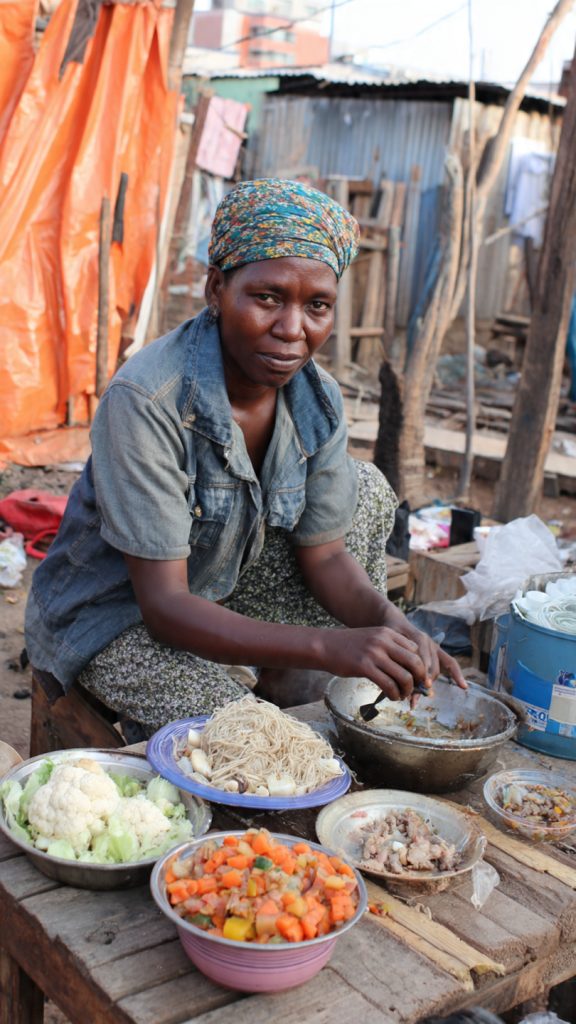
Zimbabwean Migrants in Johannesburg: From Traditional Diets to Urban Foods
Nutritional Transitions Among
Introduction: A Changing Food Landscape
In Johannesburg’s dense urban neighbourhoods—Hillbrow, Berea, Rosettenville, Yeoville—Zimbabwean migrants face rapid shifts in their diets. A 2023 Johannesburg Migrant Food Security Study found that 62% of Zimbabwean migrants reported significant dietary changes within their first year in the city, driven by income constraints, unfamiliar food environments, and limited access to traditional foods. These shifts often lead to higher intake of cheap, ultra-processed foods and lower consumption of nutrient-dense staples.
Take Tariro, a 32-year-old domestic worker in Berea. She once ate sadza, leafy greens, and legumes daily in Gweru. But in Johannesburg, long work hours and high food prices force her to rely on vetkoek, chips, and instant noodles. Her story mirrors those of thousands navigating South Africa’s urban food system.
This blog explores these nutritional transitions using recent data, policy analysis, and stakeholder perspectives. It also highlights practical solutions to strengthen food security and improve migrant health outcomes in South Africa.
Understanding Traditional Zimbabwean Diets
Zimbabwe’s traditional diet revolves around:
-
Sadza (maize meal)
-
Green leafy vegetables like covo, muriwo, tsunga
-
Legumes such as beans and nyemba
-
Small grains—millet, sorghum (less common in urban Zimbabwe, but still culturally significant)
-
Occasional animal protein
These diets are typically high in fibre, micronutrients, and plant-based proteins. They also involve home cooking, communal food preparation, and predictable meal rhythms.
However, migration disrupts these patterns. As migrants settle in Johannesburg, access to these foods weakens, while exposure to dense urban food markets increases.
Urban Food Systems in Johannesburg: A Different Reality
Johannesburg’s food environment pushes migrants toward low-cost convenience foods. Immigrants often live in areas saturated with:
-
Spaza shops
-
Fast-food outlets
-
Street vendors selling cheap fried foods
-
Supermarkets with heavily marketed processed products
A 2024 SANHANES update revealed that urban residents in South Africa consume 2–3 times more ultra-processed foods than rural communities. For migrants with low wages, irregular work, or documentation barriers, these foods become the default.
In addition, Zimbabwean traditional foods—while available in places like Yeoville market—tend to be more expensive and less accessible to low-income households.
Drivers of Nutritional Transitions
1. Economic Pressures
Low-income migrant workers often earn below the living wage.
A 2022 Wits ACMS study found that 53% of Zimbabwean migrants in Johannesburg work in precarious jobs, with fluctuating incomes. Cheap processed foods become the most affordable option.
2. Documentation and Exclusion
Migrants without valid permits struggle to access consistent work.
Lack of documentation also affects eligibility for social protection programs, such as food parcels distributed by the Department of Social Development (DSD).
3. Time Constraints
Many migrants work long hours—domestic workers, security guards, informal traders—leaving little time for cooking.
4. Loss of Social Networks
Migration separates people from family members who would traditionally participate in food preparation. Food becomes individualised, quick, and functional.
5. Urban Food Marketing
Johannesburg’s food system aggressively promotes convenience foods, with low-cost combos, alcohol specials, and sugary beverages in every aisle.
Health Impacts of Dietary Shifts
Rising Non-Communicable Diseases (NCDs)
A 2023 Hillbrow Community Health Centre report noted:
-
Increase in hypertension among migrants aged 25–45
-
Higher rates of type 2 diabetes
-
Growth in overweight and obesity, especially among women
These conditions relate to high consumption of refined carbohydrates, sugary drinks, and fried foods.
Micronutrient Deficiencies
Reduced intake of vegetables and legumes has led to:
-
Iron-deficiency anemia, especially among women
-
Vitamin A deficiency in children
-
Lower dietary fibre, affecting gut health
Mental Health Links
Food insecurity increases stress.
Migrants often skip meals to send remittances home. This contributes to depression and anxiety.
Intersecting Vulnerabilities
Nutritional transitions differ by demographics:
Gender
Women in domestic work face long hours and limited control over food choices.
Men in construction or security rely on cheap takeaway meals.
Age
Younger migrants adapt quickly to South African fast-food culture.
Older migrants try harder to retain traditional diets.
Nationality
Zimbabwean migrants face unique disruptions because of the high cost of maize imports and limited access to familiar grains.
Documentation Status
Undocumented migrants have fewer job opportunities, creating deeper food insecurity.
Case Studies from Johannesburg
Case Study 1: “Tariro,” Berea
Tariro works 12-hour shifts. Her meals revolve around street food. She gained 9 kg in two years and developed early-stage hypertension at 34.
Case Study 2: “Tinashe,” Yeoville
A 45-year-old vendor trying to maintain a traditional diet struggles with rising prices of covo and dried fish. His household skips vegetables when income is low, which happens often.
Case Study 3: “Rudo and Children,” Rosettenville
Rudo is an undocumented mother of two. She relies on spaza shop credit. Her children consume sugary drinks daily because they are cheaper than 100% juice or milk.
Policy Landscape in South Africa
Key South African Policies
-
National Food and Nutrition Security Plan (NFNSP) 2018–2025
-
National Health Insurance (NHI) Bill (2023)
-
Integrated Nutrition Programme (INP)
-
Social Assistance Act—but benefits rarely extend to undocumented migrants
-
City of Johannesburg Food Resilience Strategy
These policies recognize the importance of nutrition but rarely account for migrants.
Policy Gaps
-
Limited migrant inclusion in food relief and social safety nets.
-
Weak regulation of ultra-processed food marketing in low-income communities.
-
Lack of migrant-sensitive nutrition surveillance.
-
Poor coordination between local government, NGOs, and migrant associations.
-
Inadequate urban agriculture support for migrant households.
Stakeholder Perspectives
Healthcare Providers
Clinicians report difficulty providing nutrition advice because their patients have unpredictable incomes and limited food options.
NGOs
Groups like MSF and the African Diaspora Forum highlight that current food assistance excludes undocumented migrants.
Policy Makers
Officials at City of Johannesburg acknowledge food insecurity but face resource constraints and political pressure around migration.
Migrants
They express strong desire to keep traditional diets but feel constrained by affordability and time.
Innovative Solutions and Promising Practices
1. Community Kitchens in Yeoville and Hillbrow
NGOs like Jesuit Refugee Service (JRS) offer subsidized meals based on traditional African diets. These kitchens help migrants maintain healthier eating patterns.
2. Migrant-Led Urban Farming in Berea
Small rooftop gardens supply traditional vegetables (covo, rape). These initiatives reduce costs and empower communities.
3. WhatsApp Nutrition Clubs
Zimbabwean women’s groups share low-cost recipes, meal plans, and local market prices. The model strengthens social cohesion.
4. Partnerships with Spaza Shops
Some NGOs work with spaza owners to stock healthier, culturally familiar foods.
Actionable Policy Recommendations
1. Expand Inclusion in Food Assistance Programs (0–2 years)
Government and NGOs should allow migrants—regardless of documentation—to access emergency food parcels, vouchers, and nutrition services.
2. Strengthen Regulation of Ultra-Processed Foods (1–3 years)
The Department of Health should enforce clearer labeling, limit marketing to low-income communities, and expand sugar tax coverage.
3. Support Community-Led Food Security Initiatives (0–5 years)
Provide micro-grants, seeds, and equipment for migrant-run gardens, cooperatives, and kitchens.
4. Extend NHI and Primary Healthcare Nutrition Services (1–4 years)
Include routine nutrition screening for migrants, especially women and children.
5. Create Migrant-Sensitive Data Systems (0–3 years)
Collect disaggregated data by nationality, gender, and documentation status to inform planning.
6. Encourage Cross-Border Food Markets (3–5 years)
Facilitate import permits for Zimbabwean grains and vegetables.
Limitations and Future Research Needs
Research on migrant nutrition in South Africa remains limited. There is scarce longitudinal data, few gender-specific studies, and minimal policy evaluations. More work is needed to understand children’s dietary transitions and to develop scalable migrant-sensitive interventions.
Conclusion: A Call to Action
Zimbabwean migrants in Johannesburg face rapid nutritional transitions shaped by economic hardship, urban food systems, and limited policy support. These changes strain their health and amplify existing vulnerabilities. However, with targeted policy reforms, community-driven innovations, and inclusive programming, South Africa can build a more equitable urban food environment.
-
Policy makers must strengthen inclusion in national food security frameworks.
-
Healthcare providers should integrate nutrition support into routine migrant care.
-
NGOs can scale migrant-led kitchens, gardens, and education programs.
-
Researchers should expand evidence on migrant nutrition dynamics.
A healthier food system is achievable—but only through coordinated, migrant-sensitive action.
Recent Posts:
- What Gender-Based Violence Prevention Strategies Are Needed for Female Migrants in Musina Transit Camps?
- How Do Overcrowded Living Conditions in Hillbrow Affect Disease Transmission Among Migrant Communities from SADC Countries?
- What Alternative Data Sources Can Track Real-Time Migration Movements Across the South Africa-Mozambique Corridor?
- Can Mobile Money Transfer Data Predict Migration Flows Between Johannesburg and Harare More Accurately Than Official Statistics?
- How Do Remittance Flows from South African Mines to Mozambique Change During Economic Recessions?