migration

climate change education, SADC crisis, education disruption, school closures, climate disasters, drought schools, cyclone damage, health equity, vaccination gaps, malnutrition, stunting, sexual violence, early pregnancy, child marriage, health literacy, water sanitation, disease prevention, health systems, climate adaptation, resilience centers, gender disparities, girls education, migration, displaced students, disability, school health, reproductive health, contraceptive access, tuberculosis, malaria prevention, school meals, teacher training, distance learning, accelerated learning, re-enrollment, climate infrastructure, health clinics, curriculum integration, learning loss, inequality, urban migration, child protection, early warning, disaster reduction, climate finance, Mozambique, Zimbabwe, South Africa, Malawi, cross-sectoral coordination

SADC’s Climate-Education Crisis: Why Repeated Floods and Droughts Mean Millions of Children Are Missing School

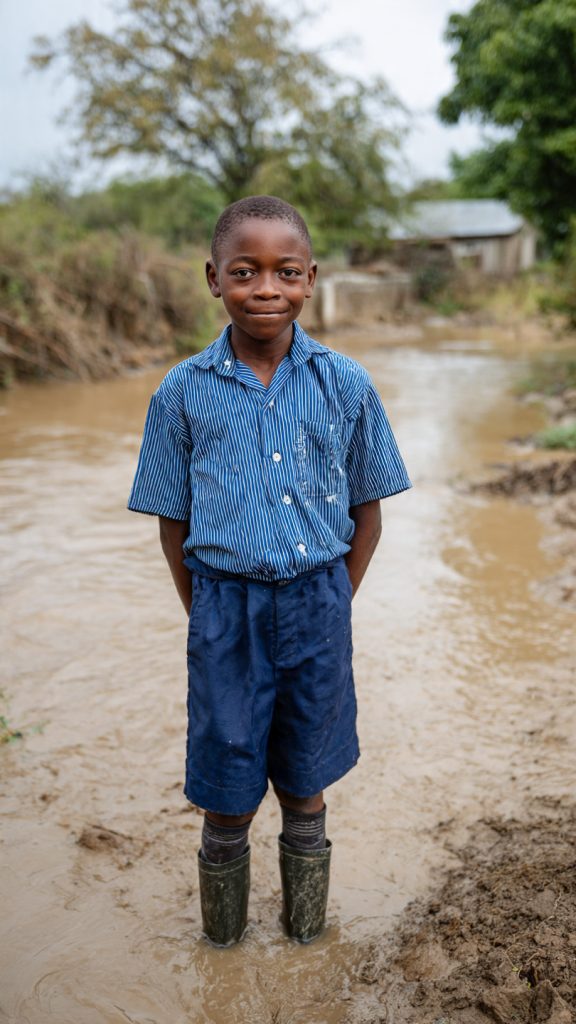
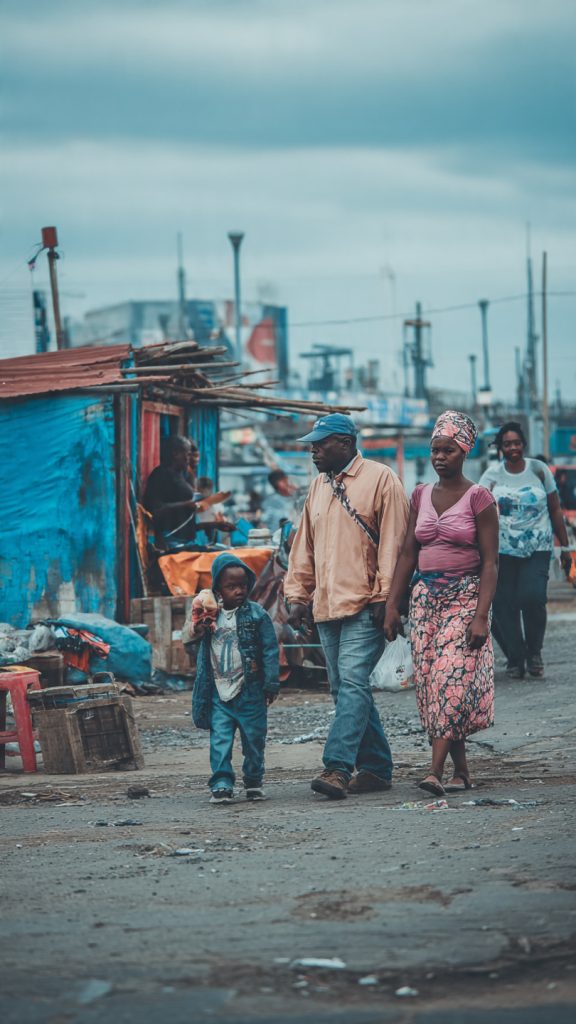
The Catastrophe Unfolding: Climate Disruption Displaces Students Across the Region Across Southern Africa, climate disasters are striking faster and with greater intensity than ever before. In Mozambique alone, successive cyclones—Cyclone Idai in 2019 and Cyclones Eloise and Ana between 2021 and 2022—displaced nearly 600,000 people and destroyed more than 3,500 schools. Yet statistics reveal only […]

SADC’s Climate-Education Crisis: Why Repeated Floods and Droughts Mean Millions of Children Are Missing School Read More »

sorghum, Southern Africa, cross-border trade, forgotten superfood, migration, food security, nutrition, indigenous grains, climate-smart agriculture, urban food systems, migrant farmers, informal trade, rooftop farming, small-scale farming, gender, women traders, Zimbabwean migrants, Mozambican migrants, Malawian migrants, dietary diversity, micronutrient deficiency, drought-resistant crops, school feeding programs, public health, nutrition policy, food corridors, urban agriculture, livelihood, food sovereignty, indigenous knowledge, policy gaps, informal markets, child nutrition, ECD programs, climate resilience, low-input farming, traditional foods, health outcomes, migrant-inclusive programs, food policy, community-based solutions, nutrition security, health equity, local markets, seed circulation, household income, food accessibility, trade regulation, cross-border corridors, sustainable food systems, food innovation, cultural continuity, urban nutrition

The Sorghum Comeback: How Cross-Border Trade Is Reviving Southern Africa’s Forgotten Superfood

How Cross-Border Trade Is Reviving Sorghum Migration routes are becoming organic grain corridors—here’s why it matters A Quiet Revival Along Southern Africa’s Borders In 2023, South Africa imported over 280,000 tonnes of sorghum, much of it moving informally across borders before entering formal markets.This shift signals more than a trade adjustment. It reflects a nutritional,

The Sorghum Comeback: How Cross-Border Trade Is Reviving Southern Africa’s Forgotten Superfood Read More »

Migration, African migrants, urban South Africa, nutritional transition, traditional diets, Western diets, dietary patterns, food insecurity, food access, food affordability, processed foods, ultra-processed foods, dietary diversity, micronutrient deficiency, overweight, obesity, non-communicable diseases, chronic disease risk, urban food environment, rural-to-urban migration, cross-border migration, migrant health, health outcomes, cardiometabolic risk, gut microbiome, cultural food practices, cooking knowledge, intergenerational knowledge, gender disparities, age differences, socioeconomic status, household structure, documentation status, urban agriculture, community-based nutrition, food policy, South African nutrition policy, obesity strategy, social protection, migrant households, public health, food system interventions, sustainable food access, dietary adaptation, health inequities, migrant vulnerability, food environment, policy gaps, research gaps, longitudinal studies, culturally appropriate foods, community programs, nutrition education, migrant inclusion, public health interventions, nutrition-sensitive programs.

What Is the Relationship Between Migration Status and Nutritional Transition Among African Migrants in Urban South Africa?

Migration Status and Nutritional Transition Among African Migrants in Urban South Africa From Rural Roots to Urban Plates When 28‑year-old “Maria” (pseudonym) moved from a rural Limpopo village to Johannesburg in 2019, she sought better economic opportunities. Instead, she encountered a food environment dominated by convenience and cost pressures. Fresh leafy greens and staples she

What Is the Relationship Between Migration Status and Nutritional Transition Among African Migrants in Urban South Africa? Read More »

Karoo, drought, pastoral communities, livestock, rangeland, migration, internal migration, rural-urban migration, Northern Cape, Western Cape, Eastern Cape, South Africa, migration health, drought response, livelihood adaptation, pastoralist relocation, climate stress, destocking, transhumance, circular migration, youth migration, gendered mobility, health access, social protection, informal settlements, mobile clinics, rural development, policy gaps, livelihood diversification, migration policy, drought monitoring, food security, water scarcity, mental health, zoonotic risk, municipal planning, skills training, non-livestock income, remittances, early warning systems, drought-induced migration

How do recurring droughts in the Karoo region affect pastoral communities’ decisions to relocate, and where are they going?

When the Pasture Runs Thin: Drought & Mobility in the Karoo Region Opening: A pastoral crisis in motion In South Africa’s arid heartland, the Karoo stands out. The Central Karoo alone recorded a mere 53 mm rainfall in 2019 and 66 mm in 2020, marking one of its driest stretches in memory. agriorbit.com Over the same period livestock

How do recurring droughts in the Karoo region affect pastoral communities’ decisions to relocate, and where are they going? Read More »

remittances, South Africa, Lesotho, economic inequality, poverty reduction, migration, migrant workers, cross-border remittances, household income, informal economy, rural livelihoods, development finance, financial inclusion, gender inequality, youth employment, labour migration, SADC region, regional integration, economic development, social protection, money transfers, diaspora investment, sustainable development, inequality gap, economic resilience, foreign exchange, Basotho migrants, remittance flows, rural development, South African mining sector, financial literacy, inclusive growth, income redistribution, social welfare, household welfare, banking access, policy reform, economic empowerment, digital remittances, mobile money, South African Reserve Bank, Lesotho Central Bank, UNDP, World Bank, migration policy, fiscal policy, regional cooperation, poverty alleviation, social equity, community development, informal remittance channels, economic mobility, structural inequality, South Africa–Lesotho corridor.

What Role Can Remittances from South Africa Play in Reducing Economic Inequality in Lesotho?

Remittances and Inequality: Lessons from Lesotho and South Africa A Lifeline Across the Border Every month, thousands of Basotho workers in South Africa send money home. These remittances are more than just financial transfers—they are survival tools for entire families. According to the World Bank (2024), remittances contributed about 23% of Lesotho’s GDP, one of

What Role Can Remittances from South Africa Play in Reducing Economic Inequality in Lesotho? Read More »

TB, HIV, migration, South Africa, infectious diseases, public health policy, African migrants, healthcare access, treatment adherence, disease transmission, refugees, asylum seekers, undocumented migrants, xenophobia, health systems, antiretroviral therapy, ART, tuberculosis treatment, co-infection, HIV prevalence, TB prevalence, Johannesburg, Cape Town, Durban, health policy, migration health, constitutional rights, healthcare barriers, documentation status, cultural competency, language barriers, community health workers, mobile health, telemedicine, health information systems, universal health coverage, National Health Insurance, gender-based violence, older adults HIV, drug resistance, contact tracing, treatment interruption, viral load, healthcare discrimination, stigma, peer navigation, integrated services, mobile clinics, health education, community engagement, health outcomes, epidemiological data, health system strengthening, cross-border health, regional cooperation, human rights, ethical considerations, evidence-based interventions, policy implementation, monitoring and evaluation, quality improvement, social determinants of health, health equity, vulnerable populations, emergency healthcare, primary healthcare, sexual and reproductive health, occupational health, informal settlements, hostels, urban health, rural health, health financing, cost-effectiveness, sustainable development, digital health, health technology, predictive analytics, research gaps, methodological challenges, stakeholder engagement, multi-sectoral coordination, implementation science, health diplomacy, southern Africa, SADC, WHO, UNAIDS, CDC, health indicators, 95-95-95 targets, treatment as prevention, prevention programs, health promotion, disease surveillance, outbreak response, health security, global health, migration patterns, circular migration, internal migration, cross-border migration, health insurance, patient records, continuity of care, lost to follow-up, treatment completion, adherence support, directly observed therapy, health advocacy, civil society, NGOs, Médecins Sans Frontières, health worker training, capacity building, health infrastructure, service delivery models, patient-centered care, trauma-informed care, mental health, psychosocial support, legal aid, immigration policy, deportation fears, health screening, contact investigation, infection control, public health emergency, health system resilience, pandemic preparedness, One Health approach

TB, HIV, and Migration: Understanding Disease Patterns and Prevention Challenges Among African Migrants in South Africa

 Understanding Disease Patterns and Prevention Challenges How migration dynamics, exclusionary policies, and fragile health systems fuel dual epidemics—and what must be done to change course. A Tale of Two Crises: The Migrant’s Health Journey In May 2022, Awa, a 29-year-old undocumented woman from the DRC, sought treatment at a community clinic in Durban after experiencing

TB, HIV, and Migration: Understanding Disease Patterns and Prevention Challenges Among African Migrants in South Africa Read More »