migration monitoring

mobile money, migration flows, Johannesburg, Harare, cross-border remittances, Zimbabwean migrants, South Africa, migration health, digital remittances, mobile wallets, Mukuru, MamaMoney, HelloPaisa, undocumented migrants, circular migration, migration statistics, remittance data, migration patterns, public health planning, SADC migration, migration research, migrant livelihoods, health policy, data-driven migration, migration monitoring, migration policy, FinTech, remittance behavior, gender and migration, age and migration, digital finance, migration corridors, migration trends, real-time migration data, ethical data use, migration health interventions, social protection, migration services, mobile money analytics

Can Mobile Money Transfer Data Predict Migration Flows Between Johannesburg and Harare More Accurately Than Official Statistics?

Mobile Money as a Migration Indicator: Johannesburg–Harare Opening: A Window into Invisible MobilityEvery month, hundreds of millions of rands cross borders—not through buses or airplanes —but via mobile wallets and FinTech platforms. For example, according to FinMark, Zimbabweans in Johannesburg are estimated to remit between R57 million and R63 million monthly back to Harare. FinMark Trust Yet in […]
Can Mobile Money Transfer Data Predict Migration Flows Between Johannesburg and Harare More Accurately Than Official Statistics? Read More »

Beitbridge border restrictions, SADC migration, North-South Corridor, regional migration patterns, cross-border trade, informal trade, migrant labour, Zimbabwe-South Africa border, border delays, economic impacts, remittances, labour shortages, migrant health, HIV care, TB treatment, mobile health outreach, micro-traders, seasonal labour migration, border management, migration policy, public health, informal economy, migrant vulnerabilities, gender-sensitive migration, labour mobility, regional integration, border control, undocumented migrants, health systems, cross-border corridors, SADC regional economy, trade facilitation, e-permits, migrant worker rights, migration data, health-migration integration, economic inclusion, corridor efficiency.

What Are the Long-Term Economic Effects of Beitbridge Border Restrictions on SADC Regional Migration Patterns?

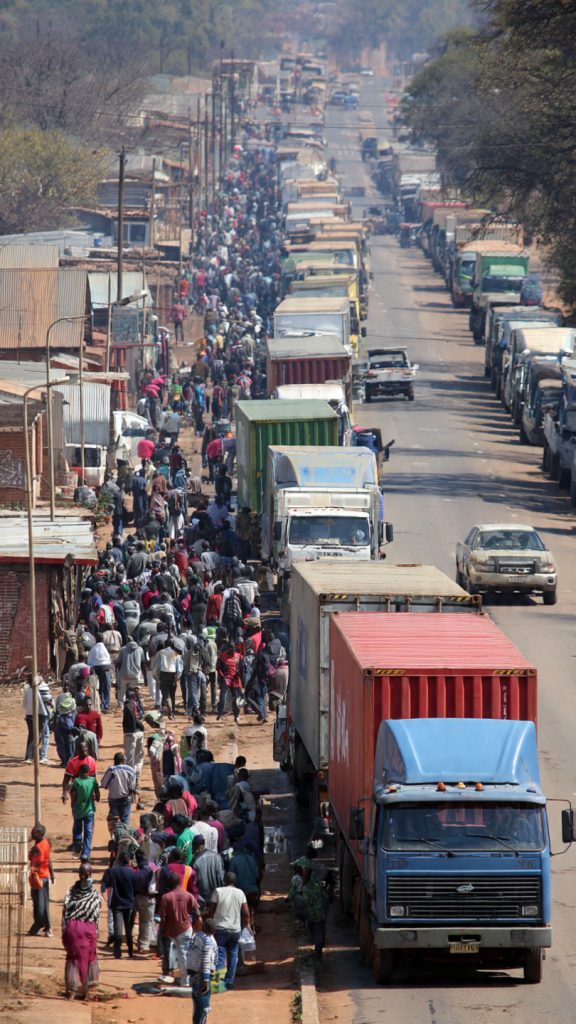
Long-Term Economic Effects of Beitbridge Border Restrictions on SADC Regional Migration Patterns Opening: Beitbridge – A Border Under Strain On 22 December 2021, the Southern African Development Community (SADC) reported that delays at five key border posts along the North-South Corridor—including the Beitbridge Border Post between Zimbabwe and South Africa—cost regional economies roughly R5 billion (US $330 million)

What Are the Long-Term Economic Effects of Beitbridge Border Restrictions on SADC Regional Migration Patterns? Read More »

Okavango Delta, Botswana, Namibia, Angola, South Africa, climate migration, environmental stress, drought, water scarcity, livelihood loss, transboundary migration, migration health, cross-border movement, public health, health systems, migrant vulnerability, undocumented migrants, women migrants, children migrants, older adults, TB, HIV, maternal health, mental health, informal settlements, xenophobia, policy gaps, SADC, OKACOM, community-based adaptation, mobile clinics, climate-smart agriculture, migration monitoring, health access, primary healthcare, livelihood diversification, intersectional vulnerabilities, climate change, floodplain agriculture, tourism, migration policy, transnational health, public health preparedness, migration research, health equity, emergency medical services, migrant-inclusive clinics.

How might the drying of the Okavango Delta affect migration patterns across Botswana, Namibia, and Angola—and what does this mean for South Africa?

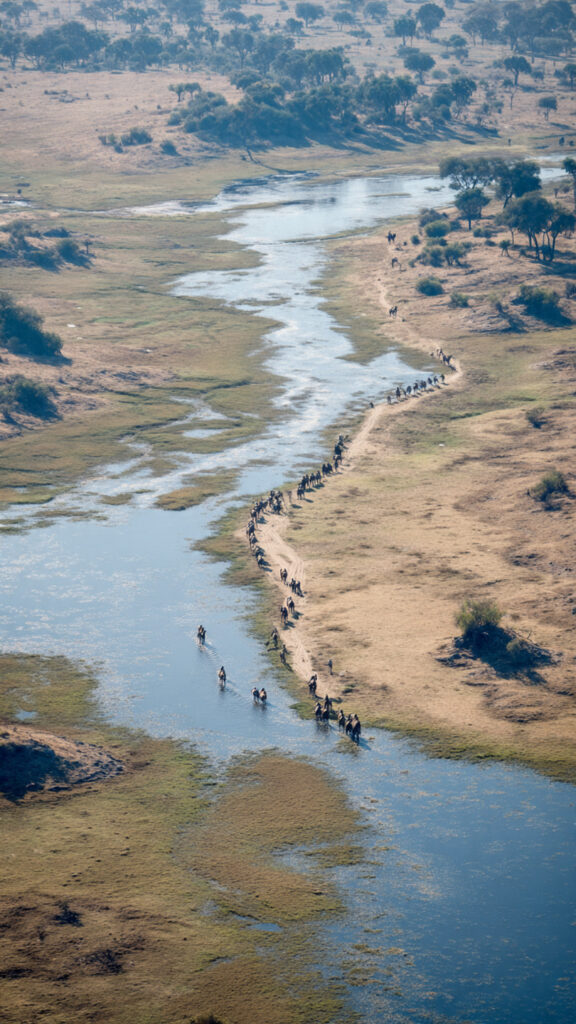
Drying of the Okavango Delta: Migration Health Implications for Botswana, Namibia, Angola and South Africa The Okavango Delta, one of Botswana’s iconic ecosystems, is facing severe environmental stress. Rainfall in the Delta catchment—the Angolan highlands and Namibia—has dropped to the lowest levels since 1981. (neweralive.na) Six villages in the Boro/Xharaxao area were abandoned due to

How might the drying of the Okavango Delta affect migration patterns across Botswana, Namibia, and Angola—and what does this mean for South Africa? Read More »

climate displacement, climate migration, pastoralists, Kenya, South Africa, migration health, urban migration, rural-urban migration, informal settlements, drought, floods, climate resilience, livelihood diversification, mobile health services, vulnerable populations, women, children, older adults, undocumented migrants, health systems, public health policy, migration policy, environmental migration, transboundary migration, climate adaptation, disaster management, social protection, governance, land tenure, intersectionality, gender-sensitive interventions, migration monitoring, policy recommendations, urban planning, informal housing, cross-border migration, health equity, migration data, migration mapping, climate-driven mobility, community-based programs, livelihood resilience, migration frameworks, health access, migration research

What can South Africa learn from Kenya’s approach to managing climate-displaced pastoralists in the Horn of Africa?

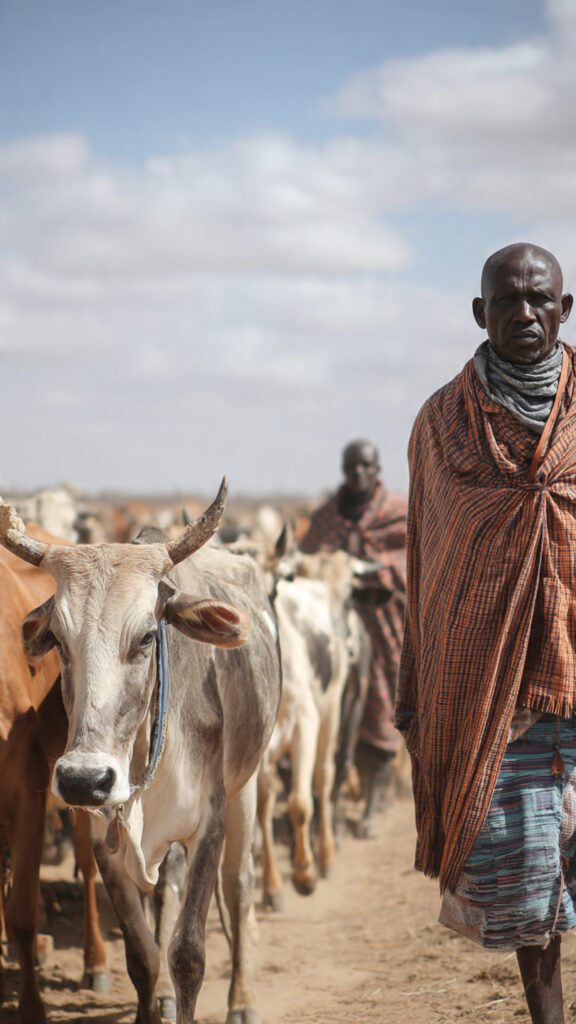
Kenya’s Approach to Climate Migration: Implications for South Africa Opening: A Case in Point In north-eastern Kenya’s arid lands, decades of drought have forced many pastoralist communities to relocate or adapt their livelihoods. A recent study of the Maasai in Laikipia County found drought is the main driver of migration aspirations (icld.se). Meanwhile, in South

What can South Africa learn from Kenya’s approach to managing climate-displaced pastoralists in the Horn of Africa? Read More »

Water scarcity, cross-border migration, Zimbabwe migration, Mozambique migration, South Africa migration, climate-induced migration, migration health, rural-urban migration, Limpopo migration corridor, Musina health services, migrant health access, undocumented migrants, gender and migration, child health migrants, elderly migrants, chronic disease migrants, infectious disease risk, drought impacts, livelihood collapse, food insecurity, water governance, SADC migration, policy gaps, migration policy South Africa, health system strain, public health South Africa, NGO migrant support, community health programs, water-scarcity adaptation, climate mobility, migration trajectories, border crossings, Beitbridge border, refugee health, migration vulnerabilities, migrant-inclusive healthcare, mobile health outreach, cross-border water agreements, livelihood diversification, intersectional vulnerabilities, migrant protection, health policy recommendations, water-scarce regions, Musina water supply, Gauteng migrant health, Johannesburg migrant communities, Cape Town informal settlements, migration research gaps, migration health surveillance, climate change migration, Africa Climate Mobility Initiative, adaptation strategies, ethical sensitivity in migration, public health preparedness, regional cooperation, SADC water policy, health equity migrants, migrant case studies, policy implementation timeline, sustainable migration solutions, migration monitoring, rural livelihood resilience, health system integration.

What role does water scarcity play in driving cross-border migration from Zimbabwe and Mozambique into South Africa?

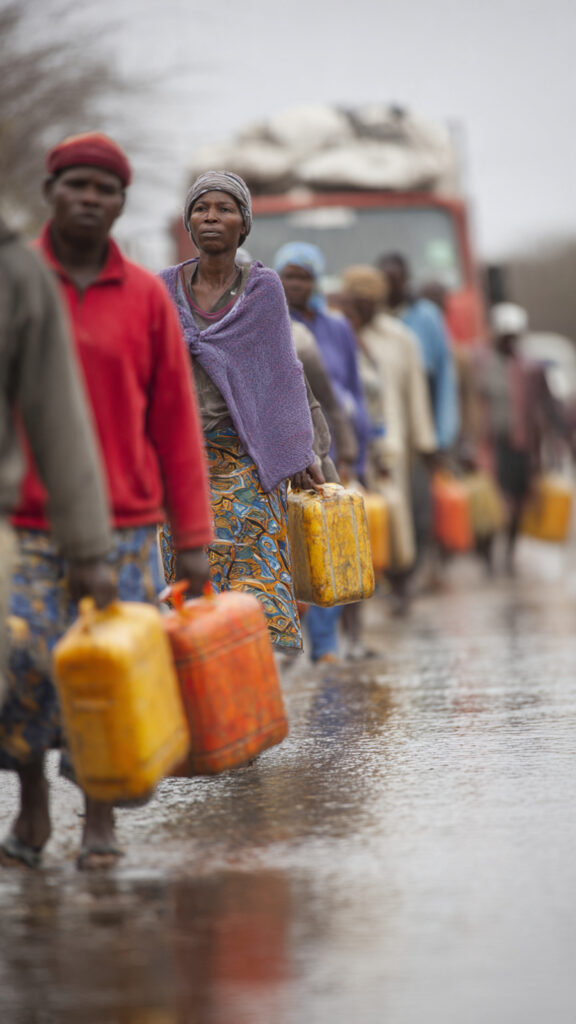
Water Scarcity and Cross-Border Migration: Health Policy Implications for South Africa When the Land Runs Dry: Water Scarcity as a Migration Driver In 2024, over 50% of people leaving Matabeleland South, Zimbabwe, cited repeated drought as a key push factor. The Africa Climate Mobility Initiative estimates 200,000–800,000 Southern Africans may migrate by 2050 due to

What role does water scarcity play in driving cross-border migration from Zimbabwe and Mozambique into South Africa? Read More »