migrant inclusion

ChatGPT said: African migrants, South Africa, food security, migrant health, social networks, community organizations, ethnic associations, faith-based groups, mutual aid, migrant-led associations, informal food systems, food resilience, urban food access, dietary diversity, migrant households, undocumented migrants, food aid, social protection, community gardens, urban agriculture, agroecology, nutrition, chronic diseases, non-communicable diseases, public health, health outcomes, migrant vulnerability, Johannesburg, Cape Town, policy gaps, social cohesion, migrant inclusion, food-sharing networks, migrant solidarity, traditional foods, food sovereignty, migrant adaptation, gender and food security, migrant livelihoods, informal economy, health disparities, emergency food relief, community-led interventions, grassroots initiatives, health equity, nutrition education, cross-border migration, migration health policy, urban settlements, township food systems, psychosocial support, community resilience, sustainable food systems, local food production, migrant empowerment, migrant support networks.

How Do Social Networks and Community Organizations Mediate Food Access and Health Outcomes for African Migrants?

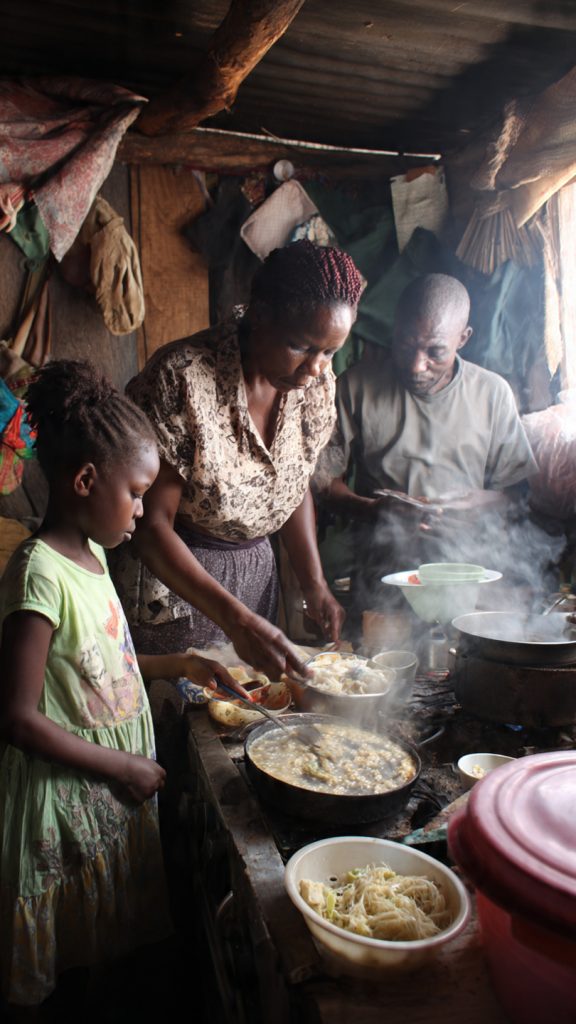
When networks become lifelines: a migrant household in Johannesburg In 2024, a family of Mozambican migrants living in a township near Johannesburg spoke with researchers about their weekly food situation. They reported surviving on “what the group can afford together.” Neither parent had stable employment. Instead, they pooled income and shared staples bought in bulk […]
How Do Social Networks and Community Organizations Mediate Food Access and Health Outcomes for African Migrants? Read More »

African migrants South Africa, food security, gender dynamics, household nutrition, intra-household food distribution, migrant women, migrant men, nutrition outcomes, food access, food preparation, dietary quality, gender roles, migration health, Johannesburg migrants, Cape Town migrants, Pretoria migrants, informal settlements, community kitchens, nutrition workshops, policy gaps, National Food and Nutrition Security Policy, social grants access, malnutrition risk, child nutrition, food inequality, migrant households, empowerment programs, inclusive food programs, peer-support networks, migrant inclusion, nutrition education, equitable food distribution

How Do Gender Dynamics Shape Food Access, Preparation, and Nutrition Outcomes Within African Migrant Households in South Africa?

Gender and Food Security in African Migrant Households in South Africa Introduction Food insecurity among African migrant households in South Africa is a pressing concern. Over 30% of migrant-headed households have limited access to nutritious food (Statistics SA, 2023). Gender roles shape food access, preparation, and nutrition. Women often manage meals, while men control finances,

How Do Gender Dynamics Shape Food Access, Preparation, and Nutrition Outcomes Within African Migrant Households in South Africa? Read More »

Migration, African migrants, urban South Africa, nutritional transition, traditional diets, Western diets, dietary patterns, food insecurity, food access, food affordability, processed foods, ultra-processed foods, dietary diversity, micronutrient deficiency, overweight, obesity, non-communicable diseases, chronic disease risk, urban food environment, rural-to-urban migration, cross-border migration, migrant health, health outcomes, cardiometabolic risk, gut microbiome, cultural food practices, cooking knowledge, intergenerational knowledge, gender disparities, age differences, socioeconomic status, household structure, documentation status, urban agriculture, community-based nutrition, food policy, South African nutrition policy, obesity strategy, social protection, migrant households, public health, food system interventions, sustainable food access, dietary adaptation, health inequities, migrant vulnerability, food environment, policy gaps, research gaps, longitudinal studies, culturally appropriate foods, community programs, nutrition education, migrant inclusion, public health interventions, nutrition-sensitive programs.

What Is the Relationship Between Migration Status and Nutritional Transition Among African Migrants in Urban South Africa?

Migration Status and Nutritional Transition Among African Migrants in Urban South Africa From Rural Roots to Urban Plates When 28‑year-old “Maria” (pseudonym) moved from a rural Limpopo village to Johannesburg in 2019, she sought better economic opportunities. Instead, she encountered a food environment dominated by convenience and cost pressures. Fresh leafy greens and staples she

What Is the Relationship Between Migration Status and Nutritional Transition Among African Migrants in Urban South Africa? Read More »

chronic disease management, migrant health, Pretoria migrants, diabetes care, hypertension care, non-communicable diseases, NCDs in migrants, migrant healthcare access, undocumented migrants South Africa, migrant health policy, Gauteng migrant health, public health equity, chronic disease barriers, migrant inclusion, healthcare discrimination, xenophobia healthcare, migrant-focused NCD programs, Tshwane migrant health, integrated chronic care, health system challenges, migrant case studies, health disparities, migrant health research, community-based healthcare, migrant-friendly clinics, migrant health interventions, healthcare access inequality, South Africa NCD burden, migrant socio-economic factors, migrant health advocacy

Chronic Disease Management Among Migrant Populations: Diabetes and Hypertension Care Access in Pretoria’s Migrant Communities

Chronic Disease Care for Migrants in Pretoria: Diabetes and Hypertension Access Opening: Why This Matters — A Case Study In a small flat in Pretoria North, “Amina” (not her real name), a 49‑year-old woman from Zimbabwe, checks her blood pressure. She has lived in Tshwane for over 8 years, working informal jobs and supporting two

Chronic Disease Management Among Migrant Populations: Diabetes and Hypertension Care Access in Pretoria’s Migrant Communities Read More »

informal food markets, migrant communities, South African cities, food security, urban livelihoods, street vendors, informal trading, migrant nutrition, refugee food access, Johannesburg informal markets, Cape Town migrant food, Durban food markets, food affordability, culturally relevant foods, municipal by-laws, gender and migration, undocumented migrants, youth migrants, older migrants, public health, food safety, WASH infrastructure, food supply chains, social cohesion, community-led solutions, policy gaps, National Development Plan, Integrated Food Security Strategy, Home Affairs, informal trader support, migrant inclusion, urban food systems, intersectional vulnerabilities, ethnic food markets, livelihood support, urban poverty, food inflation, nutrition access, informal economy, migrant women traders, market infrastructure, hygiene training, credit systems, informal sector regulation, sustainable urban food, peer-to-peer support, NGO interventions, evidence-based policy

The Role of Informal Food Markets in Sustaining Migrant Communities Across South African Cities

Informal Food Markets and Migrant Survival in South African Cities Introduction: A Daily Struggle Hidden in Plain Sight At 5 a.m. on a cold winter morning in Johannesburg’s inner city, Amina*, a 29-year-old Somali mother, arranges vegetables at her small pavement stall. She arrived in South Africa six years ago, hoping for stability. Yet rising

The Role of Informal Food Markets in Sustaining Migrant Communities Across South African Cities Read More »

Zimbabwean migrants, Johannesburg, urban food systems, traditional diets, dietary transition, food insecurity, migrant health, nutrition, non-communicable diseases, NCDs, obesity, diabetes, hypertension, micronutrient deficiencies, women migrants, children, undocumented migrants, low-income households, spaza shops, street food, community kitchens, urban agriculture, migrant inclusion, food policy, National Food and Nutrition Security Plan, Integrated Nutrition Programme, Social Assistance Act, food access, culturally appropriate foods, food affordability, health disparities, nutrition education, public health, migrant-sensitive interventions, South African cities, Hillbrow, Berea, Yeoville, Rosettenville, nutrition surveillance, food marketing, urban health, gender disparities, age disparities, income vulnerability, diet-related health outcomes, policy gaps, evidence-based solutions.

Nutritional Transitions Among Zimbabwean Migrants in Johannesburg: From Traditional Diets to Urban Food Systems

Zimbabwean Migrants in Johannesburg: From Traditional Diets to Urban Foods Nutritional Transitions Among  Introduction: A Changing Food Landscape In Johannesburg’s dense urban neighbourhoods—Hillbrow, Berea, Rosettenville, Yeoville—Zimbabwean migrants face rapid shifts in their diets. A 2023 Johannesburg Migrant Food Security Study found that 62% of Zimbabwean migrants reported significant dietary changes within their first year in

Nutritional Transitions Among Zimbabwean Migrants in Johannesburg: From Traditional Diets to Urban Food Systems Read More »

South Africa healthcare, TB outbreak, Lesotho migrants, Malawian migrants, migrant health, cross-border health, TB treatment, public health policy, migration and disease, healthcare system capacity, TB surveillance, migrant access to healthcare, health equity, xenophobia in healthcare, informal settlements, migrant workers, TB prevention, HIV co-infection, community health programs, NDoH TB policy, National Strategic Plan TB HIV, cross-border TB care, mobile populations, TB continuity of care, migrant screening, Gauteng TB, KwaZulu-Natal TB, Limpopo TB, SADC migration, healthcare for refugees, migrant-friendly clinics, TB monitoring, TB case management, public health resilience, social determinants of health, migrant inclusion, TB dashboards, treatment adherence programs, peer support migrants, migrant vulnerabilities, healthcare policy gaps, TB epidemiology, migrant health interventions

Can South Africa’s Healthcare System Sustain the Influx of Lesotho and Malawian Migrants During TB Outbreaks?

TB and Migration: Is South Africa’s Health System Ready Opening: Snapshot & Case Study In 2023, South Africa recorded roughly 270,000 new tuberculosis (TB) cases and an estimated 56,000 deaths. (tbac.org.za) Although the country reduced TB incidence by 51% since 2015, the burden remains high. South Africa also hosts a large migrant population. The 2022

Can South Africa’s Healthcare System Sustain the Influx of Lesotho and Malawian Migrants During TB Outbreaks? Read More »

Climate-induced migration, climate mobility, Johannesburg migration, Cape Town migration, South Africa urban health, climate change adaptation, informal settlements, migrant health, rural-urban migration, climate stress, flood displacement, drought migration, climate vulnerability, health system readiness, climate-resilient cities, migrant-sensitive primary care, urban planning, climate risk, environmental migration, water scarcity, heat stress, public health policy, intersectional vulnerability, gender and migration, age and migration, undocumented migrants, chronic disease, health equity, community-based adaptation, peer-led migrant networks, disaster preparedness, urban informal housing, climate migration policy, health service access, migration surveillance, climate mobility data, adaptive urban infrastructure, population displacement, climate-resilient health systems, urban resilience, sustainable city planning, climate-driven urbanisation, environmental displacement, migrant inclusion, proactive migration planning, public health intervention, flood risk mitigation, heat mitigation, settlement upgrade, longitudinal migration study, scenario modelling, C40 Cities Network, Just Transition Framework, climate-health integration, service delivery planning, rural climate impact, metropolitan readiness, South African policy gaps, climate adaptation strategy, migration flow mapping, health equity in cities, vulnerable populations, emergency preparedness, adaptation planning, urban health risks, climate migration case studies, evidence-based policy, stakeholder collaboration, NGO-led adaptation, migrant-led initiatives, global climate mobility lessons, early warning systems, urban migration modelling, adaptation implementation timeline.

Are South African cities prepared for climate-induced migration waves, and what lessons can Johannesburg and Cape Town learn from global climate refugee strategies?

Are South African Cities Ready for Climate-Induced Migration? Lessons for Johannesburg and Cape Town from Global Climate-Mobility Strategies Opening: Floods, droughts, and urban pressures In June 2025, heavy floods in the Eastern Cape displaced hundreds of families. Extreme weather events like this are not isolated. Climate change is already driving internal migration across South Africa.

Are South African cities prepared for climate-induced migration waves, and what lessons can Johannesburg and Cape Town learn from global climate refugee strategies? Read More »

regional integration, SADC, Southern African Development Community, Malawi migration, South Africa migration, economic inequality, regional trade, labour mobility, migration policy, migration health, migrant healthcare, migration and inequality, Malawian migrants, South African economy, cross-border migration, informal labour, remittances, public health, migrant rights, healthcare access, undocumented migrants, migration governance, xenophobia in South Africa, Malawi economy, regional development, RISDP 2020-2030, WHO South Africa, migrant workers, inequality in Southern Africa, migration drivers, labour market integration, migrant health policy, human capital development, sustainable development, Agenda 2063, TB among migrants, HIV and migration, migration statistics, migrant livelihoods, social protection, migration reform, migration-health nexus, migration and gender, migrant women, regional labour frameworks, economic migration, SADC policy, trade imbalance, industrialisation, inclusive growth, health equity, diaspora engagement, bilateral labour agreements, migration research, migrant inclusion, regional cooperation, migration and human rights.

Can Regional Integration Frameworks Help Balance Economic Inequalities Driving Migration from Malawi to South Africa?

When Economic Inequality Drives Migration In early 2023, a 28-year-old woman from Mzimba, northern Malawi, made the long journey to Johannesburg. She explained, “We had problems with food. We didn’t have enough to feed the whole family.” Her story, documented by the MiFOOD Network, reflects the difficult reality of many Malawians driven by food insecurity

Can Regional Integration Frameworks Help Balance Economic Inequalities Driving Migration from Malawi to South Africa? Read More »

African migration, South Africa economy, economic growth, migrant contributions, labour migration, migrant entrepreneurship, migrant workers, seasonal labour, migrant integration, migration policy South Africa, National Labour Migration Policy, White Paper on International Migration, migrant-owned businesses, retail sector South Africa, agricultural labour migrants, construction industry migrants, migrant skills development, inclusive labour policies, migrant inclusion, social integration migrants, migration data South Africa, migrant rights, economic impact migration, migrant support programs, urban migrant communities, job creation migrants, consumer spending migrants, South African policy gaps, migrant economic participation, migration health, migrant social cohesion, informal sector migrants, migrant labour shortages, migration research South Africa, economic benefits migration, African migrants South Africa

How Has African Migration Contributed to South Africa’s Economic Growth Over the Past Decade?

The Role of African Migration in South Africa’s Economic Growth: A Decade in Review Introduction: Migration as an Economic Catalyst Over the past decade, African migration has significantly influenced South Africa’s economy. From 1996 to 2022, the immigrant population increased from 2.1% to 3.9% of the total population, reaching approximately 2.4 million individuals. Statistics South

How Has African Migration Contributed to South Africa’s Economic Growth Over the Past Decade? Read More »