health equity

migrant children South Africa, childhood immunisation, vaccine coverage, undocumented children, foreign nationals, public health, national immunisation program, vaccination barriers, healthcare access, xenophobia, informal settlements, mobile clinics, maternal and child health, health equity, vaccine-preventable diseases, measles vaccination, polio vaccination, pertussis vaccination, immunisation policy, South African health policy, Health Justice Initiative, SAPA statement, refugee children, asylum seekers, social determinants of health, healthcare inequality, catch-up immunisation, service delivery gaps, community health programs, migrant health research, health system capacity, clinic accessibility, language barriers, structural barriers, public health interventions, herd immunity, ethical health access, human rights, UN Convention on the Rights of the Child, provincial health departments, integrated child services, outreach vaccination programs, migration-disaggregated data, health policy recommendations, vulnerable populations, South African Department of Health, HIV testing, TB screening, healthcare trust, anti-migrant sentiment, health system governance, immunisation uptake, vaccine stock-outs.

Are Migrant Children in South Africa Falling Through the Cracks of National Immunization Programs?

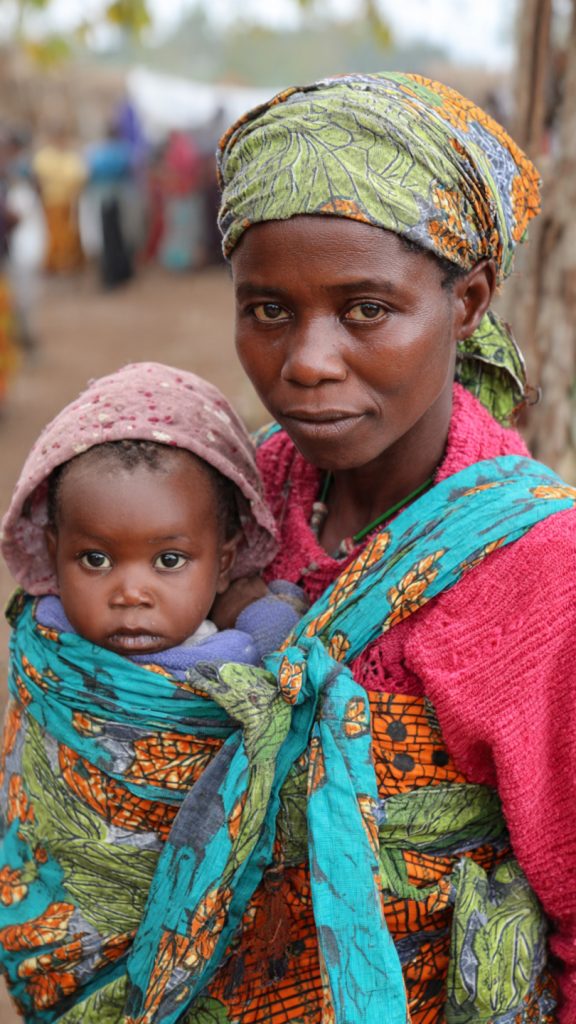
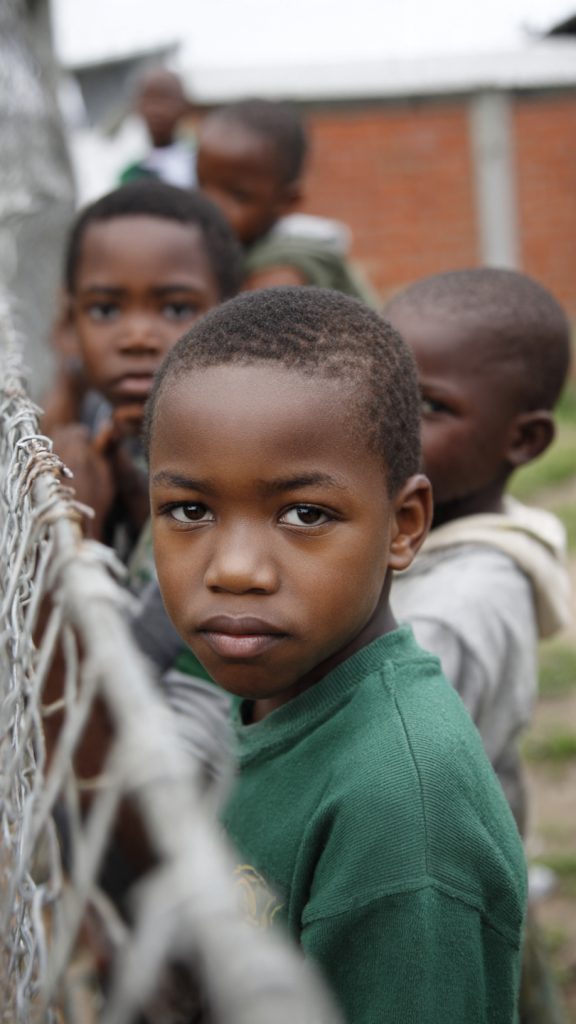
Migrant Children and Immunisation Gaps in South Africa Opening: a worrying real-world snapshot When one thinks of immunisation in South Africa, the assumption is often that children — whoever they are — receive vaccines via the state’s well-established immunisation schedule. But for many migrant children, especially those whose parents are foreign nationals or undocumented, reality […]
Are Migrant Children in South Africa Falling Through the Cracks of National Immunization Programs? Read More »

ChatGPT said: African migrants, South Africa, food security, migrant health, social networks, community organizations, ethnic associations, faith-based groups, mutual aid, migrant-led associations, informal food systems, food resilience, urban food access, dietary diversity, migrant households, undocumented migrants, food aid, social protection, community gardens, urban agriculture, agroecology, nutrition, chronic diseases, non-communicable diseases, public health, health outcomes, migrant vulnerability, Johannesburg, Cape Town, policy gaps, social cohesion, migrant inclusion, food-sharing networks, migrant solidarity, traditional foods, food sovereignty, migrant adaptation, gender and food security, migrant livelihoods, informal economy, health disparities, emergency food relief, community-led interventions, grassroots initiatives, health equity, nutrition education, cross-border migration, migration health policy, urban settlements, township food systems, psychosocial support, community resilience, sustainable food systems, local food production, migrant empowerment, migrant support networks.

How Do Social Networks and Community Organizations Mediate Food Access and Health Outcomes for African Migrants?

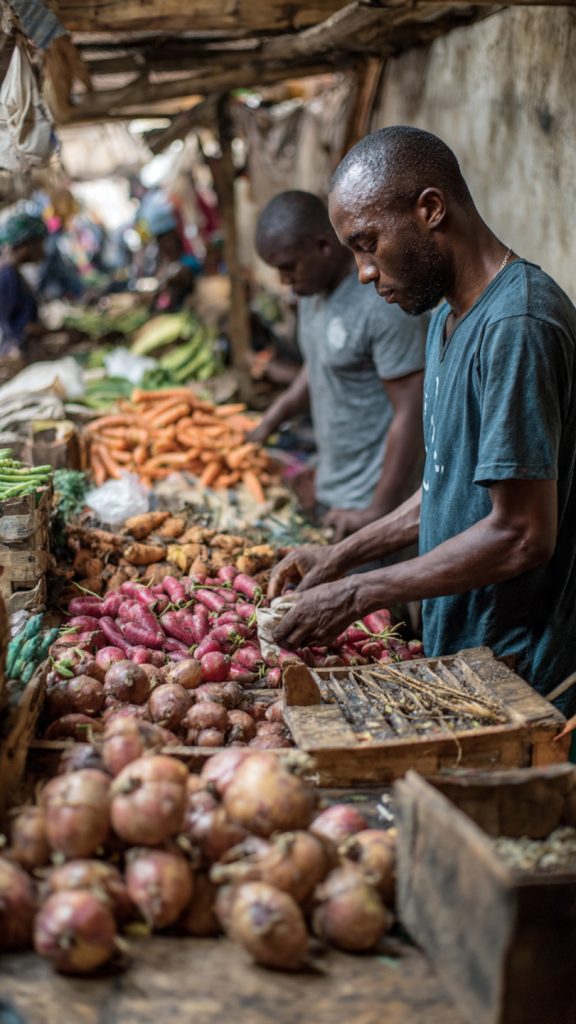
When networks become lifelines: a migrant household in Johannesburg In 2024, a family of Mozambican migrants living in a township near Johannesburg spoke with researchers about their weekly food situation. They reported surviving on “what the group can afford together.” Neither parent had stable employment. Instead, they pooled income and shared staples bought in bulk

How Do Social Networks and Community Organizations Mediate Food Access and Health Outcomes for African Migrants? Read More »

dietary acculturation, second-generation African migrants, South Africa, nutrition transition, obesity, type 2 diabetes, cardiovascular disease, non-communicable diseases, NCDs, metabolic risk, rural-to-urban migration, urbanization, gut microbiome, intergenerational health, child nutrition, adolescent diet, food insecurity, traditional diets, processed foods, fast food, sugary drinks, refined carbohydrates, health disparities, gender disparities, socioeconomic status, migration health, urban food environment, community-based nutrition programs, culturally sensitive interventions, public health policy, nutrition surveillance, migrant-sensitive policy, chronic disease prevention, metabolic syndrome, hypertension, abdominal obesity, health equity, school-feeding programs, social determinants of health, urban planning, community gardens, fresh produce access, food subsidies, health promotion, epigenetic effects, longitudinal cohort studies, intergenerational dietary patterns, nutrition education, health interventions, South African health policy, urban migrant health, adolescent metabolic risk, culturally tailored counseling, preventive health strategies, structural determinants of health, metabolic syndrome risk, migrant communities, health outcomes, diet-related chronic disease, nutrition policy gaps, intervention programs, migration-sensitive research, food deserts, low-income urban households.

What Are the Long-Term Health Implications of Dietary Acculturation for Second-Generation African Migrants in South Africa?

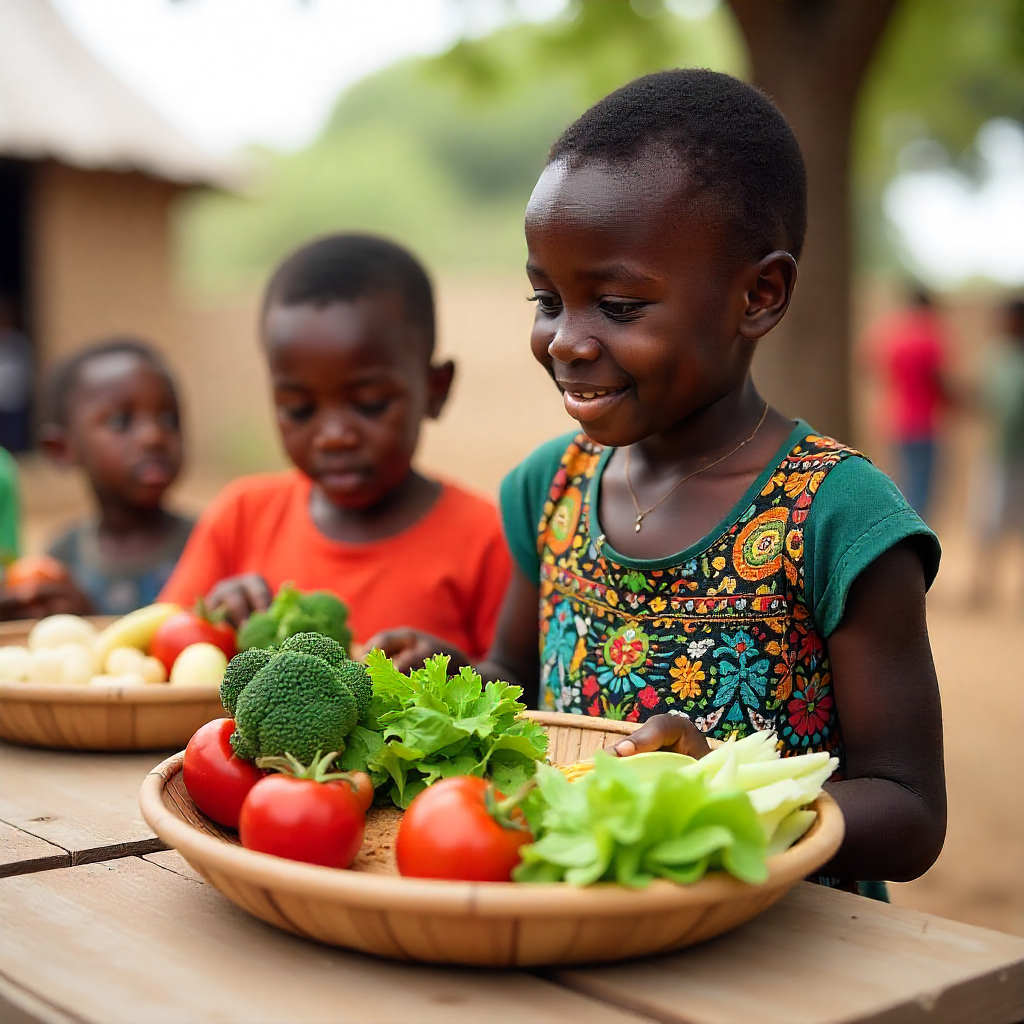
Long-Term Health Implications of Dietary Acculturation for Second-Generation African Migrants in South Africa Introduction: Migration and Metabolic Risk Consider a hypothetical child, born in Johannesburg to parents who migrated from rural Limpopo. At home, the family still eats traditional meals such as maize porridge (pap), leafy greens, and pulses. Outside the home, at school and

What Are the Long-Term Health Implications of Dietary Acculturation for Second-Generation African Migrants in South Africa? Read More »

undocumented African migrants, South Africa, diet-related non-communicable diseases, NCDs, healthcare access barriers, structural determinants of health, legal barriers, social determinants, health inequality, migration health, hypertension, diabetes, cardiovascular disease, urban migrants, food insecurity, dietary transition, acculturation, processed foods, chronic disease management, primary healthcare, medical xenophobia, discrimination, health policy, public health, NGO interventions, community health programs, migrant-inclusive healthcare, health literacy, culturally sensitive care, language barriers, social exclusion, informal settlements, low-income migrants, preventive care, NCD screening, health system adaptation, data collection, migrant health fund, intersectoral action, policy recommendations, South African health policy, WHO guidelines, MSF programs, urban nutrition, health equity, chronic disease treatment, migrant-led organizations, access to care, healthcare utilization, ethical sensitivity, human rights, inclusive NCD strategies, public health outcomes, evidence-based solutions, empirical data, research gaps.

What Are the Barriers to Healthcare Access for Diet-Related Non-Communicable Diseases Among Undocumented African Migrants?

Barriers to Healthcare Access for Diet‑Related Non‑Communicable Diseases (NCDs) Among Undocumented African Migrants in South Africa   Introduction: A Hidden Burden in Plain Sight “ I worry when my chest feels tight and I cannot eat; but I dare not go to the clinic. I might be turned away.” — interview with an undocumented migrant in

What Are the Barriers to Healthcare Access for Diet-Related Non-Communicable Diseases Among Undocumented African Migrants? Read More »

xenophobia, medical xenophobia, healthcare access, African migrants, South Africa, public clinics, migrant health, undocumented migrants, refugees, asylum seekers, migrant rights, health disparities, HIV, TB, maternal health, child health, health policy, National Health Act, Refugees Act, inclusive healthcare, cultural competence, discrimination, patient rights, health system barriers, migrant-sensitive care, public health, Gauteng, Johannesburg, Tshwane, KwaZulu-Natal, NGO interventions, civil society, Operation Dudula, migrant-led organizations, health equity, chronic disease management, access to care, health outcomes, policy implementation, social determinants of health, vulnerable populations, intersectionality, gender, documentation status, health ethics, health reform, NDoH guidelines, healthcare training, health monitoring, community support, case studies, evidence-based recommendations, continuity of care, migrant advocacy, health integration

The Impact of Xenophobia on Healthcare Utilization Among African Migrants in South African Public Clinics

The Invisible Barrier: How Xenophobia Undermines Health Access for African Migrants in South Africa In June 2025, a 32‑year-old female migrant from Zimbabwe — let us call her Amina — arrived at a busy public clinic in Johannesburg with fever and persistent cough. Clinic staff demanded identification and proof of documentation. When Amina could not produce

The Impact of Xenophobia on Healthcare Utilization Among African Migrants in South African Public Clinics Read More »

Maternal health, Child health, Mozambican migrants, South Africa, Border communities, Migrant women, Antenatal care, Postnatal care, Immunisation, Child mortality, Maternal mortality, Migration health, Refugees, Undocumented migrants, Health disparities, Health equity, Rural health, Urban health, Health access, Health policy, Health system, Primary healthcare, Skilled birth attendance, Nutrition, Anaemia, Non-communicable diseases, PMTCT, HIV, Poverty, Social determinants of health, Legal rights, Health financing, Healthcare barriers, Cultural competence, Community health workers, NGO interventions, Civil society, Health inclusion, Migration-sensitive data, Cross-border health, Health outcomes, Policy recommendations, Healthcare accessibility, Public health, Human rights, Health inequities, Health surveillance, Mobile populations, Healthcare utilisation

Maternal and Child Health Outcomes Among Mozambican Migrant Women in Border Communities

Maternal and Child Health Among Mozambican Migrants in Border Communities Opening: A Border Story, A Human Cost In a rural border community in northeastern South Africa — home to many former refugees and migrants from Mozambique — 4‑year-old Maria* died of a preventable illness after missing her routine immunisation. Her mother, a Mozambican migrant, lacked

Maternal and Child Health Outcomes Among Mozambican Migrant Women in Border Communities Read More »

Hillbrow, overcrowding, migrant health, SADC migrants, disease transmission, tuberculosis, HIV, respiratory infections, gastrointestinal infections, inner-city Johannesburg, urban health, housing conditions, public health, migration health, undocumented migrants, asylum seekers, healthcare access, National Health Insurance, NHI, City of Johannesburg, healthcare policy, health disparities, maternal health, adolescent health, syndemic, MSF, Wits Reproductive Health and HIV Institute, community health programs, health interventions, urban poverty, high-density housing, sanitation, xenophobia, health inequities, peer-led outreach, public clinics, epidemiology, South Africa, health policy recommendations, inner-city housing, social determinants of health, health surveillance, migrant vulnerabilities, housing policy, healthcare barriers, HIV-TB co-infection, health system strengthening, evidence-based interventions, integrated care, urban migration, migrant communities, health equity, risk factors, case studies, policy gaps, Johannesburg inner city.

How Do Overcrowded Living Conditions in Hillbrow Affect Disease Transmission Among Migrant Communities from SADC Countries?

Overcrowding and Disease Transmission Among SADC Migrants in Hillbrow Opening: A Dense Reality with High Stakes Hillbrow, Johannesburg’s inner-city, is a microcosm of density, diversity—and vulnerability. Once a well-maintained apartment district, decades of neglect, high migration, and poverty have transformed parts of Hillbrow into overcrowded, under-serviced high-rises. Wikipedia+1 Research shows that more than half of

How Do Overcrowded Living Conditions in Hillbrow Affect Disease Transmission Among Migrant Communities from SADC Countries? Read More »

South Africa healthcare, TB outbreak, Lesotho migrants, Malawian migrants, migrant health, cross-border health, TB treatment, public health policy, migration and disease, healthcare system capacity, TB surveillance, migrant access to healthcare, health equity, xenophobia in healthcare, informal settlements, migrant workers, TB prevention, HIV co-infection, community health programs, NDoH TB policy, National Strategic Plan TB HIV, cross-border TB care, mobile populations, TB continuity of care, migrant screening, Gauteng TB, KwaZulu-Natal TB, Limpopo TB, SADC migration, healthcare for refugees, migrant-friendly clinics, TB monitoring, TB case management, public health resilience, social determinants of health, migrant inclusion, TB dashboards, treatment adherence programs, peer support migrants, migrant vulnerabilities, healthcare policy gaps, TB epidemiology, migrant health interventions

Can South Africa’s Healthcare System Sustain the Influx of Lesotho and Malawian Migrants During TB Outbreaks?

TB and Migration: Is South Africa’s Health System Ready Opening: Snapshot & Case Study In 2023, South Africa recorded roughly 270,000 new tuberculosis (TB) cases and an estimated 56,000 deaths. (tbac.org.za) Although the country reduced TB incidence by 51% since 2015, the burden remains high. South Africa also hosts a large migrant population. The 2022

Can South Africa’s Healthcare System Sustain the Influx of Lesotho and Malawian Migrants During TB Outbreaks? Read More »

Zimbabwean healthcare workers, South Africa healthcare system, health workforce migration, cross-border migration, brain drain, medical migration, healthcare worker shortage, public healthcare South Africa, Zimbabwe health crisis, migrant healthcare access, foreign health professionals, HPCSA registration, National Health Insurance South Africa, NHI Act 2024, ethical recruitment, SADC health policy, bilateral health agreements, migrant rights, undocumented migrants, healthcare policy South Africa, healthcare labour mobility, African health systems, nurse migration, doctor migration, Gauteng health facilities, Limpopo cross-border healthcare, Mpilo Hospital Zimbabwe, UK health worker visas, regional health workforce, migrant health policy, South African Department of Health, migration and development, migrant integration, healthcare workforce planning, xenophobia in healthcare, medical workforce retention, professional registration barriers, foreign qualification recognition, migration governance, health equity, access to healthcare, migration ethics, public health policy Africa, cross-border health collaboration, Zimbabwe–South Africa relations, Southern Africa health workforce.

How Does Cross-Border Migration of Nurses and Doctors from Zimbabwe Affect South Africa’s Public Healthcare Capacity?

The Double-Edged Sword: How Cross-Border Migration of Zimbabwean Healthcare Workers Affects South Africa’s Public Healthcare System Opening: A Crisis at the Crossroads When Documentation Denies Life-Saving Care In December 2023, a gunshot shattered Zweli’s leg. The pseudonymous Zimbabwean national had just finished his part-time job in Pretoria’s Nellmapius suburb. When the ambulance arrived, he faced

How Does Cross-Border Migration of Nurses and Doctors from Zimbabwe Affect South Africa’s Public Healthcare Capacity? Read More »

Southern Africa, climate migration, climate-induced migration, migration health, migrant health, health systems, urban health, rural-to-urban migration, cross-border migration, undocumented migrants, informal settlements, public health, HIV, TB, disease burden, health disparities, vulnerable populations, gender and migration, youth migration, migrant women, health policy, South Africa, Gauteng, Durban, Gqeberha, Mozambique migration, Zimbabwe migration, Malawi migration, climate adaptation, health system preparedness, community health workers, CHW programs, urban planning, disaster risk management, migrant-inclusive policies, xenophobia, intersectionality, social determinants of health, health surveillance, climate-resilient health systems, regional migration policy, SADC, National Labour Migration Policy, mobile health, health equity, migration research, humanitarian response, evidence-based interventions, longitudinal studies, health outcomes, public health planning, emergency response, climate stress, food insecurity, drought displacement, flood displacement, environmental migration, health service access, migration trends, policy recommendations.

What will Southern Africa’s migration landscape look like in 2050 if current climate trends continue, and how should policymakers prepare today?

Southern Africa’s Climate Migration in 2050: Preparing Health Systems Today Opening: A Changing Migration Horizon Imagine Johannesburg, Gauteng Province, in 2050. Urban sprawl is no longer driven solely by economic migration. Increasingly, people move because climate change has destroyed rural livelihoods. Rural communities in Zimbabwe, Malawi, and Mozambique face worsening droughts, failing crops, and water

What will Southern Africa’s migration landscape look like in 2050 if current climate trends continue, and how should policymakers prepare today? Read More »