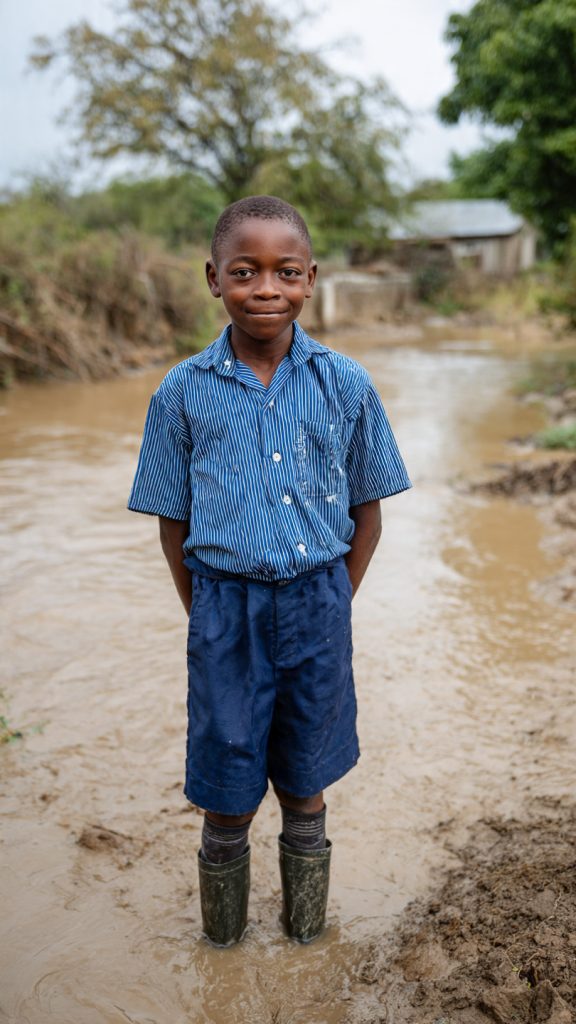
health equity

climate change education, SADC crisis, education disruption, school closures, climate disasters, drought schools, cyclone damage, health equity, vaccination gaps, malnutrition, stunting, sexual violence, early pregnancy, child marriage, health literacy, water sanitation, disease prevention, health systems, climate adaptation, resilience centers, gender disparities, girls education, migration, displaced students, disability, school health, reproductive health, contraceptive access, tuberculosis, malaria prevention, school meals, teacher training, distance learning, accelerated learning, re-enrollment, climate infrastructure, health clinics, curriculum integration, learning loss, inequality, urban migration, child protection, early warning, disaster reduction, climate finance, Mozambique, Zimbabwe, South Africa, Malawi, cross-sectoral coordination

SADC’s Climate-Education Crisis: Why Repeated Floods and Droughts Mean Millions of Children Are Missing School

The Catastrophe Unfolding: Climate Disruption Displaces Students Across the Region Across Southern Africa, climate disasters are striking faster and with greater intensity than ever before. In Mozambique alone, successive cyclones—Cyclone Idai in 2019 and Cyclones Eloise and Ana between 2021 and 2022—displaced nearly 600,000 people and destroyed more than 3,500 schools. Yet statistics reveal only […]


SADC’s Climate-Education Crisis: Why Repeated Floods and Droughts Mean Millions of Children Are Missing School Read More »

climate change, climate-driven migration, child migration, Lesotho migration, Southern Africa, health policy, migration health, undocumented migrants, informal settlements, health equity, health systems, public health policy, vulnerable populations, cross-border health, migrant children, climate displacement, health crisis, South Africa, health access, documentation barriers

Lesotho’s Disappearing Snow, Disappearing Children: Climate Migration from the Mountain Kingdom

The Silent Health Crisis of Climate-Driven Migration from the Mountain Kingdom Opening: The Untold Crisis On a cold Johannesburg morning in 2024, a 12-year-old boy named Thabo sat in a makeshift clinic in Alexandra Township, coughing blood into a cloth. He had arrived just six months earlier from Lesotho’s Mokhotlong District, following his family across

Lesotho’s Disappearing Snow, Disappearing Children: Climate Migration from the Mountain Kingdom Read More »

sorghum, Southern Africa, cross-border trade, forgotten superfood, migration, food security, nutrition, indigenous grains, climate-smart agriculture, urban food systems, migrant farmers, informal trade, rooftop farming, small-scale farming, gender, women traders, Zimbabwean migrants, Mozambican migrants, Malawian migrants, dietary diversity, micronutrient deficiency, drought-resistant crops, school feeding programs, public health, nutrition policy, food corridors, urban agriculture, livelihood, food sovereignty, indigenous knowledge, policy gaps, informal markets, child nutrition, ECD programs, climate resilience, low-input farming, traditional foods, health outcomes, migrant-inclusive programs, food policy, community-based solutions, nutrition security, health equity, local markets, seed circulation, household income, food accessibility, trade regulation, cross-border corridors, sustainable food systems, food innovation, cultural continuity, urban nutrition

The Sorghum Comeback: How Cross-Border Trade Is Reviving Southern Africa’s Forgotten Superfood

How Cross-Border Trade Is Reviving Sorghum Migration routes are becoming organic grain corridors—here’s why it matters A Quiet Revival Along Southern Africa’s Borders In 2023, South Africa imported over 280,000 tonnes of sorghum, much of it moving informally across borders before entering formal markets.This shift signals more than a trade adjustment. It reflects a nutritional,

The Sorghum Comeback: How Cross-Border Trade Is Reviving Southern Africa’s Forgotten Superfood Read More »

Here are all the keywords related to this blog post: migration health, Zimbabwean migrants, South Africa healthcare, food security, remittances, WhatsApp groups, digital remittances, Mukuru, food insecurity, National Health Insurance, NHI Act 2024, undocumented migrants, asylum seekers, refugees, healthcare access, xenophobia, documentation barriers, nutrition, malnutrition, mental health, chronic diseases, urban agriculture, diaspora, cross-border remittances, informal settlements, Alexandra township, Khayelitsha, Delft, Hillbrow, Johannesburg, Cape Town, Durban, Zimbabwe economic crisis, COVID-19, pandemic impact, female migrants, gender vulnerability, policy reform, primary healthcare, mobile clinics, social protection, food vouchers, transaction costs, financial inclusion, urban food security, spaza shops, food deserts, remittance corridors, health policy, migration policy, Border Management Authority Act, public health, communicable diseases, tuberculosis, HIV/AIDS, maternal health, antenatal care, vaccine coverage, food remittances, grocery delivery, Malaicha, fintech, mobile money, employment precarity, domestic workers, informal economy, health disparities, health equity, vulnerable populations, integrated services, Scalabrini Centre, NGOs, civil society, community gardens, nutritional deficiencies, iron deficiency, anemia, obesity, ultra-processed foods, mental health crisis, anxiety, depression, chronic stress, remittance pressure, health outcomes, healthcare utilization, documentation status, legal status, asylum hearings, expired permits, healthcare gatekeeping, emergency services, late-stage disease, disease transmission, maternal mortality, antiretroviral treatment, immunization, food prices, hyperinflation, currency instability, El Niño drought, agricultural failure, economic hardship, income collapse, food price inflation, supply chain disruptions, lockdown restrictions, border closures, urban planning, food retail, township economies, mobile technology, digital platforms, WhatsApp Business, SMS notifications, bulk ordering, price comparisons, exchange rates, financial literacy, predatory lending, sustainable development, diaspora investment, economic stabilization, political instability, one-stop centers, legal assistance, nutrition counseling, employment assistance, community support groups, government-NGO partnerships, private sector collaboration, health monitoring, anti-xenophobia campaigns, medical education, cultural competence, patient advocacy, community health workers, policy evaluation, research gaps, longitudinal studies, health trajectories, participatory research, epidemiological data, health information systems, migration status, anonymity protection, intersectional vulnerabilities, age discrimination, language barriers, cultural beliefs, regional cooperation, Southern Africa, SADC, humanitarian response, crisis preparedness, pandemic preparedness, food relief programs, emergency assistance, constitutional rights, human rights, social cohesion, integration models, return migration

The WhatsApp Groups Feeding Harare: How the Diaspora Is Bankrolling Zimbabwe’s Urban Organic Food Movement

WhatsApp Remittances and Health: The Cost of Feeding Families Across Borders Money From Abroad, Vegetables at Home, and the Economics of Eating Clean A 32-year-old electrician from Harare never thought he would leave Zimbabwe. Nevertheless, economic collapse forced him out. Today, he lives in Cape Town’s informal settlements, working casual jobs. However, his WhatsApp notifications

The WhatsApp Groups Feeding Harare: How the Diaspora Is Bankrolling Zimbabwe’s Urban Organic Food Movement Read More »

socioeconomic factors, referral pathways, communication channels, data sharing protocols, coordination mechanisms, multi-country collaboration, regional frameworks, health agreements, memoranda of understanding, technical committees, public health surveillance, outbreak response, health security, epidemic preparedness, pandemic response, health emergency management, contact tracing, case investigation, risk assessment, health financing, donor funding, domestic health funding, resource mobilization, budget allocation, health expenditure, financial sustainability, health economics, cost-effectiveness, implementation strategies, scale-up, pilot programs, best practices, lessons learned, program evaluation, monitoring and evaluation, health system performance, quality improvement, right to health, healthcare rights, migrant rights, health equity, ethical healthcare, non-discrimination, universal health coverage, patient rights, informed consent, data privacy, electronic health information systems, health management information systems, HMIS, interoperability, data standards, patient identifiers, laboratory information systems, reporting systems, SMS reminders, healthcare workforce, health worker training, staff shortages, burnout, capacity development, professional development, human resources for health, health worker migration, brain drain

What Are the Cross-Border Health Coordination Challenges Between South Africa and Neighboring SADC Countries?

Breaking Down Borders, Building Health Systems: The Cross-Border Coordination Crisis in Southern Africa Introduction: When Borders Become Barriers to Health Maria, a 34-year-old Mozambican mother living in Nkomazi, South Africa, discovered she was HIV-positive during antenatal care. Immediately, healthcare workers started her treatment. However, when she returned to Mozambique for a family emergency three months

What Are the Cross-Border Health Coordination Challenges Between South Africa and Neighboring SADC Countries? Read More »

Community Health Workers, CHWs, migrant health, public health access, South Africa, language barriers, cultural competency, trust-building, Ward-Based Primary Healthcare Outreach Teams, WBPHCOT, healthcare navigation, migrant communities, health equity, informal settlements, maternal health, child immunization, ART adherence, health literacy, interpreter services, peer health navigators, community forums, health policy, PHC re-engineering, NHI equity objectives, healthcare outreach, vulnerable populations, migrant-inclusive healthcare, supervision and training, health service managers, NGOs, culturally appropriate materials, evidence-based interventions, Gauteng, Johannesburg, Ekurhuleni, Eastern Cape, Cape Town, Limpopo, migrant rights, undocumented migrants, health disparities, universal health coverage, health system strengthening, community engagement, health outcomes, migrant trust, healthcare gaps, data-driven targeting, policy recommendations, ethical sensitivity, intersectional factors

Can Community Health Workers Bridge the Gap Between Migrant Populations and South Africa’s Public Health Services?

CHWs and Migrant Access to Public Health in South Africa Overcoming Language, Cultural, and Trust Barriers Opening: A Clinic Scene in Gauteng On a sweltering summer morning at a primary healthcare clinic in Gauteng, Amina arrives with her two young children. She has travelled from a nearby informal settlement where she works long hours cleaning

Can Community Health Workers Bridge the Gap Between Migrant Populations and South Africa’s Public Health Services? Read More »

overcrowded housing, informal settlements, migrant health, South Africa migration, public health risks, infectious disease transmission, TB in migrants, HIV and migration, respiratory infections, diarrhoeal diseases, cholera outbreaks, mental health in migrants, psychological distress, maternal health, child health, low birthweight, antenatal care access, indoor air pollution, sanitation challenges, overcrowding health impacts, housing policy South Africa, UISP, National Housing Code, migrant access to healthcare, xenophobia and health, health system barriers, migrant documentation challenges, urban health, Cape Town informal settlements, Johannesburg informal settlements, Durban informal settlements, Musina migrant workers, ventilation and health, community upgrading, mobile clinics South Africa, TB outreach, migrant maternal shelters, health policy recommendations, African migrants, migrant women's health, child morbidity, migrant community perspectives, cross-sector collaboration, urban planning and health, settlement upgrading programs, health equity, vulnerable populations, migrant rights, safe housing initiatives.

How Does Overcrowded Housing in Informal Settlements Impact Migrant Health Outcomes?

How Overcrowded Housing in Informal Settlements Impacts Migrant Health Outcomes in South Africa Infectious Disease Transmission • Mental Health • Maternal & Child Health 1. Introduction: When a Home Becomes a Health Risk In March 2024, “Amina,” a 28-year-old Somali woman living in Cape Town’s Philippi settlement, shared a simple worry: “At night we sleep

How Does Overcrowded Housing in Informal Settlements Impact Migrant Health Outcomes? Read More »

migrants South Africa, chronic disease, medication access, affordable medication, HIV, TB, diabetes, hypertension, undocumented migrants, asylum seekers, refugees, healthcare barriers, medical xenophobia, public health, health policy, National Health Act, NHI Act, South African health system, treatment interruption, self-medication, disease progression, MDR-TB, opportunistic infections, healthcare exclusion, migrant health, health inequalities, social determinants of health, health system costs, community health, NGO healthcare programs, MSF Tshwane Migrant Project, health rights, constitutional health rights, patient adherence, healthcare advocacy, health equity, migrant-friendly clinics, healthcare access, chronic disease management, health policy gaps, South African cities, Gauteng migrants, KwaZulu-Natal migrants, Tshwane migrants, public clinics, health information systems, continuity of care, health surveillance, public health risks, peer-support networks, emergency care, tertiary care, healthcare discrimination, inclusive healthcare, legal protection for migrants, healthcare interventions, evidence-based solutions, social networks, treatment adherence, vulnerable populations, intersectional health, healthcare research gaps

What Happens When Migrants with Chronic Diseases Can’t Access Affordable Medication in South Africa?

When Chronic Illness Meets Barriers: Migrants Struggling to Access Medication in South Africa A human story, and why it matters In early 2025, a 34‑year-old Zimbabwean woman — we’ll call her “Amina” — living in Johannesburg was diagnosed with hypertension. After losing her job, she could no longer afford private care. At her local public

What Happens When Migrants with Chronic Diseases Can’t Access Affordable Medication in South Africa? Read More »

HIV, TB, HIV/TB co-infection, migrants, migrant health, migration health, mobile populations, undocumented migrants, cross-border health, South Africa, Limpopo, Gauteng, Zimbabwean migrants, Mozambican migrants, Malawian migrants, refugee health, asylum seekers, ART, antiretroviral therapy, TB treatment, treatment continuity, healthcare access, medical xenophobia, xenophobia, health disparities, circular migration, seasonal migration, border health, SADC health coordination, Musina Model of Care, peer educators, community health workers, differentiated service delivery, multi-month dispensing, patient-held health records, mobile clinics, outreach services, cross-border referral, health policy, National Health Strategic Plan, NSP 2023-2028, maternal health, gender-based violence, sexual violence, mental health, social determinants of health, economic precarity, housing conditions, informal settlements, healthcare barriers, health system gaps, regional coordination, migration-aware programming, culturally competent care, anti-discrimination training, healthcare legal rights, mobile population interventions, public health policy, health outcomes, UNAIDS targets, chronic disease management, rural healthcare, urban healthcare, clinic access, healthcare inclusion, patient support programs, health advocacy, civil society interventions, healthcare research, implementation science, health information systems, cross-border patient tracking, differentiated care models, health equity, patient retention, viral suppression, ART adherence, TB prevention, healthcare infrastructure, peer-led programs, healthcare scalability, migrant-led initiatives, occupational health, farm worker health, HIV testing, TB testing, health literacy, health education, psychosocial support, migration-related vulnerabilities, cultural competency, healthcare quality improvement, NGO healthcare support, regional health policy, cross-border treatment protocols, mobile health interventions.

How Can South Africa’s Healthcare System Better Support Migrants with HIV/AIDS and TB Co-Infections?

Bridging the Treatment Gap: Supporting Migrants with HIV/AIDS-TB Co-Infections in South Africa When Borders Become Barriers: The Silent Crisis Thirty-five-year-old Grace* travels between Zimbabwe and South Africa’s Limpopo province every three months. She works on commercial farms near Musina during harvesting seasons. Grace lives with both HIV and tuberculosis (TB), requiring consistent medication for both

How Can South Africa’s Healthcare System Better Support Migrants with HIV/AIDS and TB Co-Infections? Read More »

migrant health South Africa, cross-border migration, vaccination coverage, immunization gaps, measles outbreaks, polio resurgence, tuberculosis transmission, urban settlements, informal settlements, public health risk, herd immunity, undocumented migrants, child immunization, adult vaccination, migration health policy, National Department of Health South Africa, Expanded Programme on Immunisation (EPI), catch-up vaccination, migrant-sensitive healthcare, disease surveillance, environmental surveillance, vaccine-preventable diseases, health equity, healthcare access barriers, mobile clinics, NGO health programs, community-based vaccination, TB treatment continuity, immunization data gaps, high-density housing, infectious disease outbreaks, migrant children, health system strengthening, WHO South Africa, NICD reports, public health interventions, policy recommendations, cross-municipality migration, socio-economic vulnerability, ethical health provision, measles vaccination campaign, polio monitoring, migrant-inclusive health policy.

How Does Incomplete Vaccination Coverage Among Cross-Border Migrants Threaten Disease Outbreaks in South African Communities?

Incomplete Vaccination Among Migrants and Disease Risks in South Africa Opening — a warning from 2025 In 2025, National Institute for Communicable Diseases (NICD) data reported over 1,900 confirmed measles cases in South Africa by November, with the majority concentrated in urban provinces such as Gauteng. NICD+2IOL+2 Meanwhile, ongoing cross‑border migration — both regional and

How Does Incomplete Vaccination Coverage Among Cross-Border Migrants Threaten Disease Outbreaks in South African Communities? Read More »