
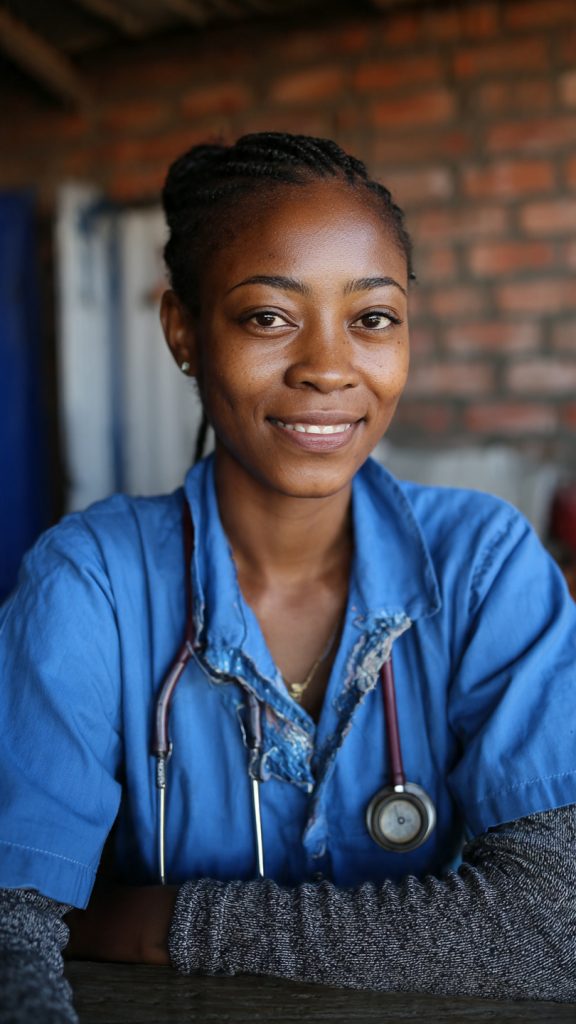
CHWs and Migrant Access to Public Health in South Africa
Overcoming Language, Cultural, and Trust Barriers
Opening: A Clinic Scene in Gauteng
On a sweltering summer morning at a primary healthcare clinic in Gauteng, Amina arrives with her two young children. She has travelled from a nearby informal settlement where she works long hours cleaning homes. Her youngest child has a persistent cough and fever. At reception, the health worker asks her to repeat her complaint, speaking only Afrikaans and isiZulu. Although English is attempted slowly, it is not Amina’s first language, which causes frustration. Consequently, after an hour, she leaves confused, unsure about the next steps, and anxious about returning.
Such scenarios occur frequently. Therefore, language barriers, cultural misunderstandings, and mistrust often prevent migrants from accessing healthcare. Moreover, migrants struggle to navigate both local languages and complex systems, while health workers frequently lack cultural competency. As a result, under‑utilisation of care, miscommunication, and poorer health outcomes persist. (phcfm.org)
Community Health Workers (CHWs) offer a promising solution. By acting as trusted mediators, they can improve communication, cultural understanding, and trust. Furthermore, they can help migrants navigate health facilities effectively. In this post, we explore their role in addressing language barriers, cultural challenges, and trust-building, supported by policy analysis, empirical evidence, and actionable recommendations.
Policy Context: CHWs in South Africa
1. National Framework
The National Department of Health institutionalised CHWs through Ward-Based Primary Healthcare Outreach Teams (WBPHCOTs). Their responsibilities include household visits, health education, screening, referral, and connecting communities with social services. (health.gov.za)
These teams aim to strengthen universal health coverage. However, the WBPHCOT policy does not explicitly address migrant health navigation. In addition, supervision, training, and resources for CHWs are often insufficient. Without proper support, their ability to bridge gaps is limited. Consequently, migrants remain underserved unless the system is improved. (chwcentral.org)
2. Policy Gaps
Several gaps reduce CHWs’ effectiveness. First, training in intercultural communication is inconsistent. Next, supervision and referral structures are weak. Moreover, administrative barriers prevent undocumented migrants from accessing care. Finally, health facilities often lack formal interpretation and cultural competency policies.
Therefore, addressing these gaps requires deliberate policy alignment, dedicated resources, and clear mandates for migrant health support. In addition, monitoring and evaluation mechanisms must ensure CHWs are effectively supported.
Empirical Evidence Across Cities
Language Barriers
Studies in Johannesburg, Ekurhuleni, and the Eastern Cape confirm persistent language barriers. Often, clinics rely on informal interpreters, such as other patients or staff. While this provides short-term solutions, it risks confidentiality breaches and inconsistent guidance. (bmchealthservres.biomedcentral.com)
Migrants with limited health literacy are particularly vulnerable. For example, women seeking maternal care, children needing vaccinations, and undocumented individuals frequently experience delays or missed care. Furthermore, migrants often receive inconsistent instructions, which further reduces adherence. (phcfm.org)
Cultural Competency and Trust
Migrants often encounter negative attitudes, accent discrimination, or unfamiliar cultural norms at facilities. These experiences discourage future visits. Therefore, training CHWs in cultural sensitivity significantly improves communication, trust, and adherence. (mdpi.com)
Because CHWs live and work in local communities, they are uniquely positioned to build trust. Moreover, evidence indicates that migrant families who interact with CHWs report higher satisfaction and improved follow-up outcomes. In addition, CHWs can detect early health concerns, enabling timely interventions. (pubmed.ncbi.nlm.nih.gov)
Field Examples
Example 1 – Limpopo Clinic: Informal interpretation by cleaners and patients helped migrants communicate, but confidentiality and quality of advice were inconsistent. As a result, some patients received incorrect guidance. (pmc.ncbi.nlm.nih.gov)
Example 2 – Cape Town Settlement: CHWs conducted household visits in migrants’ preferred languages. Consequently, vaccination coverage and ART adherence improved. (Anonymised field account)
Example 3 – Eastern Cape Migrant Mothers: CHW-led explanations in native languages increased immunisation attendance and reduced confusion about schedules. Moreover, migrants reported feeling more comfortable returning to clinics. (hsag.co.za)
Successful Strategies and Innovations
1. Cultural Competency Training
Training CHWs in language support and cultural norms enhances communication. Moreover, translated educational materials help migrants understand care instructions and rights. In addition, combining training with mentorship improves long-term retention of skills. (mdpi.com)
2. Formal Interpreter Roles
Embedding interpreters within CHW teams ensures confidentiality and accuracy. Furthermore, it allows CHWs to focus on health promotion and follow-up.
3. Community-Led Trust-Building
-
Peer health navigators from migrant communities complement CHWs.
-
Dialogue forums provide safe spaces for information sharing and questions. Meanwhile, CHWs can address misconceptions and clarify service procedures. Additionally, such forums strengthen relationships between migrants and local health authorities.
4. Data-Driven Targeting
Tracking migrant needs, languages, and service follow-ups enables tailored outreach and resource allocation. This strategy aligns with PHC re-engineering goals and NHI equity objectives. Moreover, data can guide future policy adjustments. (en.wikipedia.org)
Actionable Recommendations
For Policy Makers (6–24 months)
-
Mandate intercultural training for CHWs.
-
Fund interpreter roles in high-migration districts.
-
Integrate migrant health navigation into WBPHCOT policy. Consequently, CHWs will have clear guidelines and structured support to assist migrants effectively.
For Health Service Managers (3–12 months)
-
Conduct language and cultural competency assessments.
-
Co-develop culturally appropriate educational materials with NGOs.
-
Strengthen supervision and referral support for CHWs. In addition, managers should monitor CHW performance regularly.
For NGOs and Community Groups (Immediate–9 months)
-
Train peer health navigators from migrant communities.
-
Facilitate community forums for information and feedback loops. Meanwhile, CHWs can use these forums to tailor outreach strategies effectively.
Conclusion
Community Health Workers can significantly bridge the gap between migrants and South Africa’s public health system. Their presence in communities, ability to communicate respectfully, and outreach skills allow them to overcome language, cultural, and trust barriers. Moreover, integrating CHWs with formal interpreters and peer navigators ensures sustainability. In addition, structured training, supervision, and clear migrant health mandates are essential.
By implementing these strategies, South Africa can advance equitable access, improve health outcomes, and move closer to universal health coverage for both citizens and migrants. Furthermore, CHWs serve as catalysts for building trust and resilience in migrant communities.