
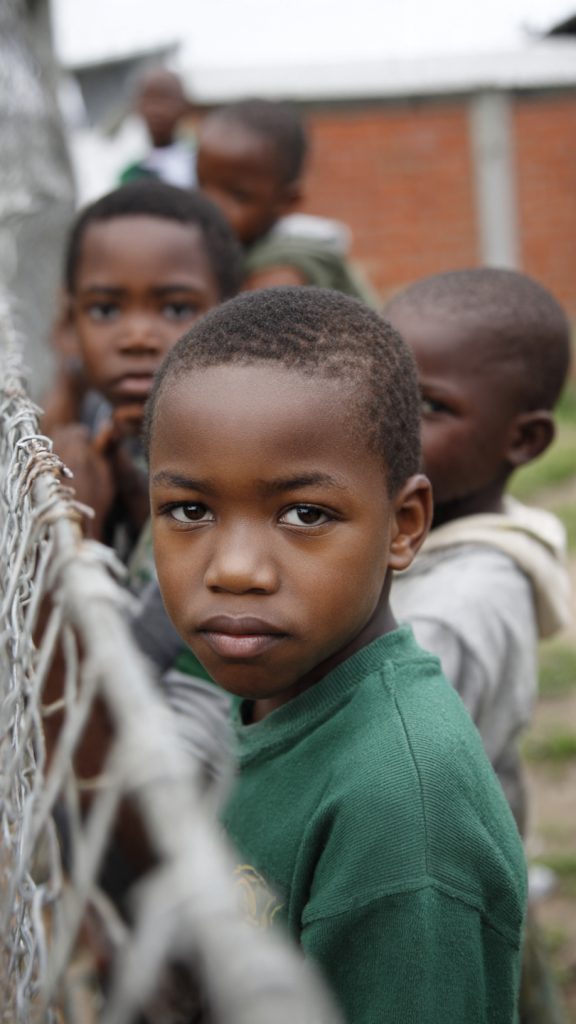
Migrant Children and Immunisation Gaps in South Africa
Opening: a worrying real-world snapshot
When one thinks of immunisation in South Africa, the assumption is often that children — whoever they are — receive vaccines via the state’s well-established immunisation schedule. But for many migrant children, especially those whose parents are foreign nationals or undocumented, reality can be starkly different. In 2025, the South African Paediatric Association (SAPA) issued a statement expressing deep concern that children of foreign nationals — including undocumented children — are being denied routine childhood vaccines at primary health‑care clinics. Paediatrics Association+1
Such denials do not only violate children’s rights: they also threaten public health. Vaccine‑preventable diseases like measles, polio, and pertussis do not discriminate by nationality. Excluding even a small group from immunisation weakens herd immunity and puts entire communities at risk. Paediatrics Association+1
In this post, I examine whether migrant children in South Africa are indeed “falling through the cracks” of the national immunisation system. I combine empirical evidence, migrant and provider perspectives, and policy analysis — before offering practical, actionable recommendations for health-policy makers, NGOs, and practitioners.
Immunisation in South Africa: progress, challenges — and a fragile baseline
-
According to the most recent data, national immunisation coverage for children under one year old was 82.2% in 2022/23. Wits University+1
-
A 2019 national household immunisation survey — the first of its kind in two decades — found that 84% of babies had received all their scheduled immunisations by age one. Yet these rates fall short of the 90% target endorsed by the United Nations Children’s Fund (UNICEF) and other global benchmarks. Wits University+1
-
Importantly, immunisation coverage across the country is uneven. Some districts, like Sekhukhune District in Limpopo, report coverage as low as 53%, meaning almost one in two children remain unprotected. Medical Xpress+1
-
A recent systematic review revealed that even before the COVID‑19 pandemic, many children in South Africa missed “opportunities for immunisation,” with drop-out rates as high as 14.1% in some provinces. Health SA
-
The pandemic exacerbated the problem. According to global estimates, the number of children missing out on routine immunisation increased sharply — a pattern also observed in South Africa. Health SA+1
Thus, even for citizens, immunisation gaps remain. In a system under strain, migrant children — often more vulnerable — may be disproportionately affected.
Gaps in Policy Implementation: Where Migrant Children Get Left Behind
1. Documentation and Legal Status: Invisible But Vulnerable
-
The 2025 SAPA statement specifically condemns the denial of vaccines to children of foreign nationals, including undocumented ones. Paediatrics Association+1
-
Lack of proper documentation (birth certificates, asylum permits, identity documents) is a known barrier to accessing social services and healthcare in South Africa — including immunisation. healthjusticeinitiative.org.za+1
-
The ambiguity around documentation requirements creates space for arbitrary denial of service by clinics, especially given xenophobic social pressures and the prevalence of anti-immigrant sentiments in some communities. allAfrica.com+2sacbc.org.za+2
2. Social Exclusion and Xenophobia in Health Facilities
-
According to a recent 2025 report, vigilante groups (notably Operation Dudula) have physically blocked undocumented and foreign-born mothers and babies from entering public clinics in some Johannesburg areas. EWN+2allAfrica.com+2
-
Such actions directly contravene constitutional and human-rights obligations guaranteeing universal access to essential care. The South African Human Rights Commission (SAHRC) recently condemned these practices and called for enforcement of the law ensuring all children — regardless of nationality — have access to healthcare. IOL
-
The chilling effect of clinic protests and denial erodes trust in health services among migrant communities. Many may avoid seeking vaccines out of fear, stigma, or mistrust — even when legally entitled.
3. Physical and Structural Barriers: Distance, Work Schedules, Language, and Cost
Qualitative research conducted among migrant mothers in the Buffalo City Metropolitan Municipality (Eastern Cape) documents multiple structural barriers:
-
Many reported living far from clinics and relying on multiple taxis to reach services — a costly and time-consuming journey. Some described turning up for immunisation appointments only to be turned away because the service hours had ended. PMC+2Health SA+2
-
Others cited work constraints. For example, a domestic worker described being allowed to leave for clinic visits only until 10:00, yet immunisation services often started later — making it impossible to complete vaccinations and return to work on time. Health SA+1
-
Language barriers were also common. Some mothers could not communicate with health workers because of language differences, undermining quality of care and discouraging follow-up visits. PMC+1
-
Many migrant families live in informal settlements or remote areas, compounding physical access barriers. These structural deficits coincide with broader challenges around overcrowded housing, poverty, and informal labour — which we know from migration health research increase vulnerability to infectious diseases.
These findings mirror those of a 2024 nationwide study on immunisation barriers in four districts, which identified stock-outs, caregiver unawareness, and service delivery constraints as major drivers of under‑vaccination. MDPI+1
4. Limited Evidence and Data on Migration-Disaggregated Coverage
-
The systematic review on immunisation adherence among children under 12 in South Africa notes a serious gap: there is limited synthesis of how migration status intersects with immunisation coverage. Health SA
-
As far as we know, there is no large-scale, recent (post‑2020) national survey disaggregating immunisation coverage by migration or documentation status. This invisibility in the data hinders evidence-based policy and targeted interventions. Indeed, the 2023 study of migrant mothers in Buffalo City explicitly noted the scarcity of prior research quantifying immunisation uptake among migrants. Health SA+1
-
Without reliable data, many migrant children remain “statistically invisible,” making it easier for systemic neglect to persist.
On-the-Ground Realities — Three Anonymised Illustrative Examples
Example 1: “Zelda” — a mobile worker in Johannesburg
Zelda, a 28‑year-old mother from Malawi, lives in a low‑income township in Johannesburg. She works as a domestic worker. On one occasion she took her 8‑week-old baby to a local clinic for immunisation but was turned away because the vaccination session had ended before she arrived; she couldn’t afford another day off work. The baby now has a delayed immunisation schedule, and Zelda fears further delays because she cannot afford frequent transport and time off.
Example 2: “Mariama” — a refugee mother from the DRC seeking asylum
Mariama has two children under five. Although she attempted to register her youngest child for the national immunisation programme, she was asked for documentation she did not have. Even when she produced a temporary asylum permit, members of a vigilante group blocked her from entering the clinic queue in Soweto. She left without her child being vaccinated.
Example 3: “Aisha” — resident of an informal settlement in Buffalo City Metro
Aisha lives in a peri‑urban informal settlement. The nearest clinic is over an hour away, and she has no access to a car. When she did manage to make the trip, the nurse spoke only the local language; Aisha — from a different African country — could not follow the conversation. She felt unwelcome and was hesitant to return. Her toddlers now have incomplete immunisation records.
These vignettes reflect common, recurrent themes highlighted in qualitative research among migrant mothers accessing immunisation services in South Africa. PMC+2Health SA+2
Why This Matters — Public Health, Equity & Human Rights
-
Risk of outbreaks: Vaccine‑preventable diseases do not respect documentation status. Gaps in immunisation among migrant children can create reservoirs for outbreaks — jeopardising community-wide herd immunity. The 2025 catch-up immunisation drive in the Western Cape Department of Health and Wellness demonstrates how easily immunity gaps widen. allAfrica.com+1
-
Right to health: Denying vaccines on the basis of nationality or documentation status violates the constitutional right to health-care access, as well as international obligations under the United Nations Convention on the Rights of the Child (CRC) — to which South Africa is party.
-
Deepening inequality: Migrant children are often among the most socioeconomically marginalised — living in informal settlements, working in insecure jobs, facing xenophobia, and lacking social protections. Vaccine denial compounds their disadvantage and perpetuates health inequities.
-
Systemic failure: When children born or living in South Africa are effectively excluded from the national immunisation programme, this reflects not an oversight — but a structural failing in policy implementation, governance, and accountability.
Innovative Initiatives and Promising Practices
Despite these challenges, some community and NGO-led efforts show how to turn the tide.
-
According to a 2023 briefing by the Health Justice Initiative (HJI), local migrant organisations — especially those working with children placed in foster care or informal settlements — have mobilised to provide mobile clinics offering immunisation, HIV testing, TB screening, and other child health services. These efforts often include family tracing and case-by-case management. UNICEF
-
Meanwhile, calls from organisations such as Médecins Sans Frontières (MSF) and SAPA to provincial and national health authorities stress the urgent need for clear, enforceable directives ensuring that all children — irrespective of migration status — are vaccinated. MSF Southern Africa+2Paediatrics Association+2
-
New service-delivery models show promise. For instance, a 2025 piece of public-interest health journalism argues for integrating maternal and child services (immunisation, postnatal care, HIV testing) into a single “mom-and-baby” visit — potentially halving the burden of repeated clinic visits. This could benefit migrant families juggling precarious work, transport costs, and time constraints. Spotlight
Barriers to Change: Why Gaps Persist
-
Lack of clear policy guidance: Despite national commitments, there remains no widely disseminated, enforced guideline that explicitly protects the right of migrant children (including undocumented children) to immunisation. The 2025 SAPA statement aims to change that, but as of now, implementation remains patchy and inconsistent. Paediatrics Association+1
-
Xenophobia and social exclusion: Anti-migrant sentiment — amplified by vigilante groups controlling clinic queues — undermines public health efforts. Clinic staff may feel pressured or unsafe; migrant families may avoid clinics altogether. allAfrica.com+1
-
Resource and capacity constraints: Even where policy is sound, physical infrastructure is lacking. Clinics may be too far, stock-outs occur, or service hours are limited — problems documented in both general immunisation research and studies on migrant mothers. PMC+2MDPI+2
-
Data invisibility: Without routine data disaggregated by migration status, it is difficult to monitor immunisation coverage, identify gaps, or design targeted interventions. As one systematic review concluded: migration remains a “blind spot” in immunisation adherence research in South Africa. Health SA+1
Recommendations — Actions to Ensure No Child Is Left Behind
Here I offer actionable recommendations, with proposed implementation timelines, for different stakeholders.
1. For the National Department of Health (NDoH) and Provincial Departments of Health
-
Issue and enforce a clear national directive that mandates all public health facilities to provide routine childhood immunisations — including catch-up vaccinations — to all children within South Africa’s borders, regardless of nationality or documentation status. (0–6 months)
-
Include migration status in routine immunisation monitoring data (e.g., age, nationality, documentation status), ensuring confidentiality and ethical protection. This will allow better tracking of coverage gaps and targeted interventions. (6–12 months)
-
Support integrated “mom-and-baby” service models that combine immunisation with postnatal care, nutrition, HIV screening, and other essential child health services — reducing the burden of multiple clinic visits. (6–18 months)
2. For Provincial Health Departments and Clinic Managers
-
Deploy mobile/outreach clinics in areas with high migrant populations — informal settlements, townships, alien hostels, migrant hubs — to reduce distance and transport barriers. (6–12 months)
-
Extend immunisation service hours or offer flexible scheduling (e.g., early morning, late afternoon, weekend slots) to accommodate working caregivers, especially informal and domestic workers. (6–9 months)
-
Train clinic staff on cultural competence, anti‑discrimination, and language support, to ensure migrants feel welcomed and understood. (3–6 months)
3. For NGOs, Community-Based Organisations (CBOs), and Migrant Groups
-
Scale up community-driven child health outreach: collaborate with health authorities to deliver mobile vaccination, catch-up campaigns, and health education in migrant communities. (Immediate and ongoing)
-
Advocate for migrants’ rights to immunisation and health: push for policy enforcement, monitor xenophobic barriers, and report violations to oversight bodies (e.g., provincial health departments, SAHRC). (Immediate)
-
Facilitate documentation support: assist migrant families to obtain identification, birth certificates, or asylum documentation — essential to reduce bureaucratic barriers to service access. (3–12 months)
4. For Researchers and Academic Institutions
-
Conduct nationwide, quantitative studies to measure immunisation coverage among migrant children, disaggregated by documentation status, nationality, age, and region. (12–24 months)
-
Investigate the impact of integrated service models (e.g., combined postnatal/immunisation clinics) on uptake among migrant and low-income children. (12–24 months)
-
Examine the social, economic, and policy determinants of immunisation gaps among migrant children, including xenophobia, employment, mobility, documentation, gender, and age. (12–24 months)
Ethical Reflection and Research Gaps
In crafting policies and interventions, we must recognise the ethical imperative: every child — regardless of nationality — deserves protection from preventable disease. Denying immunisation to migrant children not only violates rights, but also undermines the health of entire communities.
At the same time, data on migrant immunisation in South Africa remains scant. Without robust, migration‑disaggregated data, we risk designing ineffective or misdirected policies. Research funding and academic attention must shift to this blind spot.
We must also guard against xenophobic rhetoric that frames migrants as burdens; instead, we should highlight the shared benefits of universal immunisation — improved public health for all.
Conclusion: Call to Action
Migrant children in South Africa are indeed at a high risk of being left behind by national immunisation programmes. Structural barriers — from documentation issues and xenophobia to distance, work constraints, and poor service delivery — create multiple cracks through which these children fall.
But this is not inevitable. With political will, inclusive policy enforcement, community engagement, and better data, these gaps can be closed.
I call on:
-
Policymakers and health authorities to enshrine the right to immunisation for all children and to integrate migration‑aware strategies into the national immunisation programme;
-
Clinics and provincial health managers to adapt service delivery to the realities of migrant families (mobile clinics, flexible hours, outreach);
-
NGOs, community groups, and migrant organizations to mobilise communities, support documentation, and demand accountability;
-
Researchers and funders to prioritise studies on immunisation coverage in migrant populations and on models that improve uptake.
Recent Posts:
- What Are the Ethical and Policy Implications of Excluding Non-Citizens from Food Security Interventions in South Africa?
- How Do Social Networks and Community Organizations Mediate Food Access and Health Outcomes for African Migrants?
- What Is the Impact of Climate Change and Food System Disruptions on African Migrant Livelihoods and Food Security in South Africa?
- How Effective Are Current South African Food Assistance Programs in Reaching and Supporting African Migrant Communities?