
Colonial Labour Recruitment and Its Enduring Impact on South African Migration and Health
Introduction: Colonial Foundations of Migration Routes
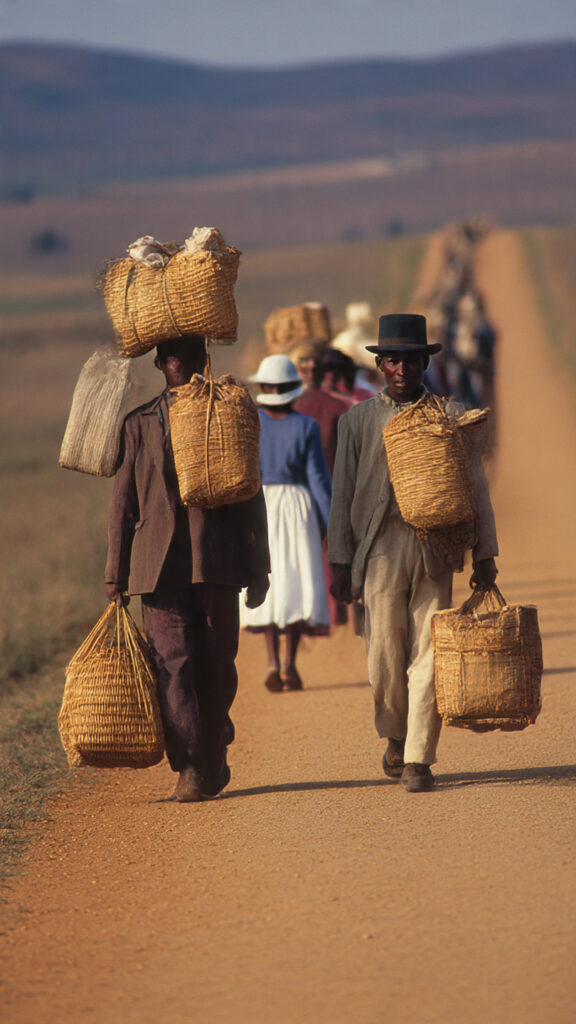
Colonial-era labour recruitment systems laid the groundwork for enduring migration patterns to South Africa. Institutions like the Witwatersrand Native Labour Association (WNLA) orchestrated the movement of workers from regions such as Lesotho, Mozambique, and Botswana to urban centres and mining areas. These systems not only facilitated economic objectives but also imposed profound social and health challenges on migrant populations.
The Witwatersrand Native Labour Association (WNLA)
The WNLA was established by gold mining companies to secure a steady supply of cheap, controlled labour. It operated across Southern Africa, including territories like Basutoland (now Lesotho), Swaziland, Bechuanaland (now Botswana), and parts of Mozambique. The WNLA managed recruitment depots, transportation, and accommodation, often in overcrowded and unsanitary conditions, leading to significant health issues among workers.
Health Implications of Historical Migration Patterns
Overcrowding and Disease Transmission
The hostel systems, characterised by overcrowding and poor sanitation, were breeding grounds for infectious diseases. Conditions such as tuberculosis, cholera, and influenza spread rapidly among the migrant populations, leading to high mortality rates.
Limited Access to Healthcare
Migrant workers often had limited access to healthcare services, both during transit and upon arrival at their destinations. The focus on economic productivity over health led to inadequate medical facilities and a lack of preventive care.
Psychological and Social Stress
The separation from families and the harsh working and living conditions contributed to psychological stress among migrant workers. This stress, combined with limited social support, had long-term implications for mental health.
Contemporary Reflections of Historical Migration
Case Study 1: Migrants from Lesotho
A significant number of migrant workers from Lesotho continue to seek employment in South Africa’s mining sector. Despite the end of apartheid, many still face challenges related to documentation, healthcare access, and social integration. The historical migration routes established during colonial times continue to influence these patterns.
Case Study 2: Mozambican Migrants in Urban Areas
Mozambican migrants, particularly in urban centres like Johannesburg, often live in informal settlements with limited access to healthcare and social services. The legacy of colonial-era migration routes has contributed to the persistence of these challenges.
Policy Analysis: Addressing the Legacy of Colonial Migration Systems
Gaps in Current Policies
-
Documentation and Legal Status: Many migrants lack proper documentation, leading to exclusion from formal healthcare systems and legal protections.
-
Healthcare Access: There is often a lack of culturally competent healthcare services that address the specific needs of migrant populations.
-
Social Integration: Policies often fail to promote the social integration of migrants, leading to marginalisation and social exclusion.
Recommendations for Policy Reform
-
Regularisation of Migrant Status: Implement policies that provide pathways to legal status for undocumented migrants, facilitating access to healthcare and social services.
-
Culturally Competent Healthcare Services: Develop and implement healthcare services that are sensitive to the cultural and linguistic needs of migrant populations.
-
Social Integration Programs: Promote social integration through community-based programs that foster understanding and cooperation between migrants and host communities.
-
Data Collection and Research: Invest in research to better understand the health needs of migrant populations and to inform evidence-based policy development.
Conclusion: Moving Forward
The colonial labour recruitment systems established historical migration routes that continue to influence the health and social outcomes of migrants in South Africa. Addressing the legacy of these systems requires comprehensive policy reforms that recognise the unique needs of migrant populations and promote their integration into society. By implementing the recommended policies, South Africa can move towards a more inclusive and equitable society for all its residents.
Call to Action
-
Health Policy Makers: Prioritise the development of inclusive health policies that address the needs of migrant populations.
-
Public Health Practitioners: Engage in cultural competency training to better serve migrant communities.
-
NGO Workers: Advocate for the rights of migrants and support initiatives that promote their well-being.
-
Academic Researchers: Conduct studies that explore the health impacts of historical migration patterns and inform policy development.
By working collaboratively, stakeholders can address the challenges faced by migrant populations and contribute to the creation of a more inclusive South Africa.
Recent Posts:
- What Economic Impact Do Remittances Have on Development in Zimbabwe, Mozambique and Malawi?
- How Post-Apartheid SADC Migration Transforms South African Cities
- What Role Do Digital Payment Platforms Play in Facilitating Remittances from South Africa?
- How Did the Discovery of Gold and Diamonds Shape Historical Migration Patterns to South Africa?
- What Skills and Expertise Do African Migrants Bring to South Africa’s Labour Market?