African Migration

African migrants South Africa, transnational food networks, food sovereignty, cultural identity, migrant nutrition, urban food security, Johannesburg migrants, Cape Town migrants, informal food markets, migrant food enterprises, traditional foods, indigenous crops, remittances and food, dietary changes, migrant women food practices, urban foodscapes, cross-border migration, migrant community initiatives, food policy South Africa, culturally appropriate diets, migrant households, migrant food remittances, food access inequities, urban agriculture South Africa, migrant food resilience, migrant social cohesion, migrant-led food programs, intersectional migration health, food security policy, informal food economy, migrant cultural preservation, migrant culinary knowledge, xenophobia and food vendors, migrant community kitchens, nutrition and migration, South African food systems, migrant livelihoods, urban nutrition disparities, migrant youth dietary practices, migration health research, NGO food programs, government food policy, migrant food interventions

How Do Transnational Food Networks Shape Food Sovereignty and Cultural Identity for African Migrant Communities?

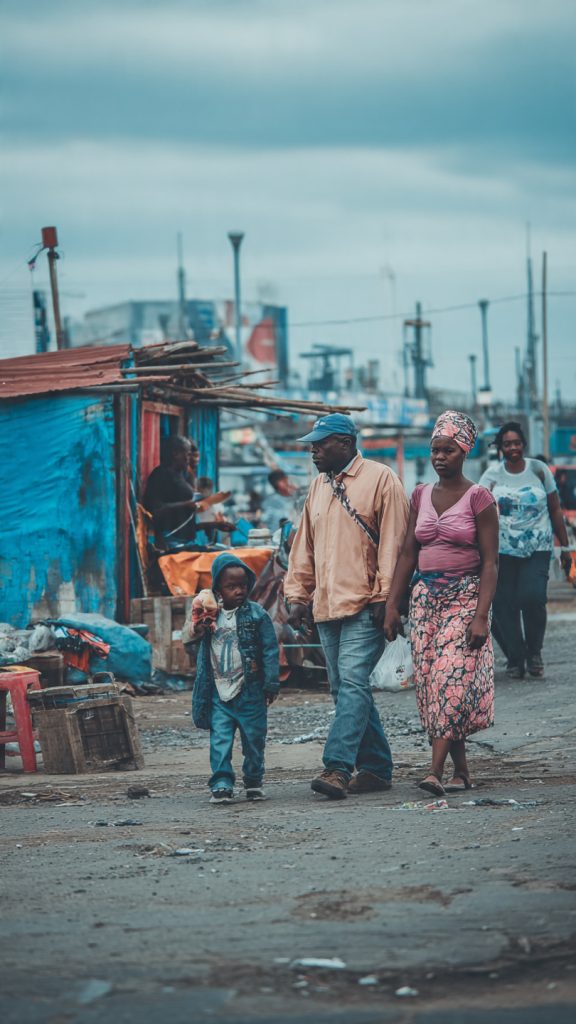
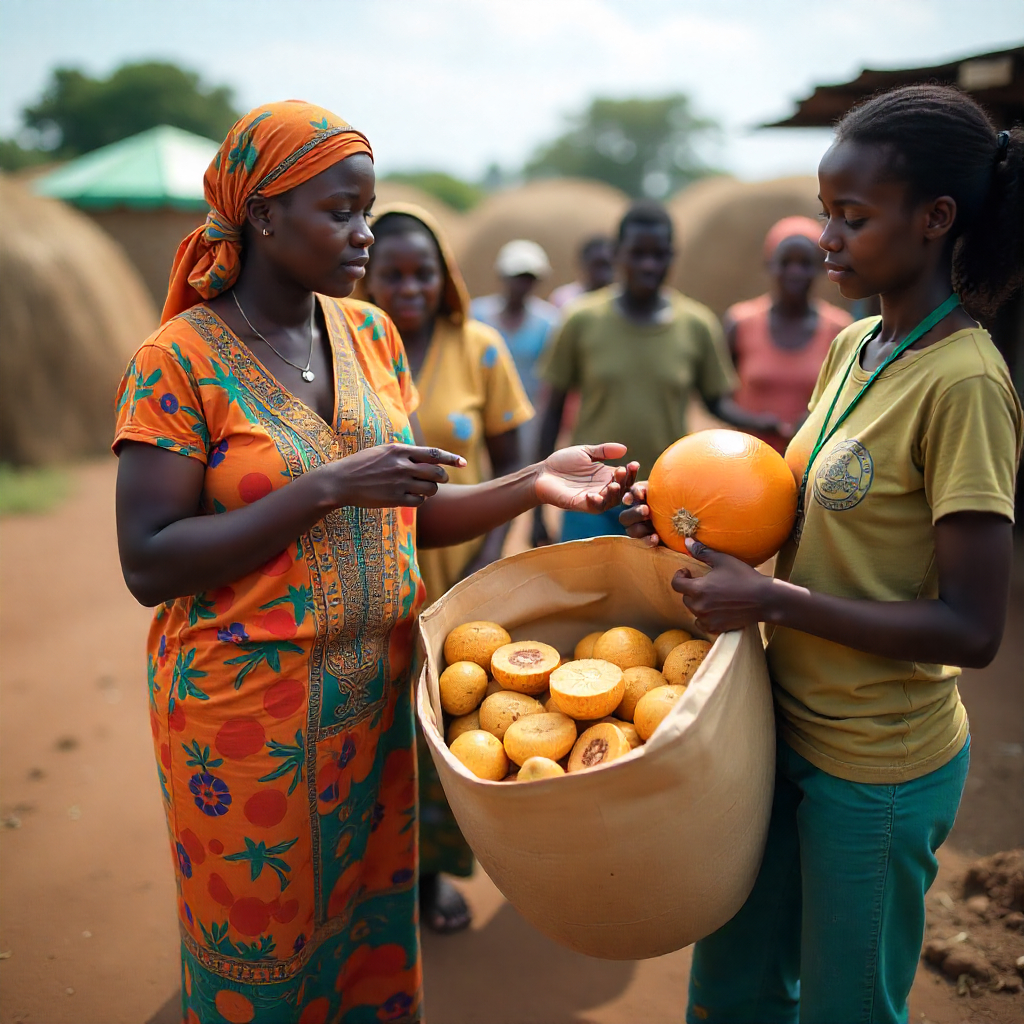
Migrant Food Networks, Cultural Identity, and Food Sovereignty in South Africa Migration is more than moving across borders. It involves carrying homes, memories, and survival strategies. For many African migrants living in South Africa—especially in major urban hubs like Johannesburg, Cape Town, and other cities—food becomes a lifeline. Through transnational food networks, migrants maintain ties […]
How Do Transnational Food Networks Shape Food Sovereignty and Cultural Identity for African Migrant Communities? Read More »

Migration, African migrants, urban South Africa, nutritional transition, traditional diets, Western diets, dietary patterns, food insecurity, food access, food affordability, processed foods, ultra-processed foods, dietary diversity, micronutrient deficiency, overweight, obesity, non-communicable diseases, chronic disease risk, urban food environment, rural-to-urban migration, cross-border migration, migrant health, health outcomes, cardiometabolic risk, gut microbiome, cultural food practices, cooking knowledge, intergenerational knowledge, gender disparities, age differences, socioeconomic status, household structure, documentation status, urban agriculture, community-based nutrition, food policy, South African nutrition policy, obesity strategy, social protection, migrant households, public health, food system interventions, sustainable food access, dietary adaptation, health inequities, migrant vulnerability, food environment, policy gaps, research gaps, longitudinal studies, culturally appropriate foods, community programs, nutrition education, migrant inclusion, public health interventions, nutrition-sensitive programs.

What Is the Relationship Between Migration Status and Nutritional Transition Among African Migrants in Urban South Africa?

Migration Status and Nutritional Transition Among African Migrants in Urban South Africa From Rural Roots to Urban Plates When 28‑year-old “Maria” (pseudonym) moved from a rural Limpopo village to Johannesburg in 2019, she sought better economic opportunities. Instead, she encountered a food environment dominated by convenience and cost pressures. Fresh leafy greens and staples she

What Is the Relationship Between Migration Status and Nutritional Transition Among African Migrants in Urban South Africa? Read More »

food insecurity South Africa, African migrants, migrant households, host population vulnerabilities, urban food insecurity, Gauteng City-Region, Johannesburg migrants, internal migrants South Africa, international migrants South Africa, structural inequalities, intersectional factors, gendered food insecurity, nutrition access, dietary diversity, traditional foods, urban agriculture South Africa, community gardens, social protection migrants, indigency grants South Africa, food parcels, informal work, precarious employment, culturally appropriate foods, migrant vulnerability, food security policy, migrant-inclusive policy, NGO food programs, public health South Africa, nutritional insecurity, economic shocks, migrant livelihoods, urban informal settlements, migration health, food access disparities, migrant nutrition programs, evidence-based interventions, South Africa food policy, migrant social support, urban food systems, ethnic foods South Africa, migrant advocacy, household food insecurity, COVID-19 impact migrants, food system inequalities, food security research South Africa

How Does Food Insecurity Among African Migrants in South Africa Compare to Host Population Vulnerabilities?

Food Insecurity Among African Migrants vs. Host Communities in South Africa Opening: Hunger in the City — Migrants and Host Communities In 2023, a striking statistic emerged: approximately 63.5 % of South African households — over 12 million households — were classified as food insecure. Institute of Development Studies+2South African Human Rights Commission+2This number reflects a

How Does Food Insecurity Among African Migrants in South Africa Compare to Host Population Vulnerabilities? Read More »

chronic disease management, migrant health, Pretoria migrants, diabetes care, hypertension care, non-communicable diseases, NCDs in migrants, migrant healthcare access, undocumented migrants South Africa, migrant health policy, Gauteng migrant health, public health equity, chronic disease barriers, migrant inclusion, healthcare discrimination, xenophobia healthcare, migrant-focused NCD programs, Tshwane migrant health, integrated chronic care, health system challenges, migrant case studies, health disparities, migrant health research, community-based healthcare, migrant-friendly clinics, migrant health interventions, healthcare access inequality, South Africa NCD burden, migrant socio-economic factors, migrant health advocacy

Chronic Disease Management Among Migrant Populations: Diabetes and Hypertension Care Access in Pretoria’s Migrant Communities

Chronic Disease Care for Migrants in Pretoria: Diabetes and Hypertension Access Opening: Why This Matters — A Case Study In a small flat in Pretoria North, “Amina” (not her real name), a 49‑year-old woman from Zimbabwe, checks her blood pressure. She has lived in Tshwane for over 8 years, working informal jobs and supporting two

Chronic Disease Management Among Migrant Populations: Diabetes and Hypertension Care Access in Pretoria’s Migrant Communities Read More »

Somali migrants, food remittances, transnational food networks, South Africa, migrant health, diaspora food support, cultural dietary practices, informal trade, Johannesburg, Cape Town, Durban, Somali spaza shops, migrant livelihoods, refugee nutrition, remittance networks, cross-border food transfer, gender and migration, undocumented migrants, community warehouses, migrant entrepreneurship, nutrition security, chronic disease management, maternal and child health, diaspora logistics, migrant-inclusive policies, African migration, social cohesion, food security, informal supply chains, transnational households, migrant-led initiatives, diaspora support programs, Somali diaspora South Africa, public health, migration policy, cultural identity, dietary remittances, migrant economic inclusion

Food Remittance Systems: How Somali Migrants Navigate Transnational Food Networks in South Africa

Transnational Food Networks Among Somali Migrants in South Africa Opening: Food, Distance, and Survival In a small grocery shop in Mayfair, Johannesburg, 28-year-old Hawa carefully packs a crate of basmati rice, powdered milk, dates, and infant formula. These items are not meant for her household—they are intended for her mother and younger siblings in Hargeisa.

Food Remittance Systems: How Somali Migrants Navigate Transnational Food Networks in South Africa Read More »

xenophobia, medical xenophobia, healthcare access, African migrants, South Africa, public clinics, migrant health, undocumented migrants, refugees, asylum seekers, migrant rights, health disparities, HIV, TB, maternal health, child health, health policy, National Health Act, Refugees Act, inclusive healthcare, cultural competence, discrimination, patient rights, health system barriers, migrant-sensitive care, public health, Gauteng, Johannesburg, Tshwane, KwaZulu-Natal, NGO interventions, civil society, Operation Dudula, migrant-led organizations, health equity, chronic disease management, access to care, health outcomes, policy implementation, social determinants of health, vulnerable populations, intersectionality, gender, documentation status, health ethics, health reform, NDoH guidelines, healthcare training, health monitoring, community support, case studies, evidence-based recommendations, continuity of care, migrant advocacy, health integration

The Impact of Xenophobia on Healthcare Utilization Among African Migrants in South African Public Clinics

The Invisible Barrier: How Xenophobia Undermines Health Access for African Migrants in South Africa In June 2025, a 32‑year-old female migrant from Zimbabwe — let us call her Amina — arrived at a busy public clinic in Johannesburg with fever and persistent cough. Clinic staff demanded identification and proof of documentation. When Amina could not produce

The Impact of Xenophobia on Healthcare Utilization Among African Migrants in South African Public Clinics Read More »

Maternal health, Child health, Mozambican migrants, South Africa, Border communities, Migrant women, Antenatal care, Postnatal care, Immunisation, Child mortality, Maternal mortality, Migration health, Refugees, Undocumented migrants, Health disparities, Health equity, Rural health, Urban health, Health access, Health policy, Health system, Primary healthcare, Skilled birth attendance, Nutrition, Anaemia, Non-communicable diseases, PMTCT, HIV, Poverty, Social determinants of health, Legal rights, Health financing, Healthcare barriers, Cultural competence, Community health workers, NGO interventions, Civil society, Health inclusion, Migration-sensitive data, Cross-border health, Health outcomes, Policy recommendations, Healthcare accessibility, Public health, Human rights, Health inequities, Health surveillance, Mobile populations, Healthcare utilisation

Maternal and Child Health Outcomes Among Mozambican Migrant Women in Border Communities

Maternal and Child Health Among Mozambican Migrants in Border Communities Opening: A Border Story, A Human Cost In a rural border community in northeastern South Africa — home to many former refugees and migrants from Mozambique — 4‑year-old Maria* died of a preventable illness after missing her routine immunisation. Her mother, a Mozambican migrant, lacked

Maternal and Child Health Outcomes Among Mozambican Migrant Women in Border Communities Read More »

Malawian migrants, Limpopo, South Africa, health-seeking behavior, traditional medicine, biomedical healthcare, dual healthcare utilization, migrant health, access to healthcare, cultural beliefs, traditional healers, public clinics, maternal health, chronic illness, infectious disease, TB, HIV, malaria, community health workers, mobile health units, healthcare policy, National Health Act, Traditional Health Practitioners Act, undocumented migrants, language barriers, xenophobia, health disparities, integration of traditional medicine, culturally sensitive care, NGO interventions, healthcare outreach, migrant communities, healthcare access barriers, intersectional factors, gender and health, age and health, healthcare programs, evidence-based interventions, migrant health outcomes, South African health policy, health education, mobile clinics, referral systems, digital health solutions, sustainable healthcare models, community-based care, ethical healthcare, patient-centered care, dual treatment approaches, health policy gaps, migrant-focused programs.

Traditional Medicine Practices vs. Biomedical Healthcare: Health-Seeking Patterns of Malawian Migrants in Limpopo

Traditional Medicine vs. Biomedical Healthcare: Health-Seeking Patterns of Malawian Migrants in Limpopo Understanding the Health-Seeking Landscape Malawian migrants in Limpopo navigate complex healthcare options. For instance, a 2023 survey found that over 60% rely on traditional healers annually, while 45% access public clinics. Consequently, migrants often alternate between systems depending on illness severity and accessibility.

Traditional Medicine Practices vs. Biomedical Healthcare: Health-Seeking Patterns of Malawian Migrants in Limpopo Read More »

Mental health, East African migrants, Durban, migrant health, help-seeking behavior, mental health challenges, refugees, asylum seekers, trauma, anxiety, depression, psychosocial support, community health workers, migrant-friendly services, cultural competency, language barriers, xenophobia, gender-based violence, documentation status, South Africa health policy, National Mental Health Policy, public health, NGO programs, faith-based support, trauma-informed care, migrant rights, social support networks, mental health access, mental health services, migrant women, youth migrants, undocumented migrants, COVID-19 impact, mobile clinics, tele-mental health, inter-sectoral collaboration, migrant community initiatives

Mental Health Challenges and Help-Seeking Behaviors Among East African Migrants in Durban

Durban East African Migrants: Mental Health and Support Access Introduction: A Crisis Hidden in Everyday Life Every morning, the Durban Inner City Clinic sees long queues of migrant workers seeking help. Many come from Somalia, Ethiopia, Eritrea, and South Sudan. Most wait quietly, but behind the calm lie stories of trauma, displacement, economic stress, and

Mental Health Challenges and Help-Seeking Behaviors Among East African Migrants in Durban Read More »

informal food markets, migrant communities, South African cities, food security, urban livelihoods, street vendors, informal trading, migrant nutrition, refugee food access, Johannesburg informal markets, Cape Town migrant food, Durban food markets, food affordability, culturally relevant foods, municipal by-laws, gender and migration, undocumented migrants, youth migrants, older migrants, public health, food safety, WASH infrastructure, food supply chains, social cohesion, community-led solutions, policy gaps, National Development Plan, Integrated Food Security Strategy, Home Affairs, informal trader support, migrant inclusion, urban food systems, intersectional vulnerabilities, ethnic food markets, livelihood support, urban poverty, food inflation, nutrition access, informal economy, migrant women traders, market infrastructure, hygiene training, credit systems, informal sector regulation, sustainable urban food, peer-to-peer support, NGO interventions, evidence-based policy

The Role of Informal Food Markets in Sustaining Migrant Communities Across South African Cities

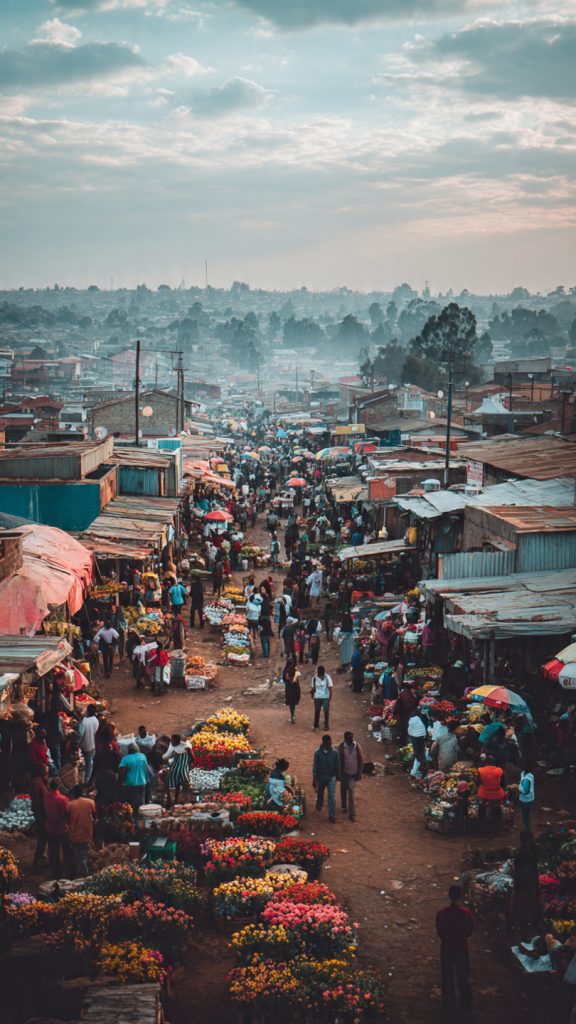
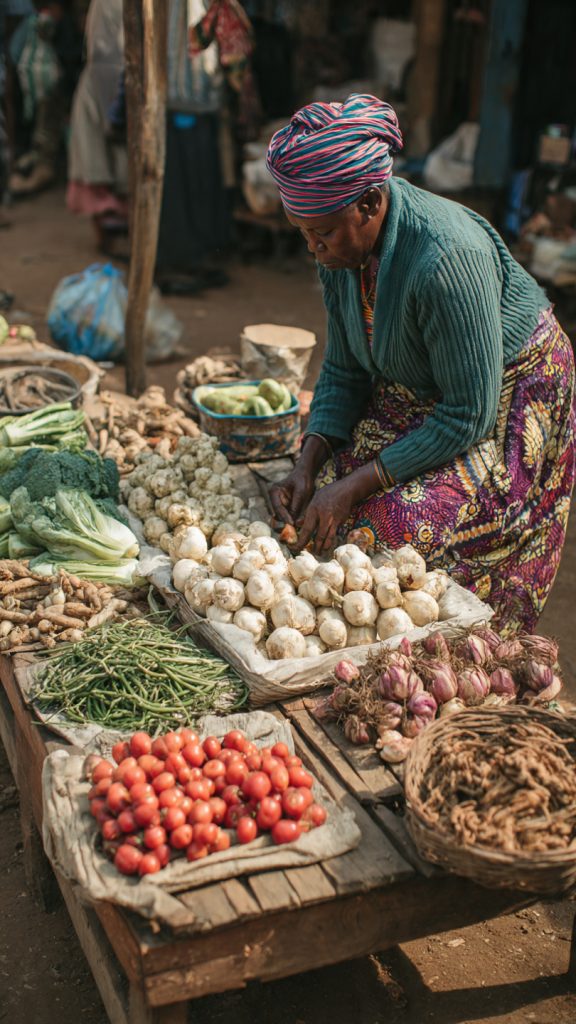
Informal Food Markets and Migrant Survival in South African Cities Introduction: A Daily Struggle Hidden in Plain Sight At 5 a.m. on a cold winter morning in Johannesburg’s inner city, Amina*, a 29-year-old Somali mother, arranges vegetables at her small pavement stall. She arrived in South Africa six years ago, hoping for stability. Yet rising

The Role of Informal Food Markets in Sustaining Migrant Communities Across South African Cities Read More »