African Migration Governance

migrant rights training, South Africa healthcare, public health officials, constitutional obligations, health system strengthening, medical xenophobia, refugee healthcare access, asylum seekers health services, documentation barriers, healthcare discrimination, rights-based training, cultural competency training, migration health policy, universal health coverage, healthcare worker education, human rights sensitization, emergency medical care, National Health Act, Section 27 Constitution, Refugees Act implementation, health equity, inclusive healthcare, TB transmission, HIV prevention, public health security, healthcare access barriers, language interpretation services, patient rights education, peer champion model, budget-neutral training, cost-effective interventions, monitoring and accountability, patient feedback mechanisms, Cape Town health programs, Gauteng health facilities, Western Cape Department of Health, eThekwini Municipality, Johannesburg Region F, KwaZulu-Natal healthcare, implementation strategies, policy recommendations, facility management, NGO partnerships, academic institutions, continuing professional development, pre-service education, Health Professions Council, staff capacity building, xenophobia reduction, attitude change interventions, behavioral training, interactive learning methods, case-based learning, role-playing exercises, graduated implementation, sustainable training models, community health workers, migrant patient committees, progressive supervision, disciplinary measures, standard operating procedures, multilingual signage, health systems research, migration dynamics, social determinants of health, vulnerable populations, ethical healthcare provision, Batho Pele principles, primary healthcare access, antenatal care, chronic disease management, infectious disease control, healthcare quality improvement, performance indicators, needs assessment, blended learning, e-learning platforms, mobile applications, digital health solutions, evidence-based interventions, stakeholder engagement, institutional change, health policy analysis, African healthcare systems, Southern Africa migration, cross-border health, refugee health rights, undocumented migrants, documentation status, legal frameworks, international obligations, health workforce development, professional ethics

Training Public Officials on Migrant Rights: A Blueprint for Institutional Change

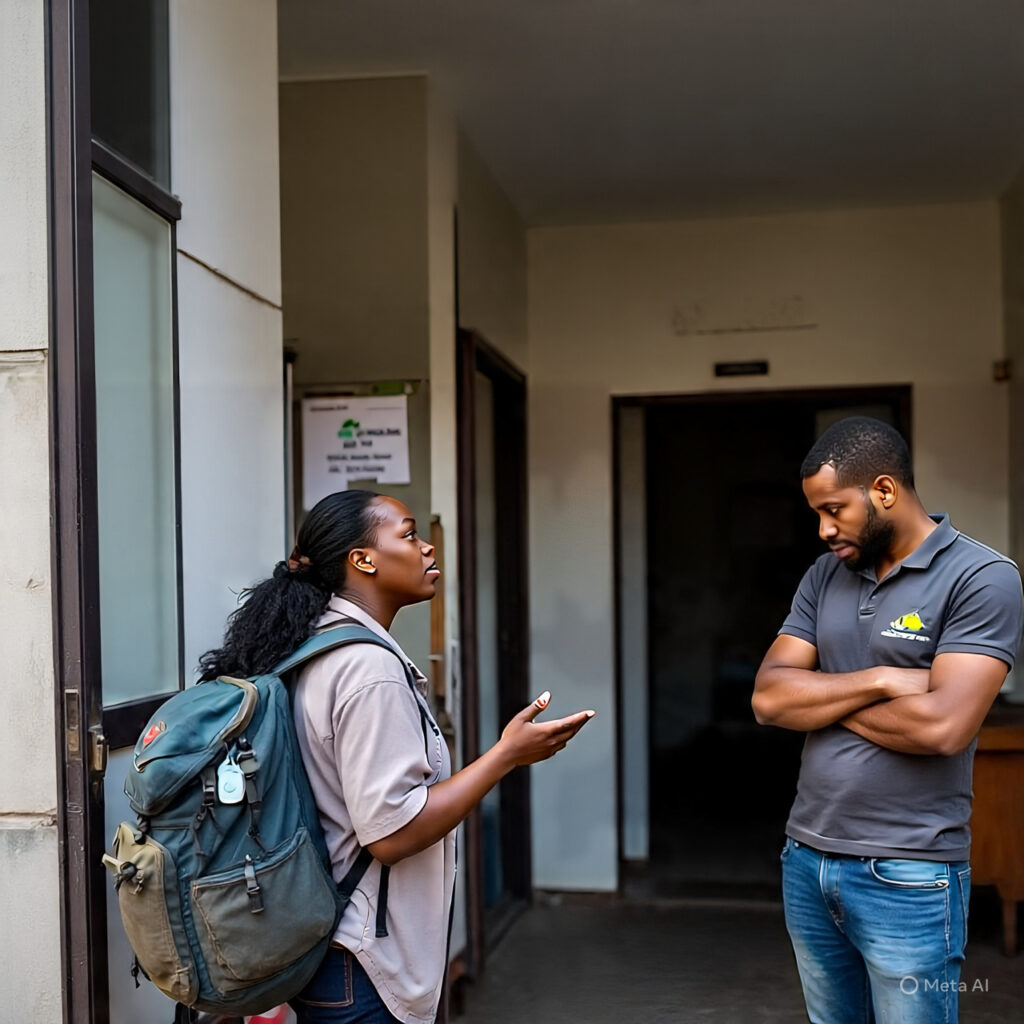
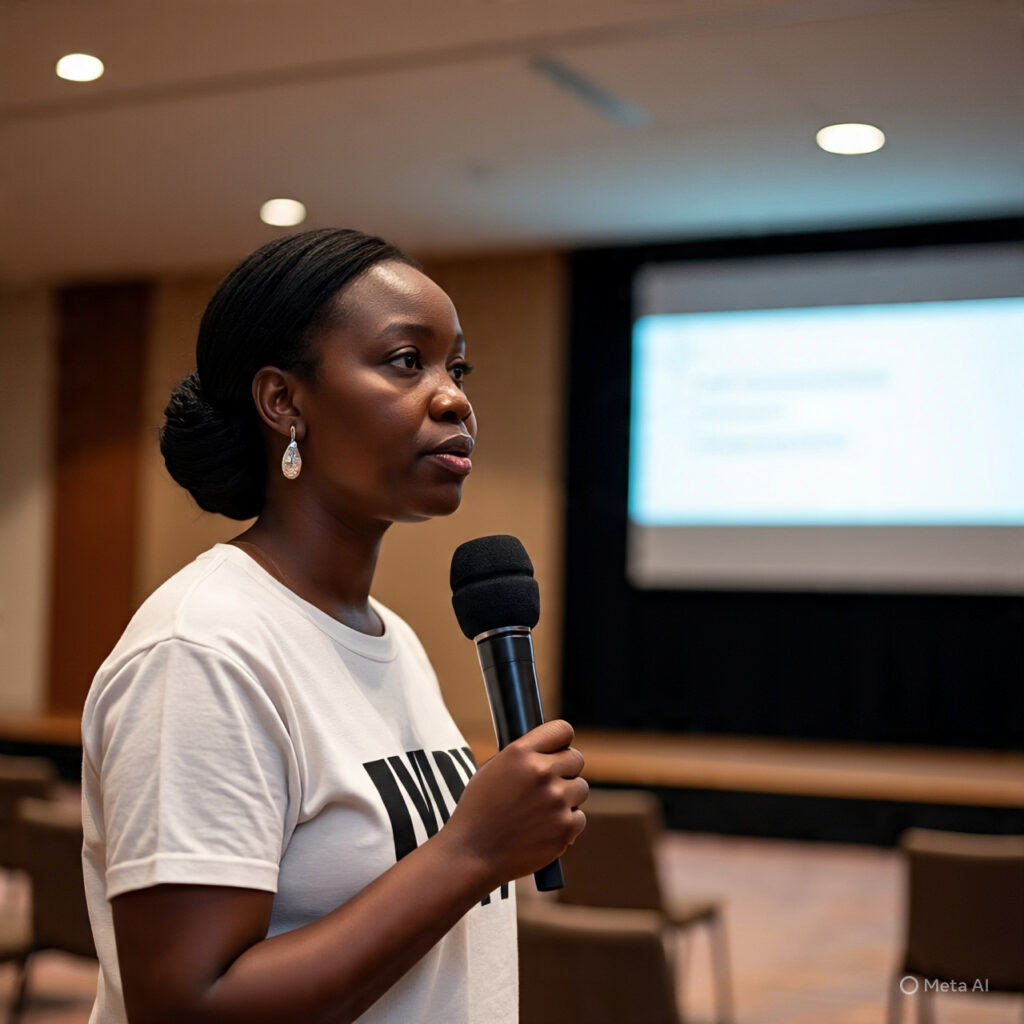
Training Public Officials on Migrant Rights: A Blueprint for Institutional Change The Crisis at the Counter Fatima arrived at a Johannesburg clinic at 6 AM, seven months pregnant and bleeding. Immediately, the receptionist demanded her passport. Fatima showed her asylum seeker permit. Nevertheless, the receptionist turned her away, claiming “we don’t serve illegals here.” Three […]

Training Public Officials on Migrant Rights: A Blueprint for Institutional Change Read More »

South Africa migration amnesty, irregular migrants, migration regularization, migrant documentation, economic contributions migrants, labor market South Africa, migrant healthcare access, human rights migrants, public safety migrants, regional migration precedents, Spain migration amnesty, Italy migration regularization, Argentina immigration policy, informal economy migrants, migrant integration, xenophobia South Africa, migrant social protection, undocumented migrants, migration policy South Africa, cross-border trade migrants, migrant legal aid, migrant inclusion, migration monitoring and evaluation, South African Department of Home Affairs, migrant advocacy NGOs, migration public awareness campaigns, migrant employment support, urban migrant settlements, migrant health outcomes, vulnerable migrant populations, intersectional migration policy, migration implementation roadmap

Regularization Pathways: Why South Africa Needs a Comprehensive Migration Amnesty Program

 Migration Amnesty Program Introduction: The Case for a Migration Amnesty South Africa hosts over 2.9 million migrants, many of whom live in precarious conditions due to irregular status. These individuals contribute significantly to the economy, yet remain excluded from essential services, including healthcare. A comprehensive migration amnesty could address these challenges, benefiting both migrants and

Regularization Pathways: Why South Africa Needs a Comprehensive Migration Amnesty Program Read More »

spaza shops, street vendors, municipal by-laws, xenophobia, migrant traders, informal trade, economic exclusion, licensing requirements, South Africa, township economies, refugee entrepreneurs, selective enforcement, informal trading policy, community engagement, inclusive policies, digital platforms, A2Pay, South African Informal Traders Alliance, SAITA, food security, public health, economic inclusion, social cohesion, Durban street vendors, Atteridgeville, informal sector regulation, migrant rights, policy reform, small business support, township markets, informal business resilience, NGO support, civil society advocacy, equitable enforcement, municipal regulation, trading permits, economic marginalization, migration health, vulnerable populations, grassroots initiatives, ethical governance, policy gaps, stakeholder collaboration, informal trader empowerment, local government accountability, township entrepreneurship, digital innovation, regulatory barriers, urban informal economy, socio-economic integration, asylum seekers, refugee status, bureaucratic challenges, gender and age factors, nationality discrimination, documentation status, informal business sustainability, case studies South Africa, South African cities, public policy analysis, intersectional factors.

From Spaza Shops to Street Vendors: Municipal By-Law Enforcement as Xenophobic Tool

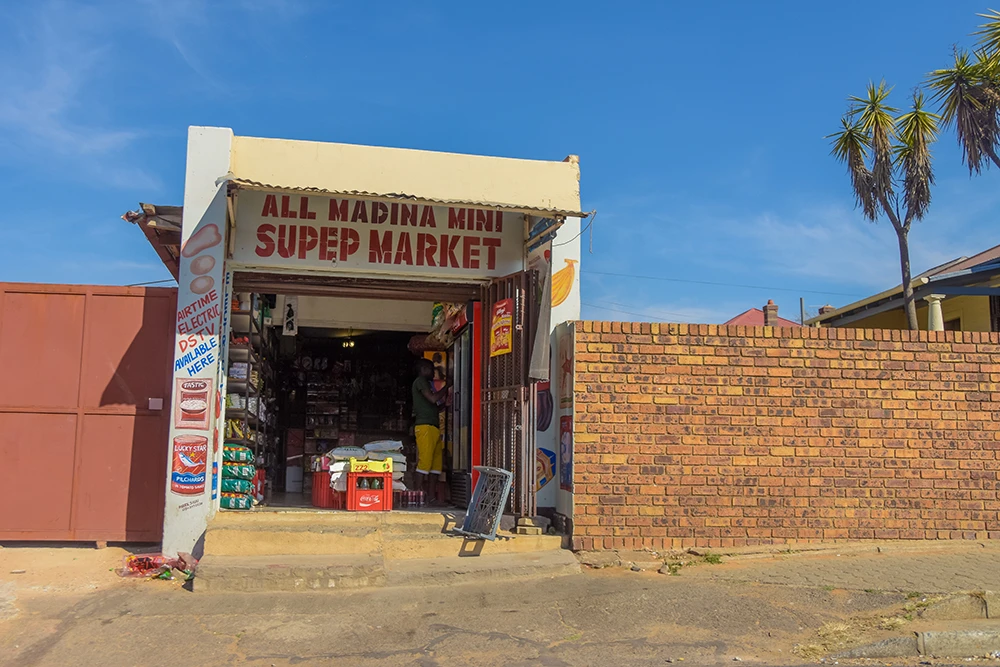
 Municipal By-Law Enforcement as a Xenophobic Tool Introduction: The Silent Crisis of Informal Traders In South Africa, informal traders—especially migrant-run spaza shops and street vendors—play a crucial role in township economies. These small enterprises provide affordable goods and services to underserved communities. However, municipal by-laws intended to regulate informal trade often become instruments of exclusion,

From Spaza Shops to Street Vendors: Municipal By-Law Enforcement as Xenophobic Tool Read More »

Home Affairs backlogs, DHA delays, asylum seeker permits, special permit program, Zimbabwe Exemption Permit, ZEP extensions, Lesotho Exemption Permit, irregular migration South Africa, migrant health, migration health inequities, public health South Africa, refugee reception offices, asylum application delays, digital transformation DHA, immigration administration, migrant access to healthcare, South Africa migration policy, legal status uncertainty, undocumented migrants, community health initiatives, mental health migrants, administrative inefficiency, South Africa visa backlogs, DHA service delivery, capacity building DHA, migration policy gaps, integration of migrants, South African government immigration, NGO migrant support, vulnerable populations South Africa, intersectional migration health.

Home Affairs Backlogs: How Administrative Failures Create and Perpetuate Irregularity

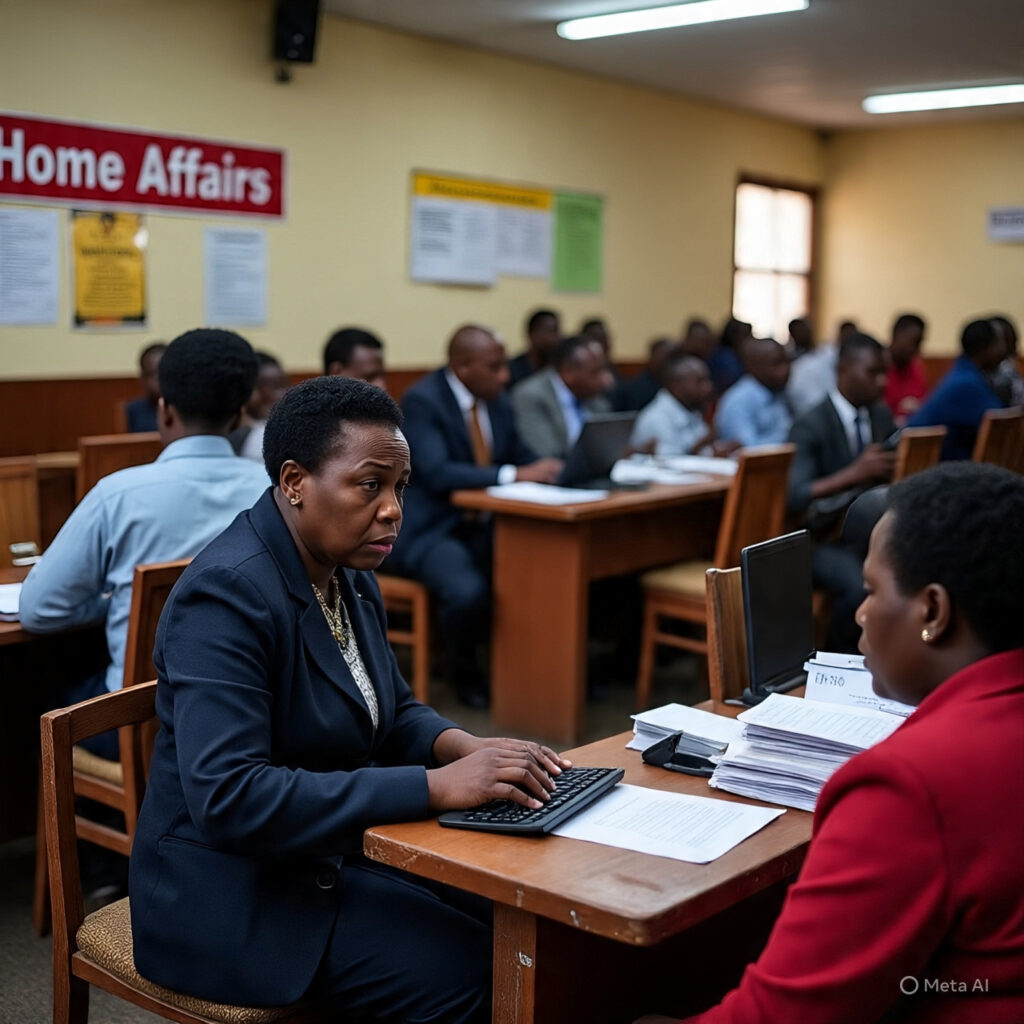
Administrative Failures and Migration Backlogs Introduction: The Human Cost of Bureaucratic Delays In South Africa, the Department of Home Affairs (DHA) plays a pivotal role in managing immigration, asylum, and refugee services. However, systemic inefficiencies and administrative backlogs have led to significant challenges for migrants, particularly asylum seekers and refugees. As of mid-2025, over 300,000

Home Affairs Backlogs: How Administrative Failures Create and Perpetuate Irregularity Read More »

police brutality South Africa, migrant rights South Africa, xenophobia, irregular migrants, police corruption, extortion by police, arbitrary arrests, racial profiling, South African Police Service, SAPS misconduct, IPID oversight, Civilian Secretariat for Police, community policing forums, human rights violations, immigration enforcement, migrant health, public health and policing, healthcare access for migrants, law enforcement accountability, Lindela Repatriation Centre, corruption watch South Africa, Lawyers for Human Rights, African Centre for Migration and Society, Amnesty International South Africa, fear of arrest, gender-based violence migrants, migrant women abuse, public health security, undocumented migrants, Operation Dudula, anti-immigrant violence, migrant traders, informal economy policing, street-level corruption, police reform South Africa, accountability mechanisms, civil society oversight, migrant inclusion, community safety, policy reform South Africa, SAPS training, human dignity, equality before the law, migrant advocacy, xenophobia and health, policing and human rights, African migrants South Africa, health system response, migration policy, migrants in Gauteng, migrants in Johannesburg, migrants in Durban, migrants in Cape Town, inclusive policing, law enforcement reform, migrant protection, border control policy, constitutional rights South Africa, Immigration Act South Africa, migrant livelihoods, anti-corruption initiatives, social justice, urban safety, human security, community trust, migrant participation, health policy reform, TB and HIV among migrants, police impunity, rule of law South Africa, ethical policing, discrimination in policing, migrants and healthcare access, corruption in law enforcement, South African human rights law, refugee protection, asylum seekers South Africa, NGO interventions, migration health research, evidence-based policy, policy recommendations South Africa, intersectionality and policing, vulnerable populations South Africa.

Police or Persecutors? When Law Enforcement Targets Irregular Migrants Instead of Protecting Them

When Law Enforcement Becomes a Threat to Migrant Safety Introduction: When Protection Turns into Persecution In South Africa’s cities, law enforcement is meant to ensure safety. Yet for thousands of African migrants, the police represent fear, not protection.In Johannesburg’s inner city, 32-year-old Musa, a Zimbabwean trader, recounts being stopped five times in one month. Each

Police or Persecutors? When Law Enforcement Targets Irregular Migrants Instead of Protecting Them Read More »

migrant children education South Africa, undocumented learners, South African Schools Act, Admission Policy for Ordinary Public Schools, right to basic education, Section 29 Constitution, Centre for Child Law, Department of Basic Education, education access barriers, school admissions South Africa, documentation requirements, inclusive education, xenophobia in schools, Gauteng education system, Home Affairs documentation, LURITS system, provincial education departments, refugee learners, migrant rights, education policy South Africa, child rights, equality in education, human rights in South Africa, NGOs in education, community advocacy, school inclusion models, Hillbrow Primary School, Scalabrini Centre, SECTION27, Equal Education, CoRMSA, Jesuit Refugee Service, Save the Children South Africa, educational exclusion, urban migration South Africa, Johannesburg schools, Cape Town schools, Durban schools, Limpopo border schools, public health and education, gender and migration, education equity, intersectional vulnerabilities, youth marginalization, constitutional rights enforcement, policy reform South Africa, children on the move, inclusive schooling practices, teacher migration sensitivity training, education monitoring South Africa, documentation barriers, migrant family challenges, human rights education, child protection South Africa

The School Gate Barrier: Education Officials Blocking Migrant Children’s Right to Learn

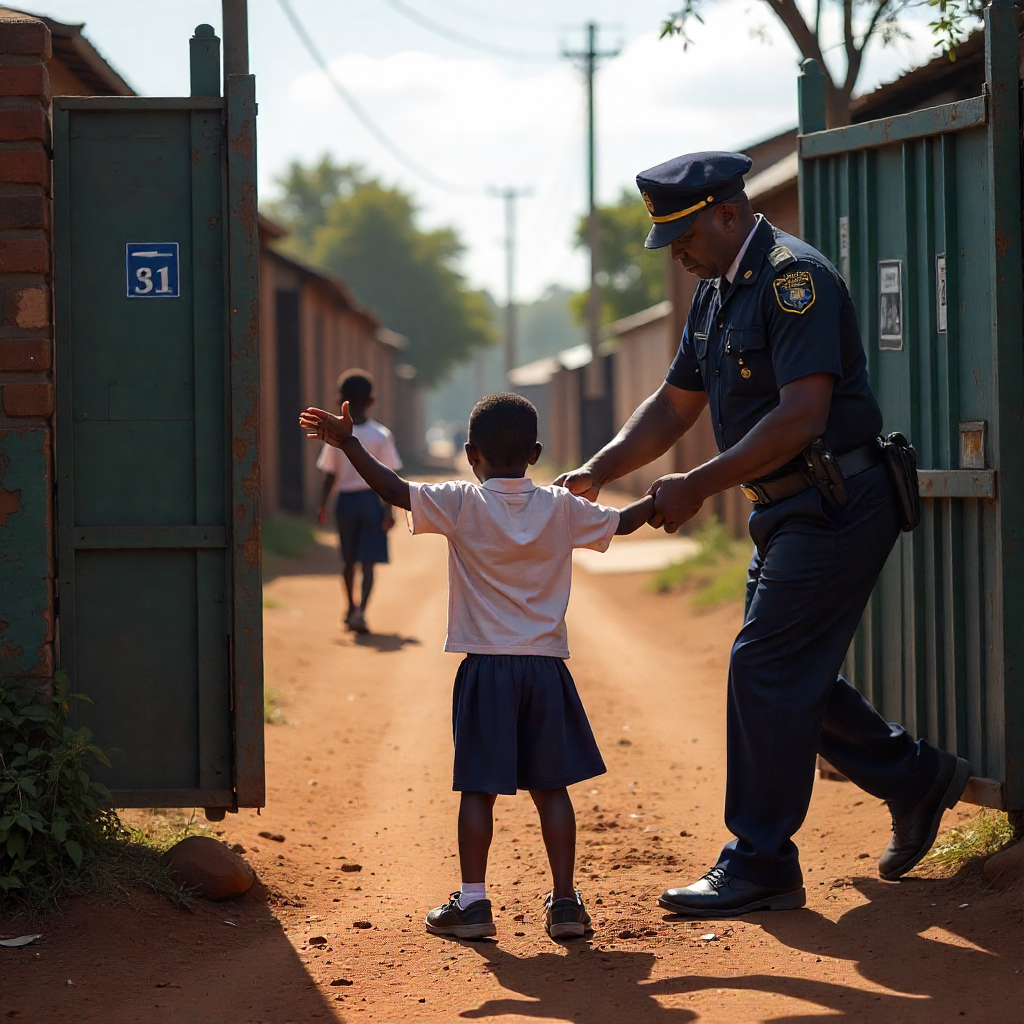
 Migrant Children’s Educational Rights  Opening: A Child at the Gate At 7:30 a.m. in Johannesburg’s inner city, Blessing, a 10-year-old from Zimbabwe, waits outside a public primary school with her mother. They’ve been turned away three times. The principal insists on a South African birth certificate or permanent residence permit — documents Blessing’s family doesn’t

The School Gate Barrier: Education Officials Blocking Migrant Children’s Right to Learn Read More »

healthcare access South Africa, undocumented migrants, Section 27 Constitution, right to health, migrant health policy, healthcare denial, clinic staff training, xenophobia in healthcare, National Health Insurance Act, NHI Act 2023, Gauteng Department of Health, public health system South Africa, migrant maternal health, health rights advocacy, NGO interventions South Africa, Médecins Sans Frontières MSF, Scalabrini Centre, Sonke Gender Justice, migrant patient liaison, safe space clinics, mobile health clinics, legal framework for migrants, health policy reform, South African Health Department, emergency medical treatment, National Health Act, Refugees Act, Immigration Act, medical xenophobia, health equity, access to primary healthcare, migrant women and children, healthcare discrimination, migrant rights South Africa, human rights in healthcare, policy implementation gaps, healthcare exclusion, healthcare ethics, frontline health workers, healthcare governance, civil society health advocacy, border health Musina, Johannesburg clinics, Cape Town clinics, Limpopo health services, intersectionality migration health, refugee healthcare, SADC migrants, healthcare funding South Africa, healthcare accountability, migrant health research, public health recommendations South Africa, healthcare system reform, training gaps in healthcare, health ombuds reporting, right to emergency care, inclusion in NHI, constitutional health obligations, health system barriers, NGO healthcare partnerships, community health outreach, healthcare law South Africa, migrant patient experiences, medical ethics training, healthcare policy analysis, vulnerable populations in healthcare

Healthcare Denied: How Clinic Staff Turn Away Undocumented Migrants Despite Constitutional Rights

Healthcare of Undocumented Migrants  Constitutional Rights Opening: a real case and a stark statistic In 2023, a young Zimbabwean mother in a peri-urban township in Gauteng arrived at a public clinic in labour. She carried no documents, fearing arrest. Clinic staff told her she would need to pay upfront or produce a permit before being

Healthcare Denied: How Clinic Staff Turn Away Undocumented Migrants Despite Constitutional Rights Read More »

xenophobia, Tshwane municipal response, eThekwini xenophobic attacks, Operation Dudula protests, migration governance, South African Constitution Section 27, health access for migrants, urban health inequality, xenophobia and public health, informal settlements South Africa, migrant healthcare access, political populism South Africa, law enforcement and xenophobia, municipal accountability, public health policy South Africa, human rights obligations municipalities, migrants’ rights protection, SADC migration, local government xenophobia, civil society advocacy South Africa, Department of Home Affairs, South African Police Service xenophobia, Integrated Development Plan (IDP), National Health Insurance and migrants, community violence prevention South Africa, local governance ethics, Operation Dudula case study, migration and urban policy, South Africa social cohesion, migrant inclusion strategies, African migrants in South Africa, governance and accountability, policy reform South Africa, intersectional migration analysis, gender and migration health, undocumented migrants South Africa, healthcare access barriers, public health and xenophobia, municipal health services, NGO advocacy migration, evidence-based migration policy, South African human rights law, xenophobic vigilantism, local government leadership, ethical governance South Africa.

Operation Dudula and Municipal Responses: When Public Officials Enable Xenophobic Targeting

Xenophobia and Municipal Governance  Opening: A Growing Threat at the Clinic Gates In mid-2025, reports across Gauteng and KwaZulu-Natal revealed a disturbing trend. Members of Operation Dudula, a vigilante movement with strong anti-migrant sentiment, began blocking access to hospitals and clinics. They stationed themselves at entrances, demanding proof of citizenship before allowing patients to enter.

Operation Dudula and Municipal Responses: When Public Officials Enable Xenophobic Targeting Read More »

South African migration to UK, South African emigrants, South Africa-UK migration history, recent arrival myth, historical migration patterns, South African diaspora, Johannesburg emigration, Pretoria migrants, South African nurses in UK, skilled migration, NHS foreign workers, migration policy South Africa, UK immigration policy, professional accreditation, migrant health outcomes, migration case studies, diaspora support networks, bilateral agreements South Africa UK, migration integration, economic migration, political migration, post-apartheid emigration, colonial migration ties, intersectional migration factors, migrant mental health, migration workforce shortages, migrant rights, migration policy gaps, international cooperation in migration, South African expatriates, migration trends 2020-2025

The ‘Recent Arrival’ Myth: Historical Continuities in South African Migration to Britain

South African Migration to Britain Introduction: A Legacy of Migration The United Kingdom has long been a prominent destination for South African emigrants. According to the 2021 UK Census, 211,447 South African-born individuals resided in England, 15,253 in Scotland, 5,733 in Wales, and 2,627 in Northern Ireland. Wikipedia This enduring trend challenges the notion that

The ‘Recent Arrival’ Myth: Historical Continuities in South African Migration to Britain Read More »

gender and migration, Zimbabwean women migrants, UK migration from Zimbabwe, African female migration, patriarchal norms, gender roles in migration, feminist migration theory, transnational families, remittances and gender, Zimbabwe diaspora, migration health, intersectionality and migration, migrant women empowerment, migration policy analysis, African migration patterns, women and economic mobility, migrant care work, healthcare access for migrants, UK immigration policy, South African migration research, migration and social change, diaspora engagement, gendered labour migration, migration and identity, migrant women resilience, migration studies Africa, women’s rights and mobility, migration statistics 2020–2025, feminist policy analysis, global south migration, African diaspora women

Gender and Migration Myths: How Zimbabwean Women’s UK Migration Challenges Patriarchal Assumptions

Gender and Migration Myths Introduction: Feminising Migration Beyond the Stereotypes Between June 2023 and June 2024, 35,938 Zimbabwean nationals—mostly healthcare professionals—received UK work visas (The Observer Zimbabwe, 2024). Almost half of these migrants were women, many of them nurses and allied health workers. This surge marks a significant shift in Zimbabwe’s migration trends and challenges

Gender and Migration Myths: How Zimbabwean Women’s UK Migration Challenges Patriarchal Assumptions Read More »