African Migration Governance

migration health, urban planning, South Africa, healthcare access, informal settlements, health infrastructure, health policy, internal migration, cross-border migration, urbanization, health equity, migrant health services, primary healthcare, community health workers, mobile health units, health system strengthening, National Health Insurance, NHI, universal health coverage, healthcare utilization, health disparities, climate migration, refugee health, asylum seekers, undocumented migrants, healthcare barriers, documentation status, language barriers, cultural competency, intersectional health, gender health disparities, maternal health, chronic disease management, mental health services, tuberculosis, HIV/AIDS, non-communicable diseases, health outcomes, healthcare providers, health facilities, clinic access, emergency healthcare, preventive care, health promotion, health education, telemedicine, digital health, health technology, healthcare costs, cost-effectiveness, health economics, health financing, health insurance, public health, population health, epidemiology, health surveillance, health data, health information systems, health monitoring, health evaluation, social determinants of health, housing health, water sanitation, environmental health, occupational health, school health, elder health, child health, adolescent health, reproductive health, family planning, immunization, health screening, health literacy, health communication, health advocacy, health rights, constitutional health rights, health law, health governance, health leadership, health management, health administration, health planning, health implementation, health coordination, intersectoral collaboration, health partnerships, NGO health programs, community-based health, participatory health, health research, health evidence, health innovation, health solutions, health interventions, health programs, health services delivery, health quality, patient satisfaction, healthcare workforce, health training, health capacity building, health sustainability, health resilience, urban health, metropolitan health, municipal health, provincial health, regional health, SADC health cooperation, African health systems, developing country health, middle-income country health, health development, health cooperation, health diplomacy, health security, health emergency preparedness, health system adaptation, health transformation, health reform, health modernization

Urban Planning and Migration: Infrastructure Challenges in South African Cities – A Health Policy Analysis

Migration Health in South African Cities Addressing the Critical Intersection of Urbanization, Migration, and Public Health in Post-Apartheid South Africa Introduction: The Convergence of Crisis and Opportunity In Alexandra Township, Johannesburg, 22-year-old Nomsa* (name changed) recently moved from rural Limpopo to seek employment opportunities. Like thousands of other internal migrants, she settled in an informal […]

Urban Planning and Migration: Infrastructure Challenges in South African Cities – A Health Policy Analysis Read More »

migration health, South Africa migration, economic impact, health policy, migration economics, healthcare costs, remittances, cross-border migration, undocumented migrants, healthcare access, National Health Insurance, constitutional rights, migration policy, health systems, xenophobia, skilled migration, healthcare workers, professional qualification recognition, migrant entrepreneurship, emergency department utilization, uncompensated care, public health, private healthcare, informal economy, seasonal workers, agricultural labor, tourism sector, port economy, inner city health, mobile health units, cost-benefit analysis, health equity, universal health coverage, migration flows, documentation barriers, regional migration, Southern African Development Community, SADC, border movements, economic contributions, tax revenue, job creation, business registration, community health, cultural competence, multilingual services, health screening, portable health records, preventive care, health financing, fiscal impact, treasury guidelines, policy integration, stakeholder engagement, civil society, NGO advocacy, academic research, longitudinal studies, evidence-based policy, health worker shortage, brain drain, brain gain, informal settlements, health risks, social tensions, economic instability, one-stop services, fast-track programs, metropolitan areas, provincial health departments, sustainable financing, research gaps, gender analysis, intersectional factors, vulnerable populations, ethical considerations, privacy protection, case studies, statistical analysis, demographic trends, healthcare utilization patterns, migrant rights, social determinants of health, economic opportunities, policy recommendations, implementation timelines, monitoring systems, program evaluation, success factors, pilot programs, integrated approaches, comprehensive healthcare, emergency services, primary healthcare, specialist care, health outcomes, community-based programs, capacity building, training programs, partnership development, multi-sectoral collaboration, regional cooperation, bilateral agreements, migration corridors, economic corridors, trade relationships, labor mobility, skills recognition, qualification frameworks, professional councils, regulatory barriers, administrative processes, service delivery, quality improvement, health system strengthening, infrastructure development, resource allocation, budget planning, financial sustainability, innovative solutions, best practices, lessons learned, scalability, replicability, knowledge transfer, policy dialogue, advocacy campaigns, public awareness, community engagement, stakeholder consultation, participatory approaches, inclusive policies, non-discrimination, human rights, international law, regional frameworks, continental policies, global health security, pandemic preparedness, health emergencies, disaster response, climate migration, environmental factors, food security, drought impacts, unemployment, inflation, economic shocks, resilience building, adaptive capacity, transformation agenda, social cohesion, nation building, development outcomes, poverty reduction, inequality, social protection, safety nets, livelihood strategies, economic diversification, value chains, supply chains, market access, trade facilitation, investment promotion, economic growth, productivity gains, innovation ecosystems, technology transfer, digital health, telemedicine, health information systems, data management, surveillance systems, epidemiological monitoring, health indicators, performance metrics, quality assurance, accountability mechanisms, transparency, governance structures, institutional arrangements, coordination mechanisms, inter-governmental relations, decentralization, local government, municipal services, urban planning, spatial development, housing policies, land use, transport systems, infrastructure investment, service provision, public-private partnerships, community participation, social capital, trust building, conflict resolution, peace building, reconciliation processes, social justice, human dignity, solidarity, ubuntu philosophy

The Economic Impact of Migration on South African Communities: A Health Policy Perspective

 Migration Health in South Africa Opening: The Numbers Tell a Story In July 2024, the South Africa-Zimbabwe corridor alone recorded 32,309 movements, constituting 92% of all migration flows across Zimbabwe’s official border points. Meanwhile, healthcare facilities in Johannesburg’s inner city reported a 40% increase in emergency department presentations by undocumented migrants between 2023 and 2024.

The Economic Impact of Migration on South African Communities: A Health Policy Perspective Read More »

South Africa immigration system, asylum seekers, refugee documentation, Department of Home Affairs, DHA, Refugee Reception Offices, RRO, asylum processing backlogs, migration health, undocumented migrants, healthcare access, documentation barriers, immigration reform, refugee status determination, asylum applications, migration policy, border management, digitization of immigration, mobile documentation services, healthcare integration, xenophobia, vulnerable populations, gender-based migration challenges, maternal health migrants, tuberculosis transmission, informal settlements, Cape Town immigration, Johannesburg refugee office, Durban migrant communities, KwaZulu-Natal mobile units, Refugee Appeals Authority, RAASA, birth registration, antenatal care access, emergency healthcare protocols, immigration law training, cultural competency, legal aid organizations, parliamentary oversight, civil society advocacy, research gaps migration health, intersectional vulnerabilities, climate-induced displacement, regional cooperation frameworks, universal healthcare access, cost-benefit analysis immigration reform, longitudinal health studies, participatory research approaches, stakeholder coordination, human rights migration, public health implications, system efficiency, constitutional values, African healthcare contexts, health policy makers, NGO workers, academic researchers, epidemiological data, policy analysis gaps, evidence-based solutions, implementation timelines, budget requirements, emergency response immigration, technology infrastructure upgrades, comprehensive legal framework revision, population health outcomes, discrimination healthcare settings, appointment systems immigration, satellite offices establishment, independent immigration tribunals, inter-departmental coordination mechanisms, migration-development nexus, forced displacement, economic migration processing, points-based visa system, fast-track processing vulnerable groups, integrated health-immigration databases, real-time documentation verification, patient privacy protection, emergency care costs, treatment delays, advanced medical conditions, preventable diseases, immunization coverage, disease outbreak risks, transportation barriers documentation, geographic access disparities, digital literacy programs, connectivity gaps, trauma-related health needs, mental health screening, legal assistance complex cases, monitoring processing outcomes, advocacy vulnerable populations, longitudinal outcome studies, rural migration research, underdocumented populations data, participatory community research, political will reform, resource allocation, moral imperatives, practical necessities, human suffering costs, economic inefficiency, regional leadership, restriction versus investment

Understanding South Africa’s Immigration System: Health Policy Challenges and Reform Imperatives

South Africa’s Immigration  Health Policy Reform Recently, Amara*, a pregnant Zimbabwean woman, waited fourteen hours at Cape Town’s Refugee Reception Office (RRO) only to be turned away without processing her asylum application. Subsequently, she delivered her baby without proper documentation, consequently limiting both her and her child’s access to essential healthcare services. Unfortunately, this scenario

Understanding South Africa’s Immigration System: Health Policy Challenges and Reform Imperatives Read More »

Migration securitisation, border control, xenophobia, Immigration Act, Refugees Act, deportation, detention, asylum seekers, undocumented migrants, Border Management Authority, Operation Fiela, national security, migration policy, threat perception, Department of Home Affairs, xenophobic violence, spatial control, migration management, illegal foreigners, border enforcement, immigration policing, African migrants, social exclusion, sovereignty, foreign nationals, biometric identification, militarized borders, criminalization of migration, migration control, refugee reception offices, mobility control, nation-state, social cohesion, exclusionary practices, state sovereignty, scapegoating, state violence, migration governance, refugee protection, documentation challenges, spatial segregation, forced removals, constitutional rights, human security, regional integration, SADC, identity documents, regularization, smart borders, migration law enforcement, anti-immigrant sentiment, othering, state talk, refugee status determination, migrant labor, apartheid legacy, freedom of movement, integration policy, state of exception, law enforcement, corruption, informal settlements, migration discourse, illegal immigration, Lindela Detention Centre, state capacity, humanitarian protection, service delivery, labor migration, population control, migrant rights, citizenship

The Securitisation of Migration Governance in South Africa

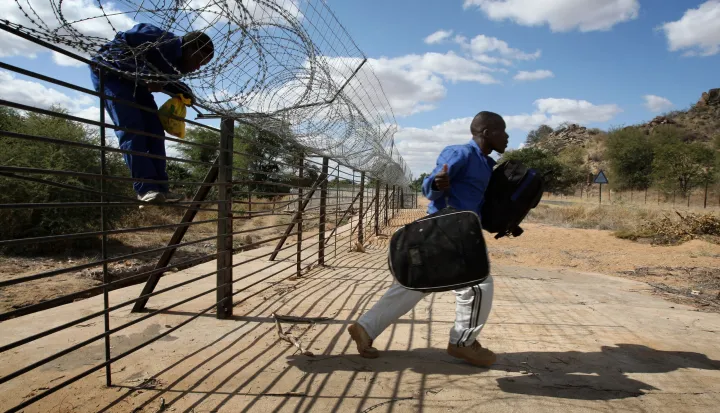
South Africa and Securitisation of Migration Governance South Africa has become a significant destination for migrants from across Africa and beyond since its transition to democracy in 1994. As one of the continent’s most developed economies, it has attracted people seeking better economic opportunities, as well as those fleeing political instability and conflict. However, the

The Securitisation of Migration Governance in South Africa Read More »

Migration Policies • Regional Integration • Free Movement Protocols • Border Management • Refugee Protection • Climate Migration • Labor Mobility • Diaspora Engagement • Remittances • Brain Drain • Human Trafficking • Migrant Rights • ECOWAS Protocol • AU Migration Policy Framework • Irregular Migration • Migration Data • Return and Reintegration • Rural-Urban Migration • Youth Migration • Gender and Migration • Xenophobia • Identity Documentation • Migration Diplomacy • Humanitarian Corridors • Migration-Development Nexus • Forced Displacement • Internal Displacement • Mixed Migration • Circular Migration • Migration Governance Indicators • Capacity Building • Migration Compacts • Bilateral Agreements • Cross-Border Cooperation • Migration Determinants • Pastoral Migration • Migration and Security • Externalization of Borders • Migration Governance Architecture • Migration Corridors • Visa Regimes • Detention Practices • Migration and Trade • Skill Recognition • Social Protection • Seasonal Migration • Post-Colonial Migration Patterns

What is the state of African Migration Governance in South Africa.

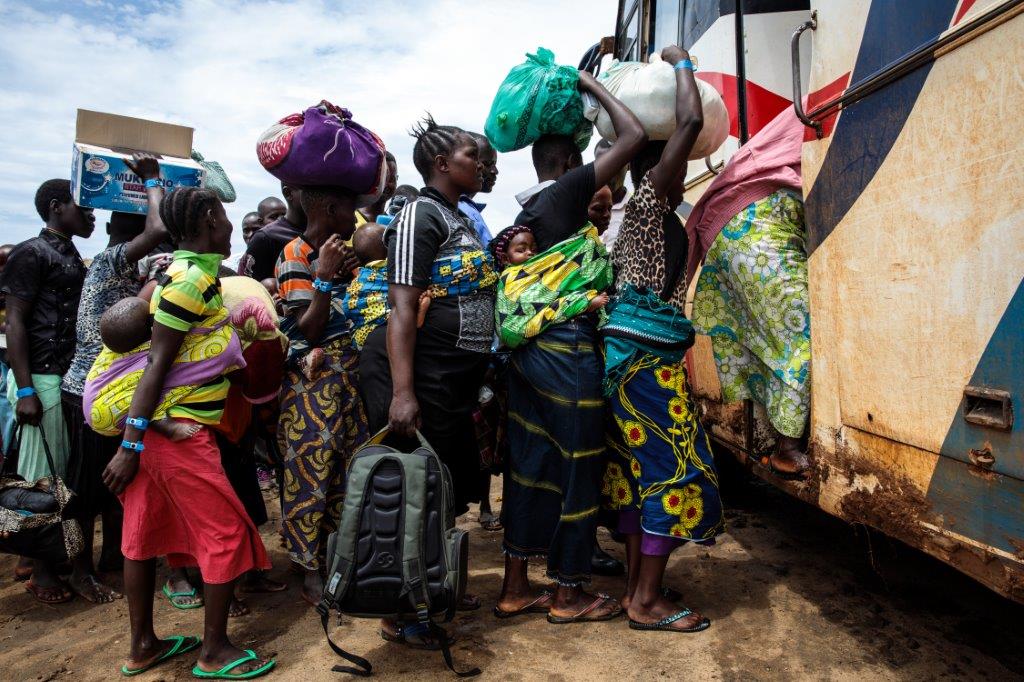
African Migration Governance in South Africa: Challenges and Developments in the SADC Region South Africa remains the primary destination for migrants within the Southern African Development Community (SADC) region, hosting the largest number of international migrants in Africa. This position has placed significant pressure on South Africa’s migration governance frameworks, which have undergone substantial reform

What is the state of African Migration Governance in South Africa. Read More »

African migration governance, migration policy, border management, refugee protection, regional migration frameworks, AU migration agenda, ECOWAS free movement, SADC migration policy, irregular migration, labor migration, forced displacement, human trafficking, migrant rights, asylum policies, diaspora engagement, remittances, return migration, brain drain, brain gain, migration and development, migration diplomacy, migration corridors, migration data, migration security, migration and human rights, migration and climate change, migration governance frameworks, migration agreements, migration partnerships, migration and regional integration, migration and economic development, migration and social cohesion, migration crisis management, migration and citizenship, migration regularization, migration and public health, statelessness, migration and urbanization, migration and education, migration and technology, migration and gender, migration and youth, migration law, migration enforcement, migration surveillance, migration research, migration funding, migration and xenophobia, migration narratives, migration advocacy.

Why studying African Migration Governance Matters?

Introduction to Migration Governance in Africa Migration governance across the African continent represents one of the most complex and multifaceted policy areas facing African states today. The management of human mobility within, from, and to Africa encompasses a diverse range of political, economic, social, and environmental dimensions that require sophisticated governance frameworks. African migration patterns

Why studying African Migration Governance Matters? Read More »

African migration policy, continental free movement protocol, regional migration frameworks, African Union migration strategy, migration governance Africa, cross-border mobility management, ECOWAS free movement, East African Community migration, SADC migration policy, migration data systems Africa, African migration observatory, migration and development nexus, diaspora engagement policies, remittance governance Africa, refugee protection frameworks, OAU Refugee Convention, Kampala Convention IDPs, mixed migration governance, irregular migration management, border management Africa, migration and security, human trafficking governance, migrant smuggling prevention, climate migration Africa, environmental mobility governance, labor migration frameworks, skills mobility partnerships, migration and urbanization, rural-urban migration governance, migration governance indicators, Global Compact implementation Africa, national migration policies, migration governance capacity building, migration mainstreaming development, gender-responsive migration governance, children in migration governance, migration health frameworks, migration governance evaluation, AU Migration Policy Framework, migration diplomacy Africa, regional consultative processes, inter-state cooperation migration, migration governance financing, civil society engagement migration, private sector migration governance, local authorities migration management, human rights-based migration governance, ethical recruitment frameworks, return and reintegration policies, readmission agreements Africa, migration governance research, migration governance training, migration data harmonization, predictive migration analytics, forced migration governance, migration legal frameworks, migration and trade governance, African passport implementation, biometric border systems, migration early warning systems, migration governance innovation, migration laboratory Africa, South-South migration cooperation, African migration think tanks, migration governance networks, migration resource centers, migrant resource centers, humanitarian border management, integrated border management Africa, migration governance localization, migration multi-stakeholder platforms, governance of migration corridors, migration policy coherence, whole-of-government migration approach, whole-of-society migration governance, migration governance digitalization, migration knowledge management, African migration academic network, migration governance learning platforms

A Guide to African Migration Governance

African Migration Governance: A Comprehensive Guide The Migration Challenge in Africa Africa’s migration landscape presents a multifaceted challenge for governance frameworks across the continent. With approximately 21 million Africans living outside their country of birth and millions more migrating within the continent, the scale and complexity of human mobility demands sophisticated policy responses (IOM, 2022).

A Guide to African Migration Governance Read More »