African Migrants

Namibian farmers, drought-resistant crops, indigenous crops, climate migration, Southern Africa agriculture, food security, rural livelihoods, climate adaptation, mahangu, sorghum, cowpea, Bambara groundnut, agroecology, smallholder farmers, Limpopo agriculture, Tsumeb, Thohoyandou, cross-border farming, seed systems, community seed banks, nutrition security, climate-smart agriculture, SADC migration, South Africa rural development, sustainable farming, climate-resilient crops, urban food insecurity, migration health, gender and migration, youth farmers, undocumented migrants, agricultural policy, FAO dryland program, El Niño drought, crop diversity, informal settlements, traditional knowledge, agricultural extension, smallholder collectives, local markets, food sovereignty, adaptive farming practices, climate change impact, multi-stakeholder collaboration.

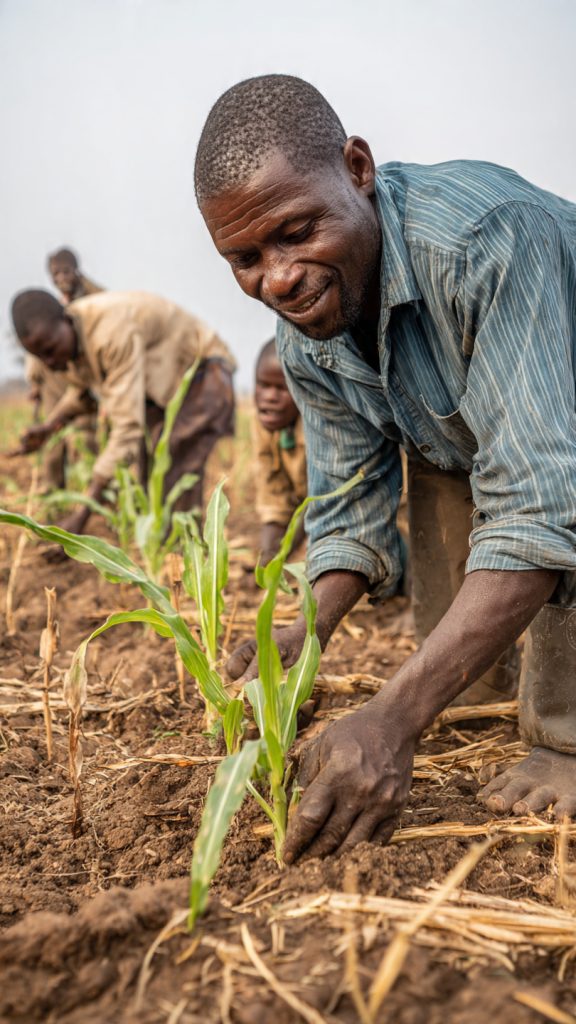
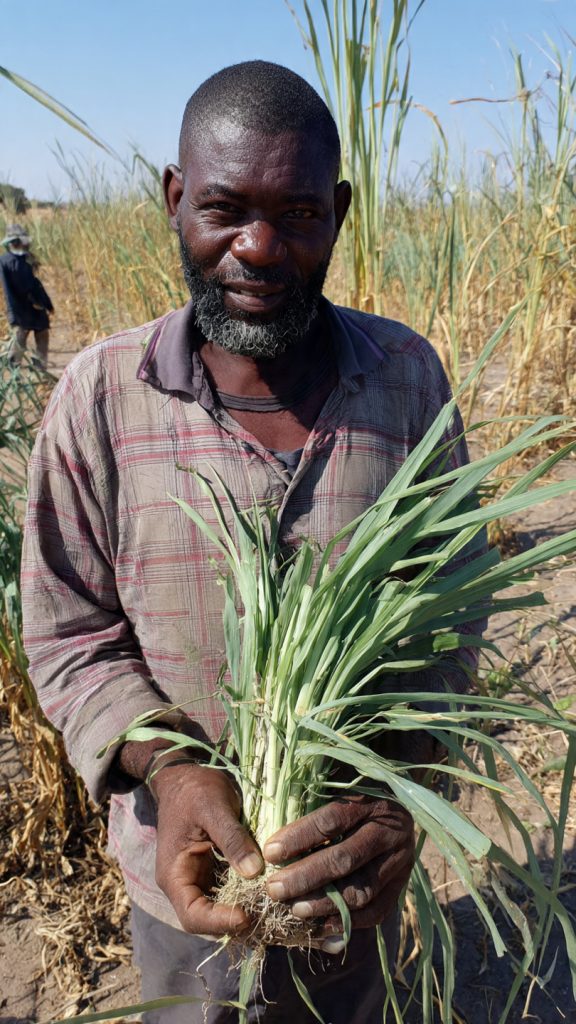
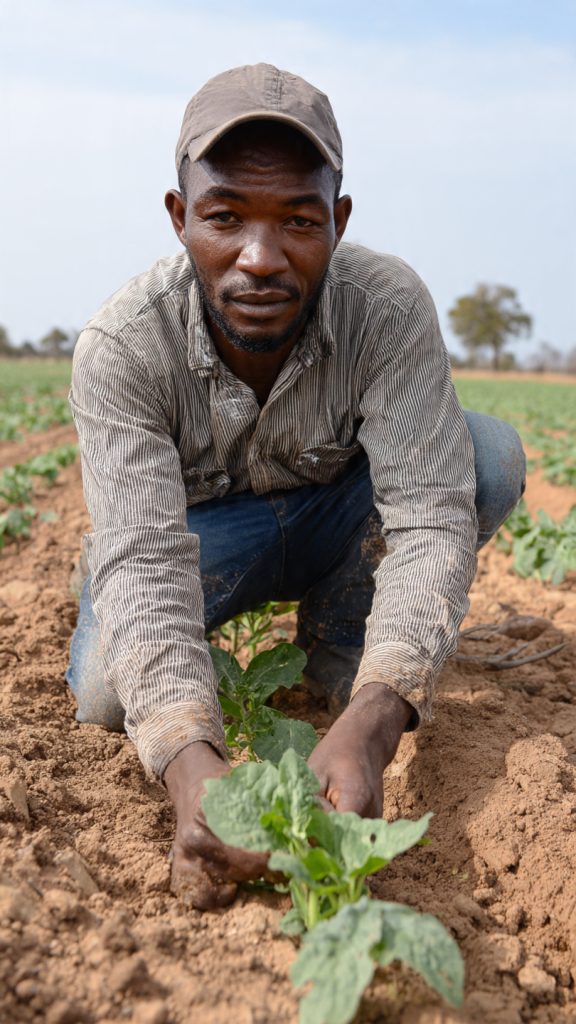
From Tsumeb to Thohoyandou: The Namibian Farmers Bringing Drought-Resistant Indigenous Crops Across Borders

Namibian Farmers Bringing Drought‑Resistant Crops Across Borders In the arid expanses between Tsumeb in northern Namibia and Thohoyandou in Limpopo Province, a new pattern of climate‑linked movement and agricultural innovation is emerging. Severe droughts and erratic rainfall, driven by climate variability, are forcing rural agricultural households to rethink what crops they grow, where they live, […]
From Tsumeb to Thohoyandou: The Namibian Farmers Bringing Drought-Resistant Indigenous Crops Across Borders Read More »

Botswana returning migrants, return migration Southern Africa, organic farming Botswana, agroecology Southern Africa, chemical-free agriculture, sustainable agriculture Africa, migrant-led farming innovation, migration and food systems, migration and public health, health impacts of pesticides, occupational health farmworkers, non-communicable diseases Southern Africa, diet-related diseases Africa, food security Botswana, rural livelihoods Botswana, smallholder farmers Southern Africa, indigenous farming knowledge, traditional agricultural practices, sustainable land use Botswana, environmental health agriculture, pesticide exposure Africa, urban–rural migration linkages, remittances and agriculture, migrant reintegration policies, cross-border migration Botswana South Africa, informal food markets Gauteng, Johannesburg food systems, Pretoria informal markets, regional food supply chains, women farmers Botswana, gender and agriculture Southern Africa, youth return migrants, land tenure and migration, undocumented migrants agriculture, social determinants of health, nutrition-sensitive agriculture, public health and food systems, agroecological transition, climate-resilient agriculture, sustainable diets Africa, policy gaps agriculture and health, South African agricultural policy, National Health Insurance food security, NGO agroecology programs, community-based farming initiatives, regional development SADC, migration-informed policy, health equity and food systems

Why Botswana’s Returning Migrants Are Ditching Chemicals and Going Back to the Old Ways

Back Home, Back to Organic: Botswana’s Returning Migrants The Organic Farming Renaissance Led by Those Who’ve Seen Both Worlds Introduction: When Migration Comes Home In 2023, Botswana’s Ministry of Agriculture reported a 28% increase in smallholder registrations in the eastern districts of Central, Kweneng, and North-East. Notably, local extension officers observed that many new entrants

Why Botswana’s Returning Migrants Are Ditching Chemicals and Going Back to the Old Ways Read More »

labor migration, Southern Africa, kapenta, dried fish trade, Lake Kariba, informal food systems, food security, nutrition security, migrant health, public health, urban health, cross-border trade, informal economy, migrant diets, affordable protein, food systems, migration and health, migration policy, health policy, National Health Insurance South Africa, primary health care access, undocumented migrants, healthcare access barriers, xenophobia, gender and migration, women traders, intersectionality, occupational health risks, food safety, environmental health, informal markets, spaza shops, street vendors, Johannesburg inner city, Cape Town townships, eThekwini informal trade, Gqeberha markets, urban poverty, social networks, remittances and food, circular migration, Southern African Development Community (SADC), regional food systems, NGO interventions, community-led health programs, mobile clinics, policy gaps, governance silos, migrant-inclusive policies, nutrition policy, urban food governance, livelihoods, resilience, public health equity

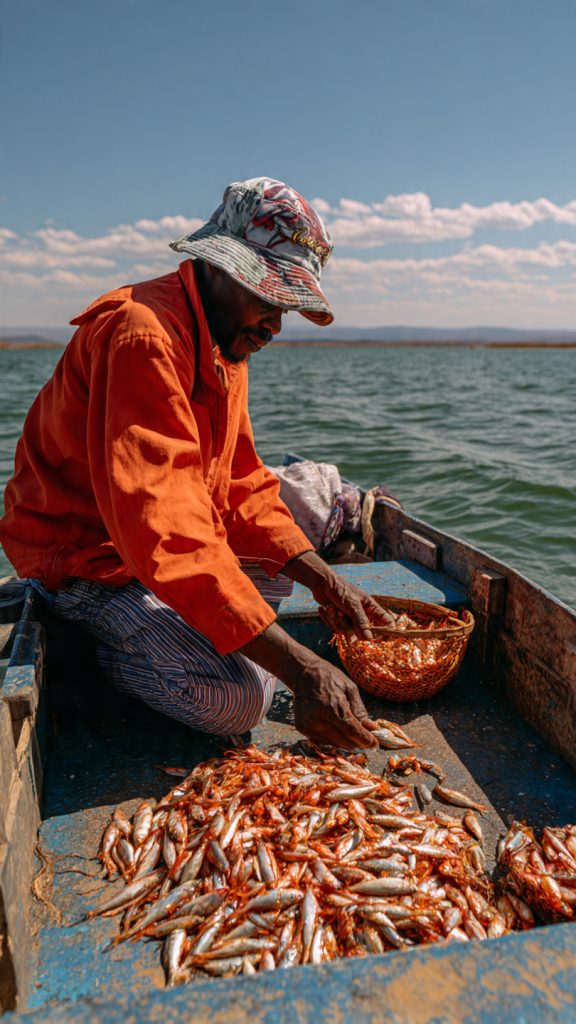
The Kapenta Trail: How Labor Migration Created Southern Africa’s Most Unlikely Food Network

Migration on the Menu: Kapenta, Food, and Health Following fish, families, and farming knowledge from Lake Kariba to the Cape Opening: A Fish That Travels Further Than People In 2023, dried kapenta from Lake Kariba appeared in informal markets across Johannesburg, Cape Town, and Gqeberha. Alongside mielie meal and tomatoes, traders sold it to low-income

The Kapenta Trail: How Labor Migration Created Southern Africa’s Most Unlikely Food Network Read More »

remittances, rural farming, migration and food security, Malawi agriculture, Malawian villages, rural livelihoods, smallholder farmers, labor migration, agricultural labor shortages, family farming systems, organic agriculture, agroecology, subsistence farming, crop diversification, soil fertility, seed saving, traditional farming knowledge, women farmers, gender and agriculture, feminization of agriculture, youth migration, transnational households, rural–urban migration, cross-border migration, Southern Africa migration, Malawi–South Africa migration corridor, migrant workers in South Africa, informal labor markets, remittance dependence, household income strategies, food insecurity, nutritional outcomes, dietary diversity, child stunting, maternal nutrition, non-communicable disease risk, public health and nutrition, migration health, social determinants of health, rural health systems, access to healthcare, National Health Insurance South Africa, health policy for migrants, agricultural policy gaps, food systems policy, transnational food systems, rural development policy, social protection, climate vulnerability, climate-smart agriculture, resilience building, community-based agriculture, women-led cooperatives, farmer cooperatives, organic value chains, informal food markets, urban food security, informal produce markets, NGO interventions, community-led solutions, policy integration, SADC migration policy, ethical migration research, vulnerable populations, evidence-based policy, mixed-methods research, qualitative case studies, rural Malawi, Gauteng food systems

Are Remittances Killing Rural Farming? What Malawian Villages Can Teach Us About Migration and Food Security

Remittances, Migration, and the Future of Rural Farming When money from the city replaces hands in the soil—and what it means for organic agriculture Introduction: When Cash Arrives but Fields Lie Fallow In 2023, remittances to Malawi exceeded USD 600 million, a figure larger than the national agriculture budget for smallholder support. In villages across

Are Remittances Killing Rural Farming? What Malawian Villages Can Teach Us About Migration and Food Security Read More »

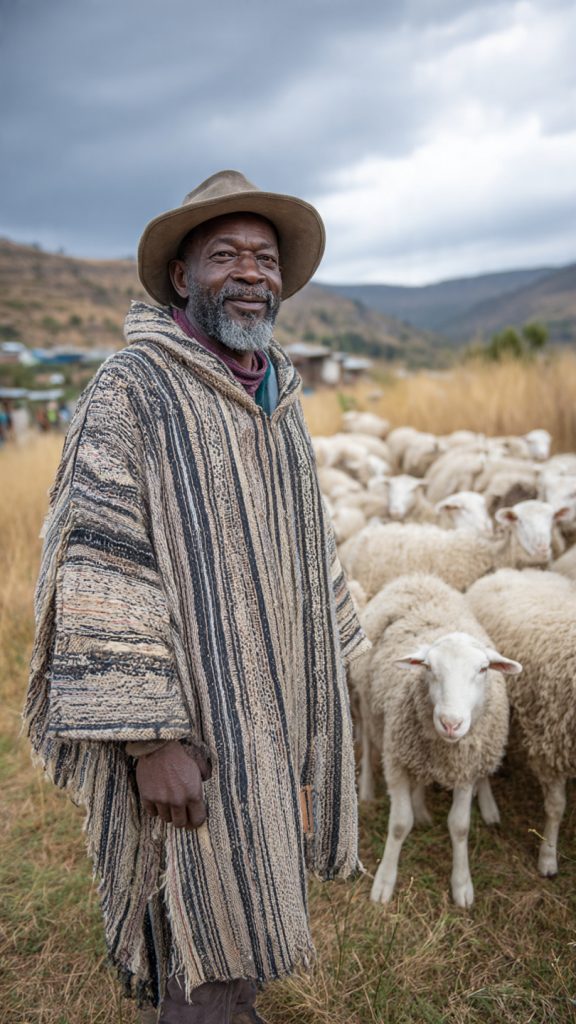
The Lesotho Shepherds Who Became Gauteng’s Unexpected Organic Farming Pioneers

Mountain Agriculture Meets Urban Health: The Complex Health Landscape of Lesotho’s Migrant Farmworkers in Gauteng Introduction: A Crisis Hidden in Plain Sight Across the agricultural belts surrounding Johannesburg and Pretoria, an estimated 350,000 Basotho migrants cultivate the food systems that sustain South Africa’s most urbanised province. Former mountain shepherds, seasonal harvesters, and, increasingly, innovators in

The Lesotho Shepherds Who Became Gauteng’s Unexpected Organic Farming Pioneers Read More »

Mozambican farmers, Mozambique–South Africa migration, cross-border migration, informal cross-border trade, organic produce trade, tomato value chain, smallholder agriculture, machamba farming, circular migration, food systems and migration, urban food security, informal markets Pretoria, Marabastad market, Tshwane informal economy, fresh produce supply chains, migrant livelihoods, agricultural migration, climate-induced migration, climate variability southern Africa, informal food systems, organic farming southern Africa, migrant traders, cross-border traders, SADC migration, regional food trade, undocumented migrants, migrant documentation status, health access for migrants, migrant health policy South Africa, National Health Act South Africa, primary healthcare access, health inequities migrants, market-based health outreach, mobile clinics informal markets, nutrition and migration, food insecurity among migrants, gendered migration patterns, women in informal trade, youth migration southern Africa, migrant remittances, informal market governance, urban public health Pretoria, municipal health planning, City of Tshwane IDP, NGO migrant health interventions, migrant associations, community-led initiatives, policy gaps migration health, evidence-based policy analysis, intersectionality migration health, ethical migration research

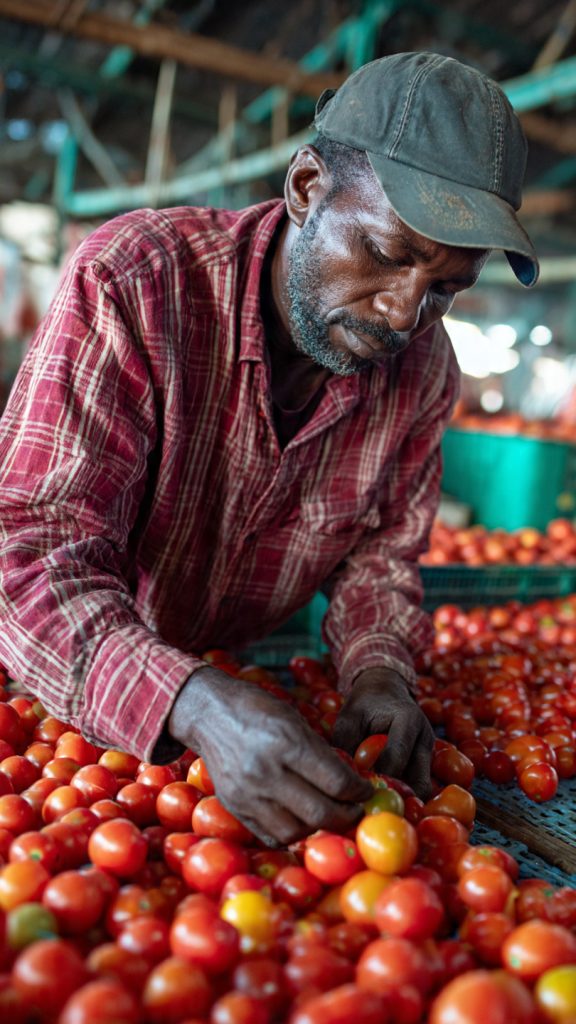
From Machamba to Market Stall: Why Mozambican Farmers Are Following Their Tomatoes to Pretoria

Cross-Border Farming and Pretoria’s Tomato Trade The Untold Story of How Organic Produce Is Reshaping Migration Patterns A Border-Crossing Food System in Motion In 2023, informal markets in Pretoria North and Marabastad recorded a visible rise in fresh tomatoes, leafy greens, and chillies traced back to southern Mozambique. At the same time, border authorities at

From Machamba to Market Stall: Why Mozambican Farmers Are Following Their Tomatoes to Pretoria Read More »

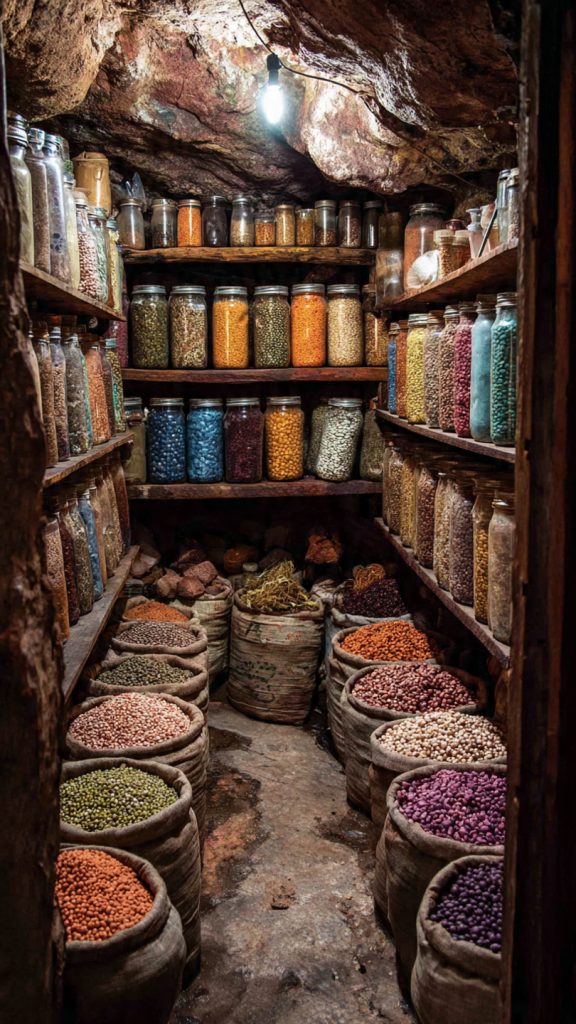
Zimbabwean migrants, Johannesburg, heirloom crops, grandma’s seeds, seed exchange networks, urban gardening, urban agriculture, food heritage, cultural preservation, informal gardening, migrant food security, biodiversity, community gardens, cross-border seeds, indigenous crops, organic farming, home gardens, migrant livelihoods, nutrition, rooftop gardens, Gauteng, Limpopo, migration health, informal economy, sustainable agriculture, women gardeners, undocumented migrants, traditional seeds, climate-resilient crops, migrant communities, South African food policy, municipal support, seed libraries, urban food systems, cultural resilience, nutrition security, food diversity, community-led initiatives, NGO programs, urban nutrition, cross-border knowledge networks, crop preservation, agricultural knowledge transfer, migrant empowerment, public health, inclusive urban agriculture

When Grandma’s Seeds Cross Borders: How Zimbabwean Migrants Are Keeping Heirloom Crops Alive in Johannesburg

Preserving Heritage: Zimbabwean Migrants’ Heirloom Seeds The Hidden Lifeline of Heritage Seeds On a busy street in Yeoville, Johannesburg, 62-year-old “Mavis” (not her real name) exchanges a small packet of seeds with a neighbour. These are not ordinary seeds—they are her late grandmother’s heirloom crops, passed down through generations in rural Zimbabwe. For Mavis, this

When Grandma’s Seeds Cross Borders: How Zimbabwean Migrants Are Keeping Heirloom Crops Alive in Johannesburg Read More »

National Health Insurance South Africa, NHI Act 2024, migrant health South Africa, healthcare access for migrants, undocumented migrants healthcare, asylum seekers health rights, refugee healthcare South Africa, universal health coverage South Africa, UHC and migration, public health policy South Africa, migration and health, TB and migration South Africa, HIV treatment access migrants, antiretroviral therapy migrants South Africa, notifiable diseases South Africa, tuberculosis public health South Africa, HIV policy gaps South Africa, health equity South Africa, constitutional right to health South Africa, healthcare discrimination migrants, medical xenophobia, healthcare without borders, migrant-friendly clinics, healthcare documentation barriers, Department of Home Affairs backlog, migration policy South Africa, Refugees Act healthcare rights, Immigration Act health reporting, National Health Act South Africa, primary healthcare access migrants, maternal healthcare migrants South Africa, migrant women health rights, antenatal care migrants, child healthcare migrants South Africa, internal migration health impacts, cross-border migration health, mobile populations healthcare, continuity of care migrants, health systems strengthening South Africa, disease prevention and control migration, TB control migrant populations, HIV prevention migrants, emergency healthcare migrants South Africa, healthcare cost-effectiveness migrants, migrant contribution to health system, public health ethics South Africa, right to health international law, Global Compact for Migration health, WHO migrant health, health policy reform South Africa, inclusive healthcare policy, NHI implementation challenges, NHI migrant inclusion, healthcare provider training migration, language barriers healthcare South Africa, community health workers migrants, migrant health NGOs South Africa, Johannesburg Migrant Health Forum, Médecins Sans Frontières Khayelitsha, regional health cooperation southern Africa, cross-border TB programmes, digital health records migrants, biometric registration NHI, health monitoring migration status, health equity and inclusion, social determinants of migrant health

How Should South Africa’s National Health Insurance (NHI) Address Migrant Health Coverage to Protect Public Health?

 The Public Health Case A Crisis at the Clinic Door On a humid morning in Nellmapius, Pretoria, Grace (not her real name) arrives at her local clinic carrying her nine-month-old daughter, burning with fever. At the triage desk, the nurse asks for a South African ID. Grace presents her Zimbabwean passport, its documentation expired. As

How Should South Africa’s National Health Insurance (NHI) Address Migrant Health Coverage to Protect Public Health? Read More »

socioeconomic factors, referral pathways, communication channels, data sharing protocols, coordination mechanisms, multi-country collaboration, regional frameworks, health agreements, memoranda of understanding, technical committees, public health surveillance, outbreak response, health security, epidemic preparedness, pandemic response, health emergency management, contact tracing, case investigation, risk assessment, health financing, donor funding, domestic health funding, resource mobilization, budget allocation, health expenditure, financial sustainability, health economics, cost-effectiveness, implementation strategies, scale-up, pilot programs, best practices, lessons learned, program evaluation, monitoring and evaluation, health system performance, quality improvement, right to health, healthcare rights, migrant rights, health equity, ethical healthcare, non-discrimination, universal health coverage, patient rights, informed consent, data privacy, electronic health information systems, health management information systems, HMIS, interoperability, data standards, patient identifiers, laboratory information systems, reporting systems, SMS reminders, healthcare workforce, health worker training, staff shortages, burnout, capacity development, professional development, human resources for health, health worker migration, brain drain

What Are the Cross-Border Health Coordination Challenges Between South Africa and Neighboring SADC Countries?

Breaking Down Borders, Building Health Systems: The Cross-Border Coordination Crisis in Southern Africa Introduction: When Borders Become Barriers to Health Maria, a 34-year-old Mozambican mother living in Nkomazi, South Africa, discovered she was HIV-positive during antenatal care. Immediately, healthcare workers started her treatment. However, when she returned to Mozambique for a family emergency three months

What Are the Cross-Border Health Coordination Challenges Between South Africa and Neighboring SADC Countries? Read More »

Community Health Workers, CHWs, migrant health, public health access, South Africa, language barriers, cultural competency, trust-building, Ward-Based Primary Healthcare Outreach Teams, WBPHCOT, healthcare navigation, migrant communities, health equity, informal settlements, maternal health, child immunization, ART adherence, health literacy, interpreter services, peer health navigators, community forums, health policy, PHC re-engineering, NHI equity objectives, healthcare outreach, vulnerable populations, migrant-inclusive healthcare, supervision and training, health service managers, NGOs, culturally appropriate materials, evidence-based interventions, Gauteng, Johannesburg, Ekurhuleni, Eastern Cape, Cape Town, Limpopo, migrant rights, undocumented migrants, health disparities, universal health coverage, health system strengthening, community engagement, health outcomes, migrant trust, healthcare gaps, data-driven targeting, policy recommendations, ethical sensitivity, intersectional factors

Can Community Health Workers Bridge the Gap Between Migrant Populations and South Africa’s Public Health Services?

CHWs and Migrant Access to Public Health in South Africa Overcoming Language, Cultural, and Trust Barriers Opening: A Clinic Scene in Gauteng On a sweltering summer morning at a primary healthcare clinic in Gauteng, Amina arrives with her two young children. She has travelled from a nearby informal settlement where she works long hours cleaning

Can Community Health Workers Bridge the Gap Between Migrant Populations and South Africa’s Public Health Services? Read More »