African Migrants

regional integration, SADC, Southern African Development Community, Malawi migration, South Africa migration, economic inequality, regional trade, labour mobility, migration policy, migration health, migrant healthcare, migration and inequality, Malawian migrants, South African economy, cross-border migration, informal labour, remittances, public health, migrant rights, healthcare access, undocumented migrants, migration governance, xenophobia in South Africa, Malawi economy, regional development, RISDP 2020-2030, WHO South Africa, migrant workers, inequality in Southern Africa, migration drivers, labour market integration, migrant health policy, human capital development, sustainable development, Agenda 2063, TB among migrants, HIV and migration, migration statistics, migrant livelihoods, social protection, migration reform, migration-health nexus, migration and gender, migrant women, regional labour frameworks, economic migration, SADC policy, trade imbalance, industrialisation, inclusive growth, health equity, diaspora engagement, bilateral labour agreements, migration research, migrant inclusion, regional cooperation, migration and human rights.

Can Regional Integration Frameworks Help Balance Economic Inequalities Driving Migration from Malawi to South Africa?

When Economic Inequality Drives Migration In early 2023, a 28-year-old woman from Mzimba, northern Malawi, made the long journey to Johannesburg. She explained, “We had problems with food. We didn’t have enough to feed the whole family.” Her story, documented by the MiFOOD Network, reflects the difficult reality of many Malawians driven by food insecurity […]
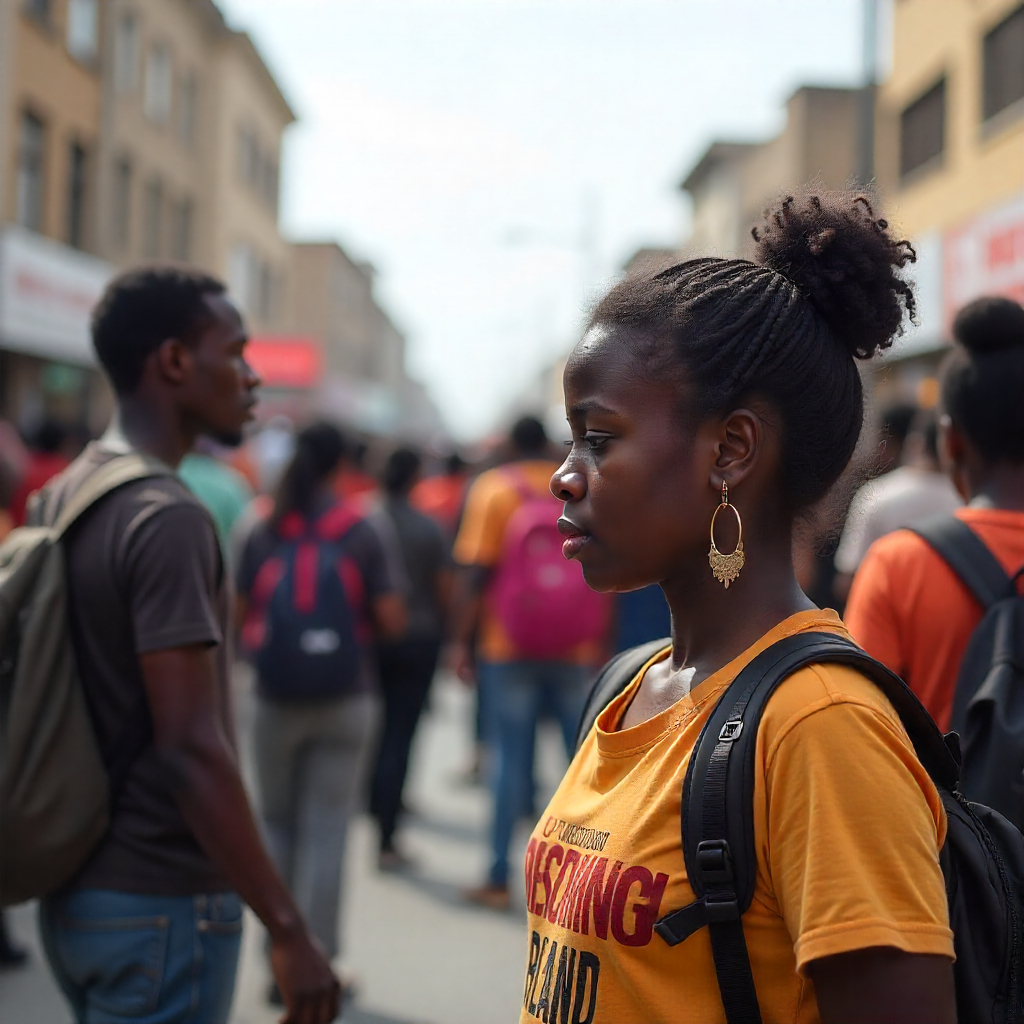
Can Regional Integration Frameworks Help Balance Economic Inequalities Driving Migration from Malawi to South Africa? Read More »

xenophobic violence South Africa, Mozambican migrants, migration policy South Africa, urban xenophobia, migrant health South Africa, policy solutions to xenophobia, South African cities migration, Johannesburg migrant communities, Durban xenophobia, Cape Town informal settlements, Diepsloot xenophobia, migrant rights South Africa, SADC migration policies, cross-border migration Mozambique, migrant healthcare access, anti-xenophobia strategies, community policing migrants, social cohesion programmes South Africa, migrant integration policies, informal economy migrant workers, South African health policy migrants, National Health Insurance migrants, refugee and migrant protection, border management South Africa, human rights violations migrants, migrant housing conditions, township violence migrants, gender-based xenophobia, undocumented migrants South Africa, local government responses to xenophobia, NGO interventions migration, public health and migration, hate crime legislation South Africa, integration of Mozambican migrants, South African immigration reform, migrant livelihoods risk, migrant youth and violence, migrant women vulnerability, migrant education access, African migration trends, internal displacement xenophobia, policy recommendations xenophobia.

What Policy Solutions Could Reduce Xenophobic Violence Against Mozambican Migrants in South African Cities?

 Policy Solutions which Reduce Xenophobic Violence By: A seasoned health policy researcher and public-health expert with 15+ years working on migration health and African health systems. Opening: a human cost and a stark statistic On a frigid night in April 2015, Emmanuel (name changed) — a Mozambican informal trader in Johannesburg — was beaten and

What Policy Solutions Could Reduce Xenophobic Violence Against Mozambican Migrants in South African Cities? Read More »

ChatGPT said: Zimbabwean migration, economic migration, SADC migration policy, Zimbabwe-South Africa migration, cross-border migration, migration health, migration and healthcare, undocumented migrants, brain drain Zimbabwe, Zimbabwean professionals abroad, remittances Zimbabwe, South Africa healthcare access, xenophobia South Africa, regional migration frameworks, SADC economic stabilization, bilateral labor agreements, skills recognition SADC, cross-border health systems, mobile health clinics, migrant health insurance, managed migration, family separation migrants, mental health migrants, migration policy gaps, agricultural recovery Zimbabwe, inflation Zimbabwe, Zimbabwe economic crisis, migration drivers, migration solutions, regional integration, migration data Southern Africa, migration research gaps, migration social impact, migrant worker protection, public health Southern Africa, migration trauma, Zimbabwean teachers abroad, Zimbabwean nurses abroad, humanitarian assistance Zimbabwe, migration governance SADC, migration corridors, Beitbridge migration, Harare migration, Chiredzi migration, Tendai nurse case study, Sarah teacher case study, Grace HIV case study, Patrick migrant case study, Lesotho managed migration, Kenya-Uganda health collaboration, EU circular migration programs, community integration programs, anti-xenophobia campaigns, policy recommendations migration, economic recovery Zimbabwe, SADC leadership action, South African government migration, Zimbabwe government reforms, civil society migration support, researcher migration studies, cross-border disease management, TB treatment migrants, HIV treatment migrants, migration mental health interventions.

How Can SADC Countries Address the Root Causes of Zimbabwean Economic Migration to South Africa?

 Addressing Zimbabwean Economic Migration to South Africa Survival Across Borders In July 2024, border officials recorded 32,309 movements along the Zimbabwe-South Africa corridor—92% of all migration across Zimbabwe’s official borders. Behind these figures are stories like Tendai*, a 34-year-old nurse from Harare. Twice monthly, she risks arrest crossing the Limpopo River to work informal shifts

How Can SADC Countries Address the Root Causes of Zimbabwean Economic Migration to South Africa? Read More »

colonial labour recruitment, South Africa migration, historical migration routes, Witwatersrand Native Labour Association, SANLC, migrant health, tuberculosis, infectious diseases, migrant workers, hostel systems, Lesotho migrants, Mozambican migrants, urban migration, informal settlements, healthcare access, social integration, migrant documentation, cultural competency, public health policy, migration policy, labour corridors, apartheid legacy, mining labour, rural-urban migration, migration health research, vulnerable populations, mental health of migrants, South African cities, evidence-based policy, migration health challenges, policy reform, inclusive healthcare, community programs

How Did Colonial Labour Recruitment Systems Establish Historical Migration Routes to South Africa?

Colonial Labour Recruitment and Its Enduring Impact on South African Migration and Health Introduction: Colonial Foundations of Migration Routes Colonial-era labour recruitment systems laid the groundwork for enduring migration patterns to South Africa. Institutions like the Witwatersrand Native Labour Association (WNLA) orchestrated the movement of workers from regions such as Lesotho, Mozambique, and Botswana to

How Did Colonial Labour Recruitment Systems Establish Historical Migration Routes to South Africa? Read More »

remittances, Zimbabwe remittances, Mozambique remittances, Malawi remittances, economic impact of remittances, migrant remittances, South Africa SADC migration, migration health, migrant households, household welfare, financial inclusion, digital remittance platforms, diaspora investment, health financing, social protection, migrant workers, informal remittance channels, cross-border remittances, remittance policy, development finance, migrant health outcomes, HIV care, TB treatment, maternal health, child health, health systems strengthening, South African migration policy, household resilience, remittance-driven development, SADC remittance flows, low-cost remittance transfers, remittance-linked insurance, diaspora bonds, rural household support, financial literacy, migrant vulnerability, health system gaps, remittance data, economic development, structural investment, remittance utilization, migrant documentation status, informal economy, consumption support, human capital, small business investment, migration corridors, remittance trends

What Economic Impact Do Remittances Have on Development in Zimbabwe, Mozambique and Malawi?

Remittances: A Vital Lifeline In southern Africa, remittances—money sent home by migrants—play a critical role in household survival. Zimbabwe received over US$1 billion in remittances in 2020, representing more than 10% of GDP, rising to 11.7% in 2023 (Trading Economics). These flows help families cover food, school fees, and healthcare. Yet, remittances often fail to

What Economic Impact Do Remittances Have on Development in Zimbabwe, Mozambique and Malawi? Read More »

post-apartheid migration, SADC migration, South African cities, migrant health, health systems perspective, migration and healthcare, Johannesburg migrants, Gauteng healthcare, migrant maternal health, Rahima Moosa Hospital, medical xenophobia, healthcare discrimination, undocumented migrants, asylum seekers health access, National Health Insurance Act, NHI and migrants, migrant policy South Africa, regional migration trends, migration and urbanization, migrant healthcare barriers, HIV and migrants, TB and migrants, migrant mental health, migrant case studies, healthcare worker shortages, healthcare system strain, migrant documentation challenges, Home Affairs delays, border management authority, migration and human rights, migrant rights South Africa, migration-aware health services, community-led migrant health initiatives, Johannesburg Migrant Health Forum, multilingual healthcare services, migrant private clinics, strategic litigation migrants, Section27, Lawyers for Human Rights, Scalabrini Centre, health equity, universal health coverage, migrant exclusion, xenophobia in healthcare, migrant women health, maternal healthcare migrants, child health undocumented, migrant youth healthcare, elderly migrants, migrant status hierarchy, policy recommendations migration health, health governance South Africa, provincial health policy migrants, metropolitan migration planning, NGO migrant health programs, migrant data gaps, migration research South Africa, internal migration and health, migrant epidemiology, health system reform South Africa, health and regional integration, migrant economic contribution, migrant workforce, migration statistics South Africa, urban health challenges, securitization of migration, migration and national sovereignty, migrant-friendly clinics, documentation and healthcare access, cross-border migrants, SADC labor migration, healthcare inequality, migrant emergency care, notifiable conditions NHI, anti-xenophobia campaigns, migration policy gaps, public health and migration, migrant narratives, migrant experiences healthcare, migrant housing and health, informal settlements migrants, cultural barriers in healthcare, health policy South Africa, constitutional healthcare rights, migrant healthcare solutions, migration health recommendations, migrant-focused health research, regional health cooperation SADC, migrant inclusion in NHI, migrant integration challenges, migrant public health risks, vulnerable migrant populations, migrant health innovation, migration governance South Africa.

How Post-Apartheid SADC Migration Transforms South African Cities

A Health Systems Perspective When Numbers Tell Human Stories Mariam arrived in Johannesburg from Zimbabwe in 2021. She was seven months pregnant. At the Rahima Moosa Mother and Child Hospital, she waited six hours before healthcare workers asked for her documentation. They spoke in isiZulu and seTswana—languages she didn’t understand. Eventually, staff members told her

How Post-Apartheid SADC Migration Transforms South African Cities Read More »

digital remittances, migrant health access, South Africa healthcare, financial technology, cross-border payments, Mukuru, WorldRemit, mobile money, healthcare financing, Zimbabwe migrants, Mozambique migrants, xenophobia in healthcare, medical discrimination, National Health Insurance Act, NHI Act 2024, asylum seekers healthcare, undocumented migrants, remittance corridors, Operation Dudula, healthcare barriers, maternal health access, chronic disease management, HIV treatment access, antiretroviral therapy, ART access, healthcare exclusion, transaction costs, remittance fees, PRIME Africa, IFAD-EU initiative, mobile money platforms, MTN Mobile Money, health policy South Africa, migration health, healthcare rights, constitutional healthcare, private healthcare costs, public health facilities, Johannesburg healthcare, Pretoria healthcare, Cape Town healthcare, Gauteng health department, health system barriers, documentation requirements, expired permits, asylum seeker permits, Zimbabwe Exemption Permit, medical xenophobia, vigilante groups, clinic gatekeeping, emergency healthcare, notifiable conditions, chronic medication access, diabetes management, hypertension treatment, pregnancy care costs, antenatal care, delivery fees, maternal mortality, health financing models, digital health wallets, M-TIBA Kenya, health insurance bundles, remittance-healthcare nexus, financial inclusion, payment platforms, cash pick-up services, rural healthcare access, telemedicine, pharmaceutical costs, private pharmacy purchases, NGO healthcare services, Médecins Sans Frontières, Scalabrini Centre, Lawyers for Human Rights, Section27, health navigation services, community health workers, health cooperatives, SADC health frameworks, regional health coordination, portable health benefits, migration corridors, remittance inflows, sub-Saharan Africa, Southern Africa remittances, informal remittance channels, health outcome measurement, intersectional vulnerabilities, gender health disparities, women migrants healthcare, elderly migrants, pediatric care access, health policy reform, universal health coverage, health equity, migrant health rights, discrimination in healthcare, fear of deportation, healthcare utilization patterns, public-private partnerships, fintech innovation, blockchain remittances, digital payment adoption, mobile health technology, health data systems, evidence-based policy, health systems analysis, migration health research, healthcare cost barriers, out-of-pocket expenses, health expenditure, poverty and health, social determinants of health, health access inequality, vulnerable populations, refugee health, displacement health, cross-border health, transnational healthcare, diaspora healthcare support, family remittances, health emergency transfers, chronic disease continuity, treatment adherence, medication compliance, viral suppression, HIV transmission prevention, CD4 monitoring, health monitoring systems, anti-xenophobia training, cultural competency, multilingual health services, mobile health units, health service delivery, primary healthcare, preventive services, health screening, contraceptive access, family planning, reproductive health, health literacy, remittance literacy, financial literacy, health education, patient rights, health advocacy, health justice, ethical healthcare, health system reform, policy implementation, healthcare governance, health facility discrimination, patient rejection, health service refusal, alternative healthcare seeking, health coping strategies, survival strategies, health resilience, community health support

What Role Do Digital Payment Platforms Play in Facilitating Remittances from South Africa?

Digital Remittances as Healthcare Lifelines: How Financial Technology Shapes Migrant Health Access in South Africa The Hidden Connection Between Money Transfers and Survival Johannesburg, 2024—Grace, a 34-year-old Zimbabwean domestic worker, clutches her phone outside Rahima Moosa Mother and Child Hospital. She’s eight months pregnant. The clinic nurse told her she needs R3,500 for delivery fees.

What Role Do Digital Payment Platforms Play in Facilitating Remittances from South Africa? Read More »

South Africa migration, migrant labor, gold discovery South Africa, diamond discovery South Africa, mining history South Africa, Mineral Revolution, occupational health, silicosis, tuberculosis mining, migrant health, cross-border healthcare, medical xenophobia, SADC Protocol, labor migration, mining workforce, Lesotho migrants, Mozambique migrants, Eswatini migrants, mining policy, healthcare access migrants, migrant worker rights, post-apartheid migration, historical migration patterns, mining industry South Africa, occupational disease prevention, mobile health services, TB in mines, HIV treatment migrants, mining compounds, mining labor policies, migrant worker case studies, regional health cooperation, mining sector initiatives, migrant worker compensation, health policy South Africa

How Did the Discovery of Gold and Diamonds Shape Historical Migration Patterns to South Africa?

From Mines to Migration: Gold, Diamonds, and South Africa’s Legacy Introduction: Gold, Diamonds, and Migration The 19th-century discoveries of diamonds in Kimberley (1867) and gold in the Witwatersrand (1886) transformed South Africa. These discoveries created a global mining hub. They also triggered mass migration, particularly from neighboring countries like Lesotho, Mozambique, and Eswatini. By 2020,

How Did the Discovery of Gold and Diamonds Shape Historical Migration Patterns to South Africa? Read More »

African migrants, South Africa labour market, migrant skills, migrant workforce, foreign-born residents South Africa, healthcare professionals migrants, skilled trades migrants, migrant entrepreneurs, informal economy migrants, labour migration policy South Africa, migrant integration, xenophobia in South Africa, recognition of foreign qualifications, migrant employment challenges, migrant contributions economy, inclusive labour policies, points-based migration system, migrant business ownership, vocational skills migrants, migrant training programs, Cape Town migrant workforce, Johannesburg migrant employment, Durban migrant businesses, migration health policy, small business migrants, migrant entrepreneurship, employment discrimination migrants, migrant workforce development

What Skills and Expertise Do African Migrants Bring to South Africa’s Labour Market?

Skills African Migrants Bring to South Africa’s Labour Market Introduction: A Vital Workforce in a Challenging Context South Africa hosts one of the largest African migrant populations on the continent. Over 4 million foreign-born residents live here, mainly from Zimbabwe, Mozambique, and the Democratic Republic of Congo. Moreover, migrants face systemic barriers. These include restrictive

What Skills and Expertise Do African Migrants Bring to South Africa’s Labour Market? Read More »

remittance costs, South Africa remittances, African migrants, SADC remittance corridors, migrant money transfers, high remittance fees, cross-border transfers, informal remittance channels, digital remittance solutions, mobile money, financial inclusion, migration health, migrant well-being, remittance policy, health equity, household resilience, Mozambique remittance, Zimbabwe remittance, Gauteng migrant transfers, Cape Town migrant women, migrant financial education, remittance regulation, remittance transparency, corridor-specific fees, fintech remittance solutions, low-cost remittances, international money transfer, remittance-linked health programs, migrant documentation status, migrant gender disparities, remittance research gaps, policy recommendations remittances

How Do Remittance Costs from South Africa Compare to Other African Host Countries?

South Africa’s Remittance Costs vs. Other African Countries Introduction Nomsa, a 29-year-old domestic worker from Malawi in Pretoria, sends ZAR 700 (~US$37) monthly to support her children. She pays ZAR 70 (~10%) in fees, reducing the funds available for essential needs. Across Southern Africa, millions of migrants face similar costs. Q1 2025 data show sending USD 200 from South

How Do Remittance Costs from South Africa Compare to Other African Host Countries? Read More »