African Migrants

climate change South Africa, rural-urban migration, climate migration, Eastern Cape health policy, Limpopo health policy, migrant health, internal migration South Africa, climate-induced displacement, health system preparedness, National Health Insurance Act, undocumented migrants healthcare, asylum seekers South Africa, drought and migration, floods and health, infectious disease migrants, noncommunicable diseases migrants, maternal health migrants, child health migrants, mental health climate migrants, migration health disparities, migrant-friendly clinics, healthcare access barriers, health policy gaps, PHC system South Africa, urban health facilities, overcrowded settlements, climate vulnerability South Africa, mobile health outreach, community health workers, climate trauma, migration health research, health workforce planning, health rights migrants, healthcare inequality South Africa, social determinants of health migrants, chronic disease management migrants, climate adaptation health, early warning systems health, climate migration observatory, legal aid healthcare migrants, health information campaigns, reproductive health migrants, gender-responsive health, age-specific migrant health, psychosocial support migrants, public health interventions, health system strengthening, disaster management health, longitudinal migrant health studies, integrated climate-health response, technology-enabled healthcare migrants, community-based mental health support, migration health advocacy, policy recommendations climate migrants, climate migration health observatory, healthcare documentation barriers, urbanization health impact, health equity South Africa, migrant-inclusive health systems, climate resilience health, NGO health programs migrants, sustainable healthcare solutions, healthcare access for vulnerable populations

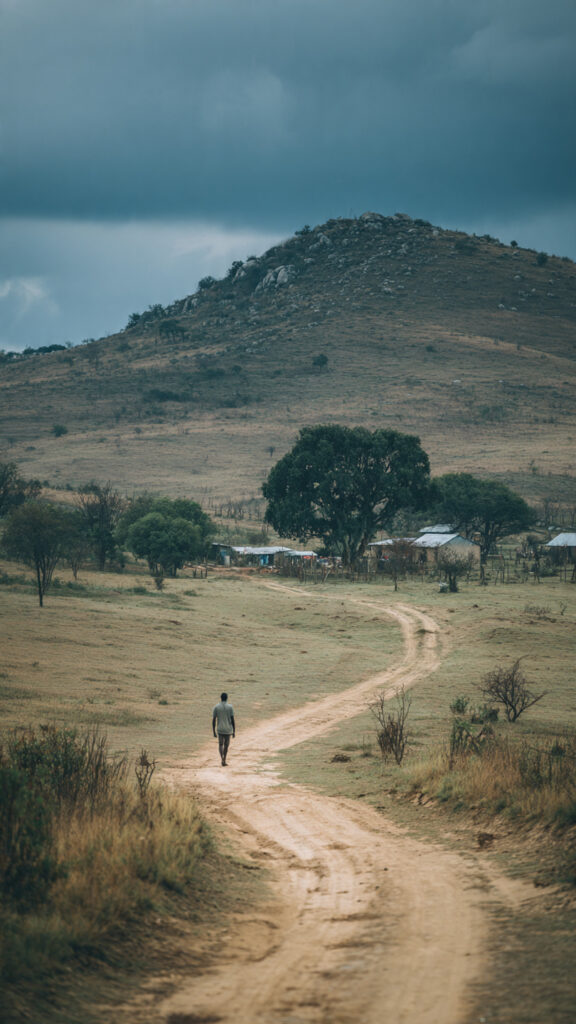
How is climate change reshaping migration patterns from rural to urban areas in South Africa’s Eastern Cape and Limpopo provinces?

Climate Change and Rural-Urban Migration: Health Policy Implications for South Africa’s Eastern Cape and Limpopo When the Land Runs Dry: The Human Face of Migration Thembisile’s Journey Thembisile, a 34-year-old mother of three from rural Limpopo, spent two decades cultivating maize and vegetables on her family’s land. Between 2020 and 2024, successive droughts destroyed her […]

How is climate change reshaping migration patterns from rural to urban areas in South Africa’s Eastern Cape and Limpopo provinces? Read More »

Zimbabwe migration, political instability Zimbabwe, SADC governance reforms, migration health, Southern African migration, Zimbabwean migrants South Africa, migration policy South Africa, cross-border migration, migration health services, undocumented migrants, health system resilience, regional governance Southern Africa, migration push factors, Zimbabwe economic crisis, survival migration, migrant health access, labour mobility SADC, returnee migrants Zimbabwe, migrant-inclusive clinics, urban migration South Africa, maternal health migrants, HIV TB migrants, migration data collection, migration reintegration programs, MIDSA, SAMM Project, migration rights, Zimbabwe brain drain, migration vulnerability, cross-border health coordination

How Can Regional Governance Reforms Address the Political Instability Driving Mass Migration from Zimbabwe to Neighboring Countries?

Governance Reforms to Manage Zimbabwean Migration Flows Opening: Migration, Instability and Health in Southern Africa Migration from Zimbabwe has risen sharply in recent years due to political instability, economic collapse, and failing health services. Afrobarometer (2024) reports that nearly 60% of Zimbabweans considered leaving, with four in ten targeting neighbouring South Africa. (afrobarometer.org) Statistics South

How Can Regional Governance Reforms Address the Political Instability Driving Mass Migration from Zimbabwe to Neighboring Countries? Read More »

Cross-border economic zones, CBEZ, special economic zones, SEZ, Mozambique migration, South Africa migration, labour migration, migrant health, migration health, circular migration, Maputo Corridor, Nkomazi SEZ, cross-border employment, migrant workers, seasonal workers, occupational health, TB among migrants, HIV among migrants, migration policy, regional economic integration, southern Mozambique, Mpumalanga, Limpopo, Gauteng, migrant women, gendered migration, undocumented migrants, health infrastructure, migrant housing, labour protections, remittances, migration pressures, economic development, SADC trade, AfCFTA, border employment zones, health-service integration, migrant community engagement, public health interventions, migration research, bilateral governance, migration reduction strategies, cross-border trade, Mozambican diaspora, migrant continuity of care, migrant vulnerability, occupational disease, agro-processing zones, pilot economic zones, border-region employment

What Cross-Border Economic Zones Could Reduce Migration Pressures Between Mozambique and South Africa?

Reducing Migration via Cross-Border Economic Zones Opening: the migration–economy–health nexus Each year, thousands of Mozambicans travel to South Africa seeking better livelihoods. Recent estimates suggest more than 800,000 Mozambican migrants live in South Africa, concentrated in Gauteng, KwaZulu‑Natal, Mpumalanga, and Limpopo (scielo.org.za). Limited formal employment in southern Mozambique drives this migration, while South Africa’s mining,

What Cross-Border Economic Zones Could Reduce Migration Pressures Between Mozambique and South Africa? Read More »

South Africa immigration policy, migration reform South Africa, regional economic development, migrant labour South Africa, skilled migration, labour migration policy, migration health, migrant access to healthcare, informal settlements South Africa, TB and HIV migrants, cross-border migration, migrant integration, South Africa provincial development, DHA visas, migrant skills transfer, economic growth South Africa, migration governance, migrant rights South Africa, regional investment corridors, migrant worker visas, public health and migration, migration policy gaps, urban health penalty, migrant social inclusion, migrant employment South Africa, immigration administrative delays, migrant health programs, NGO migrant support, inclusive migration policy, South Africa National Development Plan 2030, gender and migration, youth migrants South Africa, documentation status migrants.

How Can South Africa’s Immigration Policies Be Reformed to Support Regional Economic Development While Managing Migration?

How Reforming South Africa’s Immigration Policies Can Support Regional Economic Development While Managing Migration Opening: Setting the Scene In 2023, Statistics South Africa (Stats SA) documented that migrants face a distinct “urban health penalty” in South Africa—settling in major cities yet experiencing poorer access to services and worse social determinants of health than citizens (statssa.gov.za). Consider

How Can South Africa’s Immigration Policies Be Reformed to Support Regional Economic Development While Managing Migration? Read More »

Congolese migration, economic development initiatives, Democratic Republic of the Congo, DRC economy, South Africa migration, regional integration, SADC policies, job creation in DRC, youth employment, women empowerment, migration health, cross-border trade, informal economy, livelihood programmes, digital skills training, entrepreneurship support, agribusiness development, migration governance, returnee reintegration, migrant livelihoods, migration and health policy, poverty reduction, inclusive growth, social protection, sustainable livelihoods, conflict and displacement, human capital development, migration alternatives, economic resilience, migration push factors, South African health system, migrant health access, migration policy reform, regional development fund, migration research, gender-sensitive policy, documentation barriers, informal sector, occupational health, community empowerment, sustainable development, migration management, African migration trends, public health equity, migration solutions, economic transformation, local job opportunities, stay-at-home migration alternatives.

What Economic Development Initiatives Could Keep Congolese Migrants Closer to Home Rather Than Traveling to South Africa?

 Economic Development Initiatives for Congolese Migrants Opening: A Story of Choice and Opportunity In the busy streets of Lubumbashi, Marie (a pseudonym) repairs mobile phones in a small workshop. She once planned to migrate to Johannesburg in South Africa. Instead, she accepted a local youth-skills training in digital repair and micro-enterprise support. Now she earns

What Economic Development Initiatives Could Keep Congolese Migrants Closer to Home Rather Than Traveling to South Africa? Read More »

SADC labour migration, fair migration agreements, Southern Africa migration policy, migrant workers’ rights, labour mobility, sending and receiving countries, regional integration, migration governance, South Africa labour migration, employment equity, cross-border labour movement, migration health, social protection for migrants, migrant welfare, ethical recruitment, remittances, human rights in migration, gender and migration, migrant documentation, informal labour sector, migration policy reform, economic cooperation, regional labour markets, migration management, skills transfer, migration policy gaps, sustainable migration systems, migrant healthcare access, ILO labour standards, SADC Protocol on Employment, migration and development, brain drain, policy harmonization, temporary labour migration, migrant social inclusion, migration data systems, migration and human security, bilateral migration agreements, migration policy implementation, migrant vulnerability, equitable migration frameworks

How Can SADC Create Fair Labour Migration Agreements That Protect Both Sending and Receiving Countries?

Creating Fair Labour Migration Frameworks in Southern Africa The Human Face of Labour Migration Labour mobility within the Southern African Development Community (SADC) is more than statistics — it’s people’s lives. According to Stats SA (2023), South Africa hosts millions of foreign-born individuals, many of whom work in insecure and informal settings. Consider “M.” (anonymised),

How Can SADC Create Fair Labour Migration Agreements That Protect Both Sending and Receiving Countries? Read More »

brain drain, skilled professionals, Zimbabwe, Zambia, South Africa, health workforce migration, healthcare workers, health policy, migration health, human resources for health, regional collaboration, SADC health systems, ethical recruitment, rural health retention, health worker incentives, diaspora engagement, return migration, brain circulation, labour migration policy, Critical Skills Visa, bilateral agreements, healthcare capacity, professional recognition, health system strengthening, public health policy, cross-border mobility, workforce data systems, task shifting, retention schemes, healthcare inequality, gender and migration, intersectional migration, migrant healthcare professionals, health sector reform, African health systems, regional brain drain solutions, sustainable health workforce, South African health policies, healthcare migration trends, policy recommendations, circular migration

What Solutions Could Address the Brain Drain of Skilled Professionals from Zimbabwe and Zambia to South Africa?

Addressing the Brain Drain of Skilled Professionals from Zimbabwe and Zambia to South Africa Policy Solutions for Health Workforce Retention and Regional Collaboration 1. A Human Story Behind the Numbers In 2023, Mbali, a nurse from Lusaka, left her district hospital for a private facility in Johannesburg. She had been the only midwife trained in

What Solutions Could Address the Brain Drain of Skilled Professionals from Zimbabwe and Zambia to South Africa? Read More »

Botswana economic model, Botswana success story, Southern Africa migration, migration pressures, economic development, regional integration, job creation, youth employment, inequality reduction, SADC economies, sustainable growth, human capital investment, governance reforms, diversification strategies, poverty reduction, African migration policy, migration management, regional cooperation, inclusive growth, infrastructure development, entrepreneurship support, public health and migration, gender and migration, education and skills development, South Africa migration trends, cross-border labour mobility, remittances, economic resilience, informal economy, social protection, policy innovation, Botswana Vision 2036, Africa migration solutions, regional economic policy, migration health, migration governance, development partnerships, migrant livelihoods, economic opportunity, SADC policy reform.

How Can Botswana’s Economic Success Model Be Replicated to Reduce Outward Migration Pressures in Southern Africa?

 Botswana’s Economic Success Model A Rising Economy Amid Persistent Migration Flows Migration pressures continue to shape Southern Africa’s social and economic landscape. Between 2020 and 2024, roughly 108,000 South Africans emigrated, averaging 27,000 people a year—about 74 leaving daily (BusinessTech, 2024). In contrast, Botswana’s success story offers valuable lessons. Once one of the world’s poorest

How Can Botswana’s Economic Success Model Be Replicated to Reduce Outward Migration Pressures in Southern Africa? Read More »

remittances, South Africa, Lesotho, economic inequality, poverty reduction, migration, migrant workers, cross-border remittances, household income, informal economy, rural livelihoods, development finance, financial inclusion, gender inequality, youth employment, labour migration, SADC region, regional integration, economic development, social protection, money transfers, diaspora investment, sustainable development, inequality gap, economic resilience, foreign exchange, Basotho migrants, remittance flows, rural development, South African mining sector, financial literacy, inclusive growth, income redistribution, social welfare, household welfare, banking access, policy reform, economic empowerment, digital remittances, mobile money, South African Reserve Bank, Lesotho Central Bank, UNDP, World Bank, migration policy, fiscal policy, regional cooperation, poverty alleviation, social equity, community development, informal remittance channels, economic mobility, structural inequality, South Africa–Lesotho corridor.

What Role Can Remittances from South Africa Play in Reducing Economic Inequality in Lesotho?

Remittances and Inequality: Lessons from Lesotho and South Africa A Lifeline Across the Border Every month, thousands of Basotho workers in South Africa send money home. These remittances are more than just financial transfers—they are survival tools for entire families. According to the World Bank (2024), remittances contributed about 23% of Lesotho’s GDP, one of

What Role Can Remittances from South Africa Play in Reducing Economic Inequality in Lesotho? Read More »

Eswatini migration, political instability Eswatini, cross-border migration, Southern Africa migration, South Africa migrant health, migration health policy, SADC migration, undocumented migrants South Africa, refugee health Eswatini, TB among migrants, HIV among migrants, migrant women health, youth migration Eswatini, asylum seekers South Africa, informal settlements migrants, gender-based violence migrants, cross-border health corridors, Mpumalanga migration, Gauteng migration, Eswatini economic migration, migrant mental health, regional migration interventions, SADC migration health framework, migration policy gaps, migrant access to healthcare, migrants COVID-19 vaccination, humanitarian response Eswatini, migrant protection South Africa, migration governance Southern Africa

How Has Political Instability in Eswatini Influenced Migration Patterns and What Regional Interventions Are Needed?

 Political Instability in Eswatini When Politics Push People Across Borders In May 2021, Eswatini—Africa’s last absolute monarchy—erupted into protests demanding democratic reform. Initially peaceful, these demonstrations quickly turned violent. Consequently, over 80 people were killed, hundreds were injured, and thousands were displaced as security forces cracked down. By late 2023, sporadic unrest, youth unemployment exceeding

How Has Political Instability in Eswatini Influenced Migration Patterns and What Regional Interventions Are Needed? Read More »