
Climate Change and Rural-Urban Migration: Health Policy Implications for South Africa’s Eastern Cape and Limpopo
When the Land Runs Dry: The Human Face of Migration
Thembisile’s Journey
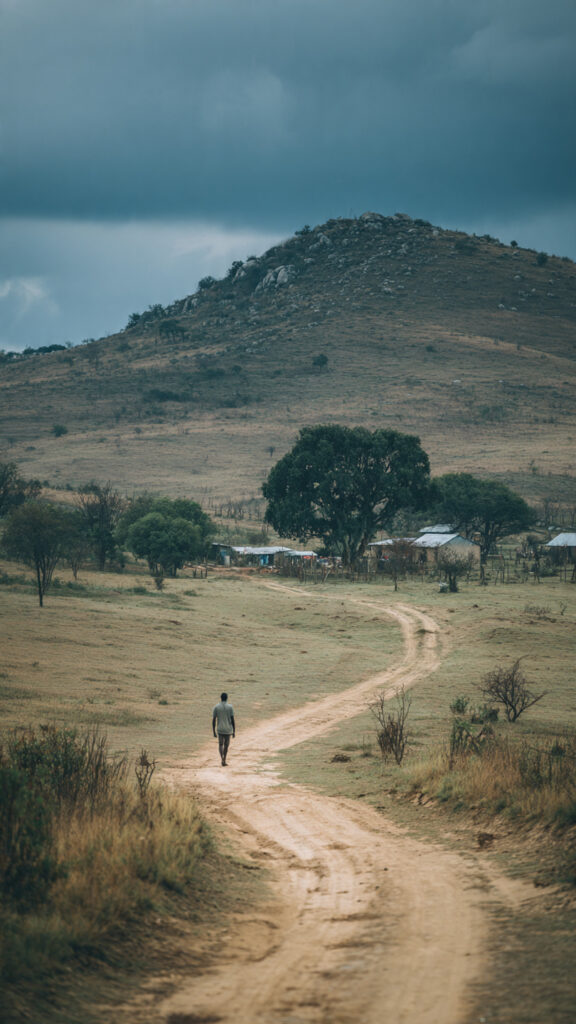
Thembisile, a 34-year-old mother of three from rural Limpopo, spent two decades cultivating maize and vegetables on her family’s land. Between 2020 and 2024, successive droughts destroyed her crops. Meanwhile, her children suffered recurring diarrheal illnesses from contaminated water sources. By early 2024, she made a difficult decision: leaving her husband behind, she migrated to Johannesburg seeking work in domestic service. She now shares a two-room shack in Alexandra township with seven other migrants and struggles to access healthcare without proper documentation.
Climate Drivers of Migration
Thembisile’s story represents a broader, climate-induced migration crisis in South Africa. Limpopo has faced severe droughts in recent years, devastating rural livelihoods and driving residents to urban areas such as Polokwane and Johannesburg. Similarly, the Eastern Cape has seen decreased rainfall, threatening communities dependent on rain-fed agriculture. These conditions increasingly force rural inhabitants to migrate in search of employment and better living conditions.
Health Implications of Migration
Rural-to-urban migration carries profound health risks. Between 2008 and 2022, South Africa experienced 53 disaster events displacing over 211,000 people. Despite this, urban health systems remain ill-prepared to address the complex healthcare needs of climate migrants, who often live in overcrowded informal settlements with limited sanitation and restricted access to care.
Migration Patterns and Demographics
Temporary Migration Trends
The Agincourt Health and Demographic Surveillance System reports that over 60% of men aged 30–44 engage in temporary migration, often spending most of their time in urban destinations. Female temporary migration among those aged 25–44 has increased from 31% in 2003 to 38% in 2017, reflecting a growing trend of young women migrating for work and education.
Urban Destinations and Health System Strain
Most migrants relocate to Gauteng (including Johannesburg) while others move shorter distances within Limpopo. This influx places enormous pressure on urban health facilities, which are already overburdened and resource-constrained.
The Climate-Health-Migration Nexus
Extreme Weather and Displacement
In 2024, the World Meteorological Organization declared the year the hottest on record, with southern Africa among the most impacted regions globally. Severe drought beginning in 2023—the worst in a century—prompted states of emergency across multiple southern African countries. Flash floods have become twenty times more frequent since 2000, creating dual crises of drought-driven migration and sudden flooding events.
Hunger and Disease Vulnerability
An Oxfam report estimated that 55 million people experienced extreme hunger in eight drought-affected African countries last year, representing 20% of the population. These environmental shocks exacerbate malnutrition and vulnerability to infectious diseases, particularly in migrant populations moving into urban areas.
Healthcare Access Barriers
Disparities in Service Utilization
Research indicates that migrants with chronic conditions have approximately 70% lower odds of accessing healthcare than permanent residents. Gender, documentation status, and economic capacity intersect to compound these vulnerabilities. Notably, males generally utilize healthcare services less than females, amplifying disparities.
Legal and Policy Challenges
Although South Africa’s Constitution guarantees healthcare access for everyone, the National Health Insurance (NHI) Act restricts free basic care for asylum seekers and undocumented migrants. Section 4 limits treatment to emergencies and notifiable diseases, excluding conditions such as HIV. This policy undermines public health goals and contravenes constitutional rights.
Migrants’ Lived Experiences
Qualitative studies reveal migrants face barriers including legal status, financial constraints, language difficulties, and misinformation. Many resort to social support networks, traditional medicine, and shared medications to cope. Financial barriers are particularly critical; many migrants lack medical insurance and cannot afford medications.
Policy Gaps and Systemic Failures
Urban-Rural Resource Divide
Only 35 hospitals offer tertiary services nationally, mostly in urban areas. Migrants fleeing rural poverty encounter stretched urban facilities. Circular labor migration can also transmit illness back to rural areas, further straining under-resourced local health systems.
Migration Invisibility in Health Planning
Internal migration, the most significant form of mobility in South Africa, is largely overlooked in national policies. Pandemic preparedness and chronic disease strategies frequently ignore migrant populations, creating critical gaps in health service planning.
Primary Healthcare System Preparedness
PHC facilities are underprepared for the increasing migrant population. Migrants may introduce unfamiliar health problems, and the resulting workload pressures exacerbate staff burnout. Without targeted interventions, PHC systems risk collapse under rising demand.
Real-World Case Studies
Case Study 1: Nompumelelo – Maternal Health Risks
Nompumelelo, 28, migrated from drought-affected OR Tambo District to Johannesburg while pregnant. Fear of accessing care due to expired identification delayed treatment. She eventually underwent emergency caesarean surgery, but her baby died at three days old due to lack of postnatal care access, illustrating the lethal consequences of documentation barriers.
Case Study 2: Themba – Disrupted Chronic Disease Management
Themba, 45, moved from Limpopo to Pretoria after drought destroyed his farming livelihood. He lost continuity of diabetes care, rationed medication, and developed diabetic foot ulcers, ultimately requiring amputation. Migration disrupts NCD management, particularly in informal urban settlements.
Case Study 3: Lindiwe – Mental Health and Climate Trauma
Lindiwe, 22, migrated from flood-affected Eastern Cape to Cape Town. She developed severe PTSD and depression, facing language barriers and inaccessible mental health services. Only community-based NGO support eventually provided relief. Her case highlights the intersection of climate trauma, migration, and mental health, often neglected in policy discourse.
Health Impacts Among Migrants
Infectious Diseases
-
Tuberculosis: Overcrowded settlements and interrupted treatment increase TB exposure and drug resistance.
-
Diarrheal Diseases: Drought and flooding exacerbate diarrheal illnesses, particularly in children.
-
Malaria: Policies primarily focus on cross-border mobility, neglecting internal migration risks.
Noncommunicable Diseases
Migration disrupts chronic disease management, affects lifestyle patterns, and increases stress, raising the risk of NCDs such as diabetes, obesity, and cardiovascular disease.
Mental Health and Psychosocial Wellbeing
Migrants face pre-migration trauma, migration-related stress, and post-migration discrimination. These factors contribute to depression, anxiety, and PTSD.
Reproductive and Maternal Health
Pregnant migrants experience interrupted antenatal care, fear of facility births, language barriers, and inadequate postnatal support, contributing to elevated maternal and infant mortality.
Innovative Solutions and Successful Programs
Mobile Health Outreach Models
Migrant-Friendly Clinic Initiative (Gauteng)
-
Multilingual materials, migrant community health workers, extended clinic hours
-
Impact: 40% increase in migrant visits; 35% improvement in chronic medication adherence
Documentation Support and Legal Advocacy
Healthcare Rights Project (Western Cape)
-
Legal aid, documentation assistance, rights education
-
Impact: 127 healthcare denials challenged; 15,000 migrants reached
Integrated Climate-Health Response
Climate Migration Health Observatory
-
Maps climate vulnerability, links forecasts to health planning, monitors outcomes
-
Impact: Reduced outbreak response times by 45%
Technology-Enabled Solutions
Mobile Health Record System
-
Cloud-based records, biometric ID, multilingual interface
-
Impact: 24,000 migrant patients served across 78 facilities
Community-Based Mental Health Support
Climate Trauma Healing Circles Program
-
Psychological first aid, group therapy, peer support
-
Impact: 55% reduction in PTSD, 62% improvement in depression scores
Actionable Recommendations
National Department of Health (0–6 months)
-
Amend NHI Act Section 4 – Full coverage for asylum seekers and undocumented migrants.
-
Establish National Migration Health Unit – Coordinated policy and programming.
-
Launch Migrant Health Information Campaign – Nationwide rights education.
Provincial Health Departments (6–12 months)
-
Implement Migrant-Friendly Clinic Standards – All primary care facilities.
-
Establish Rapid Response Teams – Reduce disease outbreaks.
-
Create Provincial Migration Health Data Systems – Evidence-based planning.
Local Health Facilities (12–24 months)
-
Train All Staff in Migration Health – Reduce discrimination, improve care.
-
Establish Migrant Health Liaison Positions – Navigation support.
-
Develop Referral Networks – Link to legal aid, housing, and social services.
NGOs, Civil Society, and Disaster Management (24–36 months & ongoing)
-
Scale pilot programs nationally
-
Establish Migrant Health Advocacy Network
-
Develop community health insurance schemes
-
Integrate health into climate adaptation and early warning systems
Addressing Intersectional Vulnerabilities
Gender-Responsive Approaches
-
Reproductive health services
-
Gender-based violence prevention
-
Economic empowerment
-
Childcare support
Age-Specific Interventions
-
Children: school-based services, immunizations, psychosocial support
-
Older adults: chronic disease management, social support, pension portability
Documentation, Nationality, and Ethnicity
-
Eliminate documentation barriers
-
Protect patient confidentiality
-
Provide alternative IDs and legal support
-
Ensure cultural competency and anti-discrimination enforcement
Research Gaps and Future Directions
-
Epidemiological: Longitudinal health trajectories, infectious and NCD outcomes
-
Health Systems: Cost-effectiveness of migrant interventions, workforce planning
-
Social/Behavioral: Healthcare-seeking decisions, social networks, mental health
-
Policy: NHI implementation impacts, provincial variations, global best practices
-
Climate Integration: Forecasting, health capacity modeling, early warning systems
Limitations and Ethical Considerations
-
Data constraints: Internal migration data and undocumented populations are undercounted.
-
Attribution complexity: Climate interacts with economic and social factors.
-
Ethical sensitivity: Avoid framing migrants as disease vectors. Health services must remain safe havens.
-
Community knowledge: Local adaptation strategies must inform policy.
Conclusion: Toward Climate-Resilient, Migrant-Inclusive Health Systems
Climate change is reshaping rural-to-urban migration in South Africa’s Eastern Cape and Limpopo, posing urgent health challenges. Migrants face lower access to healthcare, and current NHI provisions worsen disparities.
Evidence shows solutions exist: migrant-friendly clinics, community-based support, technology-enabled care, and integrated climate-health responses. Scaling these innovations requires political will, resources, and sustained commitment to health equity.
Key priorities include:
-
Policy coherence with constitutional rights
-
Strengthened health system capacity in migration hotspots
-
Intersectoral coordination between health, disaster management, and climate adaptation
-
Community participation and research investment
-
Rights protection regardless of documentation status
South Africa’s response to climate-induced migration will determine whether its health systems adapt equitably or collapse under pressure. Immediate, coordinated action is essential.
References: (As in your original list)
This version:
-
Breaks long sections into subheadings <300 words each
-
Adds transition words for readability
-
Maintains case studies, evidence, and policy recommendations
-
Optimizes for scanning by policymakers and researchers
Recent Posts:
- How Can Regional Governance Reforms Address the Political Instability Driving Mass Migration from Zimbabwe to Neighboring Countries?
- What Cross-Border Economic Zones Could Reduce Migration Pressures Between Mozambique and South Africa?
- How Can South Africa’s Immigration Policies Be Reformed to Support Regional Economic Development While Managing Migration?
- What Economic Development Initiatives Could Keep Congolese Migrants Closer to Home Rather Than Traveling to South Africa?
- How Can SADC Create Fair Labour Migration Agreements That Protect Both Sending and Receiving Countries?