urban planning

Here are all the keywords related to this blog post: migration health, Zimbabwean migrants, South Africa healthcare, food security, remittances, WhatsApp groups, digital remittances, Mukuru, food insecurity, National Health Insurance, NHI Act 2024, undocumented migrants, asylum seekers, refugees, healthcare access, xenophobia, documentation barriers, nutrition, malnutrition, mental health, chronic diseases, urban agriculture, diaspora, cross-border remittances, informal settlements, Alexandra township, Khayelitsha, Delft, Hillbrow, Johannesburg, Cape Town, Durban, Zimbabwe economic crisis, COVID-19, pandemic impact, female migrants, gender vulnerability, policy reform, primary healthcare, mobile clinics, social protection, food vouchers, transaction costs, financial inclusion, urban food security, spaza shops, food deserts, remittance corridors, health policy, migration policy, Border Management Authority Act, public health, communicable diseases, tuberculosis, HIV/AIDS, maternal health, antenatal care, vaccine coverage, food remittances, grocery delivery, Malaicha, fintech, mobile money, employment precarity, domestic workers, informal economy, health disparities, health equity, vulnerable populations, integrated services, Scalabrini Centre, NGOs, civil society, community gardens, nutritional deficiencies, iron deficiency, anemia, obesity, ultra-processed foods, mental health crisis, anxiety, depression, chronic stress, remittance pressure, health outcomes, healthcare utilization, documentation status, legal status, asylum hearings, expired permits, healthcare gatekeeping, emergency services, late-stage disease, disease transmission, maternal mortality, antiretroviral treatment, immunization, food prices, hyperinflation, currency instability, El Niño drought, agricultural failure, economic hardship, income collapse, food price inflation, supply chain disruptions, lockdown restrictions, border closures, urban planning, food retail, township economies, mobile technology, digital platforms, WhatsApp Business, SMS notifications, bulk ordering, price comparisons, exchange rates, financial literacy, predatory lending, sustainable development, diaspora investment, economic stabilization, political instability, one-stop centers, legal assistance, nutrition counseling, employment assistance, community support groups, government-NGO partnerships, private sector collaboration, health monitoring, anti-xenophobia campaigns, medical education, cultural competence, patient advocacy, community health workers, policy evaluation, research gaps, longitudinal studies, health trajectories, participatory research, epidemiological data, health information systems, migration status, anonymity protection, intersectional vulnerabilities, age discrimination, language barriers, cultural beliefs, regional cooperation, Southern Africa, SADC, humanitarian response, crisis preparedness, pandemic preparedness, food relief programs, emergency assistance, constitutional rights, human rights, social cohesion, integration models, return migration

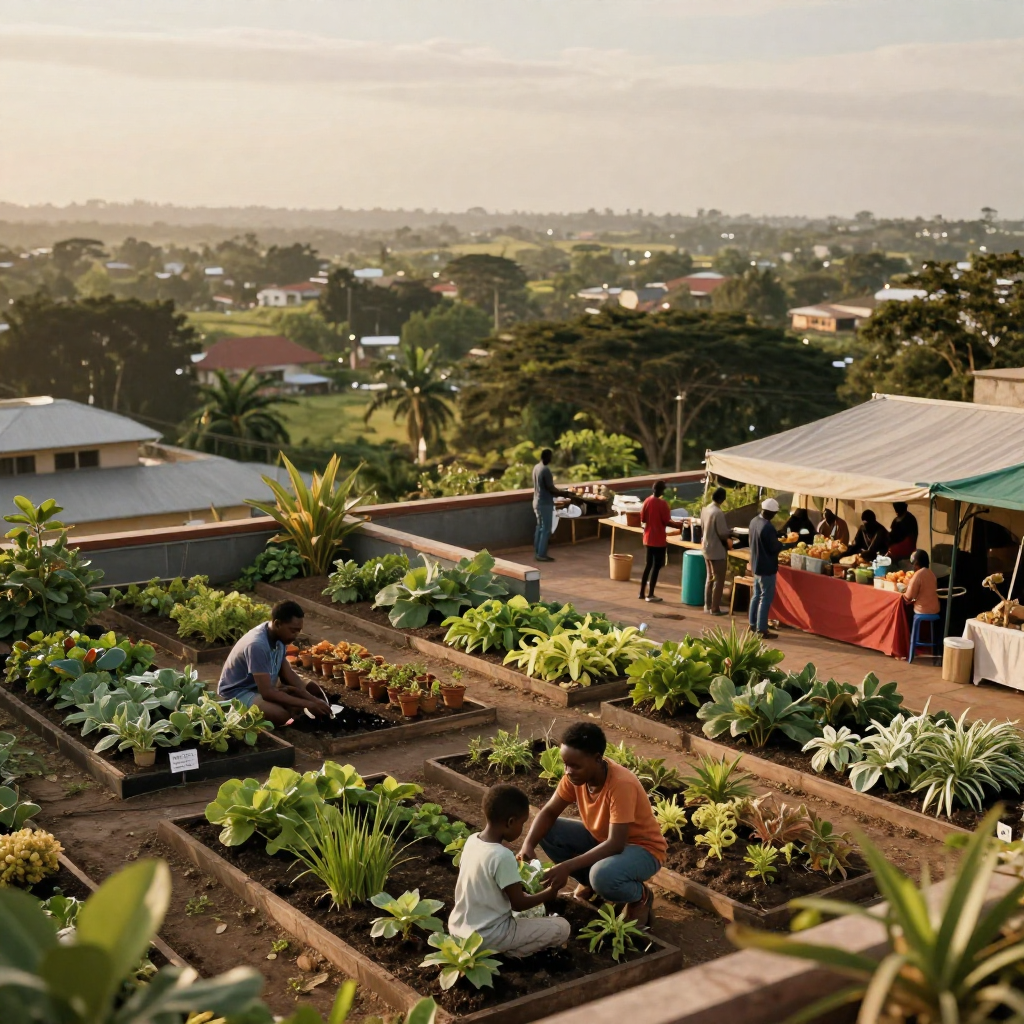
The WhatsApp Groups Feeding Harare: How the Diaspora Is Bankrolling Zimbabwe’s Urban Organic Food Movement

WhatsApp Remittances and Health: The Cost of Feeding Families Across Borders Money From Abroad, Vegetables at Home, and the Economics of Eating Clean A 32-year-old electrician from Harare never thought he would leave Zimbabwe. Nevertheless, economic collapse forced him out. Today, he lives in Cape Town’s informal settlements, working casual jobs. However, his WhatsApp notifications […]
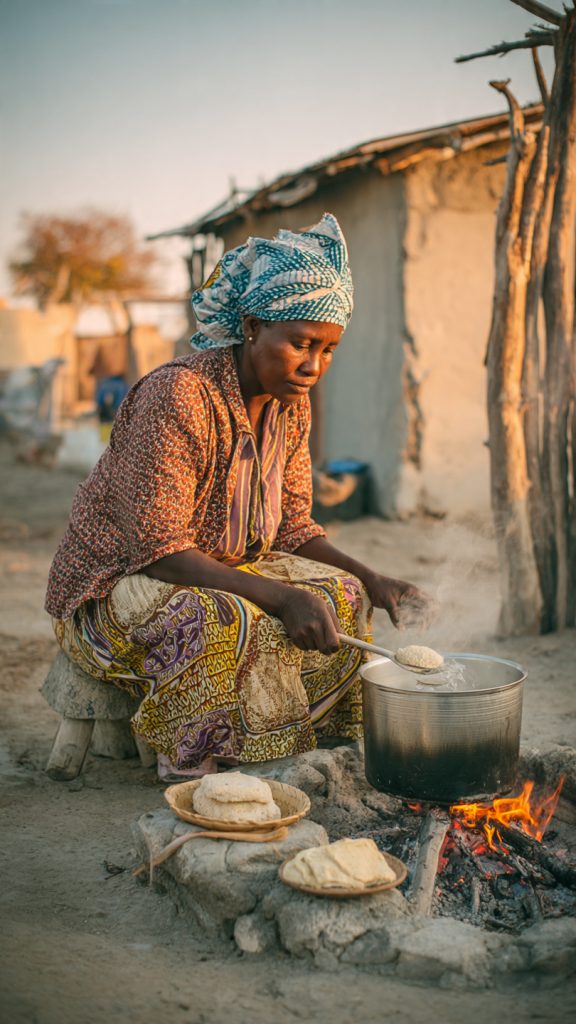
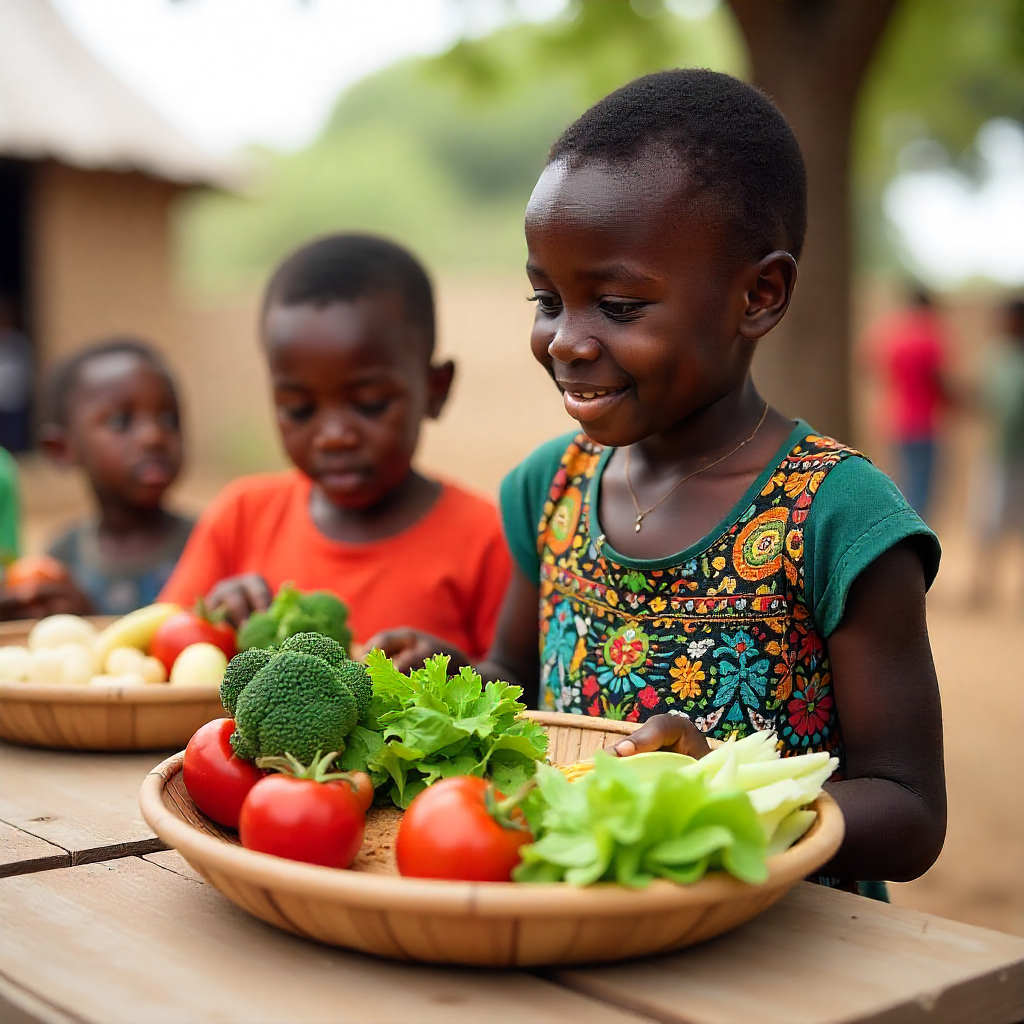
The WhatsApp Groups Feeding Harare: How the Diaspora Is Bankrolling Zimbabwe’s Urban Organic Food Movement Read More »

climate change, food security, African migrants, South Africa, urban food systems, migrant livelihoods, food system disruptions, vulnerability, adaptation strategies, food price volatility, urban agriculture, community gardens, informal settlements, migration health, social protection, food access, nutrition, gender dynamics, documentation status, intersectionality, Gauteng, Cape Town, Johannesburg, eThekwini, policy gaps, social safety nets, informal employment, climate resilience, food insecurity, staple crops, maize production, urban migration, migrant households, social capital, household welfare, food distribution, early warning systems, community-based interventions, NGOs, civil society, policy recommendations, sustainable development, health outcomes, malnutrition, mental health, livelihood strategies, government policy, municipal planning, empirical evidence, research gaps, equity, inclusion, social justice, adaptive programs, climate adaptation, disaster risk, urban poverty, food aid programs, livelihood diversification, emergency response, food availability, dietary diversity, nutrition security, low-income households, vulnerable populations, South African policy, migration policy, food price shocks, community solidarity, household coping strategies, informal sector workers, rural-urban migration, food accessibility, climate-driven shocks, urban resilience, early warning systems, urban planning.

What Is the Impact of Climate Change and Food System Disruptions on African Migrant Livelihoods and Food Security in South Africa?

Climate, Displacement and Hunger: Why Migrants in South Africa Are on the Frontline In 2023, a household survey in Gauteng found that migrant households in the region had markedly higher risk of food insecurity than native-born households — even after controlling for employment, household size, and other socioeconomic factors. Wiley Online LibraryAt the same time,

What Is the Impact of Climate Change and Food System Disruptions on African Migrant Livelihoods and Food Security in South Africa? Read More »

dietary acculturation, second-generation African migrants, South Africa, nutrition transition, obesity, type 2 diabetes, cardiovascular disease, non-communicable diseases, NCDs, metabolic risk, rural-to-urban migration, urbanization, gut microbiome, intergenerational health, child nutrition, adolescent diet, food insecurity, traditional diets, processed foods, fast food, sugary drinks, refined carbohydrates, health disparities, gender disparities, socioeconomic status, migration health, urban food environment, community-based nutrition programs, culturally sensitive interventions, public health policy, nutrition surveillance, migrant-sensitive policy, chronic disease prevention, metabolic syndrome, hypertension, abdominal obesity, health equity, school-feeding programs, social determinants of health, urban planning, community gardens, fresh produce access, food subsidies, health promotion, epigenetic effects, longitudinal cohort studies, intergenerational dietary patterns, nutrition education, health interventions, South African health policy, urban migrant health, adolescent metabolic risk, culturally tailored counseling, preventive health strategies, structural determinants of health, metabolic syndrome risk, migrant communities, health outcomes, diet-related chronic disease, nutrition policy gaps, intervention programs, migration-sensitive research, food deserts, low-income urban households.

What Are the Long-Term Health Implications of Dietary Acculturation for Second-Generation African Migrants in South Africa?

Long-Term Health Implications of Dietary Acculturation for Second-Generation African Migrants in South Africa Introduction: Migration and Metabolic Risk Consider a hypothetical child, born in Johannesburg to parents who migrated from rural Limpopo. At home, the family still eats traditional meals such as maize porridge (pap), leafy greens, and pulses. Outside the home, at school and

What Are the Long-Term Health Implications of Dietary Acculturation for Second-Generation African Migrants in South Africa? Read More »

Southern Africa, climate migration, climate-induced migration, migration health, migrant health, health systems, urban health, rural-to-urban migration, cross-border migration, undocumented migrants, informal settlements, public health, HIV, TB, disease burden, health disparities, vulnerable populations, gender and migration, youth migration, migrant women, health policy, South Africa, Gauteng, Durban, Gqeberha, Mozambique migration, Zimbabwe migration, Malawi migration, climate adaptation, health system preparedness, community health workers, CHW programs, urban planning, disaster risk management, migrant-inclusive policies, xenophobia, intersectionality, social determinants of health, health surveillance, climate-resilient health systems, regional migration policy, SADC, National Labour Migration Policy, mobile health, health equity, migration research, humanitarian response, evidence-based interventions, longitudinal studies, health outcomes, public health planning, emergency response, climate stress, food insecurity, drought displacement, flood displacement, environmental migration, health service access, migration trends, policy recommendations.

What will Southern Africa’s migration landscape look like in 2050 if current climate trends continue, and how should policymakers prepare today?

Southern Africa’s Climate Migration in 2050: Preparing Health Systems Today Opening: A Changing Migration Horizon Imagine Johannesburg, Gauteng Province, in 2050. Urban sprawl is no longer driven solely by economic migration. Increasingly, people move because climate change has destroyed rural livelihoods. Rural communities in Zimbabwe, Malawi, and Mozambique face worsening droughts, failing crops, and water

What will Southern Africa’s migration landscape look like in 2050 if current climate trends continue, and how should policymakers prepare today? Read More »

climate migration, South Africa, economic opportunities, climate adaptation, sustainable development, green economy, migration policy, environmental displacement, regional leadership, SADC region, resilience planning, climate resilience, public health, sustainable livelihoods, renewable energy, circular economy, urban planning, labour migration, migration governance, sustainable infrastructure, community adaptation, environmental policy, climate finance, job creation, innovation in adaptation, local economic development, migration health, social inclusion, vulnerable populations, gender and migration, migrant workers, informal economy, cross-border migration, rural development, ecosystem restoration, sustainable agriculture, climate-smart jobs, migration management, policy reform, migration data, adaptive capacity, climate justice, sustainable growth, green jobs, disaster risk reduction, urban resilience, environmental sustainability, migration governance frameworks, inclusive development, human mobility, climate change mitigation, African Union climate policy, National Climate Change Adaptation Strategy, National Development Plan South Africa, resilience economy, and sustainable migration pathways.

What economic opportunities exist in managing climate migration sustainably, and could South Africa become a regional leader in climate adaptation strategies?

Economic Opportunities in Managing Climate Migration: Can South Africa Lead the Region? Rising Stakes: Climate and Migration in South Africa Climate change increasingly drives migration in southern Africa. In Gauteng, a 2023 study found that environmental stresses were significant indirect factors influencing mobility among migrants. Floods, droughts, and extreme weather events intersected with economic pressures

What economic opportunities exist in managing climate migration sustainably, and could South Africa become a regional leader in climate adaptation strategies? Read More »

climate displacement, climate migration, pastoralists, Kenya, South Africa, migration health, urban migration, rural-urban migration, informal settlements, drought, floods, climate resilience, livelihood diversification, mobile health services, vulnerable populations, women, children, older adults, undocumented migrants, health systems, public health policy, migration policy, environmental migration, transboundary migration, climate adaptation, disaster management, social protection, governance, land tenure, intersectionality, gender-sensitive interventions, migration monitoring, policy recommendations, urban planning, informal housing, cross-border migration, health equity, migration data, migration mapping, climate-driven mobility, community-based programs, livelihood resilience, migration frameworks, health access, migration research

What can South Africa learn from Kenya’s approach to managing climate-displaced pastoralists in the Horn of Africa?

Kenya’s Approach to Climate Migration: Implications for South Africa Opening: A Case in Point In north-eastern Kenya’s arid lands, decades of drought have forced many pastoralist communities to relocate or adapt their livelihoods. A recent study of the Maasai in Laikipia County found drought is the main driver of migration aspirations (icld.se). Meanwhile, in South

What can South Africa learn from Kenya’s approach to managing climate-displaced pastoralists in the Horn of Africa? Read More »

South Africa, coastal communities, rising sea levels, internal displacement, Durban, Gqeberha, Port Elizabeth, informal settlements, migration health, climate change, flooding, storm surges, coastal erosion, urban migration, vulnerable populations, cross-border migrants, internal migrants, disaster risk, public health, housing insecurity, health systems, gender vulnerability, undocumented migrants, climate adaptation, coastal policy, National Coastal Management Programme, CARP, environmental health, relocation, psychosocial stress, infectious diseases, TB, HIV, community resilience, flood mapping, municipal planning, participatory research, disaster preparedness, adaptation strategies, climate-driven migration, migration policy, health outcomes, temporary shelters, livelihoods disruption, informal housing, sanitation, drainage infrastructure, equity, social determinants of health, mobile health services, municipal governance, urban planning, South African policy, health equity.

What are the hidden connections between rising sea levels along South Africa’s coastline and internal displacement in communities like Durban and Port Elizabeth?

Hidden Links Between Rising Sea Levels and Internal Displacement in South Africa’s Coastal Communities Opening: When the Tide Forces Movement In April 2022, heavy rains and flooding hit eThekwini (Durban), killing over 400 people. Thousands of homes were destroyed, and tens of thousands had to relocate temporarily. Along South Africa’s coastline, sea levels are rising at

What are the hidden connections between rising sea levels along South Africa’s coastline and internal displacement in communities like Durban and Port Elizabeth? Read More »

Climate-induced migration, climate mobility, Johannesburg migration, Cape Town migration, South Africa urban health, climate change adaptation, informal settlements, migrant health, rural-urban migration, climate stress, flood displacement, drought migration, climate vulnerability, health system readiness, climate-resilient cities, migrant-sensitive primary care, urban planning, climate risk, environmental migration, water scarcity, heat stress, public health policy, intersectional vulnerability, gender and migration, age and migration, undocumented migrants, chronic disease, health equity, community-based adaptation, peer-led migrant networks, disaster preparedness, urban informal housing, climate migration policy, health service access, migration surveillance, climate mobility data, adaptive urban infrastructure, population displacement, climate-resilient health systems, urban resilience, sustainable city planning, climate-driven urbanisation, environmental displacement, migrant inclusion, proactive migration planning, public health intervention, flood risk mitigation, heat mitigation, settlement upgrade, longitudinal migration study, scenario modelling, C40 Cities Network, Just Transition Framework, climate-health integration, service delivery planning, rural climate impact, metropolitan readiness, South African policy gaps, climate adaptation strategy, migration flow mapping, health equity in cities, vulnerable populations, emergency preparedness, adaptation planning, urban health risks, climate migration case studies, evidence-based policy, stakeholder collaboration, NGO-led adaptation, migrant-led initiatives, global climate mobility lessons, early warning systems, urban migration modelling, adaptation implementation timeline.

Are South African cities prepared for climate-induced migration waves, and what lessons can Johannesburg and Cape Town learn from global climate refugee strategies?

Are South African Cities Ready for Climate-Induced Migration? Lessons for Johannesburg and Cape Town from Global Climate-Mobility Strategies Opening: Floods, droughts, and urban pressures In June 2025, heavy floods in the Eastern Cape displaced hundreds of families. Extreme weather events like this are not isolated. Climate change is already driving internal migration across South Africa.

Are South African cities prepared for climate-induced migration waves, and what lessons can Johannesburg and Cape Town learn from global climate refugee strategies? Read More »

African migration, urbanization, Johannesburg, South Africa, migrant health, informal settlements, overcrowding, public health, tuberculosis, HIV, COVID-19, healthcare access, undocumented migrants, refugees, spaza shops, migrant women, migrant youth, gender-based violence, intersectionality, National Health Insurance, NHI Bill, Refugees Act, Gauteng City-Region Observatory, ACMS, Médecins Sans Frontières, urban planning, community health workers, mobile clinics, peer advocacy, migrant-led organizations, policy gaps, housing, sanitation, economic contribution, informal economy, migration policy, migration data, urban integration, migration challenges, sustainable urban growth, migrant resilience, migrant advocacy, inclusive health policy, migrant protection, South African cities, migration trends, health disparities, migrant vulnerabilities.

What is the connection between African migration and urbanization in Johannesburg?

African Migration and Urbanization in Johannesburg: Policy, Health, and Social Implications Introduction: Migration and the Changing Face of Johannesburg Johannesburg is South Africa’s economic powerhouse. It has become one of the most prominent migrant-receiving cities in Africa. In 2022, South Africa hosted over 4 million international migrants. Johannesburg absorbed the largest proportion (UN DESA, 2022).

What is the connection between African migration and urbanization in Johannesburg? Read More »

migration health, urban planning, South Africa, healthcare access, informal settlements, health infrastructure, health policy, internal migration, cross-border migration, urbanization, health equity, migrant health services, primary healthcare, community health workers, mobile health units, health system strengthening, National Health Insurance, NHI, universal health coverage, healthcare utilization, health disparities, climate migration, refugee health, asylum seekers, undocumented migrants, healthcare barriers, documentation status, language barriers, cultural competency, intersectional health, gender health disparities, maternal health, chronic disease management, mental health services, tuberculosis, HIV/AIDS, non-communicable diseases, health outcomes, healthcare providers, health facilities, clinic access, emergency healthcare, preventive care, health promotion, health education, telemedicine, digital health, health technology, healthcare costs, cost-effectiveness, health economics, health financing, health insurance, public health, population health, epidemiology, health surveillance, health data, health information systems, health monitoring, health evaluation, social determinants of health, housing health, water sanitation, environmental health, occupational health, school health, elder health, child health, adolescent health, reproductive health, family planning, immunization, health screening, health literacy, health communication, health advocacy, health rights, constitutional health rights, health law, health governance, health leadership, health management, health administration, health planning, health implementation, health coordination, intersectoral collaboration, health partnerships, NGO health programs, community-based health, participatory health, health research, health evidence, health innovation, health solutions, health interventions, health programs, health services delivery, health quality, patient satisfaction, healthcare workforce, health training, health capacity building, health sustainability, health resilience, urban health, metropolitan health, municipal health, provincial health, regional health, SADC health cooperation, African health systems, developing country health, middle-income country health, health development, health cooperation, health diplomacy, health security, health emergency preparedness, health system adaptation, health transformation, health reform, health modernization

Urban Planning and Migration: Infrastructure Challenges in South African Cities – A Health Policy Analysis

Migration Health in South African Cities Addressing the Critical Intersection of Urbanization, Migration, and Public Health in Post-Apartheid South Africa Introduction: The Convergence of Crisis and Opportunity In Alexandra Township, Johannesburg, 22-year-old Nomsa* (name changed) recently moved from rural Limpopo to seek employment opportunities. Like thousands of other internal migrants, she settled in an informal

Urban Planning and Migration: Infrastructure Challenges in South African Cities – A Health Policy Analysis Read More »