South African cities

migrants South Africa, chronic disease, medication access, affordable medication, HIV, TB, diabetes, hypertension, undocumented migrants, asylum seekers, refugees, healthcare barriers, medical xenophobia, public health, health policy, National Health Act, NHI Act, South African health system, treatment interruption, self-medication, disease progression, MDR-TB, opportunistic infections, healthcare exclusion, migrant health, health inequalities, social determinants of health, health system costs, community health, NGO healthcare programs, MSF Tshwane Migrant Project, health rights, constitutional health rights, patient adherence, healthcare advocacy, health equity, migrant-friendly clinics, healthcare access, chronic disease management, health policy gaps, South African cities, Gauteng migrants, KwaZulu-Natal migrants, Tshwane migrants, public clinics, health information systems, continuity of care, health surveillance, public health risks, peer-support networks, emergency care, tertiary care, healthcare discrimination, inclusive healthcare, legal protection for migrants, healthcare interventions, evidence-based solutions, social networks, treatment adherence, vulnerable populations, intersectional health, healthcare research gaps

What Happens When Migrants with Chronic Diseases Can’t Access Affordable Medication in South Africa?

When Chronic Illness Meets Barriers: Migrants Struggling to Access Medication in South Africa A human story, and why it matters In early 2025, a 34‑year-old Zimbabwean woman — we’ll call her “Amina” — living in Johannesburg was diagnosed with hypertension. After losing her job, she could no longer afford private care. At her local public […]
What Happens When Migrants with Chronic Diseases Can’t Access Affordable Medication in South Africa? Read More »

informal food markets, migrant communities, South African cities, food security, urban livelihoods, street vendors, informal trading, migrant nutrition, refugee food access, Johannesburg informal markets, Cape Town migrant food, Durban food markets, food affordability, culturally relevant foods, municipal by-laws, gender and migration, undocumented migrants, youth migrants, older migrants, public health, food safety, WASH infrastructure, food supply chains, social cohesion, community-led solutions, policy gaps, National Development Plan, Integrated Food Security Strategy, Home Affairs, informal trader support, migrant inclusion, urban food systems, intersectional vulnerabilities, ethnic food markets, livelihood support, urban poverty, food inflation, nutrition access, informal economy, migrant women traders, market infrastructure, hygiene training, credit systems, informal sector regulation, sustainable urban food, peer-to-peer support, NGO interventions, evidence-based policy

The Role of Informal Food Markets in Sustaining Migrant Communities Across South African Cities

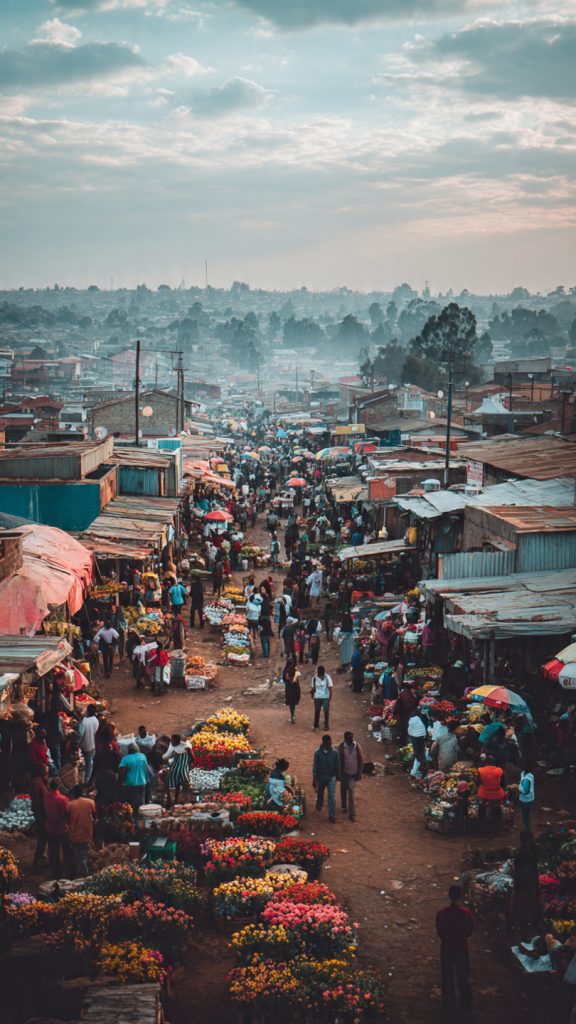
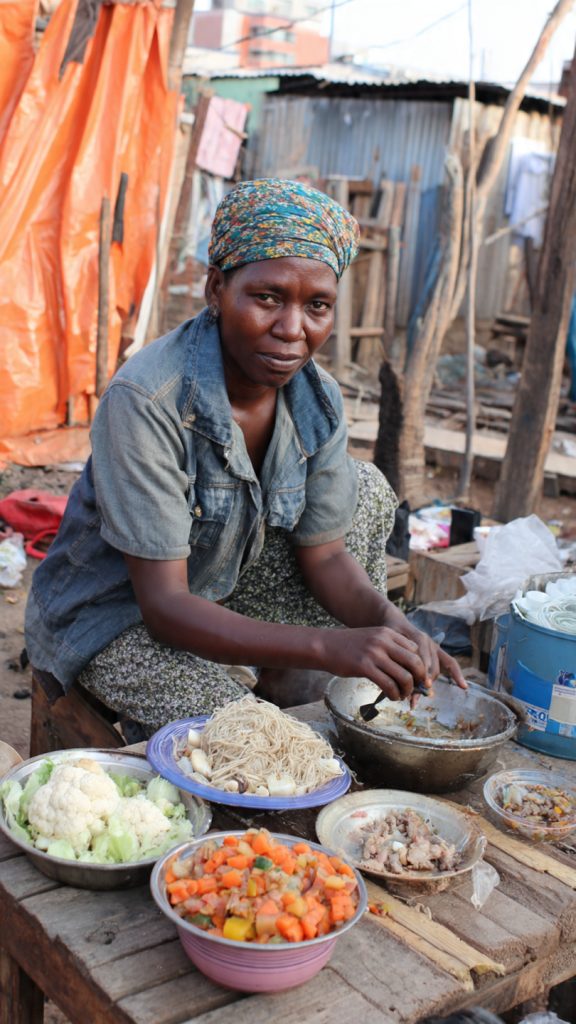
Informal Food Markets and Migrant Survival in South African Cities Introduction: A Daily Struggle Hidden in Plain Sight At 5 a.m. on a cold winter morning in Johannesburg’s inner city, Amina*, a 29-year-old Somali mother, arranges vegetables at her small pavement stall. She arrived in South Africa six years ago, hoping for stability. Yet rising

The Role of Informal Food Markets in Sustaining Migrant Communities Across South African Cities Read More »

Zimbabwean migrants, Johannesburg, urban food systems, traditional diets, dietary transition, food insecurity, migrant health, nutrition, non-communicable diseases, NCDs, obesity, diabetes, hypertension, micronutrient deficiencies, women migrants, children, undocumented migrants, low-income households, spaza shops, street food, community kitchens, urban agriculture, migrant inclusion, food policy, National Food and Nutrition Security Plan, Integrated Nutrition Programme, Social Assistance Act, food access, culturally appropriate foods, food affordability, health disparities, nutrition education, public health, migrant-sensitive interventions, South African cities, Hillbrow, Berea, Yeoville, Rosettenville, nutrition surveillance, food marketing, urban health, gender disparities, age disparities, income vulnerability, diet-related health outcomes, policy gaps, evidence-based solutions.

Nutritional Transitions Among Zimbabwean Migrants in Johannesburg: From Traditional Diets to Urban Food Systems

Zimbabwean Migrants in Johannesburg: From Traditional Diets to Urban Foods Nutritional Transitions Among  Introduction: A Changing Food Landscape In Johannesburg’s dense urban neighbourhoods—Hillbrow, Berea, Rosettenville, Yeoville—Zimbabwean migrants face rapid shifts in their diets. A 2023 Johannesburg Migrant Food Security Study found that 62% of Zimbabwean migrants reported significant dietary changes within their first year in

Nutritional Transitions Among Zimbabwean Migrants in Johannesburg: From Traditional Diets to Urban Food Systems Read More »

colonial labour recruitment, South Africa migration, historical migration routes, Witwatersrand Native Labour Association, SANLC, migrant health, tuberculosis, infectious diseases, migrant workers, hostel systems, Lesotho migrants, Mozambican migrants, urban migration, informal settlements, healthcare access, social integration, migrant documentation, cultural competency, public health policy, migration policy, labour corridors, apartheid legacy, mining labour, rural-urban migration, migration health research, vulnerable populations, mental health of migrants, South African cities, evidence-based policy, migration health challenges, policy reform, inclusive healthcare, community programs

How Did Colonial Labour Recruitment Systems Establish Historical Migration Routes to South Africa?

Colonial Labour Recruitment and Its Enduring Impact on South African Migration and Health Introduction: Colonial Foundations of Migration Routes Colonial-era labour recruitment systems laid the groundwork for enduring migration patterns to South Africa. Institutions like the Witwatersrand Native Labour Association (WNLA) orchestrated the movement of workers from regions such as Lesotho, Mozambique, and Botswana to

How Did Colonial Labour Recruitment Systems Establish Historical Migration Routes to South Africa? Read More »

post-apartheid migration, SADC migration, South African cities, migrant health, health systems perspective, migration and healthcare, Johannesburg migrants, Gauteng healthcare, migrant maternal health, Rahima Moosa Hospital, medical xenophobia, healthcare discrimination, undocumented migrants, asylum seekers health access, National Health Insurance Act, NHI and migrants, migrant policy South Africa, regional migration trends, migration and urbanization, migrant healthcare barriers, HIV and migrants, TB and migrants, migrant mental health, migrant case studies, healthcare worker shortages, healthcare system strain, migrant documentation challenges, Home Affairs delays, border management authority, migration and human rights, migrant rights South Africa, migration-aware health services, community-led migrant health initiatives, Johannesburg Migrant Health Forum, multilingual healthcare services, migrant private clinics, strategic litigation migrants, Section27, Lawyers for Human Rights, Scalabrini Centre, health equity, universal health coverage, migrant exclusion, xenophobia in healthcare, migrant women health, maternal healthcare migrants, child health undocumented, migrant youth healthcare, elderly migrants, migrant status hierarchy, policy recommendations migration health, health governance South Africa, provincial health policy migrants, metropolitan migration planning, NGO migrant health programs, migrant data gaps, migration research South Africa, internal migration and health, migrant epidemiology, health system reform South Africa, health and regional integration, migrant economic contribution, migrant workforce, migration statistics South Africa, urban health challenges, securitization of migration, migration and national sovereignty, migrant-friendly clinics, documentation and healthcare access, cross-border migrants, SADC labor migration, healthcare inequality, migrant emergency care, notifiable conditions NHI, anti-xenophobia campaigns, migration policy gaps, public health and migration, migrant narratives, migrant experiences healthcare, migrant housing and health, informal settlements migrants, cultural barriers in healthcare, health policy South Africa, constitutional healthcare rights, migrant healthcare solutions, migration health recommendations, migrant-focused health research, regional health cooperation SADC, migrant inclusion in NHI, migrant integration challenges, migrant public health risks, vulnerable migrant populations, migrant health innovation, migration governance South Africa.

How Post-Apartheid SADC Migration Transforms South African Cities

A Health Systems Perspective When Numbers Tell Human Stories Mariam arrived in Johannesburg from Zimbabwe in 2021. She was seven months pregnant. At the Rahima Moosa Mother and Child Hospital, she waited six hours before healthcare workers asked for her documentation. They spoke in isiZulu and seTswana—languages she didn’t understand. Eventually, staff members told her

How Post-Apartheid SADC Migration Transforms South African Cities Read More »

African migrants, South Africa, remittances, remittance challenges, migration health, migrant financial inclusion, informal remittance channels, transaction costs, financial literacy, KYC requirements, digital remittances, mobile banking, migrant women, Zimbabwean migrants, Basotho migrants, rural migrants, undocumented migrants, remittance policy, South African migration policy, Refugees Act, Immigration Act, SADC remittances, sub-Saharan Africa, cross-border transfers, migrant livelihoods, financial access, remittance regulations, migration barriers, policy reforms, inclusive remittance systems, remittance fees, economic empowerment, migrant support programs, digital financial inclusion, gender and migration, age and migration, nationality and migration, community-based interventions, NGO remittance support, formal financial services, informal financial services, evidence-based recommendations, South African cities, Johannesburg migrants, Cape Town migrants, Pretoria migrants, stakeholder perspectives, migration research, ethical migration policy, actionable recommendations, mobile money transfers, remittance innovation, South-South remittances, empirical migration data, intersectional migration analysis, migration health policy, migration development.

What Are the Main Challenges African Migrants Face When Sending Remittances from South Africa?

Understanding the Challenges African Migrants Face When Sending Remittances from South Africa Introduction: The Significance of Remittances Remittances are a lifeline for millions of African families. They contribute to poverty reduction, education, and healthcare. In 2024, remittance inflows to Africa reached approximately US$95 billion, a 10% increase from the previous year (ISS Africa, 2025). South

What Are the Main Challenges African Migrants Face When Sending Remittances from South Africa? Read More »

South Africa, deportation policies, migrant workers, human rights, asylum seekers, undocumented migrants, refugee protection, non-refoulement, National Labour Migration Policy, healthcare access, social services, employment rights, xenophobia, public health, migration health, migrant families, labor migration, social protection, legal framework, detention, policy gaps, migrant health forums, community-based health programs, regional health screening, inclusive policies, labor exploitation, cross-border health, maternal health, mental health, communicable diseases, non-communicable diseases, human rights violations, advocacy, civil society, policy reform, immigration law, labor quotas, health disparities, South African cities, Johannesburg, Cape Town, Hillbrow, Scalabrini Centre, Lawyers for Human Rights, ILO standards, Health Systems Trust, government policy, NGO initiatives, migrant integration, ethical sensitivity, intersectionality, gender, age, nationality, documentation status, actionable recommendations, policy implementation, migration governance, social equity, healthcare equity, public awareness campaigns, health outcomes, evidence-based solutions, regional collaboration.

How do deportation policies in South Africa impact the human rights of migrant workers and their families?

Deportation Policies in South Africa: Implications for Migrant Workers and Their Families Introduction: The Human Cost of Deportation Policies Between November 2023 and early 2024, South Africa witnessed a troubling trend. Police unlawfully arrested asylum seekers at Refugee Reception Offices across the country. Many of these individuals faced detention and deportation without full access to

How do deportation policies in South Africa impact the human rights of migrant workers and their families? Read More »

spaza shops, street vendors, municipal by-laws, xenophobia, migrant traders, informal trade, economic exclusion, licensing requirements, South Africa, township economies, refugee entrepreneurs, selective enforcement, informal trading policy, community engagement, inclusive policies, digital platforms, A2Pay, South African Informal Traders Alliance, SAITA, food security, public health, economic inclusion, social cohesion, Durban street vendors, Atteridgeville, informal sector regulation, migrant rights, policy reform, small business support, township markets, informal business resilience, NGO support, civil society advocacy, equitable enforcement, municipal regulation, trading permits, economic marginalization, migration health, vulnerable populations, grassroots initiatives, ethical governance, policy gaps, stakeholder collaboration, informal trader empowerment, local government accountability, township entrepreneurship, digital innovation, regulatory barriers, urban informal economy, socio-economic integration, asylum seekers, refugee status, bureaucratic challenges, gender and age factors, nationality discrimination, documentation status, informal business sustainability, case studies South Africa, South African cities, public policy analysis, intersectional factors.

From Spaza Shops to Street Vendors: Municipal By-Law Enforcement as Xenophobic Tool

 Municipal By-Law Enforcement as a Xenophobic Tool Introduction: The Silent Crisis of Informal Traders In South Africa, informal traders—especially migrant-run spaza shops and street vendors—play a crucial role in township economies. These small enterprises provide affordable goods and services to underserved communities. However, municipal by-laws intended to regulate informal trade often become instruments of exclusion,

From Spaza Shops to Street Vendors: Municipal By-Law Enforcement as Xenophobic Tool Read More »

African migration, urbanization, Johannesburg, South Africa, migrant health, informal settlements, overcrowding, public health, tuberculosis, HIV, COVID-19, healthcare access, undocumented migrants, refugees, spaza shops, migrant women, migrant youth, gender-based violence, intersectionality, National Health Insurance, NHI Bill, Refugees Act, Gauteng City-Region Observatory, ACMS, Médecins Sans Frontières, urban planning, community health workers, mobile clinics, peer advocacy, migrant-led organizations, policy gaps, housing, sanitation, economic contribution, informal economy, migration policy, migration data, urban integration, migration challenges, sustainable urban growth, migrant resilience, migrant advocacy, inclusive health policy, migrant protection, South African cities, migration trends, health disparities, migrant vulnerabilities.

What is the connection between African migration and urbanization in Johannesburg?

African Migration and Urbanization in Johannesburg: Policy, Health, and Social Implications Introduction: Migration and the Changing Face of Johannesburg Johannesburg is South Africa’s economic powerhouse. It has become one of the most prominent migrant-receiving cities in Africa. In 2022, South Africa hosted over 4 million international migrants. Johannesburg absorbed the largest proportion (UN DESA, 2022).

What is the connection between African migration and urbanization in Johannesburg? Read More »