refugees

Here are all the keywords related to this blog post: migration health, Zimbabwean migrants, South Africa healthcare, food security, remittances, WhatsApp groups, digital remittances, Mukuru, food insecurity, National Health Insurance, NHI Act 2024, undocumented migrants, asylum seekers, refugees, healthcare access, xenophobia, documentation barriers, nutrition, malnutrition, mental health, chronic diseases, urban agriculture, diaspora, cross-border remittances, informal settlements, Alexandra township, Khayelitsha, Delft, Hillbrow, Johannesburg, Cape Town, Durban, Zimbabwe economic crisis, COVID-19, pandemic impact, female migrants, gender vulnerability, policy reform, primary healthcare, mobile clinics, social protection, food vouchers, transaction costs, financial inclusion, urban food security, spaza shops, food deserts, remittance corridors, health policy, migration policy, Border Management Authority Act, public health, communicable diseases, tuberculosis, HIV/AIDS, maternal health, antenatal care, vaccine coverage, food remittances, grocery delivery, Malaicha, fintech, mobile money, employment precarity, domestic workers, informal economy, health disparities, health equity, vulnerable populations, integrated services, Scalabrini Centre, NGOs, civil society, community gardens, nutritional deficiencies, iron deficiency, anemia, obesity, ultra-processed foods, mental health crisis, anxiety, depression, chronic stress, remittance pressure, health outcomes, healthcare utilization, documentation status, legal status, asylum hearings, expired permits, healthcare gatekeeping, emergency services, late-stage disease, disease transmission, maternal mortality, antiretroviral treatment, immunization, food prices, hyperinflation, currency instability, El Niño drought, agricultural failure, economic hardship, income collapse, food price inflation, supply chain disruptions, lockdown restrictions, border closures, urban planning, food retail, township economies, mobile technology, digital platforms, WhatsApp Business, SMS notifications, bulk ordering, price comparisons, exchange rates, financial literacy, predatory lending, sustainable development, diaspora investment, economic stabilization, political instability, one-stop centers, legal assistance, nutrition counseling, employment assistance, community support groups, government-NGO partnerships, private sector collaboration, health monitoring, anti-xenophobia campaigns, medical education, cultural competence, patient advocacy, community health workers, policy evaluation, research gaps, longitudinal studies, health trajectories, participatory research, epidemiological data, health information systems, migration status, anonymity protection, intersectional vulnerabilities, age discrimination, language barriers, cultural beliefs, regional cooperation, Southern Africa, SADC, humanitarian response, crisis preparedness, pandemic preparedness, food relief programs, emergency assistance, constitutional rights, human rights, social cohesion, integration models, return migration

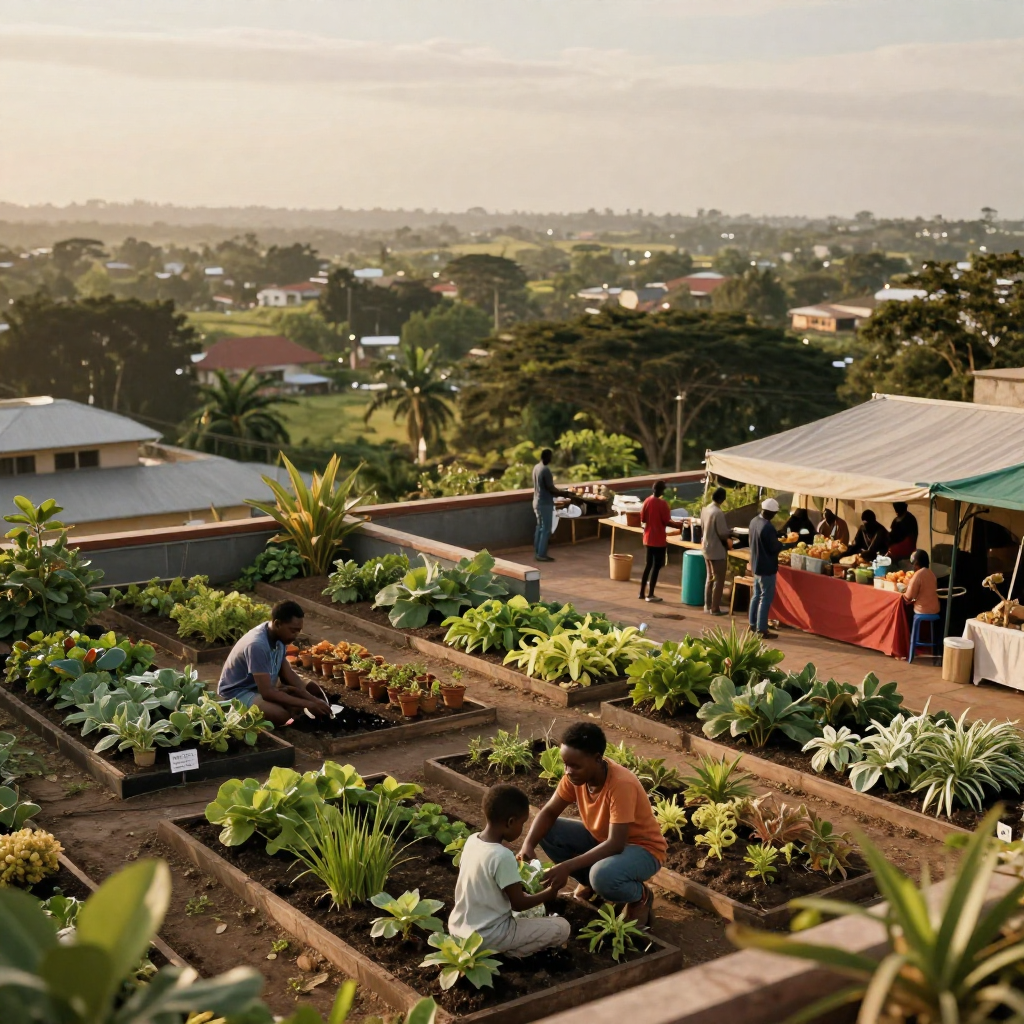
The WhatsApp Groups Feeding Harare: How the Diaspora Is Bankrolling Zimbabwe’s Urban Organic Food Movement

WhatsApp Remittances and Health: The Cost of Feeding Families Across Borders Money From Abroad, Vegetables at Home, and the Economics of Eating Clean A 32-year-old electrician from Harare never thought he would leave Zimbabwe. Nevertheless, economic collapse forced him out. Today, he lives in Cape Town’s informal settlements, working casual jobs. However, his WhatsApp notifications […]


The WhatsApp Groups Feeding Harare: How the Diaspora Is Bankrolling Zimbabwe’s Urban Organic Food Movement Read More »

migrants South Africa, chronic disease, medication access, affordable medication, HIV, TB, diabetes, hypertension, undocumented migrants, asylum seekers, refugees, healthcare barriers, medical xenophobia, public health, health policy, National Health Act, NHI Act, South African health system, treatment interruption, self-medication, disease progression, MDR-TB, opportunistic infections, healthcare exclusion, migrant health, health inequalities, social determinants of health, health system costs, community health, NGO healthcare programs, MSF Tshwane Migrant Project, health rights, constitutional health rights, patient adherence, healthcare advocacy, health equity, migrant-friendly clinics, healthcare access, chronic disease management, health policy gaps, South African cities, Gauteng migrants, KwaZulu-Natal migrants, Tshwane migrants, public clinics, health information systems, continuity of care, health surveillance, public health risks, peer-support networks, emergency care, tertiary care, healthcare discrimination, inclusive healthcare, legal protection for migrants, healthcare interventions, evidence-based solutions, social networks, treatment adherence, vulnerable populations, intersectional health, healthcare research gaps

What Happens When Migrants with Chronic Diseases Can’t Access Affordable Medication in South Africa?

When Chronic Illness Meets Barriers: Migrants Struggling to Access Medication in South Africa A human story, and why it matters In early 2025, a 34‑year-old Zimbabwean woman — we’ll call her “Amina” — living in Johannesburg was diagnosed with hypertension. After losing her job, she could no longer afford private care. At her local public

What Happens When Migrants with Chronic Diseases Can’t Access Affordable Medication in South Africa? Read More »

South Africa, food security, non-citizens, migrants, refugees, asylum seekers, undocumented migrants, social assistance, social grants, food aid, humanitarian principles, human rights, constitutional rights, section 27, Khosa case, exclusion, policy gaps, public health, nutrition, malnutrition, child nutrition, gender, intersectionality, vulnerability, informal economy, urban migrants, Johannesburg, Cape Town, Durban, migrant households, social protection, community organizations, NGOs, urban agriculture, informal food trade, ethical implications, social cohesion, xenophobia, migration policy, government policy, social relief, SRD grant, food insecurity, dietary diversity, poverty, inequality, access to food, civil society, legal obligations, international law, human dignity, program implementation, policy reform, inclusive food systems, migrant resilience, emergency food relief, research gaps, evidence-based solutions, actionable recommendations.

What Are the Ethical and Policy Implications of Excluding Non-Citizens from Food Security Interventions in South Africa?

Excluding Non‑Citizens from Food Security in South Africa: Ethics and Policy Opening — A Case of Silent Hunger In late 2023, a family of Zimbabwean migrants living in a Johannesburg township reached out to a local NGO. The mother described how, after losing her informal‑sector job, her children went hungry for days because food parcels

What Are the Ethical and Policy Implications of Excluding Non-Citizens from Food Security Interventions in South Africa? Read More »

xenophobia, medical xenophobia, healthcare access, African migrants, South Africa, public clinics, migrant health, undocumented migrants, refugees, asylum seekers, migrant rights, health disparities, HIV, TB, maternal health, child health, health policy, National Health Act, Refugees Act, inclusive healthcare, cultural competence, discrimination, patient rights, health system barriers, migrant-sensitive care, public health, Gauteng, Johannesburg, Tshwane, KwaZulu-Natal, NGO interventions, civil society, Operation Dudula, migrant-led organizations, health equity, chronic disease management, access to care, health outcomes, policy implementation, social determinants of health, vulnerable populations, intersectionality, gender, documentation status, health ethics, health reform, NDoH guidelines, healthcare training, health monitoring, community support, case studies, evidence-based recommendations, continuity of care, migrant advocacy, health integration

The Impact of Xenophobia on Healthcare Utilization Among African Migrants in South African Public Clinics

The Invisible Barrier: How Xenophobia Undermines Health Access for African Migrants in South Africa In June 2025, a 32‑year-old female migrant from Zimbabwe — let us call her Amina — arrived at a busy public clinic in Johannesburg with fever and persistent cough. Clinic staff demanded identification and proof of documentation. When Amina could not produce

The Impact of Xenophobia on Healthcare Utilization Among African Migrants in South African Public Clinics Read More »

Maternal health, Child health, Mozambican migrants, South Africa, Border communities, Migrant women, Antenatal care, Postnatal care, Immunisation, Child mortality, Maternal mortality, Migration health, Refugees, Undocumented migrants, Health disparities, Health equity, Rural health, Urban health, Health access, Health policy, Health system, Primary healthcare, Skilled birth attendance, Nutrition, Anaemia, Non-communicable diseases, PMTCT, HIV, Poverty, Social determinants of health, Legal rights, Health financing, Healthcare barriers, Cultural competence, Community health workers, NGO interventions, Civil society, Health inclusion, Migration-sensitive data, Cross-border health, Health outcomes, Policy recommendations, Healthcare accessibility, Public health, Human rights, Health inequities, Health surveillance, Mobile populations, Healthcare utilisation

Maternal and Child Health Outcomes Among Mozambican Migrant Women in Border Communities

Maternal and Child Health Among Mozambican Migrants in Border Communities Opening: A Border Story, A Human Cost In a rural border community in northeastern South Africa — home to many former refugees and migrants from Mozambique — 4‑year-old Maria* died of a preventable illness after missing her routine immunisation. Her mother, a Mozambican migrant, lacked

Maternal and Child Health Outcomes Among Mozambican Migrant Women in Border Communities Read More »

Mental health, East African migrants, Durban, migrant health, help-seeking behavior, mental health challenges, refugees, asylum seekers, trauma, anxiety, depression, psychosocial support, community health workers, migrant-friendly services, cultural competency, language barriers, xenophobia, gender-based violence, documentation status, South Africa health policy, National Mental Health Policy, public health, NGO programs, faith-based support, trauma-informed care, migrant rights, social support networks, mental health access, mental health services, migrant women, youth migrants, undocumented migrants, COVID-19 impact, mobile clinics, tele-mental health, inter-sectoral collaboration, migrant community initiatives

Mental Health Challenges and Help-Seeking Behaviors Among East African Migrants in Durban

Durban East African Migrants: Mental Health and Support Access Introduction: A Crisis Hidden in Everyday Life Every morning, the Durban Inner City Clinic sees long queues of migrant workers seeking help. Many come from Somalia, Ethiopia, Eritrea, and South Sudan. Most wait quietly, but behind the calm lie stories of trauma, displacement, economic stress, and

Mental Health Challenges and Help-Seeking Behaviors Among East African Migrants in Durban Read More »

xenophobia South Africa, workplace discrimination, migrant laborers, human rights, occupational safety, labor migration policy, Gauteng, Western Cape, KwaZulu-Natal, migrant women, gendered vulnerabilities, irregular migrants, asylum seekers, refugees, wage theft, labor exploitation, mental health migrants, workplace harassment, labor inspections, Employment Equity Act, Labour Relations Act, Basic Conditions of Employment Act, Occupational Health and Safety Act, Decent Work for All, COSATU, SAFTU, Scalabrini Centre, CoRMSA, Jesuit Refugee Service, migrant inclusion, union advocacy, anti-xenophobia programs, digital complaint platforms, labor rights enforcement, policy gaps, intersectionality, health and safety, informal sector, migrant protection, wage discrimination, workplace violence, occupational hazards, South African law, migrant advocacy, labor rights education, inclusive workplace policies, labor inspections Gauteng, migrant worker case studies, employment rights, documentation barriers, social protection migrants, migrant worker mental health, economic insecurity migrants, safe workplaces, migrant labor challenges, action plan migrant rights.

How Does Xenophobia in South African Workplaces Affect the Human Rights and Safety of Migrant Laborers?

Xenophobia in South African Workplaces Introduction: Fear at Work – The Hidden Cost of Xenophobia In South Africa, workplaces should be spaces of safety, dignity, and opportunity. Yet many African migrant laborers experience fear and exclusion instead. According to a recent report on xenophobic discrimination in South Africa (2022–2024), xenophobic incidents—including workplace-related discrimination—remain widespread.¹ In

How Does Xenophobia in South African Workplaces Affect the Human Rights and Safety of Migrant Laborers? Read More »

African migration, urbanization, Johannesburg, South Africa, migrant health, informal settlements, overcrowding, public health, tuberculosis, HIV, COVID-19, healthcare access, undocumented migrants, refugees, spaza shops, migrant women, migrant youth, gender-based violence, intersectionality, National Health Insurance, NHI Bill, Refugees Act, Gauteng City-Region Observatory, ACMS, Médecins Sans Frontières, urban planning, community health workers, mobile clinics, peer advocacy, migrant-led organizations, policy gaps, housing, sanitation, economic contribution, informal economy, migration policy, migration data, urban integration, migration challenges, sustainable urban growth, migrant resilience, migrant advocacy, inclusive health policy, migrant protection, South African cities, migration trends, health disparities, migrant vulnerabilities.

What is the connection between African migration and urbanization in Johannesburg?

African Migration and Urbanization in Johannesburg: Policy, Health, and Social Implications Introduction: Migration and the Changing Face of Johannesburg Johannesburg is South Africa’s economic powerhouse. It has become one of the most prominent migrant-receiving cities in Africa. In 2022, South Africa hosted over 4 million international migrants. Johannesburg absorbed the largest proportion (UN DESA, 2022).

What is the connection between African migration and urbanization in Johannesburg? Read More »

African migration, South Africa, urban landscapes, health policy, migration health, urban health systems, healthcare access, National Health Insurance, NHI, constitutional rights, undocumented migrants, asylum seekers, refugees, cross-border migration, internal migration, rural-urban migration, circular migration, health equity, primary healthcare, emergency medical services, maternal health, chronic disease management, community health workers, Johannesburg, Cape Town, Durban, Alexandra township, Hillbrow, Yeoville, health system strengthening, policy implementation, documentation barriers, intersectional vulnerabilities, gender-based health disparities, age-specific health needs, cultural competency, language barriers, public health practitioners, health policymakers, NGO workers, civil society organizations, Scalabrini Centre, Doctors Without Borders, health service delivery, mobile health clinics, peer health educators, policy advocacy, human rights, health outcomes, epidemiological data, disease burden, communicable diseases, antenatal care, emergency department utilization, clinic overcapacity, health facility planning, municipal health services, provincial health departments, inter-governmental coordination, budget allocation, cost-effectiveness analysis, health monitoring systems, data collection protocols, staff training, discrimination in healthcare, patient identifier systems, anonymous service delivery, policy harmonization, legal frameworks, National Health Act, constitutional guarantees, health insurance, out-of-pocket payments, medication access, follow-up care, health education, multilingual services, occupational health, informal economy, gender-based violence, adolescent health, older adult care, research gaps, longitudinal studies, economic analysis, implementation research, digital health innovations, technology solutions, community resilience, health security, public health goals, evidence-based policy, stakeholder engagement, accountability mechanisms, service integration, spatial planning, bylaw reforms, private-public partnerships, capacity building, knowledge translation, migration corridors, settlement patterns, demographic transition, urbanization, population health, health equity, social determinants of health, vulnerable populations, marginalized communities, inclusive health policies, universal health coverage, middle-income country, Southern African Development Community, SADC, continental migration patterns, health diplomacy, regional health cooperation

How Does African Migration Affect South Africa’s Urban Landscapes?

The Urban Health Emergency Unfolding in Real Time In the bustling township of Alexandra, Johannesburg, Dr. Sarah Mthembu witnessed firsthand the strain migration places on urban health systems. With Africa experiencing a 25-percent growth in intra-continental migrants over the last decade—from 12 million in 2015 to 15 million in 2024, her clinic now serves triple

How Does African Migration Affect South Africa’s Urban Landscapes? Read More »

immigration documentation, digital transformation, South Africa immigration, healthcare access, migrant health, documentation barriers, visa processing, Home Affairs, digital visa system, ETA system, asylum seekers, refugees, permit renewal, biometric identification, healthcare providers, policy implementation, SADC countries, cross-border migration, legal pathways, administrative efficiency, public health outcomes, emergency care, maternal health, HIV treatment, tuberculosis contact tracing, documentation delays, permit backlogs, digital identity, mobile documentation, blockchain systems, AI risk assessment, healthcare costs, treatment interruption, antenatal care, preventive care, emergency department, Chris Hani Baragwanath Hospital, Cape Town, Johannesburg, Durban, Western Cape Department of Health, University of Cape Town, Banking Association South Africa, health access card, interim healthcare certificates, immigration liaison officers, multilingual systems, specialized immigration courts, reciprocal agreements, regional integration, G20 presidency, human rights compliance, civil society organizations, legal aid, community education, rural-urban disparities, gender-specific impacts, age-related factors, LGBTI+ migrants, intersectional vulnerabilities, evidence-based policy, longitudinal data, technology accessibility, digital literacy, health system coordination, inclusive design, social cohesion, health equity, migration governance, administrative burden, processing times, fraud prevention, border queues, cost reduction, treatment protocols, CD4 count, antiretroviral therapy, contact tracing, population health indicators, return on investment

Documentation and Legal Pathways: Creating Accessible Immigration Processes

 Accessible Immigration Processes Opening: The Documentation Dilemma Maria, a Zimbabwean nurse working in Cape Town’s public health system, spent three days navigating between Home Affairs offices, losing critical work hours while attempting to renew her work permit. Meanwhile, Ahmad, a Syrian refugee in Johannesburg, delayed seeking HIV treatment for six months due to uncertain documentation

Documentation and Legal Pathways: Creating Accessible Immigration Processes Read More »