Refugees Act

xenophobia, medical xenophobia, healthcare access, African migrants, South Africa, public clinics, migrant health, undocumented migrants, refugees, asylum seekers, migrant rights, health disparities, HIV, TB, maternal health, child health, health policy, National Health Act, Refugees Act, inclusive healthcare, cultural competence, discrimination, patient rights, health system barriers, migrant-sensitive care, public health, Gauteng, Johannesburg, Tshwane, KwaZulu-Natal, NGO interventions, civil society, Operation Dudula, migrant-led organizations, health equity, chronic disease management, access to care, health outcomes, policy implementation, social determinants of health, vulnerable populations, intersectionality, gender, documentation status, health ethics, health reform, NDoH guidelines, healthcare training, health monitoring, community support, case studies, evidence-based recommendations, continuity of care, migrant advocacy, health integration

The Impact of Xenophobia on Healthcare Utilization Among African Migrants in South African Public Clinics

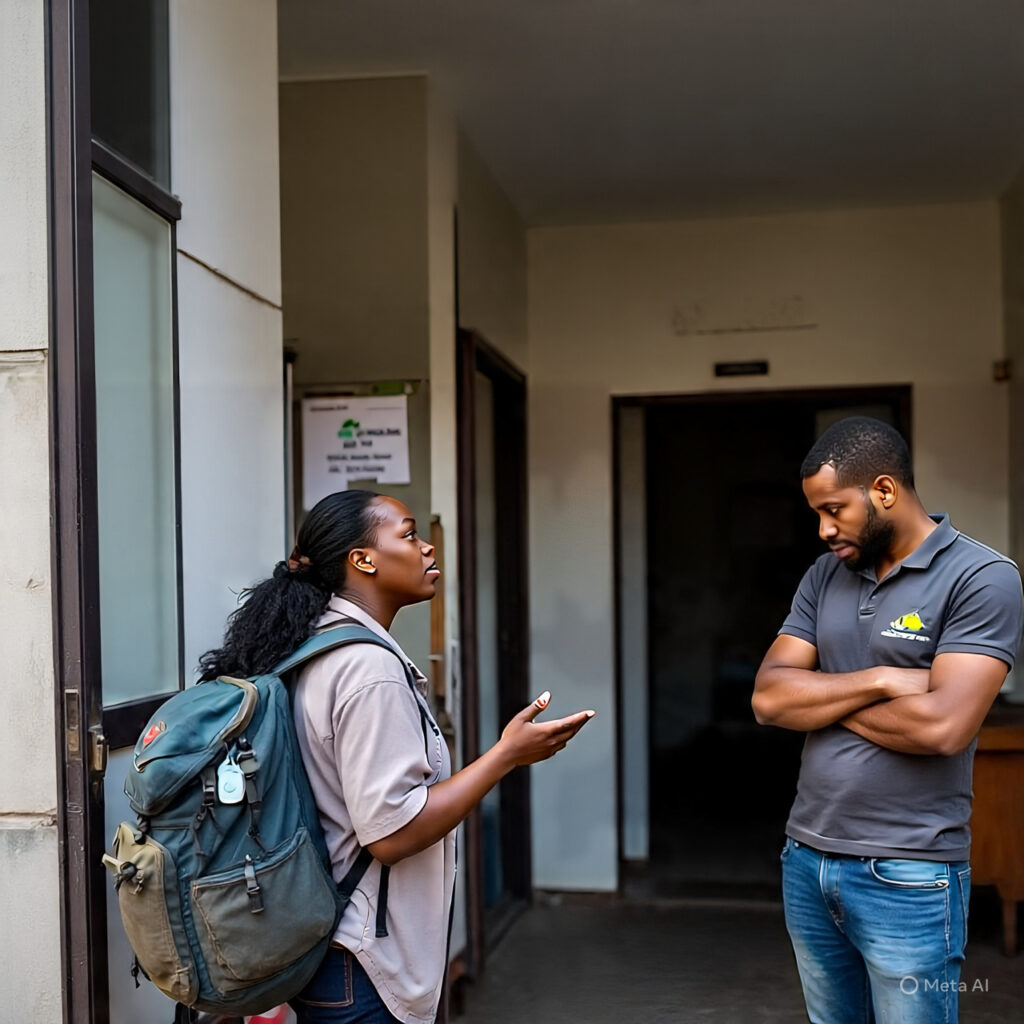
The Invisible Barrier: How Xenophobia Undermines Health Access for African Migrants in South Africa In June 2025, a 32‑year-old female migrant from Zimbabwe — let us call her Amina — arrived at a busy public clinic in Johannesburg with fever and persistent cough. Clinic staff demanded identification and proof of documentation. When Amina could not produce […]

The Impact of Xenophobia on Healthcare Utilization Among African Migrants in South African Public Clinics Read More »

African migrants, South Africa, remittances, remittance challenges, migration health, migrant financial inclusion, informal remittance channels, transaction costs, financial literacy, KYC requirements, digital remittances, mobile banking, migrant women, Zimbabwean migrants, Basotho migrants, rural migrants, undocumented migrants, remittance policy, South African migration policy, Refugees Act, Immigration Act, SADC remittances, sub-Saharan Africa, cross-border transfers, migrant livelihoods, financial access, remittance regulations, migration barriers, policy reforms, inclusive remittance systems, remittance fees, economic empowerment, migrant support programs, digital financial inclusion, gender and migration, age and migration, nationality and migration, community-based interventions, NGO remittance support, formal financial services, informal financial services, evidence-based recommendations, South African cities, Johannesburg migrants, Cape Town migrants, Pretoria migrants, stakeholder perspectives, migration research, ethical migration policy, actionable recommendations, mobile money transfers, remittance innovation, South-South remittances, empirical migration data, intersectional migration analysis, migration health policy, migration development.

What Are the Main Challenges African Migrants Face When Sending Remittances from South Africa?

Understanding the Challenges African Migrants Face When Sending Remittances from South Africa Introduction: The Significance of Remittances Remittances are a lifeline for millions of African families. They contribute to poverty reduction, education, and healthcare. In 2024, remittance inflows to Africa reached approximately US$95 billion, a 10% increase from the previous year (ISS Africa, 2025). South

What Are the Main Challenges African Migrants Face When Sending Remittances from South Africa? Read More »

healthcare access South Africa, undocumented migrants, Section 27 Constitution, right to health, migrant health policy, healthcare denial, clinic staff training, xenophobia in healthcare, National Health Insurance Act, NHI Act 2023, Gauteng Department of Health, public health system South Africa, migrant maternal health, health rights advocacy, NGO interventions South Africa, Médecins Sans Frontières MSF, Scalabrini Centre, Sonke Gender Justice, migrant patient liaison, safe space clinics, mobile health clinics, legal framework for migrants, health policy reform, South African Health Department, emergency medical treatment, National Health Act, Refugees Act, Immigration Act, medical xenophobia, health equity, access to primary healthcare, migrant women and children, healthcare discrimination, migrant rights South Africa, human rights in healthcare, policy implementation gaps, healthcare exclusion, healthcare ethics, frontline health workers, healthcare governance, civil society health advocacy, border health Musina, Johannesburg clinics, Cape Town clinics, Limpopo health services, intersectionality migration health, refugee healthcare, SADC migrants, healthcare funding South Africa, healthcare accountability, migrant health research, public health recommendations South Africa, healthcare system reform, training gaps in healthcare, health ombuds reporting, right to emergency care, inclusion in NHI, constitutional health obligations, health system barriers, NGO healthcare partnerships, community health outreach, healthcare law South Africa, migrant patient experiences, medical ethics training, healthcare policy analysis, vulnerable populations in healthcare

Healthcare Denied: How Clinic Staff Turn Away Undocumented Migrants Despite Constitutional Rights

Healthcare of Undocumented Migrants  Constitutional Rights Opening: a real case and a stark statistic In 2023, a young Zimbabwean mother in a peri-urban township in Gauteng arrived at a public clinic in labour. She carried no documents, fearing arrest. Clinic staff told her she would need to pay upfront or produce a permit before being

Healthcare Denied: How Clinic Staff Turn Away Undocumented Migrants Despite Constitutional Rights Read More »

African migration, urbanization, Johannesburg, South Africa, migrant health, informal settlements, overcrowding, public health, tuberculosis, HIV, COVID-19, healthcare access, undocumented migrants, refugees, spaza shops, migrant women, migrant youth, gender-based violence, intersectionality, National Health Insurance, NHI Bill, Refugees Act, Gauteng City-Region Observatory, ACMS, Médecins Sans Frontières, urban planning, community health workers, mobile clinics, peer advocacy, migrant-led organizations, policy gaps, housing, sanitation, economic contribution, informal economy, migration policy, migration data, urban integration, migration challenges, sustainable urban growth, migrant resilience, migrant advocacy, inclusive health policy, migrant protection, South African cities, migration trends, health disparities, migrant vulnerabilities.

What is the connection between African migration and urbanization in Johannesburg?

African Migration and Urbanization in Johannesburg: Policy, Health, and Social Implications Introduction: Migration and the Changing Face of Johannesburg Johannesburg is South Africa’s economic powerhouse. It has become one of the most prominent migrant-receiving cities in Africa. In 2022, South Africa hosted over 4 million international migrants. Johannesburg absorbed the largest proportion (UN DESA, 2022).

What is the connection between African migration and urbanization in Johannesburg? Read More »

Migration securitisation, border control, xenophobia, Immigration Act, Refugees Act, deportation, detention, asylum seekers, undocumented migrants, Border Management Authority, Operation Fiela, national security, migration policy, threat perception, Department of Home Affairs, xenophobic violence, spatial control, migration management, illegal foreigners, border enforcement, immigration policing, African migrants, social exclusion, sovereignty, foreign nationals, biometric identification, militarized borders, criminalization of migration, migration control, refugee reception offices, mobility control, nation-state, social cohesion, exclusionary practices, state sovereignty, scapegoating, state violence, migration governance, refugee protection, documentation challenges, spatial segregation, forced removals, constitutional rights, human security, regional integration, SADC, identity documents, regularization, smart borders, migration law enforcement, anti-immigrant sentiment, othering, state talk, refugee status determination, migrant labor, apartheid legacy, freedom of movement, integration policy, state of exception, law enforcement, corruption, informal settlements, migration discourse, illegal immigration, Lindela Detention Centre, state capacity, humanitarian protection, service delivery, labor migration, population control, migrant rights, citizenship

The Securitisation of Migration Governance in South Africa

South Africa and Securitisation of Migration Governance South Africa has become a significant destination for migrants from across Africa and beyond since its transition to democracy in 1994. As one of the continent’s most developed economies, it has attracted people seeking better economic opportunities, as well as those fleeing political instability and conflict. However, the

The Securitisation of Migration Governance in South Africa Read More »

Migration Policies • Regional Integration • Free Movement Protocols • Border Management • Refugee Protection • Climate Migration • Labor Mobility • Diaspora Engagement • Remittances • Brain Drain • Human Trafficking • Migrant Rights • ECOWAS Protocol • AU Migration Policy Framework • Irregular Migration • Migration Data • Return and Reintegration • Rural-Urban Migration • Youth Migration • Gender and Migration • Xenophobia • Identity Documentation • Migration Diplomacy • Humanitarian Corridors • Migration-Development Nexus • Forced Displacement • Internal Displacement • Mixed Migration • Circular Migration • Migration Governance Indicators • Capacity Building • Migration Compacts • Bilateral Agreements • Cross-Border Cooperation • Migration Determinants • Pastoral Migration • Migration and Security • Externalization of Borders • Migration Governance Architecture • Migration Corridors • Visa Regimes • Detention Practices • Migration and Trade • Skill Recognition • Social Protection • Seasonal Migration • Post-Colonial Migration Patterns

What is the state of African Migration Governance in South Africa.

African Migration Governance in South Africa: Challenges and Developments in the SADC Region South Africa remains the primary destination for migrants within the Southern African Development Community (SADC) region, hosting the largest number of international migrants in Africa. This position has placed significant pressure on South Africa’s migration governance frameworks, which have undergone substantial reform

What is the state of African Migration Governance in South Africa. Read More »