public health equity

labor migration, Southern Africa, kapenta, dried fish trade, Lake Kariba, informal food systems, food security, nutrition security, migrant health, public health, urban health, cross-border trade, informal economy, migrant diets, affordable protein, food systems, migration and health, migration policy, health policy, National Health Insurance South Africa, primary health care access, undocumented migrants, healthcare access barriers, xenophobia, gender and migration, women traders, intersectionality, occupational health risks, food safety, environmental health, informal markets, spaza shops, street vendors, Johannesburg inner city, Cape Town townships, eThekwini informal trade, Gqeberha markets, urban poverty, social networks, remittances and food, circular migration, Southern African Development Community (SADC), regional food systems, NGO interventions, community-led health programs, mobile clinics, policy gaps, governance silos, migrant-inclusive policies, nutrition policy, urban food governance, livelihoods, resilience, public health equity

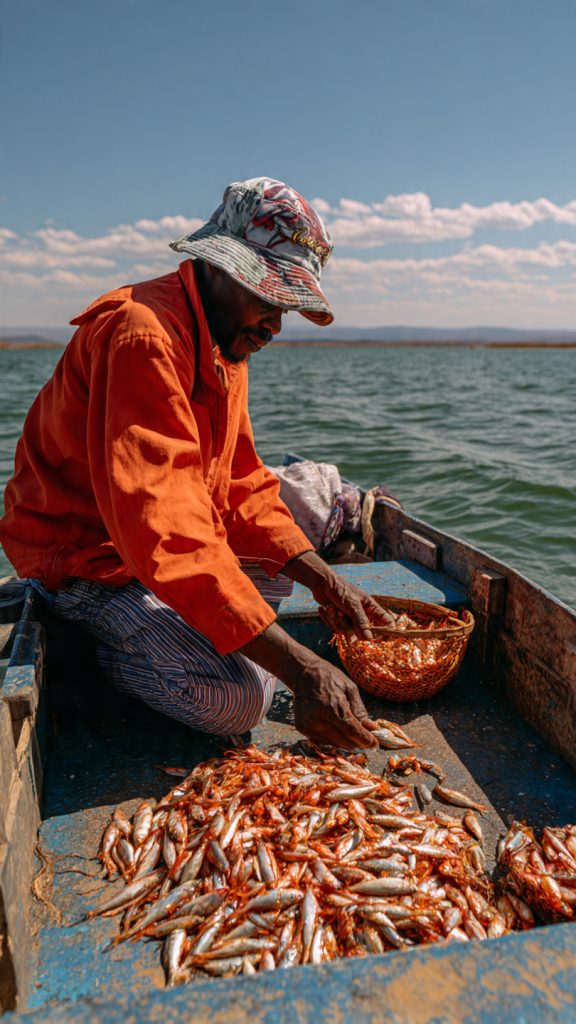
The Kapenta Trail: How Labor Migration Created Southern Africa’s Most Unlikely Food Network

Migration on the Menu: Kapenta, Food, and Health Following fish, families, and farming knowledge from Lake Kariba to the Cape Opening: A Fish That Travels Further Than People In 2023, dried kapenta from Lake Kariba appeared in informal markets across Johannesburg, Cape Town, and Gqeberha. Alongside mielie meal and tomatoes, traders sold it to low-income […]
The Kapenta Trail: How Labor Migration Created Southern Africa’s Most Unlikely Food Network Read More »

chronic disease management, migrant health, Pretoria migrants, diabetes care, hypertension care, non-communicable diseases, NCDs in migrants, migrant healthcare access, undocumented migrants South Africa, migrant health policy, Gauteng migrant health, public health equity, chronic disease barriers, migrant inclusion, healthcare discrimination, xenophobia healthcare, migrant-focused NCD programs, Tshwane migrant health, integrated chronic care, health system challenges, migrant case studies, health disparities, migrant health research, community-based healthcare, migrant-friendly clinics, migrant health interventions, healthcare access inequality, South Africa NCD burden, migrant socio-economic factors, migrant health advocacy

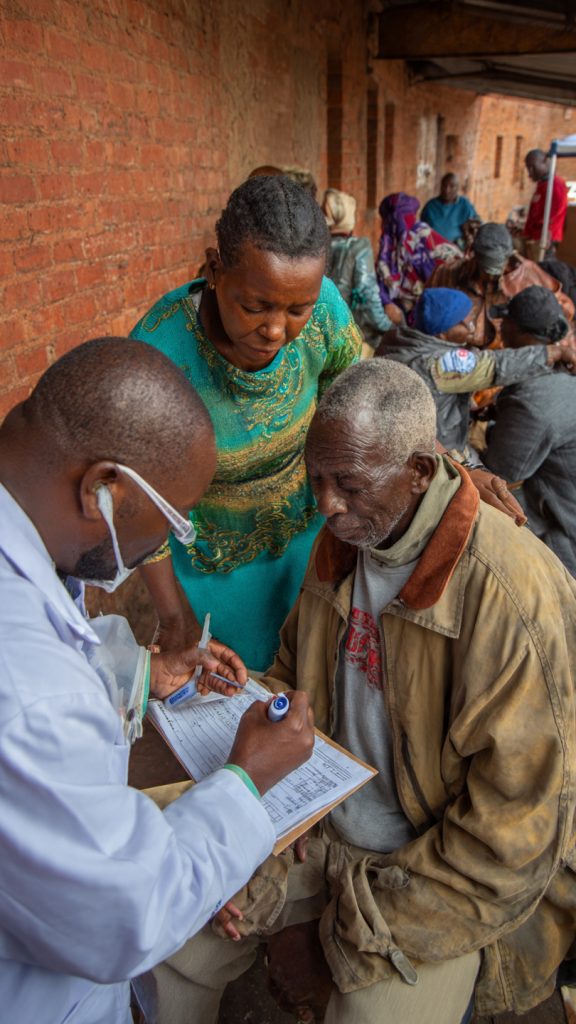
Chronic Disease Management Among Migrant Populations: Diabetes and Hypertension Care Access in Pretoria’s Migrant Communities

Chronic Disease Care for Migrants in Pretoria: Diabetes and Hypertension Access Opening: Why This Matters — A Case Study In a small flat in Pretoria North, “Amina” (not her real name), a 49‑year-old woman from Zimbabwe, checks her blood pressure. She has lived in Tshwane for over 8 years, working informal jobs and supporting two

Chronic Disease Management Among Migrant Populations: Diabetes and Hypertension Care Access in Pretoria’s Migrant Communities Read More »

Congolese migration, economic development initiatives, Democratic Republic of the Congo, DRC economy, South Africa migration, regional integration, SADC policies, job creation in DRC, youth employment, women empowerment, migration health, cross-border trade, informal economy, livelihood programmes, digital skills training, entrepreneurship support, agribusiness development, migration governance, returnee reintegration, migrant livelihoods, migration and health policy, poverty reduction, inclusive growth, social protection, sustainable livelihoods, conflict and displacement, human capital development, migration alternatives, economic resilience, migration push factors, South African health system, migrant health access, migration policy reform, regional development fund, migration research, gender-sensitive policy, documentation barriers, informal sector, occupational health, community empowerment, sustainable development, migration management, African migration trends, public health equity, migration solutions, economic transformation, local job opportunities, stay-at-home migration alternatives.

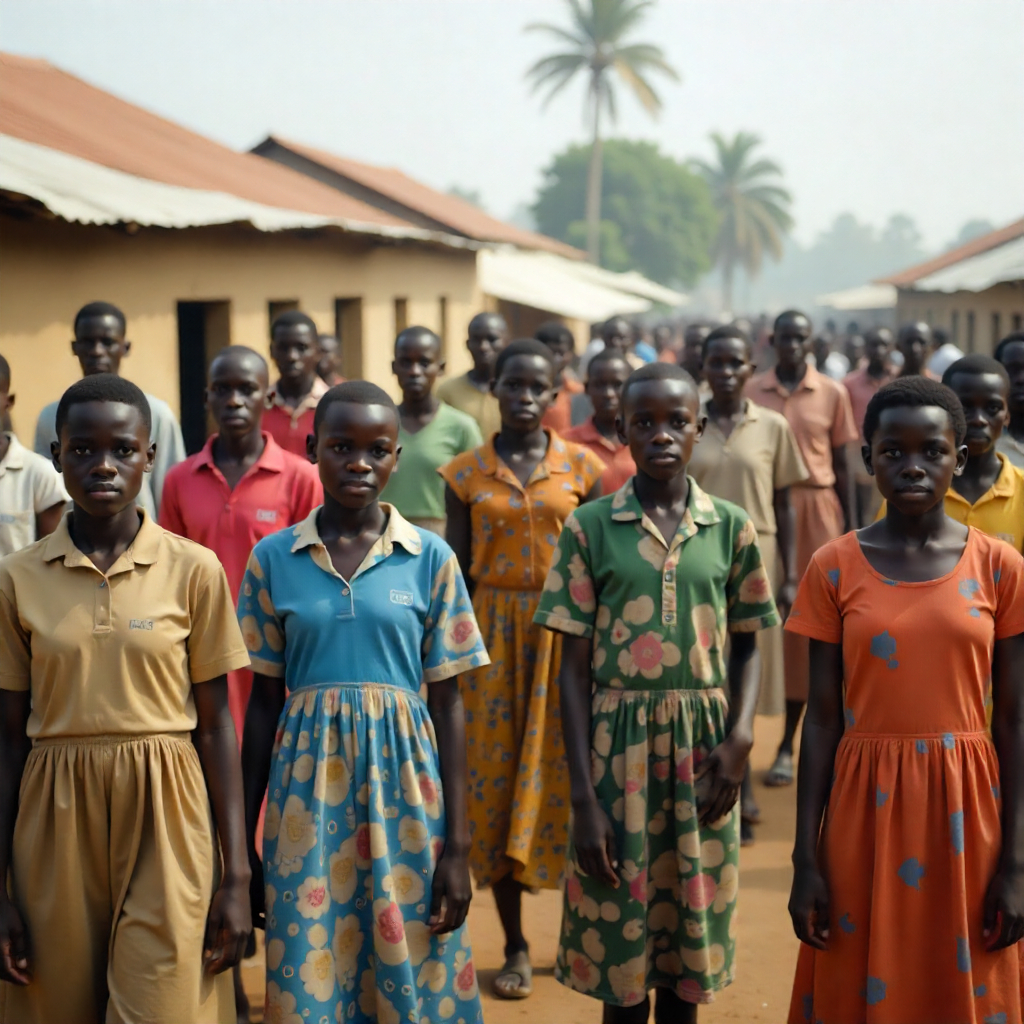
What Economic Development Initiatives Could Keep Congolese Migrants Closer to Home Rather Than Traveling to South Africa?

 Economic Development Initiatives for Congolese Migrants Opening: A Story of Choice and Opportunity In the busy streets of Lubumbashi, Marie (a pseudonym) repairs mobile phones in a small workshop. She once planned to migrate to Johannesburg in South Africa. Instead, she accepted a local youth-skills training in digital repair and micro-enterprise support. Now she earns

What Economic Development Initiatives Could Keep Congolese Migrants Closer to Home Rather Than Traveling to South Africa? Read More »