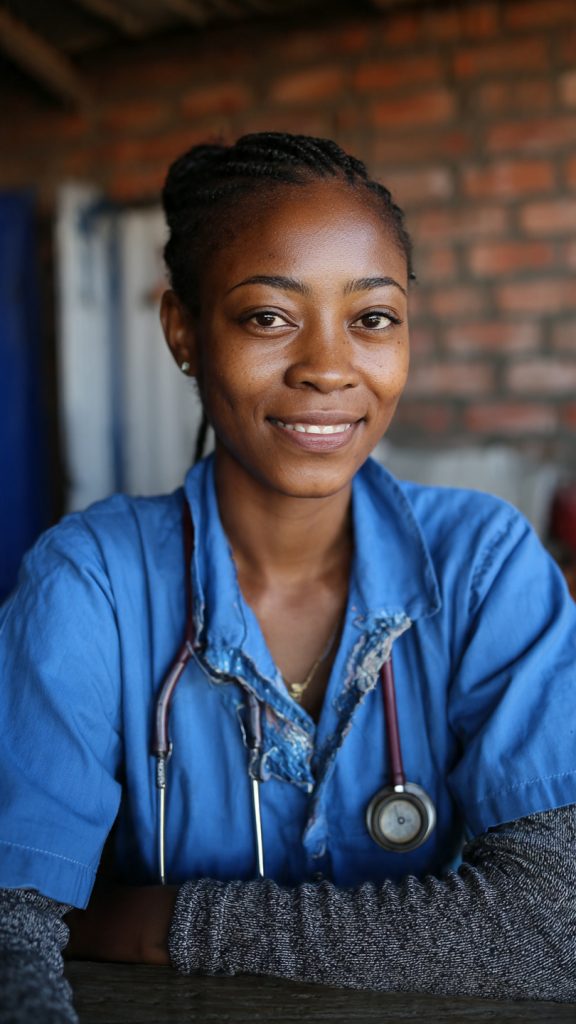
migrant-inclusive healthcare

Community Health Workers, CHWs, migrant health, public health access, South Africa, language barriers, cultural competency, trust-building, Ward-Based Primary Healthcare Outreach Teams, WBPHCOT, healthcare navigation, migrant communities, health equity, informal settlements, maternal health, child immunization, ART adherence, health literacy, interpreter services, peer health navigators, community forums, health policy, PHC re-engineering, NHI equity objectives, healthcare outreach, vulnerable populations, migrant-inclusive healthcare, supervision and training, health service managers, NGOs, culturally appropriate materials, evidence-based interventions, Gauteng, Johannesburg, Ekurhuleni, Eastern Cape, Cape Town, Limpopo, migrant rights, undocumented migrants, health disparities, universal health coverage, health system strengthening, community engagement, health outcomes, migrant trust, healthcare gaps, data-driven targeting, policy recommendations, ethical sensitivity, intersectional factors

Can Community Health Workers Bridge the Gap Between Migrant Populations and South Africa’s Public Health Services?

CHWs and Migrant Access to Public Health in South Africa Overcoming Language, Cultural, and Trust Barriers Opening: A Clinic Scene in Gauteng On a sweltering summer morning at a primary healthcare clinic in Gauteng, Amina arrives with her two young children. She has travelled from a nearby informal settlement where she works long hours cleaning […]
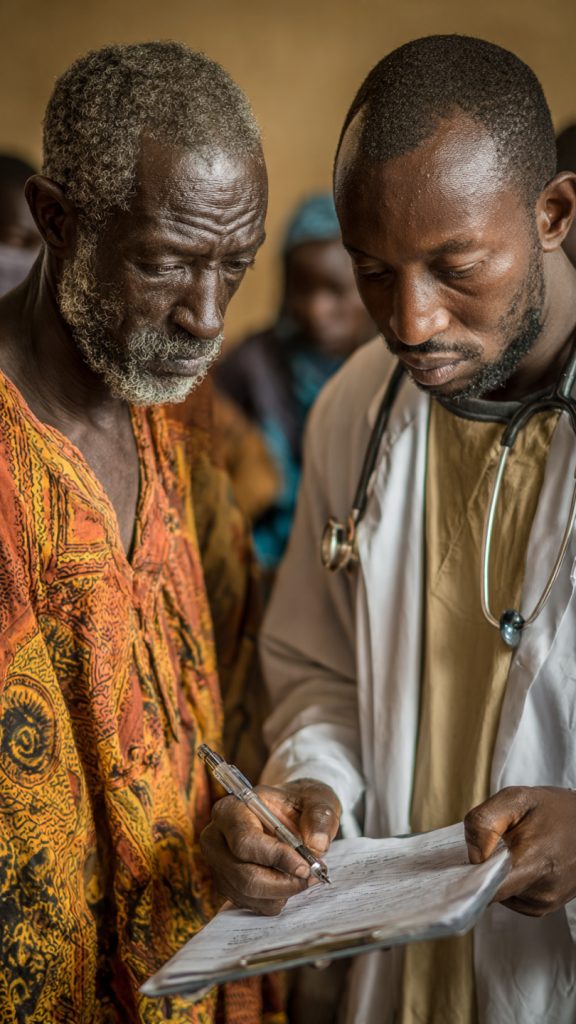
Can Community Health Workers Bridge the Gap Between Migrant Populations and South Africa’s Public Health Services? Read More »

undocumented African migrants, South Africa, diet-related non-communicable diseases, NCDs, healthcare access barriers, structural determinants of health, legal barriers, social determinants, health inequality, migration health, hypertension, diabetes, cardiovascular disease, urban migrants, food insecurity, dietary transition, acculturation, processed foods, chronic disease management, primary healthcare, medical xenophobia, discrimination, health policy, public health, NGO interventions, community health programs, migrant-inclusive healthcare, health literacy, culturally sensitive care, language barriers, social exclusion, informal settlements, low-income migrants, preventive care, NCD screening, health system adaptation, data collection, migrant health fund, intersectoral action, policy recommendations, South African health policy, WHO guidelines, MSF programs, urban nutrition, health equity, chronic disease treatment, migrant-led organizations, access to care, healthcare utilization, ethical sensitivity, human rights, inclusive NCD strategies, public health outcomes, evidence-based solutions, empirical data, research gaps.

What Are the Barriers to Healthcare Access for Diet-Related Non-Communicable Diseases Among Undocumented African Migrants?

Barriers to Healthcare Access for Diet‑Related Non‑Communicable Diseases (NCDs) Among Undocumented African Migrants in South Africa   Introduction: A Hidden Burden in Plain Sight “ I worry when my chest feels tight and I cannot eat; but I dare not go to the clinic. I might be turned away.” — interview with an undocumented migrant in

What Are the Barriers to Healthcare Access for Diet-Related Non-Communicable Diseases Among Undocumented African Migrants? Read More »

Water scarcity, cross-border migration, Zimbabwe migration, Mozambique migration, South Africa migration, climate-induced migration, migration health, rural-urban migration, Limpopo migration corridor, Musina health services, migrant health access, undocumented migrants, gender and migration, child health migrants, elderly migrants, chronic disease migrants, infectious disease risk, drought impacts, livelihood collapse, food insecurity, water governance, SADC migration, policy gaps, migration policy South Africa, health system strain, public health South Africa, NGO migrant support, community health programs, water-scarcity adaptation, climate mobility, migration trajectories, border crossings, Beitbridge border, refugee health, migration vulnerabilities, migrant-inclusive healthcare, mobile health outreach, cross-border water agreements, livelihood diversification, intersectional vulnerabilities, migrant protection, health policy recommendations, water-scarce regions, Musina water supply, Gauteng migrant health, Johannesburg migrant communities, Cape Town informal settlements, migration research gaps, migration health surveillance, climate change migration, Africa Climate Mobility Initiative, adaptation strategies, ethical sensitivity in migration, public health preparedness, regional cooperation, SADC water policy, health equity migrants, migrant case studies, policy implementation timeline, sustainable migration solutions, migration monitoring, rural livelihood resilience, health system integration.

What role does water scarcity play in driving cross-border migration from Zimbabwe and Mozambique into South Africa?

Water Scarcity and Cross-Border Migration: Health Policy Implications for South Africa When the Land Runs Dry: Water Scarcity as a Migration Driver In 2024, over 50% of people leaving Matabeleland South, Zimbabwe, cited repeated drought as a key push factor. The Africa Climate Mobility Initiative estimates 200,000–800,000 Southern Africans may migrate by 2050 due to

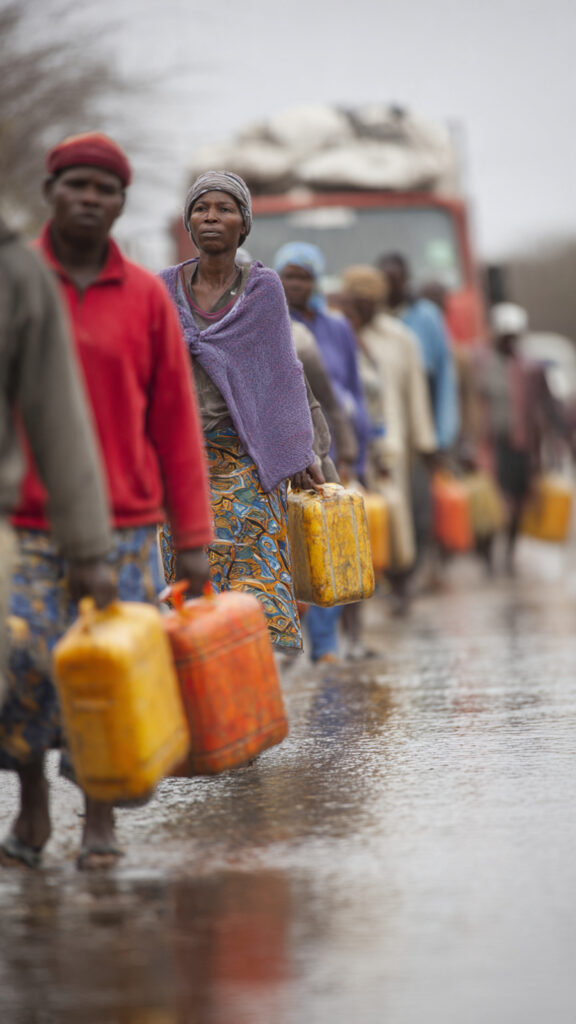
What role does water scarcity play in driving cross-border migration from Zimbabwe and Mozambique into South Africa? Read More »