gender-based violence

child migrants, climate change, climate-induced migration, climate displacement, Southern Africa, cross-border migration, child protection, unaccompanied minors, separated children, climate refugees, drought migration, flood displacement, extreme weather events, climate crisis, environmental degradation, water scarcity, food insecurity, child trafficking risks, human trafficking, smuggling networks, border governance, migration corridors, Limpopo River, Zimbabwe–South Africa border, Mozambique–South Africa border, Botswana–South Africa border, Musina border town, Beitbridge border post, informal border crossings, migration routes, rural livelihoods collapse, agricultural failure, pastoralist displacement, child vulnerability, gender-based violence

When the Limpopo Dries Up: Child Migrants Crossing Southern Africa’s Climate-Changed Borders

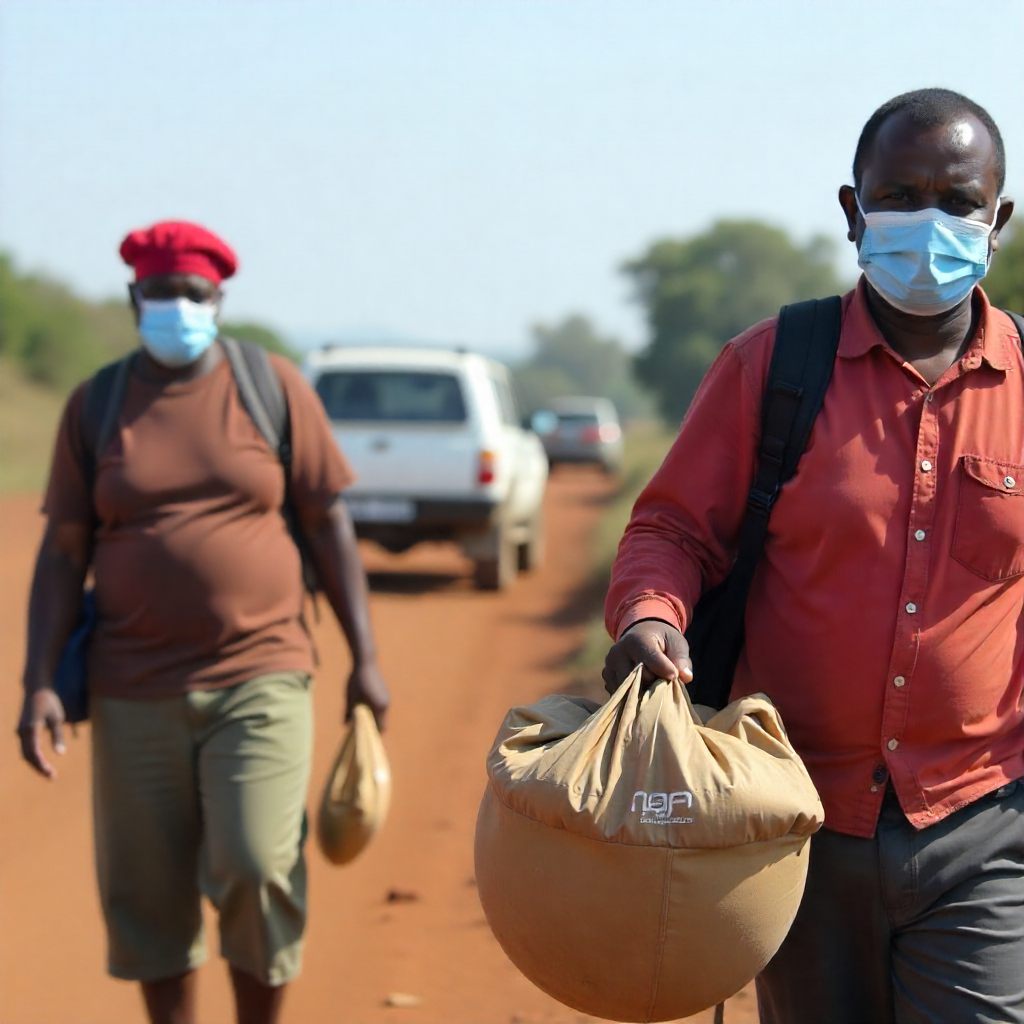
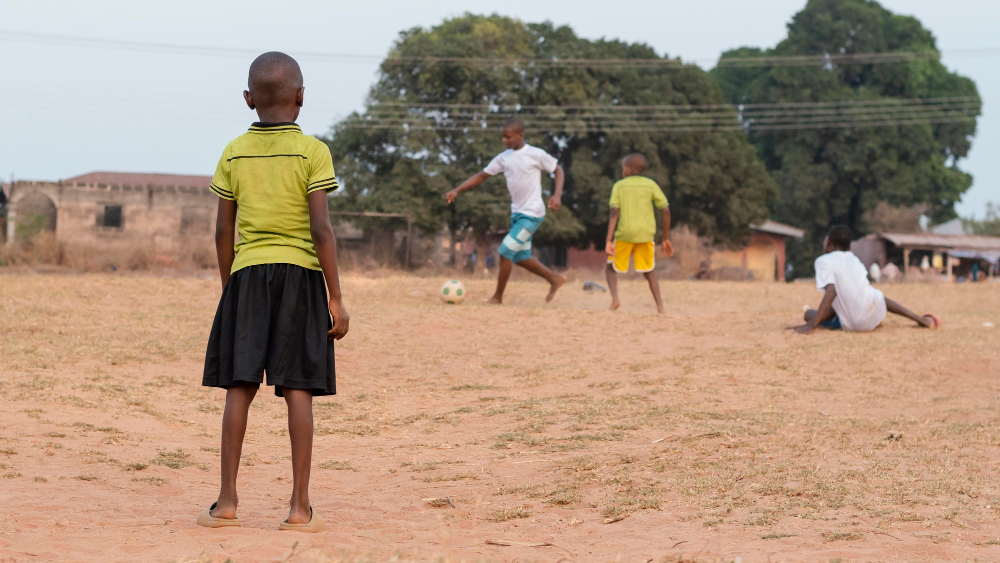
A River in Crisis, A Generation on the Move In 2023, large stretches of the Limpopo River ran unusually low after repeated drought cycles in southern Zimbabwe and northern South Africa. Seasonal crossings became easier. At the same time, household crops failed in districts like Masvingo and Beitbridge. Families lost income. Children started moving. According […]

When the Limpopo Dries Up: Child Migrants Crossing Southern Africa’s Climate-Changed Borders Read More »

socioeconomic factors, referral pathways, communication channels, data sharing protocols, coordination mechanisms, multi-country collaboration, regional frameworks, health agreements, memoranda of understanding, technical committees, public health surveillance, outbreak response, health security, epidemic preparedness, pandemic response, health emergency management, contact tracing, case investigation, risk assessment, health financing, donor funding, domestic health funding, resource mobilization, budget allocation, health expenditure, financial sustainability, health economics, cost-effectiveness, implementation strategies, scale-up, pilot programs, best practices, lessons learned, program evaluation, monitoring and evaluation, health system performance, quality improvement, right to health, healthcare rights, migrant rights, health equity, ethical healthcare, non-discrimination, universal health coverage, patient rights, informed consent, data privacy, electronic health information systems, health management information systems, HMIS, interoperability, data standards, patient identifiers, laboratory information systems, reporting systems, SMS reminders, healthcare workforce, health worker training, staff shortages, burnout, capacity development, professional development, human resources for health, health worker migration, brain drain

What Are the Cross-Border Health Coordination Challenges Between South Africa and Neighboring SADC Countries?

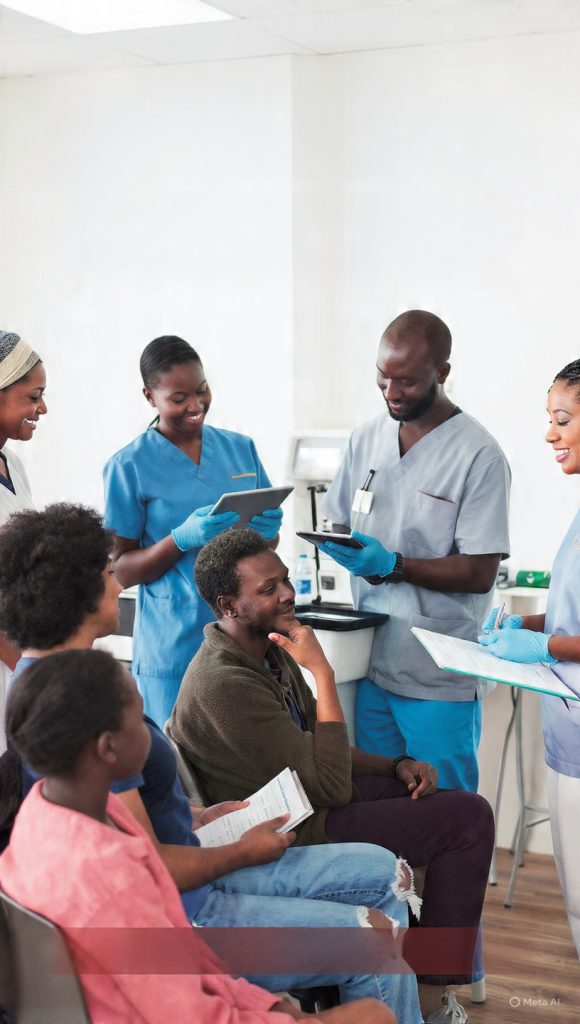
Breaking Down Borders, Building Health Systems: The Cross-Border Coordination Crisis in Southern Africa Introduction: When Borders Become Barriers to Health Maria, a 34-year-old Mozambican mother living in Nkomazi, South Africa, discovered she was HIV-positive during antenatal care. Immediately, healthcare workers started her treatment. However, when she returned to Mozambique for a family emergency three months

What Are the Cross-Border Health Coordination Challenges Between South Africa and Neighboring SADC Countries? Read More »

HIV, TB, HIV/TB co-infection, migrants, migrant health, migration health, mobile populations, undocumented migrants, cross-border health, South Africa, Limpopo, Gauteng, Zimbabwean migrants, Mozambican migrants, Malawian migrants, refugee health, asylum seekers, ART, antiretroviral therapy, TB treatment, treatment continuity, healthcare access, medical xenophobia, xenophobia, health disparities, circular migration, seasonal migration, border health, SADC health coordination, Musina Model of Care, peer educators, community health workers, differentiated service delivery, multi-month dispensing, patient-held health records, mobile clinics, outreach services, cross-border referral, health policy, National Health Strategic Plan, NSP 2023-2028, maternal health, gender-based violence, sexual violence, mental health, social determinants of health, economic precarity, housing conditions, informal settlements, healthcare barriers, health system gaps, regional coordination, migration-aware programming, culturally competent care, anti-discrimination training, healthcare legal rights, mobile population interventions, public health policy, health outcomes, UNAIDS targets, chronic disease management, rural healthcare, urban healthcare, clinic access, healthcare inclusion, patient support programs, health advocacy, civil society interventions, healthcare research, implementation science, health information systems, cross-border patient tracking, differentiated care models, health equity, patient retention, viral suppression, ART adherence, TB prevention, healthcare infrastructure, peer-led programs, healthcare scalability, migrant-led initiatives, occupational health, farm worker health, HIV testing, TB testing, health literacy, health education, psychosocial support, migration-related vulnerabilities, cultural competency, healthcare quality improvement, NGO healthcare support, regional health policy, cross-border treatment protocols, mobile health interventions.

How Can South Africa’s Healthcare System Better Support Migrants with HIV/AIDS and TB Co-Infections?

Bridging the Treatment Gap: Supporting Migrants with HIV/AIDS-TB Co-Infections in South Africa When Borders Become Barriers: The Silent Crisis Thirty-five-year-old Grace* travels between Zimbabwe and South Africa’s Limpopo province every three months. She works on commercial farms near Musina during harvesting seasons. Grace lives with both HIV and tuberculosis (TB), requiring consistent medication for both

How Can South Africa’s Healthcare System Better Support Migrants with HIV/AIDS and TB Co-Infections? Read More »

Mental health, East African migrants, Durban, migrant health, help-seeking behavior, mental health challenges, refugees, asylum seekers, trauma, anxiety, depression, psychosocial support, community health workers, migrant-friendly services, cultural competency, language barriers, xenophobia, gender-based violence, documentation status, South Africa health policy, National Mental Health Policy, public health, NGO programs, faith-based support, trauma-informed care, migrant rights, social support networks, mental health access, mental health services, migrant women, youth migrants, undocumented migrants, COVID-19 impact, mobile clinics, tele-mental health, inter-sectoral collaboration, migrant community initiatives

Mental Health Challenges and Help-Seeking Behaviors Among East African Migrants in Durban

Durban East African Migrants: Mental Health and Support Access Introduction: A Crisis Hidden in Everyday Life Every morning, the Durban Inner City Clinic sees long queues of migrant workers seeking help. Many come from Somalia, Ethiopia, Eritrea, and South Sudan. Most wait quietly, but behind the calm lie stories of trauma, displacement, economic stress, and

Mental Health Challenges and Help-Seeking Behaviors Among East African Migrants in Durban Read More »

Musina transit camps, female migrants, gender-based violence, GBV prevention, migrant women safety, South Africa migration, refugee protection, asylum seekers, GBV shelters, psychosocial support, trauma-informed care, migrant health services, safe spaces for women, migrant vulnerabilities, humanitarian response, NGO interventions, community mobilization, male engagement programs, cash-based interventions, vocational training for migrants, multilingual support services, child protection, Musina GBV coordination, migrant rights, xenophobia, undocumented migrants, Musina Showgrounds, Matsaung Shelter, policy recommendations, South Africa GBVF plan, evidence-based strategies, migration health, SADC migrants, gender norms, survivor-centered care, health policy, human rights, migrant empowerment, mental health support, Musina border town, IOM Musina assessment, UNHCR GBV programs, One Man Can campaign

What Gender-Based Violence Prevention Strategies Are Needed for Female Migrants in Musina Transit Camps?

Preventing Gender-Based Violence in Musina Transit Camps: Strategies for Female Migrants The Risk Landscape in Musina Musina, a small town at South Africa’s northern border, serves as a critical transit point for migrants from Zimbabwe, the DRC, and other SADC countries. While the town promises refuge, it exposes women and girls to high risks of

What Gender-Based Violence Prevention Strategies Are Needed for Female Migrants in Musina Transit Camps? Read More »

COVID-19, border closures, South Africa, Zimbabwe, informal cross-border traders, ICBT, migration health, women traders, livelihood impact, economic vulnerability, informal trade, Musina, Beitbridge, gender-based violence, undocumented migrants, public health policy, COVID-19 pandemic, trade disruption, cross-border trade, food security, health risks, transport brokers, informal routes, pandemic response, social protection, policy gaps, digital adaptation, peer support networks, HIV, TB, pandemic preparedness, migration policy, small-trader corridor, health outreach, migrant communities, economic resilience, human rights, informal economy, COVID-19 lockdown, cross-border mobility, livelihood precarity, intersectional vulnerabilities, South African policy, Zimbabwean traders, border management, public health surveillance, economic loss, NGO advocacy, civil society support, pandemic mitigation.

How Did COVID-19 Border Closures Between South Africa and Zimbabwe Impact Informal Cross-Border Traders?

How COVID‑19 Border Closures Affected Zimbabwean Traders Opening: Lives Interrupted On 15 March 2020, Beitbridge Border Post — the key land‐border crossing between South Africa and Zimbabwe — effectively sealed for non‑essential human traffic when 35 of South Africa’s 53 land borders were closed to limit the spread of COVID‑19. ACCORD+2News24+2This seemingly technical public‐health decision rippled into the lives

How Did COVID-19 Border Closures Between South Africa and Zimbabwe Impact Informal Cross-Border Traders? Read More »

South Africa, labor migration, migration policy, vulnerable women, children, human trafficking, exploitation, migrant protection, National Labour Migration Policy, NLMP, gender-sensitive migration, child labor, forced labor, migrant rights, undocumented migrants, trafficking prevention, labor abuse, domestic workers, agricultural labor, urban migration, rural migration, Johannesburg, Pretoria, Limpopo, Mpumalanga, migrant health, social services, legal aid, community awareness, NGO programs, victim support, law enforcement training, cross-border trafficking, regional cooperation, data collection, migration research, policy gaps, intersectionality, gender-based violence, child protection, migrant advocacy, human rights, labor inspections, migration governance, trafficking victims, safe migration, ethical migration, South African government, migrant empowerment.

How can labor migration policies in South Africa better protect vulnerable women and children from trafficking and exploitation?

Enhancing Labor Migration Policies in South Africa to Protect Vulnerable Women and Children from Trafficking and Exploitation Introduction: The Urgent Need for Policy Reform South Africa is a significant destination for labor migrants in Africa, attracting thousands annually from neighboring countries. While migration offers economic opportunities, it also exposes women and children to heightened risks

How can labor migration policies in South Africa better protect vulnerable women and children from trafficking and exploitation? Read More »

undocumented migrant workers, South Africa, agriculture sector, mining sector, human rights violations, migrant labour, labour exploitation, unsafe working conditions, occupational health, gender-based violence, sexual harassment, migrant health, TB prevalence, silicosis, pesticide exposure, wage theft, child labour, labour inspections, legal protections, Constitutional rights, National Health Act, Basic Conditions of Employment Act, Employment Equity Act, Immigration Act, xenophobia, healthcare access, maternal health, mental health, psychosocial stress, informal mining, artisanal miners, zama-zamas, NGO interventions, MSF migrant clinics, Scalabrini Centre, Legal Resources Centre, worker cooperatives, FairPlay Movement, policy recommendations, labour policy gaps, intersectoral coordination, regional migration, SADC health protocols, migrant women, migrant children, foreign nationals, Mozambican workers, Zimbabwean workers, Lesotho workers, Limpopo, Mpumalanga, North West Province, Gauteng, Western Cape, Stilfontein mine tragedy, South African Human Rights Commission, International Labour Organization, occupational diseases, health outreach programs, migrant advocacy, labour rights enforcement, mobile clinics, rural migrant communities, intersectional vulnerability, social protection, public health risks, ethical sensitivity, evidence-based solutions, research gaps, migration health policy, human dignity, worker safety.

Undocumented Migrants in Agriculture & Mining: Human Rights at Risk in South Africa

 Undocumented Migrant Workers in South Africa Introduction: The Invisible Backbone of South Africa’s Economy South Africa’s agriculture and mining industries rely heavily on migrant labour. Yet, behind this economic contribution lies a hidden crisis. Undocumented migrant workers—primarily from Zimbabwe, Mozambique, Malawi, and Lesotho—face severe human rights violations that threaten their health, safety, and dignity. In

Undocumented Migrants in Agriculture & Mining: Human Rights at Risk in South Africa Read More »

COVID-19, South Africa, border controls, regional migration, migration health, health policy, public health, migrant healthcare, undocumented migrants, border closures, Southern Africa, Zimbabwe, Mozambique, Lesotho, healthcare access, mental health, Border Management Authority, refugee health, asylum seekers, community health workers, Johannesburg, Cape Town, Durban, informal sector, agricultural workers, seasonal migration, cross-border health, health systems, migration patterns, deportation, documentation status, health screening, quarantine protocols, PCR testing, healthcare barriers, traditional healers, occupational health, transport workers, port cities, economic migration, family separation, remittances, informal trading, unaccompanied minors, tuberculosis, maternal mortality, reproductive health, gender-based violence, elderly migrants, child health, immunizations, digital health, telemedicine, WhatsApp health services, mobile health units, contact tracing, health surveillance, epidemiological data, health information systems, migration health governance, policy evaluation, stakeholder engagement, civil society organizations, NGOs, human rights, xenophobia, health equity, universal health coverage, health security, pandemic response, lockdown, state of disaster, repatriation, legal limbo, visa requirements, critical skills visa, embassy services, deportation fears, health facility attendance, chronic conditions, infectious diseases, disease transmission, mental health crisis, depression, anxiety, domestic violence, substance abuse, suicide, psychological trauma, social protection, community organizations, health cooperation, SADC, bilateral agreements, health integration, telehealth, cultural competency, linguistic barriers, health literacy, preventive care, emergency healthcare, primary healthcare, specialist services, hospital networks, provincial health departments, Department of Health, Department of Home Affairs, health budgets, cost-effectiveness, implementation timelines, policy recommendations, evidence-based interventions, best practices, research gaps, data collection, surveillance systems, participatory research, longitudinal studies, randomized controlled trials, policy impact assessment, intersectional analysis, vulnerability assessment, ethical considerations, human dignity, social determinants of health, health disparities, marginalized populations, hidden populations, respondent-driven sampling, mixed methods research, qualitative research, quantitative analysis, statistical significance, public health emergency, health emergency preparedness, resilience building, health system strengthening

The Impact of COVID-19 on South African Border Controls and Regional Migration Patterns: A Health Policy Perspective

 COVID-19 Migration in South Africa Introduction: Borders as Barriers to Health On 15 March 2020, President Cyril Ramaphosa declared a national state of disaster. Overnight, borders closed to all but goods and citizen repatriation, reshaping migration across Southern Africa. Maria*, a Mozambican domestic worker in Johannesburg, suddenly faced losing her job if she returned home,

The Impact of COVID-19 on South African Border Controls and Regional Migration Patterns: A Health Policy Perspective Read More »

South Africa, refugee health, asylum seekers, healthcare access, migration health, health policy, refugee integration, asylum system, healthcare barriers, documentation status, Section 22 permits, refugee protection, health systems, public health, mental health, trauma-informed care, xenophobia, medical discrimination, language barriers, cultural competency, healthcare providers, emergency care, chronic disease management, maternal health, HIV testing, tuberculosis treatment, community health workers, mobile clinics, telemedicine, digital health, multilingual services, legal aid, human rights, constitutional rights, Refugees Act 130, National Health Insurance, universal health coverage, health equity, vulnerable populations, forced migration, displaced persons, UNHCR, NGO partnerships, integrated service delivery, trauma recovery, PTSD, depression, anxiety, gender-based violence, reproductive health, prenatal care, immunizations, infectious diseases, non-communicable diseases, diabetes, hypertension, medication adherence, treatment completion, healthcare utilization, patient satisfaction, health outcomes, public health emergency, temporal vulnerability, legal limbo, permit renewals, bureaucratic barriers, administrative delays, asylum backlog, Johannesburg, Cape Town, Durban, urban health, community-based interventions, peer support, cultural mediators, interpretation services, healthcare workforce, training programs, policy implementation, health system strengthening, regional cooperation, SADC, evidence-based practice, longitudinal studies, surveillance systems, research gaps, intersectional analysis, age-specific care, gender-responsive approaches, nationality factors, Somali refugees, Congolese refugees, Burundian refugees, Ethiopian refugees, francophone populations, emergency departments, primary healthcare, preventive care, cost-effectiveness, sustainability, scalability, innovation, technology solutions, mobile health apps, electronic permits, stakeholder engagement, multi-sectoral collaboration, advocacy, social determinants of health, health disparities, access to care, quality of care, continuity of care, patient safety, cultural sensitivity, ethical considerations, human dignity, social justice, health rights, policy reform, system integration, capacity building, resource allocation, funding mechanisms, international cooperation, best practices, lessons learned, case studies, empirical evidence, statistical analysis, comparative research, implementation science, health economics, migration patterns, demographic data, epidemiological surveillance, disease prevention, health promotion, community engagement, participatory approaches, empowerment, resilience building, social cohesion, xenophobic violence, safety concerns, geographic barriers, urban concentration, service accessibility, transport challenges, appointment scheduling, waiting times, emergency services, specialist care, referral pathways, care coordination, multidisciplinary teams, holistic approaches, person-centered care, family support, child health, elderly care, disability inclusion, LGBTI+ refugees, unaccompanied minors, survivors of torture, trafficking victims, stateless persons, mixed migration flows, economic migrants, irregular migrants, deportation fears, voluntary repatriation, local integration, resettlement, durable solutions

South Africa’s Refugee and Asylum System: Processing, Integration and Support Mechanisms Through a Health Policy Lens

A Crisis at the Intersection of Migration and Health The Human Cost of System Failure In the corridors of Charlotte Maxeke Johannesburg Academic Hospital, Dr. Sarah Ndlovu encounters a familiar struggle. A 34-year-old asylum seeker from the Democratic Republic of Congo sits before her. She carries her pregnancy at seven months. However, she holds only

South Africa’s Refugee and Asylum System: Processing, Integration and Support Mechanisms Through a Health Policy Lens Read More »