
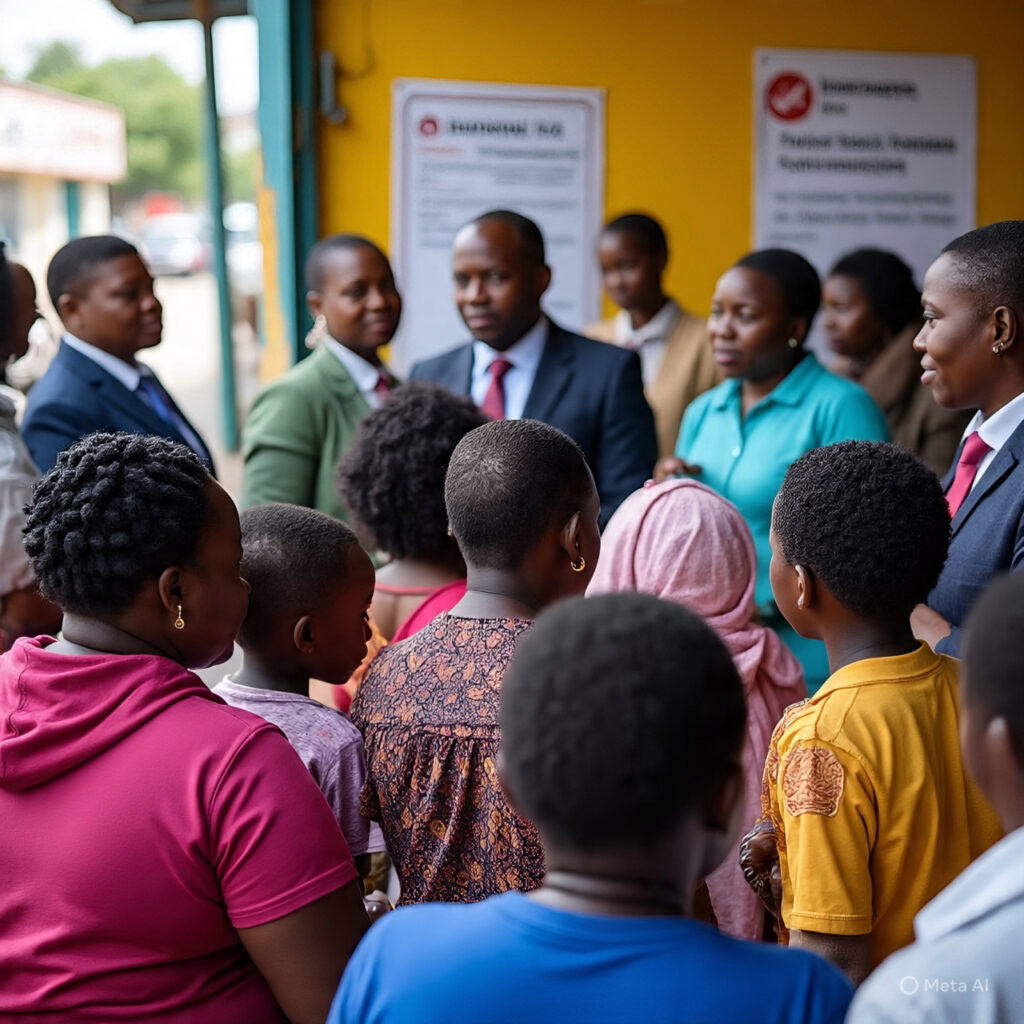
Enhancing Labor Migration Policies in South Africa to Protect Vulnerable Women and Children from Trafficking and Exploitation
Introduction: The Urgent Need for Policy Reform
South Africa is a significant destination for labor migrants in Africa, attracting thousands annually from neighboring countries. While migration offers economic opportunities, it also exposes women and children to heightened risks of trafficking and exploitation. A notable case in 2025 involved the conviction of seven Chinese nationals in Johannesburg for trafficking 91 undocumented Malawians, subjecting them to forced labor under inhumane conditions at a cotton fabric factory AP News.
Despite the adoption of the National Labour Migration Policy (NLMP) in 2021, which emphasizes a rights-based, gender-sensitive approach Department of Labour, significant gaps remain in protecting vulnerable migrants. This blog post examines these gaps and proposes actionable recommendations to enhance the protection of women and children within South Africa’s labor migration framework.
Policy Analysis: Gaps in the National Labour Migration Policy
1. Inadequate Screening and Identification Mechanisms
The NLMP outlines a commitment to combating trafficking, yet there is a lack of robust mechanisms for identifying and screening potential victims at entry points and workplaces. For instance, children rescued from forced labor in mining sectors have been detained and charged under immigration laws without proper trafficking assessments DOL.
2. Limited Access to Legal and Social Services
Migrants, particularly those without documentation, often face barriers to accessing legal aid, healthcare, and social services. This exclusion increases their vulnerability to exploitation and impedes their ability to seek redress.
3. Insufficient Data Collection and Research
There is a lack of comprehensive data on the scale and nature of trafficking and exploitation among migrant populations. Without accurate data, it is challenging to design effective interventions and allocate resources appropriately.
Empirical Evidence from South African Cities
Johannesburg and Pretoria
In urban centers like Johannesburg and Pretoria, migrants often find employment in sectors such as domestic work, agriculture, and construction. However, these sectors are notorious for labor abuses, including underpayment, long working hours, and lack of basic labor protections. Women and children, especially those without legal documentation, are disproportionately affected.
Rural Areas
In rural provinces, the absence of monitoring mechanisms allows exploitative practices to flourish unchecked. Migrants in these areas often work in informal settings, making them less visible to authorities and more susceptible to abuse.
Case Studies: Real-Life Experiences
Case 1: Anonymized Female Migrant Worker
A 28-year-old woman from Zimbabwe migrated to South Africa seeking employment. She was recruited under the promise of a well-paying job in domestic work. Upon arrival, her passport was confiscated, and she was subjected to 16-hour workdays without compensation. She managed to escape after several months and sought assistance from a local NGO.
Case 2: Anonymized Child Laborer
A 15-year-old boy from Mozambique was trafficked into South Africa and forced to work in a mining operation. He was detained by authorities for trespassing and contravening immigration laws, without any screening for trafficking indicators DOL.
Innovative Solutions: Successful Programs and Initiatives
1. Collaboration with NGOs
Partnerships between the government and non-governmental organizations have proven effective in providing services to vulnerable migrants. For example, NGOs have facilitated access to legal aid, healthcare, and safe housing for trafficking survivors.
2. Community Awareness Campaigns
Community-based initiatives aimed at raising awareness about the risks of trafficking and the rights of migrants have empowered local populations to identify and report cases of exploitation.
3. Training for Law Enforcement
Training programs for police and immigration officials on recognizing and responding to trafficking cases have led to improved identification and protection of victims.
Recommendations for Policy Enhancement
1. Implement Comprehensive Screening Protocols
Develop and enforce standardized procedures for identifying trafficking victims at border posts, workplaces, and detention centers. This includes training officials to recognize signs of trafficking and providing resources for victim support.
2. Ensure Access to Legal and Social Services
Guarantee that all migrants, regardless of their documentation status, have access to legal aid, healthcare, and social services. This can be achieved by establishing migrant-friendly service centers and providing training for service providers on migrant rights.
3. Strengthen Data Collection and Research
Invest in comprehensive data collection on migration patterns, trafficking incidents, and labor exploitation. This data should be used to inform policy decisions and resource allocation.
4. Enhance Public Awareness and Community Engagement
Launch nationwide campaigns to educate the public about the risks of trafficking and the importance of protecting vulnerable migrants. Engage community leaders and local organizations in these efforts to ensure widespread outreach.
5. Foster Regional Cooperation
Collaborate with neighboring countries to address cross-border trafficking and exploitation. This includes harmonizing policies, sharing information, and coordinating enforcement efforts.
Conclusion: A Call to Action
Protecting vulnerable women and children from trafficking and exploitation requires a multifaceted approach that includes policy reform, enhanced service provision, and community engagement. By implementing the recommendations outlined above, South Africa can strengthen its labor migration policies and ensure the safety and dignity of all migrants.
References
-
U.S. Department of State. (2025). 2025 Trafficking in Persons Report: South Africa. Retrieved from https://www.state.gov/reports/2025-trafficking-in-persons-report/south-africa
-
Department of Employment and Labour. (2021). National Labour Migration Policy. Retrieved from https://www.labour.gov.za/DocumentCenter/Publications/Public%20Employment%20services/National%20Labour%20Migration%20Policy%202021%202.pdf
-
U.S. Department of Labor. (2021). Child Labor in South Africa: Findings from the U.S. Department of Labor. Retrieved from https://www.dol.gov/agencies/ilab/resources/reports/child-labor/south-africa
-
U.S. Department of State. (2021). 2021 Trafficking in Persons Report: South Africa. Retrieved from https://www.state.gov/reports/2021-trafficking-in-persons-report/south-africa
-
U.S. Department of State. (2024). 2024 Trafficking in Persons Report: South Africa. Retrieved from https://www.state.gov/reports/2024-trafficking-in-persons-report/south-africa
-
U.S. Department of State. (2022). 2022 Trafficking in Persons Report: South Africa. Retrieved from https://www.state.gov/reports/2022-trafficking-in-persons-report/south-africa
-
U.S. Department of State. (2023). 2023 Trafficking in Persons Report: South Africa. Retrieved from https://www.state.gov/reports/2023-trafficking-in-persons-report/south-africa
-
U.S. Department of State. (2020). 2020 Trafficking in Persons Report: South Africa. Retrieved from https://www.state.gov/reports/2020-trafficking-in-persons-report/south-africa
-
U.S. Department of State. (2019). 2019 Trafficking in Persons Report: South Africa. Retrieved from https://www.state.gov/reports/2019-trafficking-in-persons-report/south-africa
-
U.S. Department of State. (2018). 2018 Trafficking in Persons Report: South Africa. Retrieved from https://www.state.gov/reports/2018-trafficking-in-persons-report/south-africa
-
U.S. Department of State. (2017). 2017 Trafficking in Persons Report: South Africa. Retrieved from https://www.state.gov/reports/2017-trafficking-in-persons-report/south-africa
-
U.S. Department of State. (2016). 2016 Trafficking in Persons Report: South Africa. Retrieved from [https://www.state.gov/reports/2016-trafficking-in-persons-report/south-africa](https://www.state.gov/reports/2016-trafficking-in-persons-report
Recent Posts:
- What are the obligations of South African employers when hiring cross-border migrant workers from SADC countries?
- How does South Africa’s asylum seeker permit system impact the ability of refugees to access formal employment?
- Undocumented Migrants in Agriculture & Mining: Human Rights at Risk in South Africa
- How Can Migrant Workers in South Africa Report Labour Exploitation and Abuse Without Fear of Deportation?
- What Legal Protections Exist for Foreign Workers in South Africa under the Labour Relations Act and Immigration Act?