
Migrant Domestic Workers
Introduction: Invisible Backbone, Unequal Protections
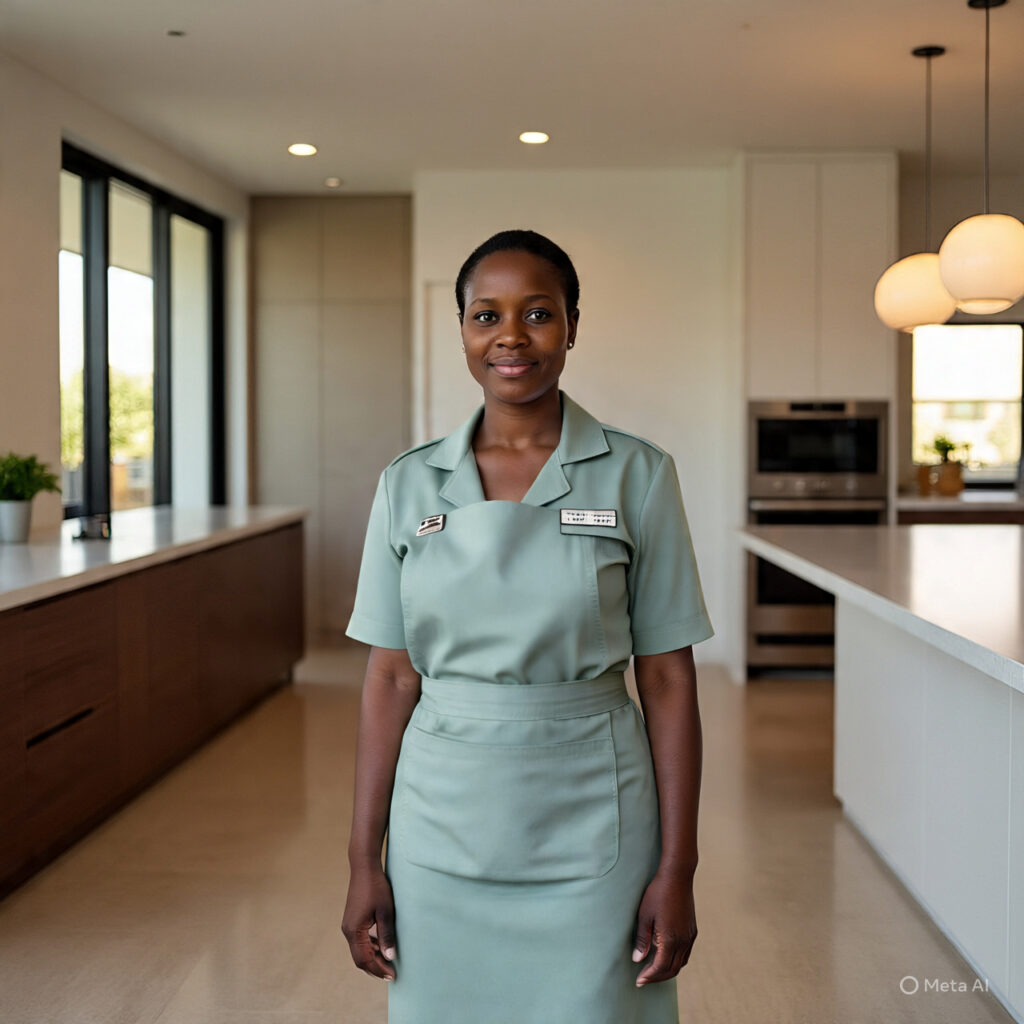
Migrant domestic workers are the quiet force behind South Africa’s urban households. They clean, cook, and care for children and the elderly. Yet their work often happens in private homes, hidden from public oversight and far from labour enforcement.
A 2025 SweepSouth report found that 39% of domestic workers earn below the national minimum wage, and many are foreign nationals from Zimbabwe, Malawi, and Mozambique. Most are women supporting families across borders. Despite clear legal rights, weak enforcement, fear of deportation, and lack of awareness leave them unprotected.
This post explores the rights migrant domestic workers hold, how these are enforced, where gaps persist, and what can be done to turn legal protections into lived realities.
Legal Framework: Rights on Paper
South Africa’s Constitution guarantees fair labour practices (Section 23), dignity (Section 10), equality (Section 9), and access to healthcare (Section 27). These rights apply to everyone—citizens and migrants alike.
Key Labour Protections
-
Basic Conditions of Employment Act (BCEA) and Sectoral Determination 7: set standards for working hours, leave, and minimum wage.
-
Labour Relations Act (LRA): covers unfair dismissals and collective bargaining.
-
Unemployment Insurance Act (UIA): requires UIF registration for anyone working more than 24 hours per month.
-
Compensation for Occupational Injuries and Diseases Act (COIDA): since 2020, includes domestic workers.
-
National Labour Migration Policy (2021): confirms equal treatment for migrant and local workers.
International Commitments
South Africa supports several ILO conventions on domestic work and migrant rights. Yet implementation lags, especially in private households where oversight is limited.
Enforcement: Rights in Theory, Gaps in Practice
1. Department of Employment and Labour (DEL)
DEL inspectors can fine non-compliant employers, but inspections are rare in private homes. Enforcement remains weak and complaint systems are underused.
2. Commission for Conciliation, Mediation and Arbitration (CCMA)
Migrant workers can report unfair dismissal or unpaid wages. However, undocumented workers often avoid the CCMA, fearing exposure to immigration authorities.
3. Unemployment Insurance Fund (UIF)
Employers must register domestic workers, but compliance is poor. Many workers contribute without ever receiving benefits.
4. Courts and the SA Human Rights Commission (SAHRC)
Courts have affirmed migrants’ right to healthcare and labour protection. In 2023, the Gauteng High Court ruled that pregnant women and children under six must receive free care, regardless of nationality.
5. Civil Society and NGOs
Groups like the Solidarity Center, WISE4Afrika, and Migrant Workers’ Association of South Africa provide legal aid and rights education. Their reach, however, is limited compared to the size of the sector.
Common Barriers and Inequalities
Despite progressive laws, many migrant domestic workers remain outside protection systems.
| Barrier | Effect | Who Is Most Affected |
|---|---|---|
| Underpayment | Nearly 40% earn below the legal wage. | Undocumented women, especially in urban centres. |
| No UIF or COIDA registration | Loss of benefits during illness or maternity leave. | Migrants working part-time for multiple employers. |
| Fear of reporting | Many stay silent to avoid deportation. | Undocumented workers and asylum seekers. |
| Healthcare discrimination | Some clinics demand ID before treatment. | Women migrants, pregnant workers, and children. |
| Poor awareness of rights | Lack of written contracts and pay slips. | New arrivals and non-English speakers. |
These barriers create a cycle of precarity, deepening gender and class inequality.
Case Snapshots: Everyday Realities
Maria, 28, Zimbabwean in Cape Town
She works six days a week for below-minimum pay. Her employer offers no contract or paid leave. After a workplace injury, she avoided public clinics, fearing arrest for being undocumented.
Thandi, 40, Refugee in Pretoria
She works part-time for three households. None registered her for UIF. During maternity leave, she received no benefits, forcing her to return to work early.
Aisha, 50, Malawian in Johannesburg
A live-in worker injured by a hot stove was denied compensation because her employer never registered with COIDA.
These stories reflect systemic patterns, not exceptions.
Health and Well-Being: The Overlooked Dimension
Domestic work exposes migrants to stress, long hours, chemicals, and physical strain. Limited healthcare access worsens risks of injury and chronic illness.
Studies in Gauteng and Eastern Cape (2023–2025) show that migrant workers often skip healthcare visits due to fear, language barriers, or clinic discrimination. Maternal and child health gaps are especially severe among undocumented mothers.
Emerging Good Practices
Despite these challenges, several promising initiatives show that progress is possible.
-
SweepSouth’s Annual Report highlights wage gaps and drives policy debate.
-
SAHRC health rights interventions have stopped clinics from denying care to migrants.
-
Community legal clinics in Cape Town and Johannesburg educate domestic workers on contracts and UIF registration.
-
Mobile health outreach by NGOs in informal settlements improves migrant access to screening and immunisation.
These examples show that collaboration between government, civil society, and employers can make rights real.
Policy Gaps and Needed Reforms
-
Limited enforcement in private homes: inspectors rarely visit.
-
Lack of safe reporting: workers fear deportation when seeking help.
-
Unequal social protection: migrants often excluded from UIF or maternity benefits.
-
Discrimination in health facilities: inconsistent policy implementation across provinces.
-
Weak coordination: between Labour, Home Affairs, and Health departments.
Actionable Recommendations
| Priority Action | Lead Actors | Timeline |
|---|---|---|
| Strengthen labour inspections for domestic workers. | Dept of Employment & Labour | 6–12 months |
| Guarantee healthcare access for all, regardless of documentation. | Dept of Health, SAHRC | Immediate |
| Create safe, anonymous complaint channels. | Labour Dept, NGOs | 6 months |
| Simplify UIF processes for part-time and multiple employers. | UIF & Parliament | 12–18 months |
| Expand awareness campaigns in multiple languages. | NGOs, worker unions | 6–12 months |
| Collect migration-specific data on domestic workers. | Statistics SA, academia | Ongoing |
Implementation should include non-punitive inspection models, collaboration with civil society, and strict monitoring of healthcare discrimination.
Conclusion: Turning Rights into Reality
Migrant domestic workers sustain South Africa’s homes but remain among its most vulnerable labour groups. The Constitution, BCEA, and health laws promise equality, yet enforcement fails the very people these laws are meant to protect.
Real change requires three shifts:
-
Practical enforcement through inspections and accessible complaint systems.
-
Inclusive health services that treat migrants with dignity.
-
Social protection expansion that includes all workers, regardless of documentation.
Protecting migrant domestic workers is not just a legal obligation—it is a public health and human rights priority. When the women who care for South Africa’s households are protected, healthier families and fairer communities follow.
Recent Posts: