Cape Town

Here are all the keywords related to this blog post: migration health, Zimbabwean migrants, South Africa healthcare, food security, remittances, WhatsApp groups, digital remittances, Mukuru, food insecurity, National Health Insurance, NHI Act 2024, undocumented migrants, asylum seekers, refugees, healthcare access, xenophobia, documentation barriers, nutrition, malnutrition, mental health, chronic diseases, urban agriculture, diaspora, cross-border remittances, informal settlements, Alexandra township, Khayelitsha, Delft, Hillbrow, Johannesburg, Cape Town, Durban, Zimbabwe economic crisis, COVID-19, pandemic impact, female migrants, gender vulnerability, policy reform, primary healthcare, mobile clinics, social protection, food vouchers, transaction costs, financial inclusion, urban food security, spaza shops, food deserts, remittance corridors, health policy, migration policy, Border Management Authority Act, public health, communicable diseases, tuberculosis, HIV/AIDS, maternal health, antenatal care, vaccine coverage, food remittances, grocery delivery, Malaicha, fintech, mobile money, employment precarity, domestic workers, informal economy, health disparities, health equity, vulnerable populations, integrated services, Scalabrini Centre, NGOs, civil society, community gardens, nutritional deficiencies, iron deficiency, anemia, obesity, ultra-processed foods, mental health crisis, anxiety, depression, chronic stress, remittance pressure, health outcomes, healthcare utilization, documentation status, legal status, asylum hearings, expired permits, healthcare gatekeeping, emergency services, late-stage disease, disease transmission, maternal mortality, antiretroviral treatment, immunization, food prices, hyperinflation, currency instability, El Niño drought, agricultural failure, economic hardship, income collapse, food price inflation, supply chain disruptions, lockdown restrictions, border closures, urban planning, food retail, township economies, mobile technology, digital platforms, WhatsApp Business, SMS notifications, bulk ordering, price comparisons, exchange rates, financial literacy, predatory lending, sustainable development, diaspora investment, economic stabilization, political instability, one-stop centers, legal assistance, nutrition counseling, employment assistance, community support groups, government-NGO partnerships, private sector collaboration, health monitoring, anti-xenophobia campaigns, medical education, cultural competence, patient advocacy, community health workers, policy evaluation, research gaps, longitudinal studies, health trajectories, participatory research, epidemiological data, health information systems, migration status, anonymity protection, intersectional vulnerabilities, age discrimination, language barriers, cultural beliefs, regional cooperation, Southern Africa, SADC, humanitarian response, crisis preparedness, pandemic preparedness, food relief programs, emergency assistance, constitutional rights, human rights, social cohesion, integration models, return migration

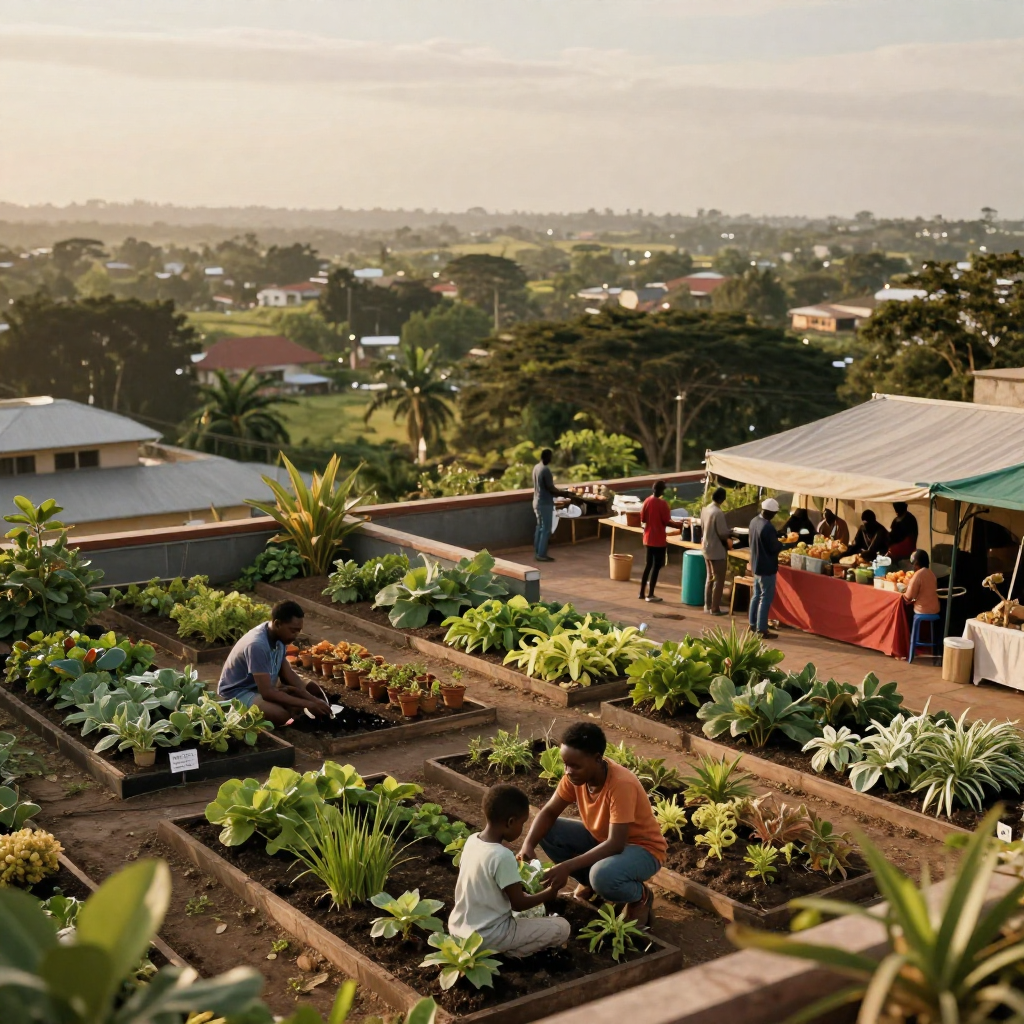
The WhatsApp Groups Feeding Harare: How the Diaspora Is Bankrolling Zimbabwe’s Urban Organic Food Movement

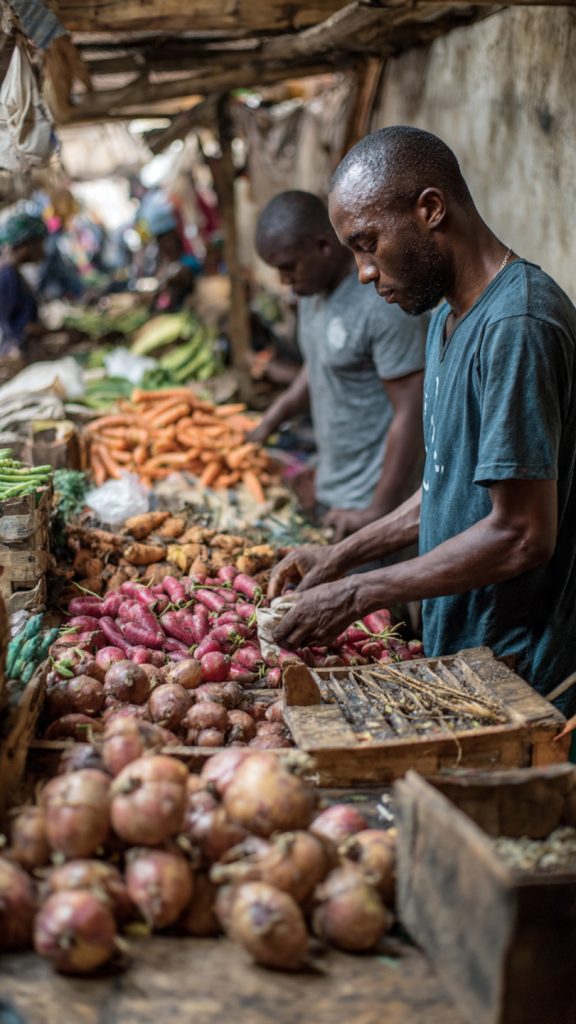
WhatsApp Remittances and Health: The Cost of Feeding Families Across Borders Money From Abroad, Vegetables at Home, and the Economics of Eating Clean A 32-year-old electrician from Harare never thought he would leave Zimbabwe. Nevertheless, economic collapse forced him out. Today, he lives in Cape Town’s informal settlements, working casual jobs. However, his WhatsApp notifications […]
The WhatsApp Groups Feeding Harare: How the Diaspora Is Bankrolling Zimbabwe’s Urban Organic Food Movement Read More »

Community Health Workers, CHWs, migrant health, public health access, South Africa, language barriers, cultural competency, trust-building, Ward-Based Primary Healthcare Outreach Teams, WBPHCOT, healthcare navigation, migrant communities, health equity, informal settlements, maternal health, child immunization, ART adherence, health literacy, interpreter services, peer health navigators, community forums, health policy, PHC re-engineering, NHI equity objectives, healthcare outreach, vulnerable populations, migrant-inclusive healthcare, supervision and training, health service managers, NGOs, culturally appropriate materials, evidence-based interventions, Gauteng, Johannesburg, Ekurhuleni, Eastern Cape, Cape Town, Limpopo, migrant rights, undocumented migrants, health disparities, universal health coverage, health system strengthening, community engagement, health outcomes, migrant trust, healthcare gaps, data-driven targeting, policy recommendations, ethical sensitivity, intersectional factors

Can Community Health Workers Bridge the Gap Between Migrant Populations and South Africa’s Public Health Services?

CHWs and Migrant Access to Public Health in South Africa Overcoming Language, Cultural, and Trust Barriers Opening: A Clinic Scene in Gauteng On a sweltering summer morning at a primary healthcare clinic in Gauteng, Amina arrives with her two young children. She has travelled from a nearby informal settlement where she works long hours cleaning

Can Community Health Workers Bridge the Gap Between Migrant Populations and South Africa’s Public Health Services? Read More »

South Africa, food security, non-citizens, migrants, refugees, asylum seekers, undocumented migrants, social assistance, social grants, food aid, humanitarian principles, human rights, constitutional rights, section 27, Khosa case, exclusion, policy gaps, public health, nutrition, malnutrition, child nutrition, gender, intersectionality, vulnerability, informal economy, urban migrants, Johannesburg, Cape Town, Durban, migrant households, social protection, community organizations, NGOs, urban agriculture, informal food trade, ethical implications, social cohesion, xenophobia, migration policy, government policy, social relief, SRD grant, food insecurity, dietary diversity, poverty, inequality, access to food, civil society, legal obligations, international law, human dignity, program implementation, policy reform, inclusive food systems, migrant resilience, emergency food relief, research gaps, evidence-based solutions, actionable recommendations.

What Are the Ethical and Policy Implications of Excluding Non-Citizens from Food Security Interventions in South Africa?

Excluding Non‑Citizens from Food Security in South Africa: Ethics and Policy Opening — A Case of Silent Hunger In late 2023, a family of Zimbabwean migrants living in a Johannesburg township reached out to a local NGO. The mother described how, after losing her informal‑sector job, her children went hungry for days because food parcels

What Are the Ethical and Policy Implications of Excluding Non-Citizens from Food Security Interventions in South Africa? Read More »

ChatGPT said: African migrants, South Africa, food security, migrant health, social networks, community organizations, ethnic associations, faith-based groups, mutual aid, migrant-led associations, informal food systems, food resilience, urban food access, dietary diversity, migrant households, undocumented migrants, food aid, social protection, community gardens, urban agriculture, agroecology, nutrition, chronic diseases, non-communicable diseases, public health, health outcomes, migrant vulnerability, Johannesburg, Cape Town, policy gaps, social cohesion, migrant inclusion, food-sharing networks, migrant solidarity, traditional foods, food sovereignty, migrant adaptation, gender and food security, migrant livelihoods, informal economy, health disparities, emergency food relief, community-led interventions, grassroots initiatives, health equity, nutrition education, cross-border migration, migration health policy, urban settlements, township food systems, psychosocial support, community resilience, sustainable food systems, local food production, migrant empowerment, migrant support networks.

How Do Social Networks and Community Organizations Mediate Food Access and Health Outcomes for African Migrants?

When networks become lifelines: a migrant household in Johannesburg In 2024, a family of Mozambican migrants living in a township near Johannesburg spoke with researchers about their weekly food situation. They reported surviving on “what the group can afford together.” Neither parent had stable employment. Instead, they pooled income and shared staples bought in bulk

How Do Social Networks and Community Organizations Mediate Food Access and Health Outcomes for African Migrants? Read More »

climate change, food security, African migrants, South Africa, urban food systems, migrant livelihoods, food system disruptions, vulnerability, adaptation strategies, food price volatility, urban agriculture, community gardens, informal settlements, migration health, social protection, food access, nutrition, gender dynamics, documentation status, intersectionality, Gauteng, Cape Town, Johannesburg, eThekwini, policy gaps, social safety nets, informal employment, climate resilience, food insecurity, staple crops, maize production, urban migration, migrant households, social capital, household welfare, food distribution, early warning systems, community-based interventions, NGOs, civil society, policy recommendations, sustainable development, health outcomes, malnutrition, mental health, livelihood strategies, government policy, municipal planning, empirical evidence, research gaps, equity, inclusion, social justice, adaptive programs, climate adaptation, disaster risk, urban poverty, food aid programs, livelihood diversification, emergency response, food availability, dietary diversity, nutrition security, low-income households, vulnerable populations, South African policy, migration policy, food price shocks, community solidarity, household coping strategies, informal sector workers, rural-urban migration, food accessibility, climate-driven shocks, urban resilience, early warning systems, urban planning.

What Is the Impact of Climate Change and Food System Disruptions on African Migrant Livelihoods and Food Security in South Africa?

Climate, Displacement and Hunger: Why Migrants in South Africa Are on the Frontline In 2023, a household survey in Gauteng found that migrant households in the region had markedly higher risk of food insecurity than native-born households — even after controlling for employment, household size, and other socioeconomic factors. Wiley Online LibraryAt the same time,

What Is the Impact of Climate Change and Food System Disruptions on African Migrant Livelihoods and Food Security in South Africa? Read More »

Somali migrants, food remittances, transnational food networks, South Africa, migrant health, diaspora food support, cultural dietary practices, informal trade, Johannesburg, Cape Town, Durban, Somali spaza shops, migrant livelihoods, refugee nutrition, remittance networks, cross-border food transfer, gender and migration, undocumented migrants, community warehouses, migrant entrepreneurship, nutrition security, chronic disease management, maternal and child health, diaspora logistics, migrant-inclusive policies, African migration, social cohesion, food security, informal supply chains, transnational households, migrant-led initiatives, diaspora support programs, Somali diaspora South Africa, public health, migration policy, cultural identity, dietary remittances, migrant economic inclusion

Food Remittance Systems: How Somali Migrants Navigate Transnational Food Networks in South Africa

Transnational Food Networks Among Somali Migrants in South Africa Opening: Food, Distance, and Survival In a small grocery shop in Mayfair, Johannesburg, 28-year-old Hawa carefully packs a crate of basmati rice, powdered milk, dates, and infant formula. These items are not meant for her household—they are intended for her mother and younger siblings in Hargeisa.

Food Remittance Systems: How Somali Migrants Navigate Transnational Food Networks in South Africa Read More »

Zimbabwean migrants, South Africa, post-pandemic employment, job-seeking strategies, economic insecurity, informal work, casual labour, self-employment, migrant livelihoods, labour market, unemployment, documentation status, gender disparities, age factors, urban migration, Johannesburg, Cape Town, Gauteng, Western Cape, migrant entrepreneurship, micro-enterprises, informal economy, social protection, labour rights, migrant vulnerability, skill recognition, migrant support programs, peer mentorship, migration health, public health, policy gaps, intersectionality, economic adaptation, survival strategies, gig economy, day-labour, cross-border trade, labour market integration, pandemic impact, remittances, migrant resilience.

How Has Economic Insecurity in South Africa Changed Zimbabwean Migrants’ Job-Seeking Strategies Post-Pandemic?

Economic Insecurity and Migrant Job-Seeking in South Africa Opening: Stories and Statistics That Set the Scene In the early morning light of a township in Johannesburg, 29‑year‑old “Grace” (name changed) checks her cell phone yet again. She left Harare in 2019, hopeful of earning enough in South Africa to send money home. She initially found

How Has Economic Insecurity in South Africa Changed Zimbabwean Migrants’ Job-Seeking Strategies Post-Pandemic? Read More »

South Africa, deportation policies, migrant workers, human rights, asylum seekers, undocumented migrants, refugee protection, non-refoulement, National Labour Migration Policy, healthcare access, social services, employment rights, xenophobia, public health, migration health, migrant families, labor migration, social protection, legal framework, detention, policy gaps, migrant health forums, community-based health programs, regional health screening, inclusive policies, labor exploitation, cross-border health, maternal health, mental health, communicable diseases, non-communicable diseases, human rights violations, advocacy, civil society, policy reform, immigration law, labor quotas, health disparities, South African cities, Johannesburg, Cape Town, Hillbrow, Scalabrini Centre, Lawyers for Human Rights, ILO standards, Health Systems Trust, government policy, NGO initiatives, migrant integration, ethical sensitivity, intersectionality, gender, age, nationality, documentation status, actionable recommendations, policy implementation, migration governance, social equity, healthcare equity, public awareness campaigns, health outcomes, evidence-based solutions, regional collaboration.

How do deportation policies in South Africa impact the human rights of migrant workers and their families?

Deportation Policies in South Africa: Implications for Migrant Workers and Their Families Introduction: The Human Cost of Deportation Policies Between November 2023 and early 2024, South Africa witnessed a troubling trend. Police unlawfully arrested asylum seekers at Refugee Reception Offices across the country. Many of these individuals faced detention and deportation without full access to

How do deportation policies in South Africa impact the human rights of migrant workers and their families? Read More »

Migrant workers, South Africa, labour exploitation, labour abuse, safe reporting, undocumented migrants, labour rights, worker protection, deportation risk, Basic Conditions of Employment Act, Labour Relations Act, National Labour Migration Policy, NGOs, MIWUSA, Izwi Domestic Worker Alliance, Lawyers for Human Rights, Impimpa hotline, labour inspectorate, human rights, workplace safety, wage theft, informal sector, domestic workers, factory workers, hospitality workers, migrant helpdesk, legal aid, civil society, peer support, gender-based abuse, social protection, immigration enforcement, safe reporting channels, urban migrant communities, Rustenburg, Johannesburg, Pretoria, Cape Town, case studies, policy gaps, public health, worker unions, legal literacy, implementation roadmap, non-citizen workers, safe disclosure, workplace compliance, ethical sensitivity, reporting mechanisms, employment law, migrant advocacy, community-based support, employment inspections, undocumented worker protection, worker empowerment, NLMP implementation, workplace harassment, minimum wage compliance, occupational health and safety, migration health, migration policy, labour rights awareness, labour complaint mechanisms, employer accountability, protective legislation, safe reporting protocols, employment dispute resolution, worker safety, government oversight, policy recommendations.

How Can Migrant Workers in South Africa Report Labour Exploitation and Abuse Without Fear of Deportation?

Reporting Labour Exploitation by Migrants in South Africa Without Fear of Deportation Opening: The Urgent Reality Between 2023 and 2025, joint inspections by the Department of Employment and Labour (DEL) in South Africa exposed numerous undocumented migrant workers in exploitative conditions. They worked long hours, received low pay, and often had no contracts or safety

How Can Migrant Workers in South Africa Report Labour Exploitation and Abuse Without Fear of Deportation? Read More »

Angola, South Africa, post-conflict migration, post-apartheid immigration, migration health policy, refugee health, asylum seekers, undocumented migrants, healthcare access, health equity, constitutional rights, humanitarian assistance, SADC, Southern African Development Community, cross-border migration, regional cooperation, xenophobia, discrimination, documentation status, health systems, universal health coverage, National Health Insurance, community health workers, migrant-sensitive care, cultural competency, multilingual services, tuberculosis, diabetes, maternal health, reproductive health, mental health, chronic diseases, emergency care, preventive care, Johannesburg, Cape Town, Durban, Luanda, Lunda Norte, Lóvua settlement, UNHCR, humanitarian organizations, parallel health systems, integration challenges, service delivery, health information systems, telemedicine, mobile health, implementation gaps, policy analysis, evidence-based recommendations, vulnerable populations, health rights, public health, migration governance, bilateral agreements, diaspora engagement, capacity building, resource allocation, cost-effectiveness, anti-discrimination training, language barriers, referral systems, quality improvement, professional development, research gaps, ethical considerations, participatory research, health outcomes, treatment adherence, emergency departments, public clinics, health facilities, border management, legal frameworks, policy implementation, stakeholder engagement, community partnerships, innovation solutions, technology integration, intersectional factors, gender dimensions, age-related factors, elderly migrants, children migrants, family planning, immunizations, nutrition support, developmental care, chronic disease management, care coordination, health monitoring, surveillance systems, professional qualification recognition, South-South cooperation, technical assistance, funding strategies, implementation science, health equity principles, vulnerable population protection, community consent, resource constraints, political commitment, regional stability, sustainable development

How Do Angola’s Post-Conflict Migration Policies Compare to South Africa’s Post-Apartheid Immigration Framework?

 Migration Policies in Angola and SouthAfrica Opening: Two Nations, Two Legacies, One Challenge Maria, a 34-year-old Congolese refugee, crossed into Angola’s Lunda Norte province in 2018 with her three children. Today, she lives in the Lóvua settlement among 21,000 people who continue to require assistance to meet their basic needs. Meanwhile, Tendai, an undocumented Zimbabwean

How Do Angola’s Post-Conflict Migration Policies Compare to South Africa’s Post-Apartheid Immigration Framework? Read More »