African Migration Management Systems

Malawian migrants, Limpopo, South Africa, health-seeking behavior, traditional medicine, biomedical healthcare, dual healthcare utilization, migrant health, access to healthcare, cultural beliefs, traditional healers, public clinics, maternal health, chronic illness, infectious disease, TB, HIV, malaria, community health workers, mobile health units, healthcare policy, National Health Act, Traditional Health Practitioners Act, undocumented migrants, language barriers, xenophobia, health disparities, integration of traditional medicine, culturally sensitive care, NGO interventions, healthcare outreach, migrant communities, healthcare access barriers, intersectional factors, gender and health, age and health, healthcare programs, evidence-based interventions, migrant health outcomes, South African health policy, health education, mobile clinics, referral systems, digital health solutions, sustainable healthcare models, community-based care, ethical healthcare, patient-centered care, dual treatment approaches, health policy gaps, migrant-focused programs.

Traditional Medicine Practices vs. Biomedical Healthcare: Health-Seeking Patterns of Malawian Migrants in Limpopo

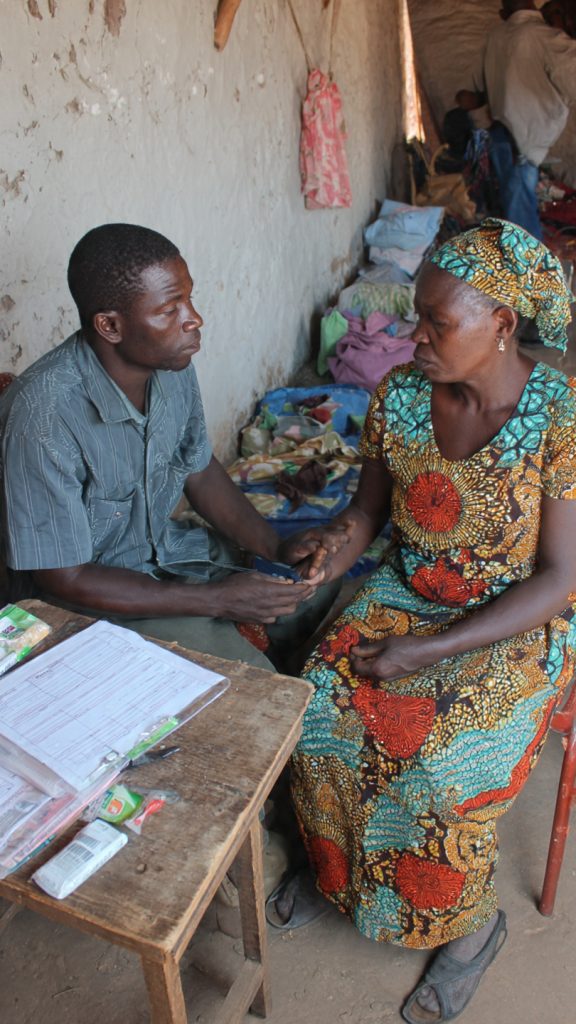
Traditional Medicine vs. Biomedical Healthcare: Health-Seeking Patterns of Malawian Migrants in Limpopo Understanding the Health-Seeking Landscape Malawian migrants in Limpopo navigate complex healthcare options. For instance, a 2023 survey found that over 60% rely on traditional healers annually, while 45% access public clinics. Consequently, migrants often alternate between systems depending on illness severity and accessibility. […]

Traditional Medicine Practices vs. Biomedical Healthcare: Health-Seeking Patterns of Malawian Migrants in Limpopo Read More »

Mental health, East African migrants, Durban, migrant health, help-seeking behavior, mental health challenges, refugees, asylum seekers, trauma, anxiety, depression, psychosocial support, community health workers, migrant-friendly services, cultural competency, language barriers, xenophobia, gender-based violence, documentation status, South Africa health policy, National Mental Health Policy, public health, NGO programs, faith-based support, trauma-informed care, migrant rights, social support networks, mental health access, mental health services, migrant women, youth migrants, undocumented migrants, COVID-19 impact, mobile clinics, tele-mental health, inter-sectoral collaboration, migrant community initiatives

Mental Health Challenges and Help-Seeking Behaviors Among East African Migrants in Durban

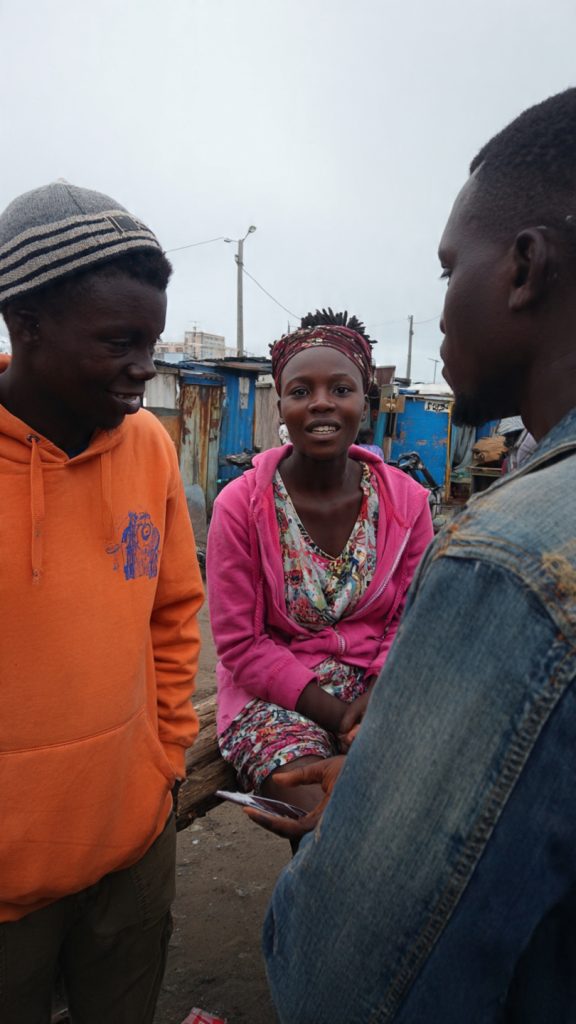
Durban East African Migrants: Mental Health and Support Access Introduction: A Crisis Hidden in Everyday Life Every morning, the Durban Inner City Clinic sees long queues of migrant workers seeking help. Many come from Somalia, Ethiopia, Eritrea, and South Sudan. Most wait quietly, but behind the calm lie stories of trauma, displacement, economic stress, and

Mental Health Challenges and Help-Seeking Behaviors Among East African Migrants in Durban Read More »

healthcare access for migrants South Africa, migrant healthcare barriers, South African public health system, universal health coverage South Africa, NHI and migrants, healthcare policy for non-citizens, xenophobia in healthcare, migrant rights South Africa, access to clinics for migrants, public hospitals South Africa migrants, policy gaps in migrant healthcare, undocumented migrants healthcare, refugee health South Africa, asylum seeker healthcare South Africa, health policy analysis South Africa, migrant health outcomes, healthcare discrimination South Africa, health system challenges South Africa migrants, migrant-inclusive health policies, SADC migrants healthcare, cross-border health access, human rights in healthcare South Africa, healthcare access challenges, migrant health research South Africa, public health policy reform South Africa

Food Security and Coping Strategies Among Congolese Refugee Households in Cape Town

Food Security Challenges Facing Congolese Refugee Households in Cape Town A Crisis Hidden in Plain Sight Marie*, a 34-year-old mother of three, counts coins on a small kitchen table in Athlone. She fled North Kivu in 2019 seeking safety, yet today her family survives on just ZAR 800 a month — an amount that barely

Food Security and Coping Strategies Among Congolese Refugee Households in Cape Town Read More »

Musina transit camps, female migrants, gender-based violence, GBV prevention, migrant women safety, South Africa migration, refugee protection, asylum seekers, GBV shelters, psychosocial support, trauma-informed care, migrant health services, safe spaces for women, migrant vulnerabilities, humanitarian response, NGO interventions, community mobilization, male engagement programs, cash-based interventions, vocational training for migrants, multilingual support services, child protection, Musina GBV coordination, migrant rights, xenophobia, undocumented migrants, Musina Showgrounds, Matsaung Shelter, policy recommendations, South Africa GBVF plan, evidence-based strategies, migration health, SADC migrants, gender norms, survivor-centered care, health policy, human rights, migrant empowerment, mental health support, Musina border town, IOM Musina assessment, UNHCR GBV programs, One Man Can campaign

What Gender-Based Violence Prevention Strategies Are Needed for Female Migrants in Musina Transit Camps?

Preventing Gender-Based Violence in Musina Transit Camps: Strategies for Female Migrants The Risk Landscape in Musina Musina, a small town at South Africa’s northern border, serves as a critical transit point for migrants from Zimbabwe, the DRC, and other SADC countries. While the town promises refuge, it exposes women and girls to high risks of

What Gender-Based Violence Prevention Strategies Are Needed for Female Migrants in Musina Transit Camps? Read More »

Hillbrow, overcrowding, migrant health, SADC migrants, disease transmission, tuberculosis, HIV, respiratory infections, gastrointestinal infections, inner-city Johannesburg, urban health, housing conditions, public health, migration health, undocumented migrants, asylum seekers, healthcare access, National Health Insurance, NHI, City of Johannesburg, healthcare policy, health disparities, maternal health, adolescent health, syndemic, MSF, Wits Reproductive Health and HIV Institute, community health programs, health interventions, urban poverty, high-density housing, sanitation, xenophobia, health inequities, peer-led outreach, public clinics, epidemiology, South Africa, health policy recommendations, inner-city housing, social determinants of health, health surveillance, migrant vulnerabilities, housing policy, healthcare barriers, HIV-TB co-infection, health system strengthening, evidence-based interventions, integrated care, urban migration, migrant communities, health equity, risk factors, case studies, policy gaps, Johannesburg inner city.

How Do Overcrowded Living Conditions in Hillbrow Affect Disease Transmission Among Migrant Communities from SADC Countries?

Overcrowding and Disease Transmission Among SADC Migrants in Hillbrow Opening: A Dense Reality with High Stakes Hillbrow, Johannesburg’s inner-city, is a microcosm of density, diversity—and vulnerability. Once a well-maintained apartment district, decades of neglect, high migration, and poverty have transformed parts of Hillbrow into overcrowded, under-serviced high-rises. Wikipedia+1 Research shows that more than half of

How Do Overcrowded Living Conditions in Hillbrow Affect Disease Transmission Among Migrant Communities from SADC Countries? Read More »

mobile money, migration flows, Johannesburg, Harare, cross-border remittances, Zimbabwean migrants, South Africa, migration health, digital remittances, mobile wallets, Mukuru, MamaMoney, HelloPaisa, undocumented migrants, circular migration, migration statistics, remittance data, migration patterns, public health planning, SADC migration, migration research, migrant livelihoods, health policy, data-driven migration, migration monitoring, migration policy, FinTech, remittance behavior, gender and migration, age and migration, digital finance, migration corridors, migration trends, real-time migration data, ethical data use, migration health interventions, social protection, migration services, mobile money analytics

Can Mobile Money Transfer Data Predict Migration Flows Between Johannesburg and Harare More Accurately Than Official Statistics?

Mobile Money as a Migration Indicator: Johannesburg–Harare Opening: A Window into Invisible MobilityEvery month, hundreds of millions of rands cross borders—not through buses or airplanes —but via mobile wallets and FinTech platforms. For example, according to FinMark, Zimbabweans in Johannesburg are estimated to remit between R57 million and R63 million monthly back to Harare. FinMark Trust Yet in

Can Mobile Money Transfer Data Predict Migration Flows Between Johannesburg and Harare More Accurately Than Official Statistics? Read More »

South African mines, Mozambique, migrant workers, remittance flows, economic recession, mining sector downturn, cross-border migration, SADC migration, household income, financial inclusion, informal remittance channels, formal remittance channels, gender vulnerability, age factors, documentation status, migrant health, occupational health, COVID-19 impact, return migration, wage reduction, economic shocks, social protection, livelihood security, migration policy, bilateral agreements, cross-border remittances, currency exchange risk, mining employment, Mozambican households, regional development, remittance decline, health outcomes, migration corridors, financial remittances, digital remittance solutions, remittance costs, economic vulnerability, vulnerable populations, intersectional analysis, mining job loss, policy recommendations, migration health research, South Africa-Mozambique corridor, SADC remittance trends, household resilience, nutrition and health, transnational livelihoods.

How Do Remittance Flows from South African Mines to Mozambique Change During Economic Recessions?

Remittance Flows from South African Mines to Mozambique during Economic Downturns Migrant labour from Mozambique to South African mines has a long history. Mozambique remains among the top suppliers of migrant labour to South Africa . Many migrant miners send remittances back home, supporting households, livelihoods, and health expenditures. When South Africa’s mining sector faces

How Do Remittance Flows from South African Mines to Mozambique Change During Economic Recessions? Read More »

return migration, South Africa, Lesotho, Eswatini, labour shortages, migrant workers, SADC migration, cross-border labour, low-skilled labour, domestic work, agriculture sector, mining sector, construction sector, health workforce, public services, seasonal labour, informal work, migration policy, labour migration policy, occupational health, migrant reintegration, gender and labour, youth employment, skills mismatch, workforce planning, migration health, migrant vulnerabilities, undocumented workers, SADC labour market, returnee employment, sectoral labour gaps, labour supply, policy recommendations, employment trends, COVID-19 impact on migration, regional migration, labour market intelligence

What Sectors Are Experiencing Labor Shortages Due to Return Migration from South Africa to Lesotho and Eswatini?

When Our Neighbours Stop Coming: Return Migration and Sectoral Labour Gaps in South Africa Opening: A Startling Case and the Context In early 2021, during South Africa’s Covid‑19 lockdown, around 100,000 labour migrants returned from South Africa to Lesotho. Many had worked in low‑skilled sectors such as domestic work, construction, mining, and agriculture (lesotho.un.org). Of

What Sectors Are Experiencing Labor Shortages Due to Return Migration from South Africa to Lesotho and Eswatini? Read More »

Zimbabwean migrants, South Africa, post-pandemic employment, job-seeking strategies, economic insecurity, informal work, casual labour, self-employment, migrant livelihoods, labour market, unemployment, documentation status, gender disparities, age factors, urban migration, Johannesburg, Cape Town, Gauteng, Western Cape, migrant entrepreneurship, micro-enterprises, informal economy, social protection, labour rights, migrant vulnerability, skill recognition, migrant support programs, peer mentorship, migration health, public health, policy gaps, intersectionality, economic adaptation, survival strategies, gig economy, day-labour, cross-border trade, labour market integration, pandemic impact, remittances, migrant resilience.

How Has Economic Insecurity in South Africa Changed Zimbabwean Migrants’ Job-Seeking Strategies Post-Pandemic?

Economic Insecurity and Migrant Job-Seeking in South Africa Opening: Stories and Statistics That Set the Scene In the early morning light of a township in Johannesburg, 29‑year‑old “Grace” (name changed) checks her cell phone yet again. She left Harare in 2019, hopeful of earning enough in South Africa to send money home. She initially found

How Has Economic Insecurity in South Africa Changed Zimbabwean Migrants’ Job-Seeking Strategies Post-Pandemic? Read More »

Beitbridge border restrictions, SADC migration, North-South Corridor, regional migration patterns, cross-border trade, informal trade, migrant labour, Zimbabwe-South Africa border, border delays, economic impacts, remittances, labour shortages, migrant health, HIV care, TB treatment, mobile health outreach, micro-traders, seasonal labour migration, border management, migration policy, public health, informal economy, migrant vulnerabilities, gender-sensitive migration, labour mobility, regional integration, border control, undocumented migrants, health systems, cross-border corridors, SADC regional economy, trade facilitation, e-permits, migrant worker rights, migration data, health-migration integration, economic inclusion, corridor efficiency.

What Are the Long-Term Economic Effects of Beitbridge Border Restrictions on SADC Regional Migration Patterns?

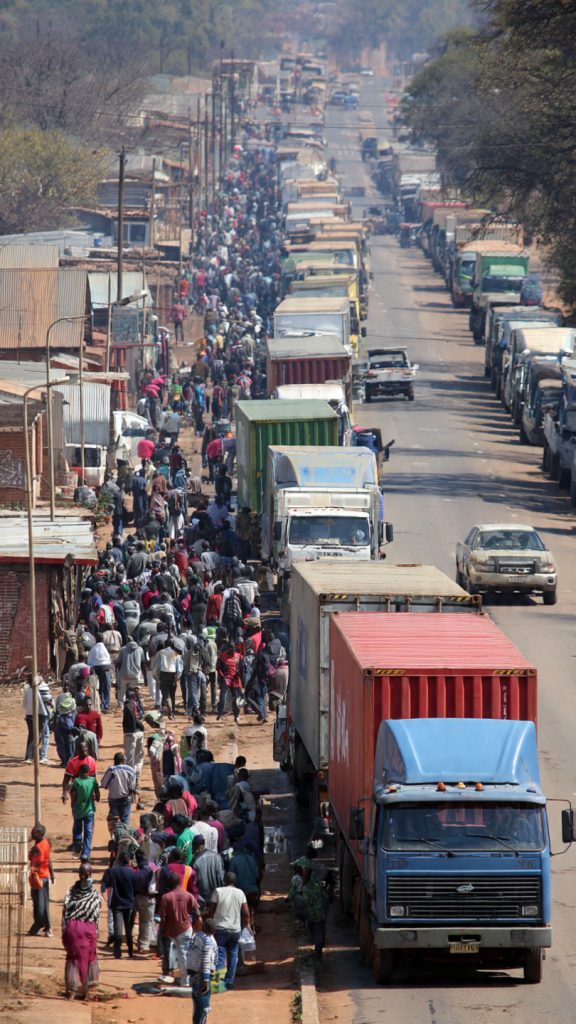
Long-Term Economic Effects of Beitbridge Border Restrictions on SADC Regional Migration Patterns Opening: Beitbridge – A Border Under Strain On 22 December 2021, the Southern African Development Community (SADC) reported that delays at five key border posts along the North-South Corridor—including the Beitbridge Border Post between Zimbabwe and South Africa—cost regional economies roughly R5 billion (US $330 million)

What Are the Long-Term Economic Effects of Beitbridge Border Restrictions on SADC Regional Migration Patterns? Read More »