
Food Security Challenges Facing Congolese Refugee Households in Cape Town
A Crisis Hidden in Plain Sight
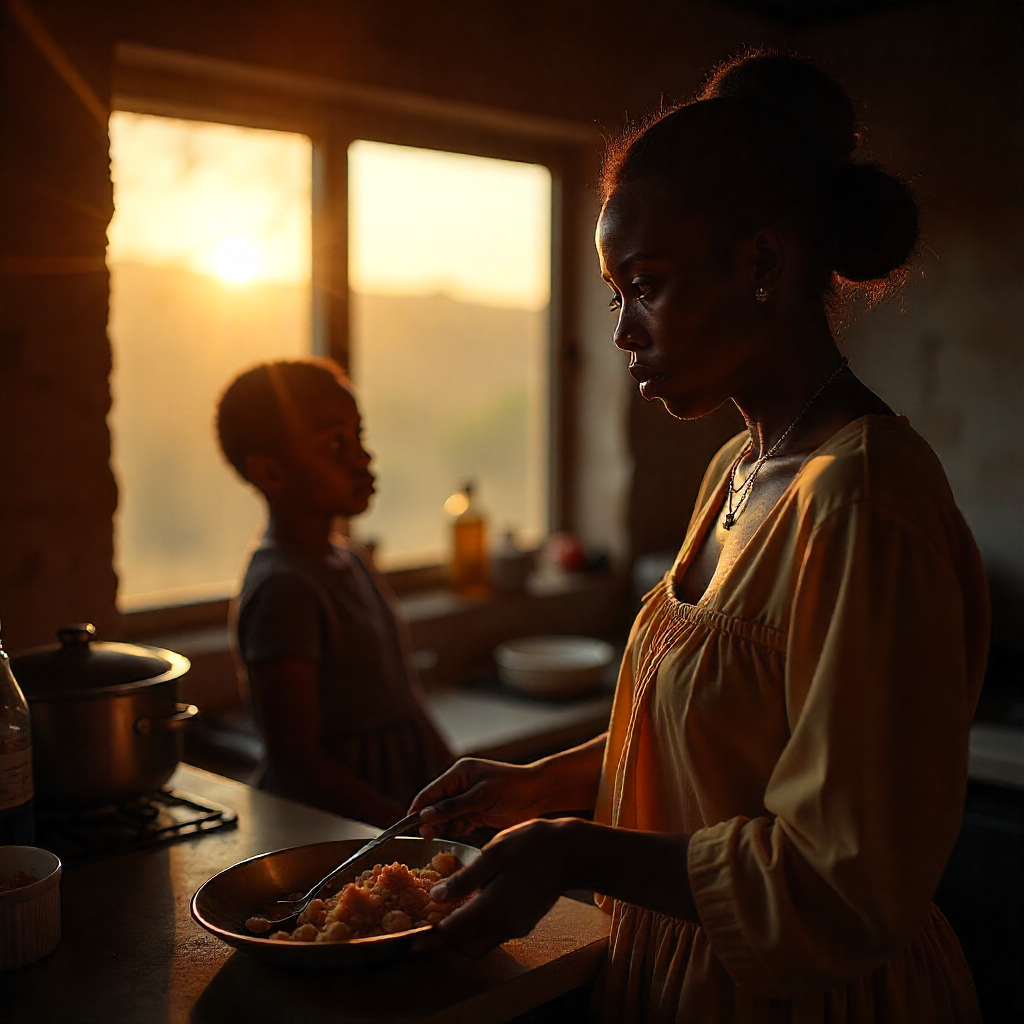
Marie*, a 34-year-old mother of three, counts coins on a small kitchen table in Athlone. She fled North Kivu in 2019 seeking safety, yet today her family survives on just ZAR 800 a month — an amount that barely covers rent, let alone food. Consequently, her children often eat only one meal a day: pap with a thin tomato gravy bought from a street vendor.
Marie’s experience reflects the reality of 92% of refugee women in South Africa who live below the poverty line. Yet, food insecurity among African refugees — particularly Congolese families — remains overlooked despite growing displacement from the Democratic Republic of Congo (DRC).
By September 2025, the DRC had 8.2 million internally displaced people, while South Africa hosted over 250,000 refugees and asylum seekers, mostly from the DRC, Burundi, Somalia, and Zimbabwe. Because most refugees live in urban areas rather than camps, understanding urban food insecurity in cities like Cape Town is essential for shaping targeted policy responses.
*Name changed for protection.
Understanding the Roots of Food Insecurity
1. Limited Income and High Living Costs
Most Congolese refugee households rely on informal work, which is often unstable and underpaid. As a result:
-
Income rarely meets the rising cost of living in Cape Town.
-
Families prioritize rent over food, leading to skipped meals and poor nutrition.
-
Access to social protection is extremely limited.
Furthermore, restrictions on asylum documentation and work permits make it even harder for refugees to secure formal employment.
2. Loss of Traditional Food Systems
Transitioning into life in South Africa disrupts established Congolese food practices. Traditional staples such as cassava, plantains, and specific leafy greens are either expensive or unavailable. Consequently, many households shift to cheaper but nutritionally limited diets, which contributes to malnutrition.
3. Barriers to Food Assistance
Although some NGOs offer food parcels or vouchers, several obstacles persist:
-
Assistance is inconsistent and often insufficient
-
Many refugees lack information on available services
-
Documentation challenges exclude some families from humanitarian support
In addition, food aid programmes tend to prioritise citizens, which leaves urban refugees in a vulnerable gap.
Coping Strategies Among Congolese Refugee Families
1. Reducing Meal Frequency
Many households reduce from three meals to one meal per day, especially during the last week of the month.
2. Buying Cheap Street Food
Instead of cooking at home, some families purchase inexpensive ready-made meals. Although this reduces electricity and cooking costs, these foods are often low in nutritional value.
3. Borrowing Food or Money
Informal borrowing systems exist within refugee communities. While helpful, they can also lead to debt cycles and create social pressure.
4. Social Networks and Community Support
Refugee-led churches, Congolese community associations, and informal women’s groups often support vulnerable households. These networks provide shared meals, childcare, and occasionally emergency food contributions.
Health and Nutrition Implications
Food insecurity does more than increase hunger — it directly affects health:
-
Malnutrition, especially in children
-
Increased vulnerability to infectious diseases, including TB
-
Higher levels of stress, depression, and anxiety
-
Poor maternal health outcomes
Moreover, inadequate nutrition exacerbates chronic conditions and undermines recovery for people living with HIV.
Policy Gaps and Recommendations
1. Strengthen Access to Social Protection
While South Africa’s laws do not exclude refugees from social grants, in practice documentation barriers make access nearly impossible. Streamlining Home Affairs processes would reduce these barriers significantly.
2. Expand Support for Urban Refugees
Food assistance programmes should explicitly include urban refugees. NGOs and government agencies must improve outreach, coordination, and transparency around eligibility.
3. Support Refugee-Led Initiatives
Community-based organisations already play a crucial role. With small grants or technical partnerships, they could scale their meal programmes, women’s savings groups, and gardens.
4. Promote Livelihood and Skills Programmes
Increasing access to vocational training and enterprise development can help refugee households build sustainable income sources.
Conclusion
Food insecurity among Congolese refugees in Cape Town is a critical yet often invisible crisis. With rising displacement and limited social assistance, many refugee families survive on minimal resources, compromising their health and dignity. Ultimately, addressing food insecurity requires coordinated action from government, NGOs, and refugee-led organisations. By strengthening livelihoods, improving social protection, and engaging directly with affected communities, stakeholders can ensure that refugee families are not left behind in South Africa’s urban landscape.
Recent Posts:
- Healthcare Access Barriers for Undocumented African Migrants in Gauteng Province: A Public Health Analysis
- Nutritional Transitions Among Zimbabwean Migrants in Johannesburg: From Traditional Diets to Urban Food Systems
- What Gender-Based Violence Prevention Strategies Are Needed for Female Migrants in Musina Transit Camps?
- How Do Overcrowded Living Conditions in Hillbrow Affect Disease Transmission Among Migrant Communities from SADC Countries?
- What Alternative Data Sources Can Track Real-Time Migration Movements Across the South Africa-Mozambique Corridor?