urban poverty

labor migration, Southern Africa, kapenta, dried fish trade, Lake Kariba, informal food systems, food security, nutrition security, migrant health, public health, urban health, cross-border trade, informal economy, migrant diets, affordable protein, food systems, migration and health, migration policy, health policy, National Health Insurance South Africa, primary health care access, undocumented migrants, healthcare access barriers, xenophobia, gender and migration, women traders, intersectionality, occupational health risks, food safety, environmental health, informal markets, spaza shops, street vendors, Johannesburg inner city, Cape Town townships, eThekwini informal trade, Gqeberha markets, urban poverty, social networks, remittances and food, circular migration, Southern African Development Community (SADC), regional food systems, NGO interventions, community-led health programs, mobile clinics, policy gaps, governance silos, migrant-inclusive policies, nutrition policy, urban food governance, livelihoods, resilience, public health equity

The Kapenta Trail: How Labor Migration Created Southern Africa’s Most Unlikely Food Network

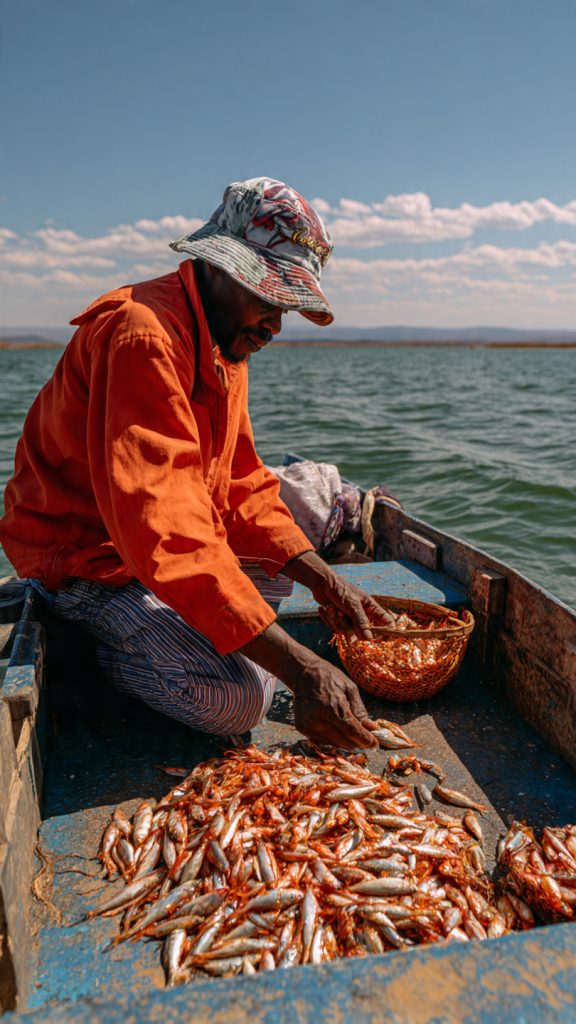
Migration on the Menu: Kapenta, Food, and Health Following fish, families, and farming knowledge from Lake Kariba to the Cape Opening: A Fish That Travels Further Than People In 2023, dried kapenta from Lake Kariba appeared in informal markets across Johannesburg, Cape Town, and Gqeberha. Alongside mielie meal and tomatoes, traders sold it to low-income […]
The Kapenta Trail: How Labor Migration Created Southern Africa’s Most Unlikely Food Network Read More »

climate change, food security, African migrants, South Africa, urban food systems, migrant livelihoods, food system disruptions, vulnerability, adaptation strategies, food price volatility, urban agriculture, community gardens, informal settlements, migration health, social protection, food access, nutrition, gender dynamics, documentation status, intersectionality, Gauteng, Cape Town, Johannesburg, eThekwini, policy gaps, social safety nets, informal employment, climate resilience, food insecurity, staple crops, maize production, urban migration, migrant households, social capital, household welfare, food distribution, early warning systems, community-based interventions, NGOs, civil society, policy recommendations, sustainable development, health outcomes, malnutrition, mental health, livelihood strategies, government policy, municipal planning, empirical evidence, research gaps, equity, inclusion, social justice, adaptive programs, climate adaptation, disaster risk, urban poverty, food aid programs, livelihood diversification, emergency response, food availability, dietary diversity, nutrition security, low-income households, vulnerable populations, South African policy, migration policy, food price shocks, community solidarity, household coping strategies, informal sector workers, rural-urban migration, food accessibility, climate-driven shocks, urban resilience, early warning systems, urban planning.

What Is the Impact of Climate Change and Food System Disruptions on African Migrant Livelihoods and Food Security in South Africa?

Climate, Displacement and Hunger: Why Migrants in South Africa Are on the Frontline In 2023, a household survey in Gauteng found that migrant households in the region had markedly higher risk of food insecurity than native-born households — even after controlling for employment, household size, and other socioeconomic factors. Wiley Online LibraryAt the same time,

What Is the Impact of Climate Change and Food System Disruptions on African Migrant Livelihoods and Food Security in South Africa? Read More »

xenophobia South Africa, African migrant food vendors, informal economy, urban food security, migrant livelihoods, Johannesburg street vendors, Cape Town informal markets, Durban food vendors, economic exclusion, violence against migrants, displacement, migrant resilience strategies, gendered vulnerabilities, undocumented migrants, policy gaps, social protection, informal trading regulations, hate crimes, food access, urban poverty, migrant cooperatives, community support networks, inclusive market infrastructure, migrant entrepreneurship, informal food sector, municipal licensing, emergency relief for vendors, livelihood shocks, remittances, informal sector inclusion, migrant empowerment, migration and food security, informal market safety, South African urban policy, migrant women vendors, low-income household food access, food system policy, informal vendor networks, capacity building for migrants, xenophobic harassment, urban planning for migrants, migrant vendor case studies, migrant integration, inclusive urban markets

How Does Xenophobia Impact the Food Security and Livelihood Strategies of African Migrant Food Vendors in South African Informal Economies?

Xenophobia and Migrant Food Vendors in South Africa In a dusty corner of inner‑city Johannesburg, 34‑year-old “Amina” (pseudonym), a Zimbabwean national, set up a small open‑air stall selling maize meal and fresh produce. On many days, she brought affordable staples to working‑class households who lacked access to supermarkets. But on 1 September 2019 — during

How Does Xenophobia Impact the Food Security and Livelihood Strategies of African Migrant Food Vendors in South African Informal Economies? Read More »

informal food markets, migrant communities, South African cities, food security, urban livelihoods, street vendors, informal trading, migrant nutrition, refugee food access, Johannesburg informal markets, Cape Town migrant food, Durban food markets, food affordability, culturally relevant foods, municipal by-laws, gender and migration, undocumented migrants, youth migrants, older migrants, public health, food safety, WASH infrastructure, food supply chains, social cohesion, community-led solutions, policy gaps, National Development Plan, Integrated Food Security Strategy, Home Affairs, informal trader support, migrant inclusion, urban food systems, intersectional vulnerabilities, ethnic food markets, livelihood support, urban poverty, food inflation, nutrition access, informal economy, migrant women traders, market infrastructure, hygiene training, credit systems, informal sector regulation, sustainable urban food, peer-to-peer support, NGO interventions, evidence-based policy

The Role of Informal Food Markets in Sustaining Migrant Communities Across South African Cities

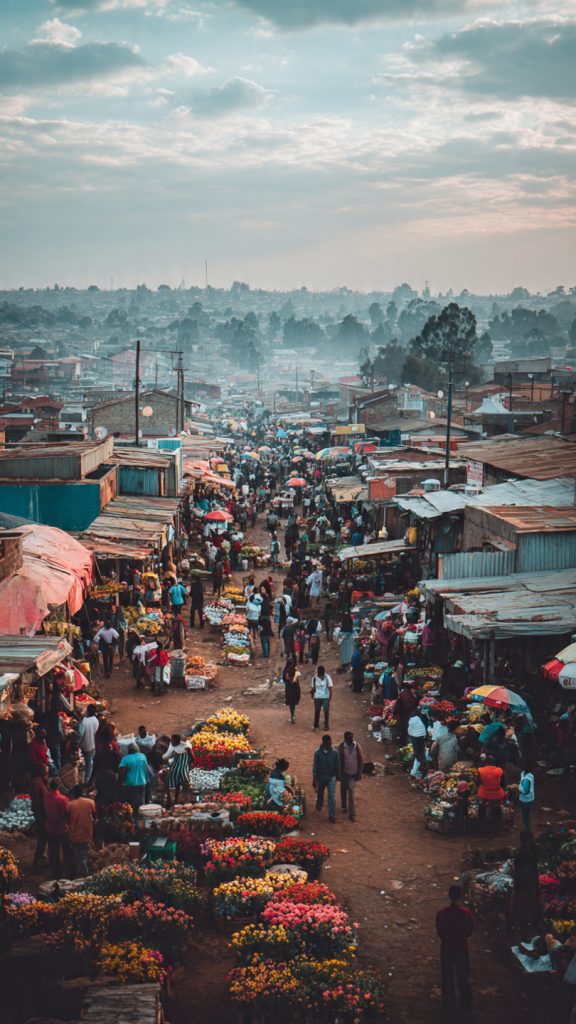
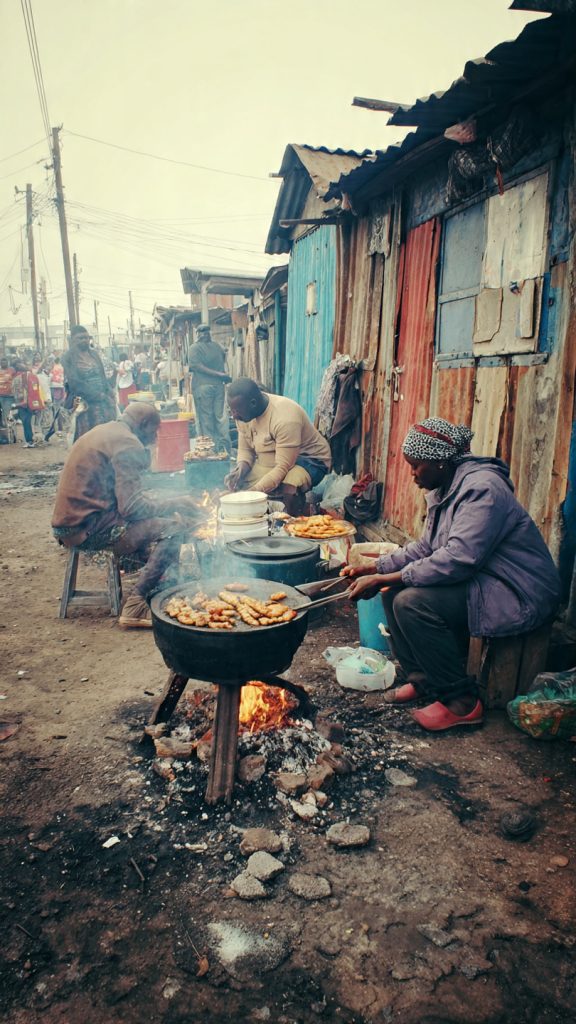
Informal Food Markets and Migrant Survival in South African Cities Introduction: A Daily Struggle Hidden in Plain Sight At 5 a.m. on a cold winter morning in Johannesburg’s inner city, Amina*, a 29-year-old Somali mother, arranges vegetables at her small pavement stall. She arrived in South Africa six years ago, hoping for stability. Yet rising

The Role of Informal Food Markets in Sustaining Migrant Communities Across South African Cities Read More »

Hillbrow, overcrowding, migrant health, SADC migrants, disease transmission, tuberculosis, HIV, respiratory infections, gastrointestinal infections, inner-city Johannesburg, urban health, housing conditions, public health, migration health, undocumented migrants, asylum seekers, healthcare access, National Health Insurance, NHI, City of Johannesburg, healthcare policy, health disparities, maternal health, adolescent health, syndemic, MSF, Wits Reproductive Health and HIV Institute, community health programs, health interventions, urban poverty, high-density housing, sanitation, xenophobia, health inequities, peer-led outreach, public clinics, epidemiology, South Africa, health policy recommendations, inner-city housing, social determinants of health, health surveillance, migrant vulnerabilities, housing policy, healthcare barriers, HIV-TB co-infection, health system strengthening, evidence-based interventions, integrated care, urban migration, migrant communities, health equity, risk factors, case studies, policy gaps, Johannesburg inner city.

How Do Overcrowded Living Conditions in Hillbrow Affect Disease Transmission Among Migrant Communities from SADC Countries?

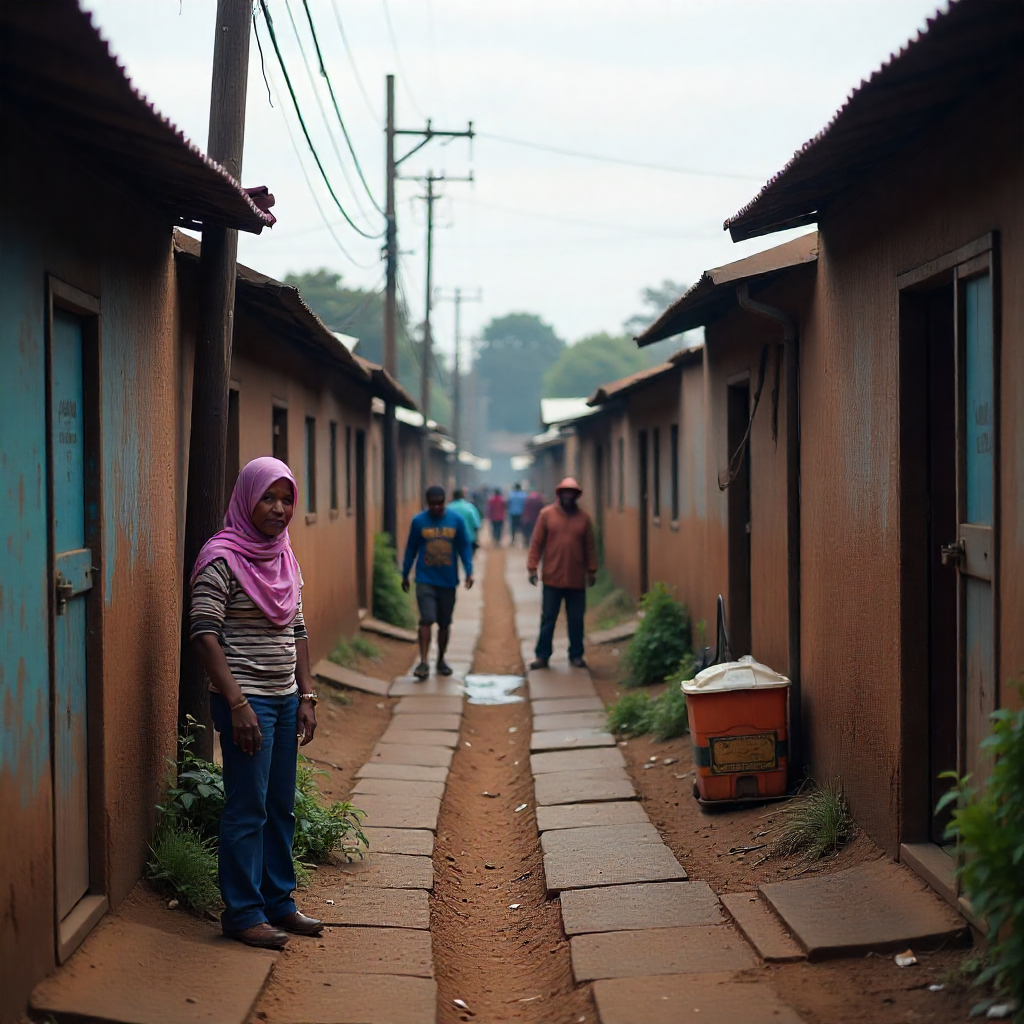
Overcrowding and Disease Transmission Among SADC Migrants in Hillbrow Opening: A Dense Reality with High Stakes Hillbrow, Johannesburg’s inner-city, is a microcosm of density, diversity—and vulnerability. Once a well-maintained apartment district, decades of neglect, high migration, and poverty have transformed parts of Hillbrow into overcrowded, under-serviced high-rises. Wikipedia+1 Research shows that more than half of

How Do Overcrowded Living Conditions in Hillbrow Affect Disease Transmission Among Migrant Communities from SADC Countries? Read More »