urban food security

Here are all the keywords related to this blog post: migration health, Zimbabwean migrants, South Africa healthcare, food security, remittances, WhatsApp groups, digital remittances, Mukuru, food insecurity, National Health Insurance, NHI Act 2024, undocumented migrants, asylum seekers, refugees, healthcare access, xenophobia, documentation barriers, nutrition, malnutrition, mental health, chronic diseases, urban agriculture, diaspora, cross-border remittances, informal settlements, Alexandra township, Khayelitsha, Delft, Hillbrow, Johannesburg, Cape Town, Durban, Zimbabwe economic crisis, COVID-19, pandemic impact, female migrants, gender vulnerability, policy reform, primary healthcare, mobile clinics, social protection, food vouchers, transaction costs, financial inclusion, urban food security, spaza shops, food deserts, remittance corridors, health policy, migration policy, Border Management Authority Act, public health, communicable diseases, tuberculosis, HIV/AIDS, maternal health, antenatal care, vaccine coverage, food remittances, grocery delivery, Malaicha, fintech, mobile money, employment precarity, domestic workers, informal economy, health disparities, health equity, vulnerable populations, integrated services, Scalabrini Centre, NGOs, civil society, community gardens, nutritional deficiencies, iron deficiency, anemia, obesity, ultra-processed foods, mental health crisis, anxiety, depression, chronic stress, remittance pressure, health outcomes, healthcare utilization, documentation status, legal status, asylum hearings, expired permits, healthcare gatekeeping, emergency services, late-stage disease, disease transmission, maternal mortality, antiretroviral treatment, immunization, food prices, hyperinflation, currency instability, El Niño drought, agricultural failure, economic hardship, income collapse, food price inflation, supply chain disruptions, lockdown restrictions, border closures, urban planning, food retail, township economies, mobile technology, digital platforms, WhatsApp Business, SMS notifications, bulk ordering, price comparisons, exchange rates, financial literacy, predatory lending, sustainable development, diaspora investment, economic stabilization, political instability, one-stop centers, legal assistance, nutrition counseling, employment assistance, community support groups, government-NGO partnerships, private sector collaboration, health monitoring, anti-xenophobia campaigns, medical education, cultural competence, patient advocacy, community health workers, policy evaluation, research gaps, longitudinal studies, health trajectories, participatory research, epidemiological data, health information systems, migration status, anonymity protection, intersectional vulnerabilities, age discrimination, language barriers, cultural beliefs, regional cooperation, Southern Africa, SADC, humanitarian response, crisis preparedness, pandemic preparedness, food relief programs, emergency assistance, constitutional rights, human rights, social cohesion, integration models, return migration

The WhatsApp Groups Feeding Harare: How the Diaspora Is Bankrolling Zimbabwe’s Urban Organic Food Movement

WhatsApp Remittances and Health: The Cost of Feeding Families Across Borders Money From Abroad, Vegetables at Home, and the Economics of Eating Clean A 32-year-old electrician from Harare never thought he would leave Zimbabwe. Nevertheless, economic collapse forced him out. Today, he lives in Cape Town’s informal settlements, working casual jobs. However, his WhatsApp notifications […]
The WhatsApp Groups Feeding Harare: How the Diaspora Is Bankrolling Zimbabwe’s Urban Organic Food Movement Read More »

remittances, rural farming, migration and food security, Malawi agriculture, Malawian villages, rural livelihoods, smallholder farmers, labor migration, agricultural labor shortages, family farming systems, organic agriculture, agroecology, subsistence farming, crop diversification, soil fertility, seed saving, traditional farming knowledge, women farmers, gender and agriculture, feminization of agriculture, youth migration, transnational households, rural–urban migration, cross-border migration, Southern Africa migration, Malawi–South Africa migration corridor, migrant workers in South Africa, informal labor markets, remittance dependence, household income strategies, food insecurity, nutritional outcomes, dietary diversity, child stunting, maternal nutrition, non-communicable disease risk, public health and nutrition, migration health, social determinants of health, rural health systems, access to healthcare, National Health Insurance South Africa, health policy for migrants, agricultural policy gaps, food systems policy, transnational food systems, rural development policy, social protection, climate vulnerability, climate-smart agriculture, resilience building, community-based agriculture, women-led cooperatives, farmer cooperatives, organic value chains, informal food markets, urban food security, informal produce markets, NGO interventions, community-led solutions, policy integration, SADC migration policy, ethical migration research, vulnerable populations, evidence-based policy, mixed-methods research, qualitative case studies, rural Malawi, Gauteng food systems

Are Remittances Killing Rural Farming? What Malawian Villages Can Teach Us About Migration and Food Security

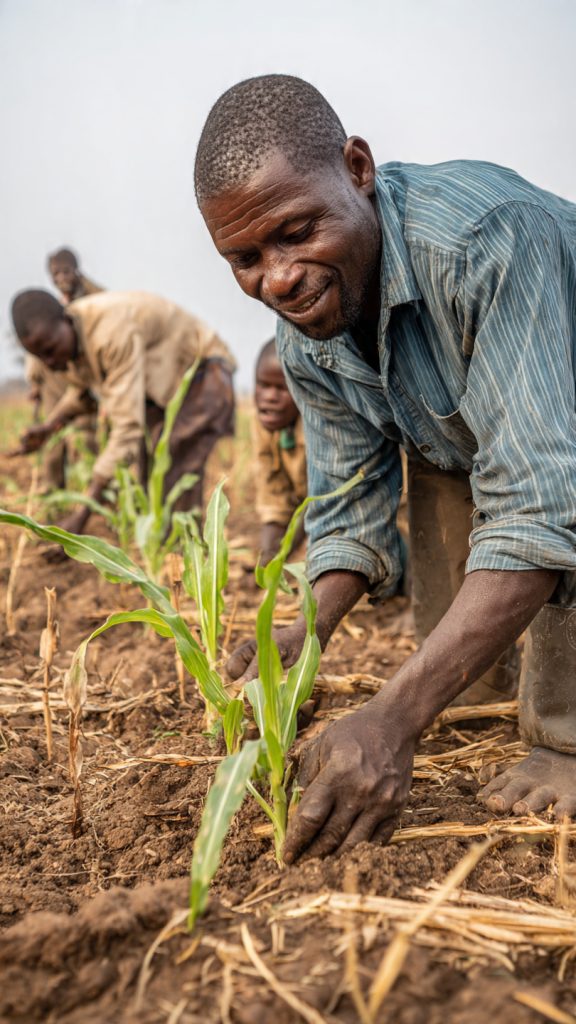
Remittances, Migration, and the Future of Rural Farming When money from the city replaces hands in the soil—and what it means for organic agriculture Introduction: When Cash Arrives but Fields Lie Fallow In 2023, remittances to Malawi exceeded USD 600 million, a figure larger than the national agriculture budget for smallholder support. In villages across

Are Remittances Killing Rural Farming? What Malawian Villages Can Teach Us About Migration and Food Security Read More »

Mozambican farmers, Mozambique–South Africa migration, cross-border migration, informal cross-border trade, organic produce trade, tomato value chain, smallholder agriculture, machamba farming, circular migration, food systems and migration, urban food security, informal markets Pretoria, Marabastad market, Tshwane informal economy, fresh produce supply chains, migrant livelihoods, agricultural migration, climate-induced migration, climate variability southern Africa, informal food systems, organic farming southern Africa, migrant traders, cross-border traders, SADC migration, regional food trade, undocumented migrants, migrant documentation status, health access for migrants, migrant health policy South Africa, National Health Act South Africa, primary healthcare access, health inequities migrants, market-based health outreach, mobile clinics informal markets, nutrition and migration, food insecurity among migrants, gendered migration patterns, women in informal trade, youth migration southern Africa, migrant remittances, informal market governance, urban public health Pretoria, municipal health planning, City of Tshwane IDP, NGO migrant health interventions, migrant associations, community-led initiatives, policy gaps migration health, evidence-based policy analysis, intersectionality migration health, ethical migration research

From Machamba to Market Stall: Why Mozambican Farmers Are Following Their Tomatoes to Pretoria

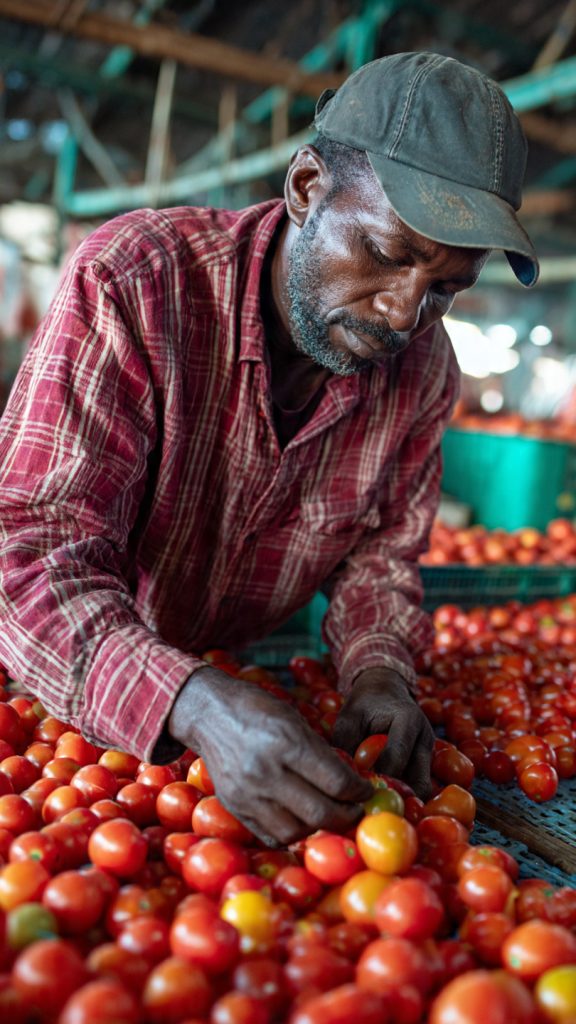
Cross-Border Farming and Pretoria’s Tomato Trade The Untold Story of How Organic Produce Is Reshaping Migration Patterns A Border-Crossing Food System in Motion In 2023, informal markets in Pretoria North and Marabastad recorded a visible rise in fresh tomatoes, leafy greens, and chillies traced back to southern Mozambique. At the same time, border authorities at

From Machamba to Market Stall: Why Mozambican Farmers Are Following Their Tomatoes to Pretoria Read More »

informal food sector, migrant nutrition, African migrants South Africa, spaza shops, street vendors, informal markets, urban food security, township food access, food affordability, dietary diversity, migrant livelihoods, food systems infrastructure, backyard rentals, low-income households, nutrition-sensitive policy, food access barriers, food environment, urban informal economy, migrant food vendors, public health nutrition, food policy South Africa, food security interventions, fresh produce access, food safety training, inclusive urban planning, women migrant traders, dietary quality, food access inequality, small-scale food retail, emergency food supply, food supply resilience, urban migration health

What Role Does the Informal Food Sector Play in Meeting the Nutritional Needs of African Migrant Populations?

Informal Food Sector and Migrant Nutrition in South Africa Opening: A Migrant Family’s Sunday Question In a low‑income township on the outskirts of Johannesburg, a Congolese migrant mother named “Aisha” stands outside a small corner shop — a spaza — holding hands with her two children. With limited income and no reliable transport, she cannot

What Role Does the Informal Food Sector Play in Meeting the Nutritional Needs of African Migrant Populations? Read More »

xenophobia South Africa, African migrant food vendors, informal economy, urban food security, migrant livelihoods, Johannesburg street vendors, Cape Town informal markets, Durban food vendors, economic exclusion, violence against migrants, displacement, migrant resilience strategies, gendered vulnerabilities, undocumented migrants, policy gaps, social protection, informal trading regulations, hate crimes, food access, urban poverty, migrant cooperatives, community support networks, inclusive market infrastructure, migrant entrepreneurship, informal food sector, municipal licensing, emergency relief for vendors, livelihood shocks, remittances, informal sector inclusion, migrant empowerment, migration and food security, informal market safety, South African urban policy, migrant women vendors, low-income household food access, food system policy, informal vendor networks, capacity building for migrants, xenophobic harassment, urban planning for migrants, migrant vendor case studies, migrant integration, inclusive urban markets

How Does Xenophobia Impact the Food Security and Livelihood Strategies of African Migrant Food Vendors in South African Informal Economies?

Xenophobia and Migrant Food Vendors in South Africa In a dusty corner of inner‑city Johannesburg, 34‑year-old “Amina” (pseudonym), a Zimbabwean national, set up a small open‑air stall selling maize meal and fresh produce. On many days, she brought affordable staples to working‑class households who lacked access to supermarkets. But on 1 September 2019 — during

How Does Xenophobia Impact the Food Security and Livelihood Strategies of African Migrant Food Vendors in South African Informal Economies? Read More »

African migrants South Africa, transnational food networks, food sovereignty, cultural identity, migrant nutrition, urban food security, Johannesburg migrants, Cape Town migrants, informal food markets, migrant food enterprises, traditional foods, indigenous crops, remittances and food, dietary changes, migrant women food practices, urban foodscapes, cross-border migration, migrant community initiatives, food policy South Africa, culturally appropriate diets, migrant households, migrant food remittances, food access inequities, urban agriculture South Africa, migrant food resilience, migrant social cohesion, migrant-led food programs, intersectional migration health, food security policy, informal food economy, migrant cultural preservation, migrant culinary knowledge, xenophobia and food vendors, migrant community kitchens, nutrition and migration, South African food systems, migrant livelihoods, urban nutrition disparities, migrant youth dietary practices, migration health research, NGO food programs, government food policy, migrant food interventions

How Do Transnational Food Networks Shape Food Sovereignty and Cultural Identity for African Migrant Communities?

Migrant Food Networks, Cultural Identity, and Food Sovereignty in South Africa Migration is more than moving across borders. It involves carrying homes, memories, and survival strategies. For many African migrants living in South Africa—especially in major urban hubs like Johannesburg, Cape Town, and other cities—food becomes a lifeline. Through transnational food networks, migrants maintain ties

How Do Transnational Food Networks Shape Food Sovereignty and Cultural Identity for African Migrant Communities? Read More »