
psychosocial stress

South Africa, coastal communities, rising sea levels, internal displacement, Durban, Gqeberha, Port Elizabeth, informal settlements, migration health, climate change, flooding, storm surges, coastal erosion, urban migration, vulnerable populations, cross-border migrants, internal migrants, disaster risk, public health, housing insecurity, health systems, gender vulnerability, undocumented migrants, climate adaptation, coastal policy, National Coastal Management Programme, CARP, environmental health, relocation, psychosocial stress, infectious diseases, TB, HIV, community resilience, flood mapping, municipal planning, participatory research, disaster preparedness, adaptation strategies, climate-driven migration, migration policy, health outcomes, temporary shelters, livelihoods disruption, informal housing, sanitation, drainage infrastructure, equity, social determinants of health, mobile health services, municipal governance, urban planning, South African policy, health equity.

What are the hidden connections between rising sea levels along South Africa’s coastline and internal displacement in communities like Durban and Port Elizabeth?

Hidden Links Between Rising Sea Levels and Internal Displacement in South Africa’s Coastal Communities Opening: When the Tide Forces Movement In April 2022, heavy rains and flooding hit eThekwini (Durban), killing over 400 people. Thousands of homes were destroyed, and tens of thousands had to relocate temporarily. Along South Africa’s coastline, sea levels are rising at […]
What are the hidden connections between rising sea levels along South Africa’s coastline and internal displacement in communities like Durban and Port Elizabeth? Read More »

undocumented migrant workers, South Africa, agriculture sector, mining sector, human rights violations, migrant labour, labour exploitation, unsafe working conditions, occupational health, gender-based violence, sexual harassment, migrant health, TB prevalence, silicosis, pesticide exposure, wage theft, child labour, labour inspections, legal protections, Constitutional rights, National Health Act, Basic Conditions of Employment Act, Employment Equity Act, Immigration Act, xenophobia, healthcare access, maternal health, mental health, psychosocial stress, informal mining, artisanal miners, zama-zamas, NGO interventions, MSF migrant clinics, Scalabrini Centre, Legal Resources Centre, worker cooperatives, FairPlay Movement, policy recommendations, labour policy gaps, intersectoral coordination, regional migration, SADC health protocols, migrant women, migrant children, foreign nationals, Mozambican workers, Zimbabwean workers, Lesotho workers, Limpopo, Mpumalanga, North West Province, Gauteng, Western Cape, Stilfontein mine tragedy, South African Human Rights Commission, International Labour Organization, occupational diseases, health outreach programs, migrant advocacy, labour rights enforcement, mobile clinics, rural migrant communities, intersectional vulnerability, social protection, public health risks, ethical sensitivity, evidence-based solutions, research gaps, migration health policy, human dignity, worker safety.

Undocumented Migrants in Agriculture & Mining: Human Rights at Risk in South Africa

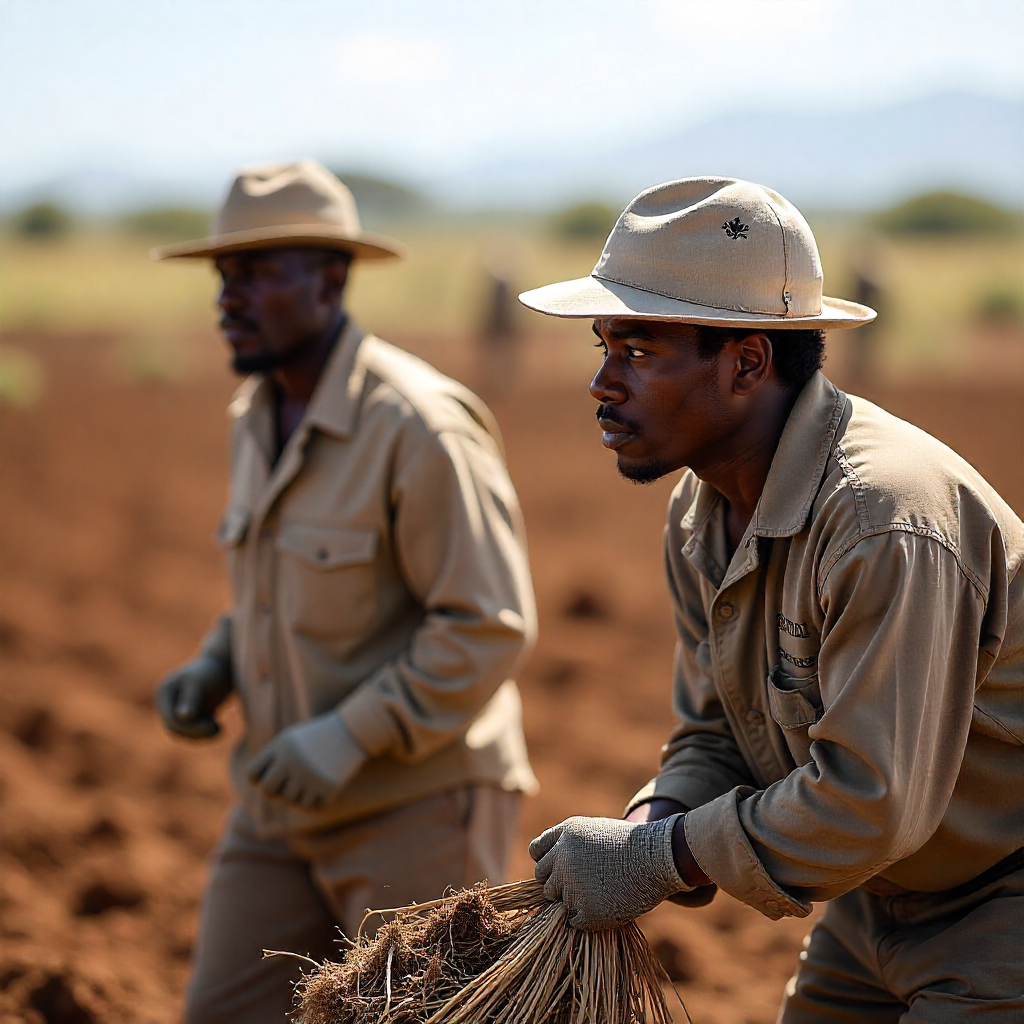
 Undocumented Migrant Workers in South Africa Introduction: The Invisible Backbone of South Africa’s Economy South Africa’s agriculture and mining industries rely heavily on migrant labour. Yet, behind this economic contribution lies a hidden crisis. Undocumented migrant workers—primarily from Zimbabwe, Mozambique, Malawi, and Lesotho—face severe human rights violations that threaten their health, safety, and dignity. In

Undocumented Migrants in Agriculture & Mining: Human Rights at Risk in South Africa Read More »

occupational health, African migrants, South Africa, informal economy, workplace safety, migrant workers, labor rights, health policy, public health, migration health, informal sector, workplace injuries, occupational hazards, health equity, labor protection, workers compensation, National Health Insurance, NHI, domestic workers, construction workers, agricultural workers, street traders, chemical exposure, pesticide poisoning, workplace violence, documentation status, undocumented migrants, health access, healthcare barriers, policy gaps, labor inspection, COIDA, occupational health surveillance, community health, mobile clinics, employer certification, health disparities, social protection, vulnerable populations, intersectional health, gender and health, migration policy, health systems, primary healthcare, emergency care, injury treatment, chronic diseases, respiratory health, musculoskeletal disorders, burns and injuries, mental health, psychosocial stress, workplace discrimination, language barriers, health education, peer education, multilingual services, health promotion, preventive care, health monitoring, epidemiology, public health research, health economics, cost-effectiveness, health outcomes, longitudinal studies, participatory research, regional cooperation, SADC, cross-border health, health governance, inter-departmental coordination, health financing, universal health coverage, constitutional rights, human rights, social justice, health advocacy, civil society, NGOs, community organizations, stakeholder engagement, policy implementation, health reform, regulatory enforcement, labor standards, safety training, protective equipment, hazard identification, risk assessment, injury prevention, emergency response, first aid, trauma care, rehabilitation, disability, economic impact, poverty, social determinants of health, urban health, township health, informal settlements, health infrastructure, health workforce, cultural competency, health literacy, Johannesburg, Cape Town, Durban, Zimbabwe, Mozambique, Malawi, Lesotho, Stellenbosch, Khayelitsha, Alexandra, Sandton, Western Cape, Mpumalanga, Limpopo, Gauteng, ZEP permits, LEP permits, scaffolding injuries, organophosphate poisoning, industrial cleaning chemicals, Department of Health, Department of Employment and Labour, University of Cape Town, Medical Research Council, Statistics South Africa, WHO, ILO

Informal Work, Formal Risks: Occupational Health Hazards Facing African Migrants in South Africa’s Economy

African Migrant Worker Health Risks Nomsa (not her real name), a 34-year-old Zimbabwean domestic worker in Johannesburg, suffered second-degree burns from industrial cleaning chemicals in 2023. Her employer provided no protective equipment or medical insurance. When she sought treatment at a public clinic, language barriers and documentation concerns delayed her care by three days, resulting

Informal Work, Formal Risks: Occupational Health Hazards Facing African Migrants in South Africa’s Economy Read More »