primary healthcare

Here are all the keywords related to this blog post: migration health, Zimbabwean migrants, South Africa healthcare, food security, remittances, WhatsApp groups, digital remittances, Mukuru, food insecurity, National Health Insurance, NHI Act 2024, undocumented migrants, asylum seekers, refugees, healthcare access, xenophobia, documentation barriers, nutrition, malnutrition, mental health, chronic diseases, urban agriculture, diaspora, cross-border remittances, informal settlements, Alexandra township, Khayelitsha, Delft, Hillbrow, Johannesburg, Cape Town, Durban, Zimbabwe economic crisis, COVID-19, pandemic impact, female migrants, gender vulnerability, policy reform, primary healthcare, mobile clinics, social protection, food vouchers, transaction costs, financial inclusion, urban food security, spaza shops, food deserts, remittance corridors, health policy, migration policy, Border Management Authority Act, public health, communicable diseases, tuberculosis, HIV/AIDS, maternal health, antenatal care, vaccine coverage, food remittances, grocery delivery, Malaicha, fintech, mobile money, employment precarity, domestic workers, informal economy, health disparities, health equity, vulnerable populations, integrated services, Scalabrini Centre, NGOs, civil society, community gardens, nutritional deficiencies, iron deficiency, anemia, obesity, ultra-processed foods, mental health crisis, anxiety, depression, chronic stress, remittance pressure, health outcomes, healthcare utilization, documentation status, legal status, asylum hearings, expired permits, healthcare gatekeeping, emergency services, late-stage disease, disease transmission, maternal mortality, antiretroviral treatment, immunization, food prices, hyperinflation, currency instability, El Niño drought, agricultural failure, economic hardship, income collapse, food price inflation, supply chain disruptions, lockdown restrictions, border closures, urban planning, food retail, township economies, mobile technology, digital platforms, WhatsApp Business, SMS notifications, bulk ordering, price comparisons, exchange rates, financial literacy, predatory lending, sustainable development, diaspora investment, economic stabilization, political instability, one-stop centers, legal assistance, nutrition counseling, employment assistance, community support groups, government-NGO partnerships, private sector collaboration, health monitoring, anti-xenophobia campaigns, medical education, cultural competence, patient advocacy, community health workers, policy evaluation, research gaps, longitudinal studies, health trajectories, participatory research, epidemiological data, health information systems, migration status, anonymity protection, intersectional vulnerabilities, age discrimination, language barriers, cultural beliefs, regional cooperation, Southern Africa, SADC, humanitarian response, crisis preparedness, pandemic preparedness, food relief programs, emergency assistance, constitutional rights, human rights, social cohesion, integration models, return migration

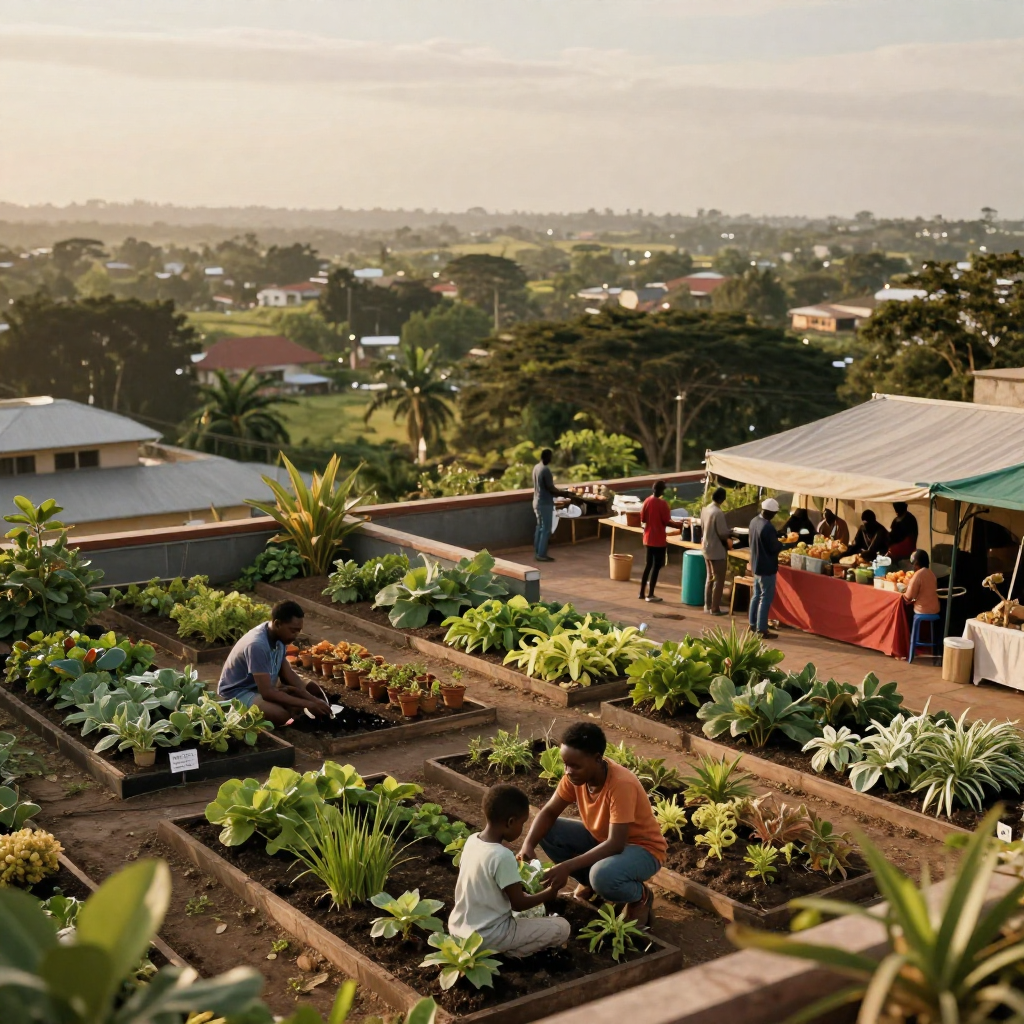
The WhatsApp Groups Feeding Harare: How the Diaspora Is Bankrolling Zimbabwe’s Urban Organic Food Movement

WhatsApp Remittances and Health: The Cost of Feeding Families Across Borders Money From Abroad, Vegetables at Home, and the Economics of Eating Clean A 32-year-old electrician from Harare never thought he would leave Zimbabwe. Nevertheless, economic collapse forced him out. Today, he lives in Cape Town’s informal settlements, working casual jobs. However, his WhatsApp notifications […]

The WhatsApp Groups Feeding Harare: How the Diaspora Is Bankrolling Zimbabwe’s Urban Organic Food Movement Read More »

socioeconomic factors, referral pathways, communication channels, data sharing protocols, coordination mechanisms, multi-country collaboration, regional frameworks, health agreements, memoranda of understanding, technical committees, public health surveillance, outbreak response, health security, epidemic preparedness, pandemic response, health emergency management, contact tracing, case investigation, risk assessment, health financing, donor funding, domestic health funding, resource mobilization, budget allocation, health expenditure, financial sustainability, health economics, cost-effectiveness, implementation strategies, scale-up, pilot programs, best practices, lessons learned, program evaluation, monitoring and evaluation, health system performance, quality improvement, right to health, healthcare rights, migrant rights, health equity, ethical healthcare, non-discrimination, universal health coverage, patient rights, informed consent, data privacy, electronic health information systems, health management information systems, HMIS, interoperability, data standards, patient identifiers, laboratory information systems, reporting systems, SMS reminders, healthcare workforce, health worker training, staff shortages, burnout, capacity development, professional development, human resources for health, health worker migration, brain drain

What Are the Cross-Border Health Coordination Challenges Between South Africa and Neighboring SADC Countries?

Breaking Down Borders, Building Health Systems: The Cross-Border Coordination Crisis in Southern Africa Introduction: When Borders Become Barriers to Health Maria, a 34-year-old Mozambican mother living in Nkomazi, South Africa, discovered she was HIV-positive during antenatal care. Immediately, healthcare workers started her treatment. However, when she returned to Mozambique for a family emergency three months

What Are the Cross-Border Health Coordination Challenges Between South Africa and Neighboring SADC Countries? Read More »

undocumented African migrants, South Africa, diet-related non-communicable diseases, NCDs, healthcare access barriers, structural determinants of health, legal barriers, social determinants, health inequality, migration health, hypertension, diabetes, cardiovascular disease, urban migrants, food insecurity, dietary transition, acculturation, processed foods, chronic disease management, primary healthcare, medical xenophobia, discrimination, health policy, public health, NGO interventions, community health programs, migrant-inclusive healthcare, health literacy, culturally sensitive care, language barriers, social exclusion, informal settlements, low-income migrants, preventive care, NCD screening, health system adaptation, data collection, migrant health fund, intersectoral action, policy recommendations, South African health policy, WHO guidelines, MSF programs, urban nutrition, health equity, chronic disease treatment, migrant-led organizations, access to care, healthcare utilization, ethical sensitivity, human rights, inclusive NCD strategies, public health outcomes, evidence-based solutions, empirical data, research gaps.

What Are the Barriers to Healthcare Access for Diet-Related Non-Communicable Diseases Among Undocumented African Migrants?

Barriers to Healthcare Access for Diet‑Related Non‑Communicable Diseases (NCDs) Among Undocumented African Migrants in South Africa   Introduction: A Hidden Burden in Plain Sight “ I worry when my chest feels tight and I cannot eat; but I dare not go to the clinic. I might be turned away.” — interview with an undocumented migrant in

What Are the Barriers to Healthcare Access for Diet-Related Non-Communicable Diseases Among Undocumented African Migrants? Read More »

Maternal health, Child health, Mozambican migrants, South Africa, Border communities, Migrant women, Antenatal care, Postnatal care, Immunisation, Child mortality, Maternal mortality, Migration health, Refugees, Undocumented migrants, Health disparities, Health equity, Rural health, Urban health, Health access, Health policy, Health system, Primary healthcare, Skilled birth attendance, Nutrition, Anaemia, Non-communicable diseases, PMTCT, HIV, Poverty, Social determinants of health, Legal rights, Health financing, Healthcare barriers, Cultural competence, Community health workers, NGO interventions, Civil society, Health inclusion, Migration-sensitive data, Cross-border health, Health outcomes, Policy recommendations, Healthcare accessibility, Public health, Human rights, Health inequities, Health surveillance, Mobile populations, Healthcare utilisation

Maternal and Child Health Outcomes Among Mozambican Migrant Women in Border Communities

Maternal and Child Health Among Mozambican Migrants in Border Communities Opening: A Border Story, A Human Cost In a rural border community in northeastern South Africa — home to many former refugees and migrants from Mozambique — 4‑year-old Maria* died of a preventable illness after missing her routine immunisation. Her mother, a Mozambican migrant, lacked

Maternal and Child Health Outcomes Among Mozambican Migrant Women in Border Communities Read More »

Okavango Delta, Botswana, Namibia, Angola, South Africa, climate migration, environmental stress, drought, water scarcity, livelihood loss, transboundary migration, migration health, cross-border movement, public health, health systems, migrant vulnerability, undocumented migrants, women migrants, children migrants, older adults, TB, HIV, maternal health, mental health, informal settlements, xenophobia, policy gaps, SADC, OKACOM, community-based adaptation, mobile clinics, climate-smart agriculture, migration monitoring, health access, primary healthcare, livelihood diversification, intersectional vulnerabilities, climate change, floodplain agriculture, tourism, migration policy, transnational health, public health preparedness, migration research, health equity, emergency medical services, migrant-inclusive clinics.

How might the drying of the Okavango Delta affect migration patterns across Botswana, Namibia, and Angola—and what does this mean for South Africa?

Drying of the Okavango Delta: Migration Health Implications for Botswana, Namibia, Angola and South Africa The Okavango Delta, one of Botswana’s iconic ecosystems, is facing severe environmental stress. Rainfall in the Delta catchment—the Angolan highlands and Namibia—has dropped to the lowest levels since 1981. (neweralive.na) Six villages in the Boro/Xharaxao area were abandoned due to

How might the drying of the Okavango Delta affect migration patterns across Botswana, Namibia, and Angola—and what does this mean for South Africa? Read More »

digital remittances, migrant health access, South Africa healthcare, financial technology, cross-border payments, Mukuru, WorldRemit, mobile money, healthcare financing, Zimbabwe migrants, Mozambique migrants, xenophobia in healthcare, medical discrimination, National Health Insurance Act, NHI Act 2024, asylum seekers healthcare, undocumented migrants, remittance corridors, Operation Dudula, healthcare barriers, maternal health access, chronic disease management, HIV treatment access, antiretroviral therapy, ART access, healthcare exclusion, transaction costs, remittance fees, PRIME Africa, IFAD-EU initiative, mobile money platforms, MTN Mobile Money, health policy South Africa, migration health, healthcare rights, constitutional healthcare, private healthcare costs, public health facilities, Johannesburg healthcare, Pretoria healthcare, Cape Town healthcare, Gauteng health department, health system barriers, documentation requirements, expired permits, asylum seeker permits, Zimbabwe Exemption Permit, medical xenophobia, vigilante groups, clinic gatekeeping, emergency healthcare, notifiable conditions, chronic medication access, diabetes management, hypertension treatment, pregnancy care costs, antenatal care, delivery fees, maternal mortality, health financing models, digital health wallets, M-TIBA Kenya, health insurance bundles, remittance-healthcare nexus, financial inclusion, payment platforms, cash pick-up services, rural healthcare access, telemedicine, pharmaceutical costs, private pharmacy purchases, NGO healthcare services, Médecins Sans Frontières, Scalabrini Centre, Lawyers for Human Rights, Section27, health navigation services, community health workers, health cooperatives, SADC health frameworks, regional health coordination, portable health benefits, migration corridors, remittance inflows, sub-Saharan Africa, Southern Africa remittances, informal remittance channels, health outcome measurement, intersectional vulnerabilities, gender health disparities, women migrants healthcare, elderly migrants, pediatric care access, health policy reform, universal health coverage, health equity, migrant health rights, discrimination in healthcare, fear of deportation, healthcare utilization patterns, public-private partnerships, fintech innovation, blockchain remittances, digital payment adoption, mobile health technology, health data systems, evidence-based policy, health systems analysis, migration health research, healthcare cost barriers, out-of-pocket expenses, health expenditure, poverty and health, social determinants of health, health access inequality, vulnerable populations, refugee health, displacement health, cross-border health, transnational healthcare, diaspora healthcare support, family remittances, health emergency transfers, chronic disease continuity, treatment adherence, medication compliance, viral suppression, HIV transmission prevention, CD4 monitoring, health monitoring systems, anti-xenophobia training, cultural competency, multilingual health services, mobile health units, health service delivery, primary healthcare, preventive services, health screening, contraceptive access, family planning, reproductive health, health literacy, remittance literacy, financial literacy, health education, patient rights, health advocacy, health justice, ethical healthcare, health system reform, policy implementation, healthcare governance, health facility discrimination, patient rejection, health service refusal, alternative healthcare seeking, health coping strategies, survival strategies, health resilience, community health support

What Role Do Digital Payment Platforms Play in Facilitating Remittances from South Africa?

Digital Remittances as Healthcare Lifelines: How Financial Technology Shapes Migrant Health Access in South Africa The Hidden Connection Between Money Transfers and Survival Johannesburg, 2024—Grace, a 34-year-old Zimbabwean domestic worker, clutches her phone outside Rahima Moosa Mother and Child Hospital. She’s eight months pregnant. The clinic nurse told her she needs R3,500 for delivery fees.

What Role Do Digital Payment Platforms Play in Facilitating Remittances from South Africa? Read More »

Regional integration, ECOWAS, SADC, Senegal, South Africa, West Africa, Southern Africa, migration health, cross-border healthcare, health policy, African integration, free movement protocols, healthcare access, migrant health rights, regional cooperation, health systems, universal health coverage, documentation barriers, maternal health, infectious disease management, healthcare workforce mobility, TB treatment, HIV care, gender health equity, youth health, elderly care, digital health integration, telemedicine, health insurance portability, medical evacuation, emergency healthcare, undocumented migrants, asylum seekers, refugee health, border health facilities, epidemic surveillance, disease prevention, health financing, bilateral agreements, multilateral cooperation, African Continental Free Trade Area, health diplomacy, policy reform, development partnerships, health infrastructure, medical training harmonization, pharmaceutical procurement, climate health adaptation, research gaps, data quality, economic analysis, cost-benefit assessment, community participation, civil society advocacy, academic research, South-South learning, capacity building, institutional development, health equity, social determinants, vulnerable populations, intersectional analysis, implementation timelines, stakeholder engagement, policy recommendations, best practices, innovation scaling, evidence-based policy, health governance, regional frameworks, protocol implementation, healthcare financing, public health systems, primary healthcare, specialized care, chronic disease management, reproductive health, family planning, skilled birth attendance, treatment continuity, medication access, health worker migration, credential recognition, professional mobility, cross-border referrals, medical tourism, health technology, electronic health records, patient data sharing, surveillance systems, emergency response, humanitarian health, crisis management, health security, pandemic preparedness, health information systems, monitoring evaluation, health indicators, outcome measurement, impact assessment, comparative analysis, policy evaluation, health economics, resource allocation, funding mechanisms, donor coordination, technical assistance, knowledge exchange, peer learning, networking, partnership development, advocacy strategies, policy influence, stakeholder mapping, coalition building, research dissemination, knowledge translation, policy uptake, implementation science, health systems strengthening, service delivery, quality improvement, patient safety, cultural competency, language barriers, discrimination, xenophobia, social inclusion, community engagement, participatory approaches, bottom-up initiatives, grassroots organizations, civil society networks, migrant associations, diaspora engagement, remittances, social protection, labor migration, irregular migration, forced migration, voluntary migration, circular migration, seasonal migration, urban migration, rural-urban linkages, border communities, cross-border trade, economic integration, trade facilitation, customs procedures, immigration policies, visa regimes, residence permits, work authorization, legal status, naturalization, citizenship rights, human rights, international law, refugee law, humanitarian principles, protection frameworks, non-refoulement, family reunification, child protection, women's rights, disability inclusion, age-friendly services, cultural sensitivity, religious accommodation, language interpretation, community health workers, peer support, social networks, solidarity mechanisms, mutual aid, collective action, advocacy campaigns, policy dialogue, multi-stakeholder platforms, high-level meetings, technical working groups, expert committees, advisory bodies, consultative processes, participatory governance, democratic accountability, transparency, corruption prevention, good governance, rule of law, institutional capacity, organizational development, leadership training, skill building, knowledge management, learning systems, innovation hubs, pilot projects, demonstration sites, scaling strategies, replication models, adaptation approaches, contextualization, localization, sustainability planning, long-term vision, strategic planning, results frameworks, theory of change, logical models, risk assessment, mitigation strategies, contingency planning, adaptive management, continuous improvement, quality assurance, performance monitoring, outcome tracking, impact evaluation, randomized controlled trials, quasi-experimental designs, mixed methods research, qualitative studies, quantitative analysis, systematic reviews, meta-analyses, evidence synthesis, knowledge gaps, research priorities, funding needs, capacity requirements, infrastructure development, technology transfer, innovation adoption, digital transformation, artificial intelligence, machine learning, big data analytics, mobile health, wearable devices, point-of-care testing, diagnostic technologies, treatment innovations, vaccine development, drug discovery, medical devices, health products, supply chain management, procurement systems, distribution networks, quality control, regulatory frameworks, standards harmonization, certification processes, accreditation systems, professional associations, medical councils, licensing boards, continuing education, professional development, career pathways, retention strategies, incentive systems, working conditions, occupational health, safety protocols, infection control, waste management, environmental health, water sanitation, air quality, food safety, nutrition security, mental health, psychosocial support, trauma care, rehabilitation services, palliative care, end-of-life care, health promotion, disease prevention, lifestyle interventions, behavioral change, health education, awareness campaigns, communication strategies, media engagement, social marketing, community mobilization, peer education, health literacy, numeracy skills, decision-making support, informed consent, patient rights, ethical considerations, bioethics, research ethics, data privacy, confidentiality protection, informed participation, vulnerable groups protection, benefit sharing, community ownership, empowerment approaches, capacity strengthening, leadership development, governance improvement, accountability mechanisms, feedback systems, grievance procedures, complaint handling, quality improvement, patient satisfaction, service user feedback, community assessment, needs analysis, gap identification, priority setting, resource mobilization, fundraising strategies, donor engagement, partnership development, collaboration frameworks, coordination mechanisms, information sharing, joint planning, integrated approaches, holistic solutions, comprehensive care, continuum of services, seamless transitions, patient navigation, care coordination, case management, discharge planning, follow-up care, adherence support, peer counseling, family involvement, caregiver training, support groups, self-help initiatives, mutual support networks, community resilience, social cohesion, solidarity building, trust development, relationship building, conflict resolution, mediation processes, dialogue facilitation, consensus building, compromise solutions, win-win outcomes, shared benefits, collective gains, regional prosperity, sustainable development, poverty reduction, inequality reduction, social justice, human dignity, rights-based approaches, equity principles, inclusion strategies, non-discrimination policies, equal access, fair treatment, respectful care, cultural competence, diversity celebration, multicultural approaches, intercultural dialogue, cross-cultural understanding, bridge building, relationship strengthening, cooperation enhancement, integration deepening, unity promotion, solidarity fostering, peace building, stability enhancement, security improvement, prosperity sharing, development acceleration, transformation catalysis, innovation stimulation, creativity encouragement, entrepreneurship support, job creation, economic growth, trade expansion, investment attraction, competitiveness enhancement, productivity improvement, efficiency gains, effectiveness increases, impact amplification, scale enhancement, reach extension, coverage expansion, access improvement, quality elevation, satisfaction enhancement, outcome optimization, benefit maximization, value creation, worth demonstration, evidence generation, knowledge production, learning facilitation, capacity building, skill development, competency enhancement, performance improvement, excellence achievement, leadership cultivation, governance strengthening, accountability enhancement, transparency increase, participation expansion, engagement deepening, ownership strengthening, commitment building, dedication fostering, passion ignition, motivation enhancement, inspiration provision, hope creation, future visioning, possibility opening, opportunity creation, pathway development, solution identification, problem solving, challenge addressing, barrier removal, obstacle elimination, constraint lifting, limitation overcoming, difficulty surmounting, success achievement, goal attainment, objective fulfillment, target reaching, milestone completion, progress advancement, development acceleration, improvement facilitation, enhancement support, optimization assistance, maximization help, benefit realization, impact achievement, outcome delivery, result production, effect generation, change creation, transformation enabling, innovation fostering, creativity stimulation, invention encouragement, discovery facilitation, breakthrough achievement, advancement promotion, progress support, development assistance, growth facilitation, expansion enablement, scale enhancement, reach extension, coverage improvement, access facilitation, quality enhancement, excellence pursuit, outstanding achievement, superior performance, exceptional results, remarkable outcomes, extraordinary impact, unprecedented success, groundbreaking innovation, revolutionary change, transformational improvement, paradigm shift, game changing impact, history making achievement, legacy creation, future shaping, destiny determination, vision realization, dream fulfillment, aspiration achievement, hope materialization, potential actualization, possibility realization, opportunity capitalization, advantage maximization, benefit optimization, value creation, worth demonstration, significance establishment, importance recognition, relevance confirmation, necessity validation, urgency acknowledgment, priority establishment, focus determination, attention direction, resource allocation, effort concentration, energy investment, commitment dedication, passion application, enthusiasm channeling, motivation utilization, inspiration harnessing, drive activation, determination strengthening, persistence enhancement, resilience building, endurance development, stamina improvement, strength building, power enhancement, capability expansion, capacity increase, competence development, skill acquisition, knowledge gain, understanding deepening, insight generation, wisdom cultivation, intelligence enhancement, learning acceleration, education improvement, training enhancement, development support, growth facilitation, advancement promotion, progress enablement, success achievement, excellence attainment, outstanding performance, superior results, exceptional outcomes, remarkable impact, extraordinary achievements, unprecedented success, groundbreaking innovations, revolutionary transformations, paradigm shifting changes, game changing impacts, history making achievements, legacy creating actions, future shaping decisions, destiny determining choices, vision realizing efforts, dream fulfilling endeavors, aspiration achieving initiatives, hope materializing programs, potential actualizing strategies, possibility realizing approaches, opportunity capitalizing methods, advantage maximizing techniques, benefit optimizing processes, value creating mechanisms, worth demonstrating systems, significance establishing frameworks, importance recognizing structures, relevance confirming models, necessity validating approaches, urgency acknowledging responses, priority establishing decisions, focus determining choices, attention directing strategies, resource allocating mechanisms, effort concentrating systems, energy investing approaches, commitment dedicating methods, passion applying techniques, enthusiasm channeling processes, motivation utilizing systems, inspiration harnessing mechanisms, drive activating approaches, determination strengthening methods, persistence enhancing techniques, resilience building processes, endurance developing systems, stamina improving mechanisms, strength building approaches, power enhancing methods, capability expanding techniques, capacity increasing processes, competence developing systems, skill acquiring mechanisms, knowledge gaining approaches, understanding deepening methods, insight generating techniques, wisdom cultivating processes, intelligence enhancing systems, learning accelerating mechanisms, education improving approaches, training enhancing methods, development supporting techniques, growth facilitating processes, advancement promoting systems, progress enabling mechanisms, success achieving approaches, excellence attaining methods, outstanding performance techniques, superior result processes, exceptional outcome systems, remarkable impact mechanisms, extraordinary achievement approaches, unprecedented success methods, groundbreaking innovation techniques, revolutionary transformation processes,

Senegal vs South Africa: Which West vs Southern African Model Promotes Better Regional Integration?

Migration Health Policy Opening: A Tale of Two Borders At the Senegal-Guinea border crossing of Koundara, 34-year-old Fatima Diallo presents her ECOWAS travel certificate and receives immediate healthcare access at the local clinic, despite being a Guinean national seeking treatment for malaria complications. Meanwhile, 2,800 kilometers south at the Beitbridge border between Zimbabwe and South

Senegal vs South Africa: Which West vs Southern African Model Promotes Better Regional Integration? Read More »

migration governance, health policy, South Africa, Egypt, refugee health, migrant health, healthcare access, health security, universal health coverage, National Health Insurance, constitutional rights, policy implementation, health systems, African healthcare, migration health governance, refugee populations, undocumented migrants, health equity, public health, maternal health, mental health, chronic disease management, tuberculosis control, HIV prevention, healthcare providers, discrimination, fragmented governance, integrated health systems, community health workers, digital health platforms, health information systems, inter-governmental coordination, resource allocation, legal framework implementation, policy-implementation gaps, centralized governance, decentralized governance, preventive health security, community integration, institutional coordination, stakeholder perspectives, intersectional analysis, gender dimensions, age-related vulnerabilities, documentation status, healthcare provider training, evidence-based recommendations, constitutional implementation monitoring, regional coordination mechanisms, SADC frameworks, universal health coverage integration, health economics, longitudinal health outcomes, implementation science research, community participatory approaches, cross-national comparative studies, Cairo, Johannesburg, Cape Town, Syrian refugees, Zimbabwean migrants, Sudanese refugees, UNHCR, Egyptian Ministry of Health, South African Department of Health, Department of Home Affairs, Department of Social Development, Gauteng province, vaccination coverage, immunization programs, health screening, disease surveillance, trauma-informed care, cultural competency, psychosocial services, primary healthcare, emergency interventions, mobile health applications, telemedicine, health planning, budget allocation, professional development, legal obligations, constitutional entitlements, human rights, social determinants of health, health outcomes, system resilience, pandemic response, COVID-19, communicable diseases, non-communicable diseases, health service delivery, patient satisfaction, treatment completion rates, healthcare seeking behavior, barriers to care, upfront payments, language barriers, cultural misunderstandings, crisis intervention, continuity of care, medication access, health education, appointment scheduling, early detection, health monitoring, capacity building, sustainability, policy coherence, institutional structures, governance models, best practices, innovation, scaling up interventions, monitoring and evaluation, accountability mechanisms

How Does Egypt’s Migration Governance Balance Security Concerns Better Than South Africa’s Approach?

How Egypt’s Migration Governance Balances Security Concerns Introduction: Two Countries, Two Realities In 2023, Amira, a 25-year-old Sudanese refugee in Cairo, received prenatal care at a public hospital without being asked for papers or upfront fees. In Johannesburg, Tendai, a Zimbabwean migrant in a similar situation, was turned away from three public clinics before finding

How Does Egypt’s Migration Governance Balance Security Concerns Better Than South Africa’s Approach? Read More »

COVID-19, South Africa, border controls, regional migration, migration health, health policy, public health, migrant healthcare, undocumented migrants, border closures, Southern Africa, Zimbabwe, Mozambique, Lesotho, healthcare access, mental health, Border Management Authority, refugee health, asylum seekers, community health workers, Johannesburg, Cape Town, Durban, informal sector, agricultural workers, seasonal migration, cross-border health, health systems, migration patterns, deportation, documentation status, health screening, quarantine protocols, PCR testing, healthcare barriers, traditional healers, occupational health, transport workers, port cities, economic migration, family separation, remittances, informal trading, unaccompanied minors, tuberculosis, maternal mortality, reproductive health, gender-based violence, elderly migrants, child health, immunizations, digital health, telemedicine, WhatsApp health services, mobile health units, contact tracing, health surveillance, epidemiological data, health information systems, migration health governance, policy evaluation, stakeholder engagement, civil society organizations, NGOs, human rights, xenophobia, health equity, universal health coverage, health security, pandemic response, lockdown, state of disaster, repatriation, legal limbo, visa requirements, critical skills visa, embassy services, deportation fears, health facility attendance, chronic conditions, infectious diseases, disease transmission, mental health crisis, depression, anxiety, domestic violence, substance abuse, suicide, psychological trauma, social protection, community organizations, health cooperation, SADC, bilateral agreements, health integration, telehealth, cultural competency, linguistic barriers, health literacy, preventive care, emergency healthcare, primary healthcare, specialist services, hospital networks, provincial health departments, Department of Health, Department of Home Affairs, health budgets, cost-effectiveness, implementation timelines, policy recommendations, evidence-based interventions, best practices, research gaps, data collection, surveillance systems, participatory research, longitudinal studies, randomized controlled trials, policy impact assessment, intersectional analysis, vulnerability assessment, ethical considerations, human dignity, social determinants of health, health disparities, marginalized populations, hidden populations, respondent-driven sampling, mixed methods research, qualitative research, quantitative analysis, statistical significance, public health emergency, health emergency preparedness, resilience building, health system strengthening

The Impact of COVID-19 on South African Border Controls and Regional Migration Patterns: A Health Policy Perspective

 COVID-19 Migration in South Africa Introduction: Borders as Barriers to Health On 15 March 2020, President Cyril Ramaphosa declared a national state of disaster. Overnight, borders closed to all but goods and citizen repatriation, reshaping migration across Southern Africa. Maria*, a Mozambican domestic worker in Johannesburg, suddenly faced losing her job if she returned home,

The Impact of COVID-19 on South African Border Controls and Regional Migration Patterns: A Health Policy Perspective Read More »

South Africa, refugee health, asylum seekers, healthcare access, migration health, health policy, refugee integration, asylum system, healthcare barriers, documentation status, Section 22 permits, refugee protection, health systems, public health, mental health, trauma-informed care, xenophobia, medical discrimination, language barriers, cultural competency, healthcare providers, emergency care, chronic disease management, maternal health, HIV testing, tuberculosis treatment, community health workers, mobile clinics, telemedicine, digital health, multilingual services, legal aid, human rights, constitutional rights, Refugees Act 130, National Health Insurance, universal health coverage, health equity, vulnerable populations, forced migration, displaced persons, UNHCR, NGO partnerships, integrated service delivery, trauma recovery, PTSD, depression, anxiety, gender-based violence, reproductive health, prenatal care, immunizations, infectious diseases, non-communicable diseases, diabetes, hypertension, medication adherence, treatment completion, healthcare utilization, patient satisfaction, health outcomes, public health emergency, temporal vulnerability, legal limbo, permit renewals, bureaucratic barriers, administrative delays, asylum backlog, Johannesburg, Cape Town, Durban, urban health, community-based interventions, peer support, cultural mediators, interpretation services, healthcare workforce, training programs, policy implementation, health system strengthening, regional cooperation, SADC, evidence-based practice, longitudinal studies, surveillance systems, research gaps, intersectional analysis, age-specific care, gender-responsive approaches, nationality factors, Somali refugees, Congolese refugees, Burundian refugees, Ethiopian refugees, francophone populations, emergency departments, primary healthcare, preventive care, cost-effectiveness, sustainability, scalability, innovation, technology solutions, mobile health apps, electronic permits, stakeholder engagement, multi-sectoral collaboration, advocacy, social determinants of health, health disparities, access to care, quality of care, continuity of care, patient safety, cultural sensitivity, ethical considerations, human dignity, social justice, health rights, policy reform, system integration, capacity building, resource allocation, funding mechanisms, international cooperation, best practices, lessons learned, case studies, empirical evidence, statistical analysis, comparative research, implementation science, health economics, migration patterns, demographic data, epidemiological surveillance, disease prevention, health promotion, community engagement, participatory approaches, empowerment, resilience building, social cohesion, xenophobic violence, safety concerns, geographic barriers, urban concentration, service accessibility, transport challenges, appointment scheduling, waiting times, emergency services, specialist care, referral pathways, care coordination, multidisciplinary teams, holistic approaches, person-centered care, family support, child health, elderly care, disability inclusion, LGBTI+ refugees, unaccompanied minors, survivors of torture, trafficking victims, stateless persons, mixed migration flows, economic migrants, irregular migrants, deportation fears, voluntary repatriation, local integration, resettlement, durable solutions

South Africa’s Refugee and Asylum System: Processing, Integration and Support Mechanisms Through a Health Policy Lens

A Crisis at the Intersection of Migration and Health The Human Cost of System Failure In the corridors of Charlotte Maxeke Johannesburg Academic Hospital, Dr. Sarah Ndlovu encounters a familiar struggle. A 34-year-old asylum seeker from the Democratic Republic of Congo sits before her. She carries her pregnancy at seven months. However, she holds only

South Africa’s Refugee and Asylum System: Processing, Integration and Support Mechanisms Through a Health Policy Lens Read More »