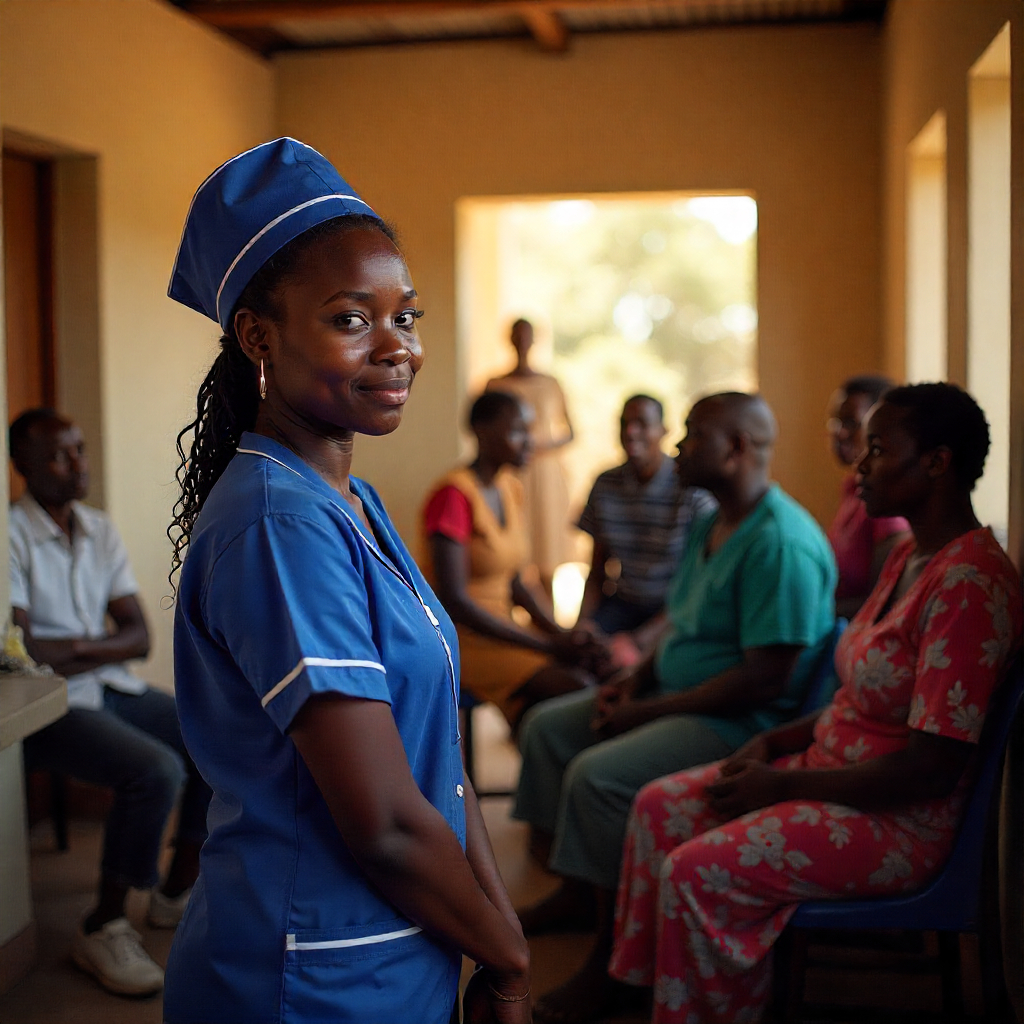
primary healthcare

African migration, South Africa, economic impacts, migration economics, health policy, healthcare access, migrant health, continental mobility, SADC migration, cross-border migration, immigration policy, health systems, universal health coverage, National Health Insurance, migration health economics, healthcare costs, fiscal contributions, labor migration, skilled migration, brain drain, healthcare workers, refugee health, asylum seekers, undocumented migrants, migration data, remittances, economic integration, informal economy, healthcare utilization, emergency healthcare, maternal health, communicable diseases, tuberculosis, malaria, mental health, trauma, gender-based violence, reproductive health, constitutional rights, health rights, documentation barriers, healthcare equity, vulnerable populations, intersectional factors, urban migration, rural migration, border health, Johannesburg migration, Cape Town migration, Durban migration, Zimbabwe migration, Mozambique migration, community health workers, digital health, multilingual health services, stakeholder engagement, policy implementation, evidence-based policy, health workforce, professional recognition, bilateral cooperation, regional cooperation, cost-effectiveness, preventive care, health screening, clinic access, hospital utilization, NGO services, civil society, advocacy, research gaps, data limitations, policy recommendations, implementation timelines, sustainable financing, migration governance, health diplomacy, continental health integration, public health, epidemiology, health economics, migration statistics, population health, health equity, social determinants, healthcare delivery, primary healthcare, emergency medicine, occupational health, border management, xenophobia, discrimination, cultural competency, language barriers, patient navigation, health education, community engagement, partnership models, innovative solutions, best practices, scalability, monitoring evaluation

What are the Economic Impacts of African Migration in South Africa?

A Health Policy Lens on Continental Mobility and Health Care Systems A Tale of Two Cities: When Migration Meets Healthcare Reality In Cape Town’s Somerset Hospital emergency ward, Dr. Nomsa Mbeki notices a familiar pattern during her night shifts. Among the patients seeking urgent care, approximately 30% are cross-border migrants from Zimbabwe, Mozambique, and other […]

What are the Economic Impacts of African Migration in South Africa? Read More »

African migration, South Africa, urban landscapes, health policy, migration health, urban health systems, healthcare access, National Health Insurance, NHI, constitutional rights, undocumented migrants, asylum seekers, refugees, cross-border migration, internal migration, rural-urban migration, circular migration, health equity, primary healthcare, emergency medical services, maternal health, chronic disease management, community health workers, Johannesburg, Cape Town, Durban, Alexandra township, Hillbrow, Yeoville, health system strengthening, policy implementation, documentation barriers, intersectional vulnerabilities, gender-based health disparities, age-specific health needs, cultural competency, language barriers, public health practitioners, health policymakers, NGO workers, civil society organizations, Scalabrini Centre, Doctors Without Borders, health service delivery, mobile health clinics, peer health educators, policy advocacy, human rights, health outcomes, epidemiological data, disease burden, communicable diseases, antenatal care, emergency department utilization, clinic overcapacity, health facility planning, municipal health services, provincial health departments, inter-governmental coordination, budget allocation, cost-effectiveness analysis, health monitoring systems, data collection protocols, staff training, discrimination in healthcare, patient identifier systems, anonymous service delivery, policy harmonization, legal frameworks, National Health Act, constitutional guarantees, health insurance, out-of-pocket payments, medication access, follow-up care, health education, multilingual services, occupational health, informal economy, gender-based violence, adolescent health, older adult care, research gaps, longitudinal studies, economic analysis, implementation research, digital health innovations, technology solutions, community resilience, health security, public health goals, evidence-based policy, stakeholder engagement, accountability mechanisms, service integration, spatial planning, bylaw reforms, private-public partnerships, capacity building, knowledge translation, migration corridors, settlement patterns, demographic transition, urbanization, population health, health equity, social determinants of health, vulnerable populations, marginalized communities, inclusive health policies, universal health coverage, middle-income country, Southern African Development Community, SADC, continental migration patterns, health diplomacy, regional health cooperation

How Does African Migration Affect South Africa’s Urban Landscapes?

The Urban Health Emergency Unfolding in Real Time In the bustling township of Alexandra, Johannesburg, Dr. Sarah Mthembu witnessed firsthand the strain migration places on urban health systems. With Africa experiencing a 25-percent growth in intra-continental migrants over the last decade—from 12 million in 2015 to 15 million in 2024, her clinic now serves triple

How Does African Migration Affect South Africa’s Urban Landscapes? Read More »

migration health, urban planning, South Africa, healthcare access, informal settlements, health infrastructure, health policy, internal migration, cross-border migration, urbanization, health equity, migrant health services, primary healthcare, community health workers, mobile health units, health system strengthening, National Health Insurance, NHI, universal health coverage, healthcare utilization, health disparities, climate migration, refugee health, asylum seekers, undocumented migrants, healthcare barriers, documentation status, language barriers, cultural competency, intersectional health, gender health disparities, maternal health, chronic disease management, mental health services, tuberculosis, HIV/AIDS, non-communicable diseases, health outcomes, healthcare providers, health facilities, clinic access, emergency healthcare, preventive care, health promotion, health education, telemedicine, digital health, health technology, healthcare costs, cost-effectiveness, health economics, health financing, health insurance, public health, population health, epidemiology, health surveillance, health data, health information systems, health monitoring, health evaluation, social determinants of health, housing health, water sanitation, environmental health, occupational health, school health, elder health, child health, adolescent health, reproductive health, family planning, immunization, health screening, health literacy, health communication, health advocacy, health rights, constitutional health rights, health law, health governance, health leadership, health management, health administration, health planning, health implementation, health coordination, intersectoral collaboration, health partnerships, NGO health programs, community-based health, participatory health, health research, health evidence, health innovation, health solutions, health interventions, health programs, health services delivery, health quality, patient satisfaction, healthcare workforce, health training, health capacity building, health sustainability, health resilience, urban health, metropolitan health, municipal health, provincial health, regional health, SADC health cooperation, African health systems, developing country health, middle-income country health, health development, health cooperation, health diplomacy, health security, health emergency preparedness, health system adaptation, health transformation, health reform, health modernization

Urban Planning and Migration: Infrastructure Challenges in South African Cities – A Health Policy Analysis

Migration Health in South African Cities Addressing the Critical Intersection of Urbanization, Migration, and Public Health in Post-Apartheid South Africa Introduction: The Convergence of Crisis and Opportunity In Alexandra Township, Johannesburg, 22-year-old Nomsa* (name changed) recently moved from rural Limpopo to seek employment opportunities. Like thousands of other internal migrants, she settled in an informal

Urban Planning and Migration: Infrastructure Challenges in South African Cities – A Health Policy Analysis Read More »

migration health, South Africa migration, economic impact, health policy, migration economics, healthcare costs, remittances, cross-border migration, undocumented migrants, healthcare access, National Health Insurance, constitutional rights, migration policy, health systems, xenophobia, skilled migration, healthcare workers, professional qualification recognition, migrant entrepreneurship, emergency department utilization, uncompensated care, public health, private healthcare, informal economy, seasonal workers, agricultural labor, tourism sector, port economy, inner city health, mobile health units, cost-benefit analysis, health equity, universal health coverage, migration flows, documentation barriers, regional migration, Southern African Development Community, SADC, border movements, economic contributions, tax revenue, job creation, business registration, community health, cultural competence, multilingual services, health screening, portable health records, preventive care, health financing, fiscal impact, treasury guidelines, policy integration, stakeholder engagement, civil society, NGO advocacy, academic research, longitudinal studies, evidence-based policy, health worker shortage, brain drain, brain gain, informal settlements, health risks, social tensions, economic instability, one-stop services, fast-track programs, metropolitan areas, provincial health departments, sustainable financing, research gaps, gender analysis, intersectional factors, vulnerable populations, ethical considerations, privacy protection, case studies, statistical analysis, demographic trends, healthcare utilization patterns, migrant rights, social determinants of health, economic opportunities, policy recommendations, implementation timelines, monitoring systems, program evaluation, success factors, pilot programs, integrated approaches, comprehensive healthcare, emergency services, primary healthcare, specialist care, health outcomes, community-based programs, capacity building, training programs, partnership development, multi-sectoral collaboration, regional cooperation, bilateral agreements, migration corridors, economic corridors, trade relationships, labor mobility, skills recognition, qualification frameworks, professional councils, regulatory barriers, administrative processes, service delivery, quality improvement, health system strengthening, infrastructure development, resource allocation, budget planning, financial sustainability, innovative solutions, best practices, lessons learned, scalability, replicability, knowledge transfer, policy dialogue, advocacy campaigns, public awareness, community engagement, stakeholder consultation, participatory approaches, inclusive policies, non-discrimination, human rights, international law, regional frameworks, continental policies, global health security, pandemic preparedness, health emergencies, disaster response, climate migration, environmental factors, food security, drought impacts, unemployment, inflation, economic shocks, resilience building, adaptive capacity, transformation agenda, social cohesion, nation building, development outcomes, poverty reduction, inequality, social protection, safety nets, livelihood strategies, economic diversification, value chains, supply chains, market access, trade facilitation, investment promotion, economic growth, productivity gains, innovation ecosystems, technology transfer, digital health, telemedicine, health information systems, data management, surveillance systems, epidemiological monitoring, health indicators, performance metrics, quality assurance, accountability mechanisms, transparency, governance structures, institutional arrangements, coordination mechanisms, inter-governmental relations, decentralization, local government, municipal services, urban planning, spatial development, housing policies, land use, transport systems, infrastructure investment, service provision, public-private partnerships, community participation, social capital, trust building, conflict resolution, peace building, reconciliation processes, social justice, human dignity, solidarity, ubuntu philosophy

The Economic Impact of Migration on South African Communities: A Health Policy Perspective

 Migration Health in South Africa Opening: The Numbers Tell a Story In July 2024, the South Africa-Zimbabwe corridor alone recorded 32,309 movements, constituting 92% of all migration flows across Zimbabwe’s official border points. Meanwhile, healthcare facilities in Johannesburg’s inner city reported a 40% increase in emergency department presentations by undocumented migrants between 2023 and 2024.

The Economic Impact of Migration on South African Communities: A Health Policy Perspective Read More »

occupational health, African migrants, South Africa, informal economy, workplace safety, migrant workers, labor rights, health policy, public health, migration health, informal sector, workplace injuries, occupational hazards, health equity, labor protection, workers compensation, National Health Insurance, NHI, domestic workers, construction workers, agricultural workers, street traders, chemical exposure, pesticide poisoning, workplace violence, documentation status, undocumented migrants, health access, healthcare barriers, policy gaps, labor inspection, COIDA, occupational health surveillance, community health, mobile clinics, employer certification, health disparities, social protection, vulnerable populations, intersectional health, gender and health, migration policy, health systems, primary healthcare, emergency care, injury treatment, chronic diseases, respiratory health, musculoskeletal disorders, burns and injuries, mental health, psychosocial stress, workplace discrimination, language barriers, health education, peer education, multilingual services, health promotion, preventive care, health monitoring, epidemiology, public health research, health economics, cost-effectiveness, health outcomes, longitudinal studies, participatory research, regional cooperation, SADC, cross-border health, health governance, inter-departmental coordination, health financing, universal health coverage, constitutional rights, human rights, social justice, health advocacy, civil society, NGOs, community organizations, stakeholder engagement, policy implementation, health reform, regulatory enforcement, labor standards, safety training, protective equipment, hazard identification, risk assessment, injury prevention, emergency response, first aid, trauma care, rehabilitation, disability, economic impact, poverty, social determinants of health, urban health, township health, informal settlements, health infrastructure, health workforce, cultural competency, health literacy, Johannesburg, Cape Town, Durban, Zimbabwe, Mozambique, Malawi, Lesotho, Stellenbosch, Khayelitsha, Alexandra, Sandton, Western Cape, Mpumalanga, Limpopo, Gauteng, ZEP permits, LEP permits, scaffolding injuries, organophosphate poisoning, industrial cleaning chemicals, Department of Health, Department of Employment and Labour, University of Cape Town, Medical Research Council, Statistics South Africa, WHO, ILO

Informal Work, Formal Risks: Occupational Health Hazards Facing African Migrants in South Africa’s Economy

African Migrant Worker Health Risks Nomsa (not her real name), a 34-year-old Zimbabwean domestic worker in Johannesburg, suffered second-degree burns from industrial cleaning chemicals in 2023. Her employer provided no protective equipment or medical insurance. When she sought treatment at a public clinic, language barriers and documentation concerns delayed her care by three days, resulting

Informal Work, Formal Risks: Occupational Health Hazards Facing African Migrants in South Africa’s Economy Read More »

TB, HIV, migration, South Africa, infectious diseases, public health policy, African migrants, healthcare access, treatment adherence, disease transmission, refugees, asylum seekers, undocumented migrants, xenophobia, health systems, antiretroviral therapy, ART, tuberculosis treatment, co-infection, HIV prevalence, TB prevalence, Johannesburg, Cape Town, Durban, health policy, migration health, constitutional rights, healthcare barriers, documentation status, cultural competency, language barriers, community health workers, mobile health, telemedicine, health information systems, universal health coverage, National Health Insurance, gender-based violence, older adults HIV, drug resistance, contact tracing, treatment interruption, viral load, healthcare discrimination, stigma, peer navigation, integrated services, mobile clinics, health education, community engagement, health outcomes, epidemiological data, health system strengthening, cross-border health, regional cooperation, human rights, ethical considerations, evidence-based interventions, policy implementation, monitoring and evaluation, quality improvement, social determinants of health, health equity, vulnerable populations, emergency healthcare, primary healthcare, sexual and reproductive health, occupational health, informal settlements, hostels, urban health, rural health, health financing, cost-effectiveness, sustainable development, digital health, health technology, predictive analytics, research gaps, methodological challenges, stakeholder engagement, multi-sectoral coordination, implementation science, health diplomacy, southern Africa, SADC, WHO, UNAIDS, CDC, health indicators, 95-95-95 targets, treatment as prevention, prevention programs, health promotion, disease surveillance, outbreak response, health security, global health, migration patterns, circular migration, internal migration, cross-border migration, health insurance, patient records, continuity of care, lost to follow-up, treatment completion, adherence support, directly observed therapy, health advocacy, civil society, NGOs, Médecins Sans Frontières, health worker training, capacity building, health infrastructure, service delivery models, patient-centered care, trauma-informed care, mental health, psychosocial support, legal aid, immigration policy, deportation fears, health screening, contact investigation, infection control, public health emergency, health system resilience, pandemic preparedness, One Health approach

TB, HIV, and Migration: Understanding Disease Patterns and Prevention Challenges Among African Migrants in South Africa

 Understanding Disease Patterns and Prevention Challenges How migration dynamics, exclusionary policies, and fragile health systems fuel dual epidemics—and what must be done to change course. A Tale of Two Crises: The Migrant’s Health Journey In May 2022, Awa, a 29-year-old undocumented woman from the DRC, sought treatment at a community clinic in Durban after experiencing

TB, HIV, and Migration: Understanding Disease Patterns and Prevention Challenges Among African Migrants in South Africa Read More »

language barriers, cultural competency, South African healthcare, African migrants, healthcare access, linguistic diversity, cultural misunderstandings, migration health, health policy, public health, xenophobia, discrimination, healthcare workers, interpretation services, multilingual healthcare, community health workers, maternal health, emergency care, patient safety, medical interpreters, health equity, universal health coverage, National Health Insurance, healthcare communication, cross-border migrants, refugee health, undocumented migrants, healthcare rights, cultural safety, health system strengthening, primary healthcare, emergency departments, medical errors, patient satisfaction, health outcomes, Johannesburg, Cape Town, Durban, Gauteng Province, Western Cape, KwaZulu-Natal, Groote Schuur Hospital, Chris Hani Baragwanath Hospital, Zimbabwean migrants, Somali refugees, Congolese migrants, Mozambican migrants, Nigerian migrants, Ethiopian migrants, gender barriers, documentation status, mental health, pediatric care, maternal mortality, antenatal care, reproductive health, chronic disease management, infectious diseases, tuberculosis, HIV/AIDS, healthcare utilization, treatment adherence, appointment compliance, emergency room visits, hospital readmissions, healthcare costs, cost-effectiveness, return on investment, policy implementation, healthcare financing, training programs, capacity building, technology solutions, artificial intelligence, video interpreting, remote interpretation, cultural competency training, medical education, nursing education, health professional licensing, performance indicators, quality improvement, patient feedback, healthcare governance, intersectional factors, vulnerable populations, human rights, constitutional rights, health legislation, National Health Act, Ubuntu philosophy, community partnerships, NGO collaboration, civil society, advocacy, research gaps, longitudinal studies, evidence-based practice, best practices, scalability, sustainability, accountability mechanisms, stakeholder engagement, implementation timelines, monitoring and evaluation

Language Barriers and Cultural Competency in South African Healthcare for African Migrants

 Language Barriers  in South African Healthcare Introduction: When Words Fail, Lives Are at Risk In the sprawling maternity ward of Groote Schuur Hospital in Cape Town, Amina*, a 26-year-old Somali refugee, grips her partner’s hand. Her contractions intensify rapidly. However, she speaks limited English and no Afrikaans or isiXhosa. Meanwhile, the attending nurse grows frustrated

Language Barriers and Cultural Competency in South African Healthcare for African Migrants Read More »